REVIEW · LUCCA
Lucca: Private Home-made Pasta Cooking Class
Book on GetYourGuide →Operated by Pasta Spazzavento · Bookable on GetYourGuide
Pasta starts with your hands. This private homemade pasta class happens in a family farmhouse on an olive grove just outside Lucca, with plenty of time to shape dough and then eat what you make. You’ll also get a friendly, local-feeling look at how Tuscan ingredients become dinner, not just a cooking demo you watch from the sidelines.
I particularly like the patient instruction and the way the chef checks your dough, your rolling, and your shapes so you actually walk away able to repeat it. I also love the full-circle payoff: you make pasta, you taste it fresh, and you sit down for a real meal with Tuscan drinks and extras.
One thing to consider: the schedule is a solid 4 hours in the countryside, and you’ll be walking around a farmhouse setting—so comfortable shoes matter.
In This Review
- Key highlights you’ll care about
- A farmhouse pasta class just outside Lucca
- Rolling, kneading, shaping: what you actually learn
- The dough-rest pause: herbs, vegetables, and the olive grove walk
- Cooking, then eating: starter, main, dessert on a real farm table
- Transfers, equipment, and the real meaning of the price
- Who this suits best (and when to choose something else)
- Practical tips so your pasta day goes smoothly
- Should you book this Lucca private pasta class?
- FAQ
- Where is the pasta class located?
- How long is the cooking class?
- What’s included besides pasta making?
- Do I get recipe cards to take home?
- Are drinks included?
- What languages does the instructor speak?
Key highlights you’ll care about
- Private class format that feels personal, not rushed
- Olive grove farmhouse setting with local herbs and garden-picked ingredients
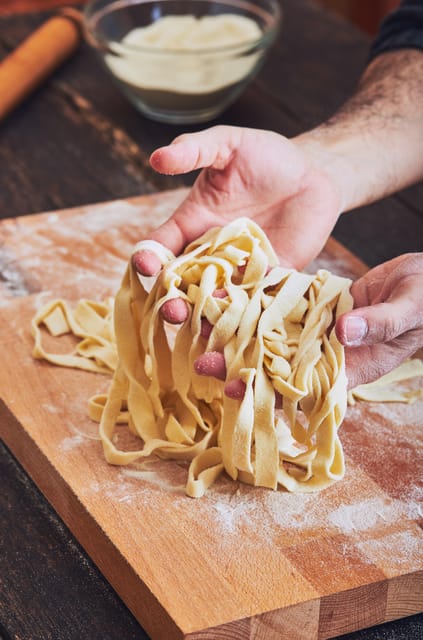
- Hands-on pasta making with step-by-step help shaping dough
- Farm-table tasting paired with local wine, coffee, and water
- You get recipe cards to recreate your pasta back home
A farmhouse pasta class just outside Lucca
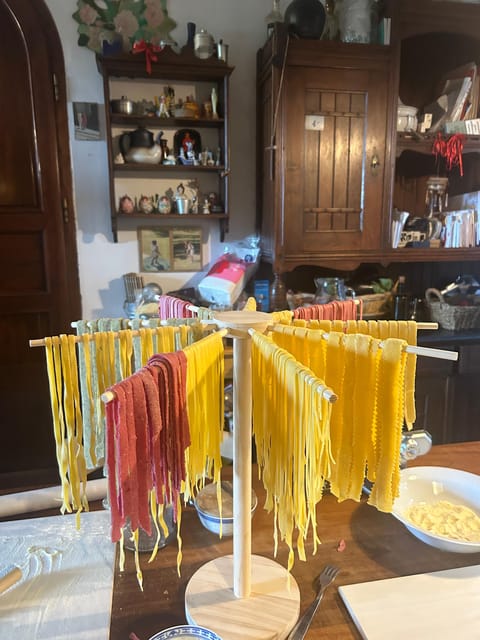
Lucca is a great base, and this experience pulls you slightly out of the city without going far. The farm is about 15–20 minutes from Lucca Center, and pickup and drop-off are included. You meet at a location that’s flexible, then get transferred to the family farmhouse on an olive grove.
From the moment you arrive, the vibe is family-run and relaxed. You start with welcome drinks, including a selection of local wine, plus coffee and water later. One review even described how the property feels lived-in and charming, with homegrown items in the mix and small touches that make it feel more like being invited than being processed.
Because it’s private, the “class” doesn’t feel like a factory line. You can ask questions as you work, and the instructor can steer you based on what you’re doing with your dough in real time. If you’ve ever had a cooking class where the instructor moves on faster than you can, this one is built around slowing down enough to make sure you get it.
You can also read our reviews of more tours and experiences in Lucca.
Rolling, kneading, shaping: what you actually learn
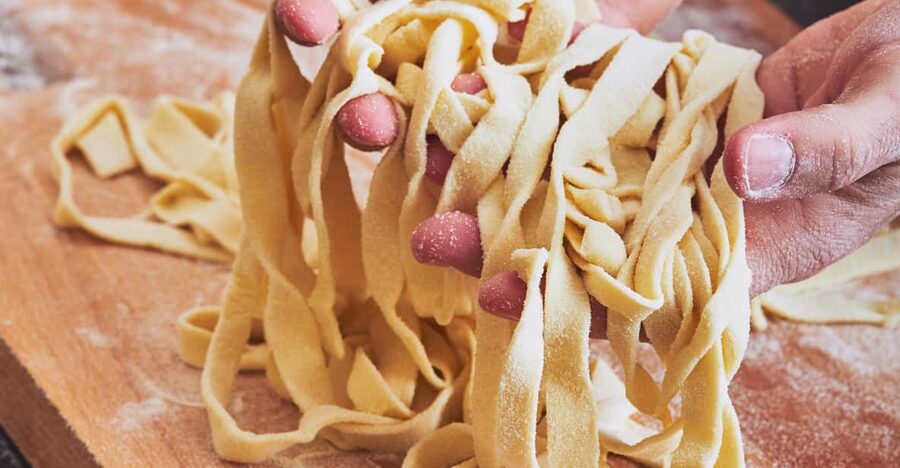
This is a hands-on pasta lesson, not a sit-and-watch experience. You’ll learn how to make pasta from scratch: rolling out dough, kneading, and shaping it into specific pasta formats. The chef demonstrates first, then you get your hands dirty right away, with personalized guidance to help you nail the texture and form.
What makes this valuable is the coaching rhythm. Pasta dough can be forgiving, but it can also go sideways fast if it’s too dry, too sticky, or rolled inconsistently. The instructor’s job here is to help you adjust while you’re still in the process, so your pasta ends up tasting like you made it with control—not luck.
One review mentioned learning both traditional pasta and pasta made using a machine. That’s the kind of flexibility you’ll appreciate if you want to understand the classic method and also learn how a machine changes the outcome at home. Even if you only focus on the hands-on path, you’ll still come away with practical muscle memory.
You’ll also learn a key practical point: pasta isn’t just flour and water. The way you shape and cut affects how sauce clings, which means you’re cooking for the eating, not just for the photo.
The dough-rest pause: herbs, vegetables, and the olive grove walk
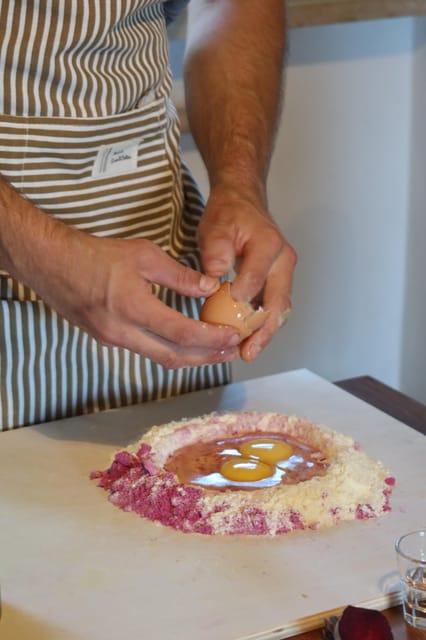
During the time your dough rests, you have an optional break to tour the farm and gardens. This is one of those small add-ons that feels worth it because you’re not just walking around—you’re gathering ingredients you’ll later use.
If you choose the farm stroll, you can pick fresh things like herbs and vegetables from the garden to use in your sauce. This is more than a scenic detour. It’s a quick lesson in how Tuscan cooking stays seasonal and practical: you use what’s growing, and you build flavor from simple ingredients that taste like they belong together.
And yes, the property is olive-focused, so you’ll understand the setting immediately. Even if you’re not a gardener, it helps you picture the flavor logic. You start thinking about freshness, timing, and how small decisions change a dish.
Cooking, then eating: starter, main, dessert on a real farm table
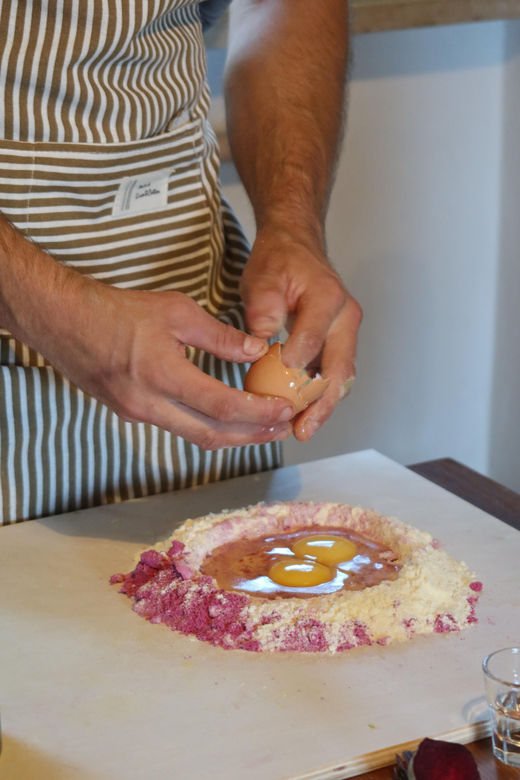
The meal is where this class pays you back. You’re not just tasting a small sample; the experience includes 3 meals: starter, main, dessert, plus wine and other Tuscan treats.
After you gather around as your pasta cooks, you eat the pasta you made, paired with local wine and regional items. Multiple accounts highlighted the meal as the most memorable part of the evening, especially when it’s served outdoors with a view—more family dinner than classroom lunch.
One standout detail from the host side: a review called out Helena’s pesto as the best they’d ever had. That matters because pesto is one of those dishes people think they know. When it’s made fresh with the right balance of herbs and local flavor, it stops tasting like a jar and starts tasting like a season.
Then you finish with a sweet treat, described as a local dessert. So the pacing works: work first, enjoy the reward second, and end with something comforting instead of abruptly wrapping up.
Transfers, equipment, and the real meaning of the price
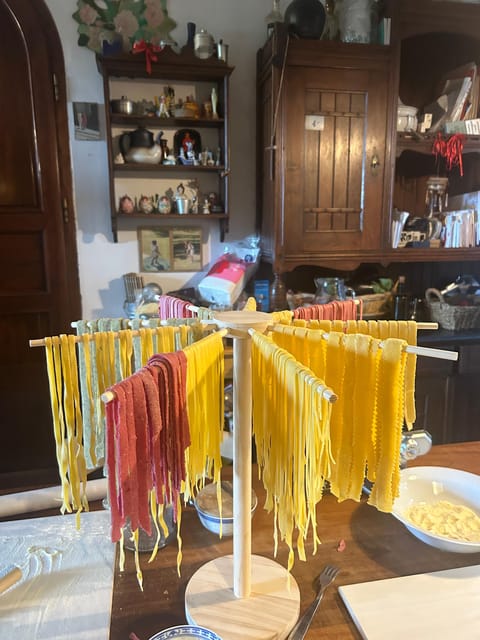
At $147.27 per person, this isn’t a budget activity, and it also isn’t a gimmick. The value comes from what’s included, because you’re paying for the full package: teaching time, ingredients, equipment, drinks, and a sit-down meal.
Here’s what that typically covers:
- Transfers to and from your local accommodation or meeting point
- All pasta ingredients and equipment
- Wine, coffee, and water
- Tasting of farm products
- The cooking class itself
- Starter, main, and dessert
Add that up and you get a clearer picture. If you were to recreate this independently—finding a chef, renting a kitchen setup, buying specific ingredients, and paying for a meal and drinks—you’d likely spend more than this, especially outside the off-season.
The other value is time. You’re not rushing through basics in a 90-minute “taste and learn” session. A full 4 hours means you can actually practice technique, correct mistakes, and still relax enough to enjoy the meal.
Who this suits best (and when to choose something else)
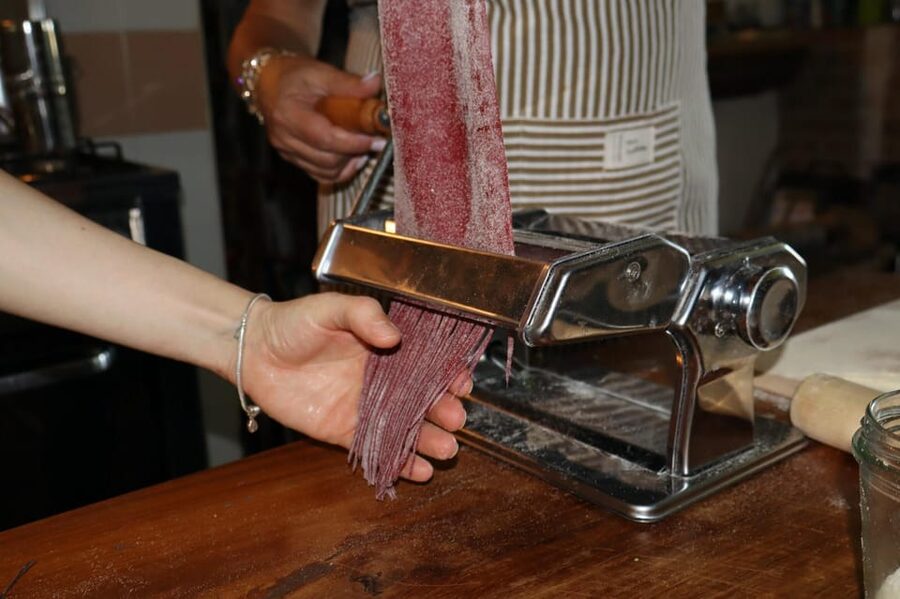
This experience is ideal if you want hands-on time with a real instructor and you like eating what you cook. It’s a great fit for:
- Couples who want a shared activity that ends with dinner
- Small groups who like interactive travel moments
- Individuals who prefer guided cooking over wandering a market alone
- Anyone who’s curious about how Tuscan ingredients and family recipes connect
You might think twice if you’re the type who wants to fill every hour with sightseeing. This is food-focused, not a cultural bus tour. Also, it’s held outside Lucca, so you’ll spend part of your day in transit from your pickup.
The upside? You trade the typical crowds for a smaller, calmer experience in a farmhouse setting.
Practical tips so your pasta day goes smoothly
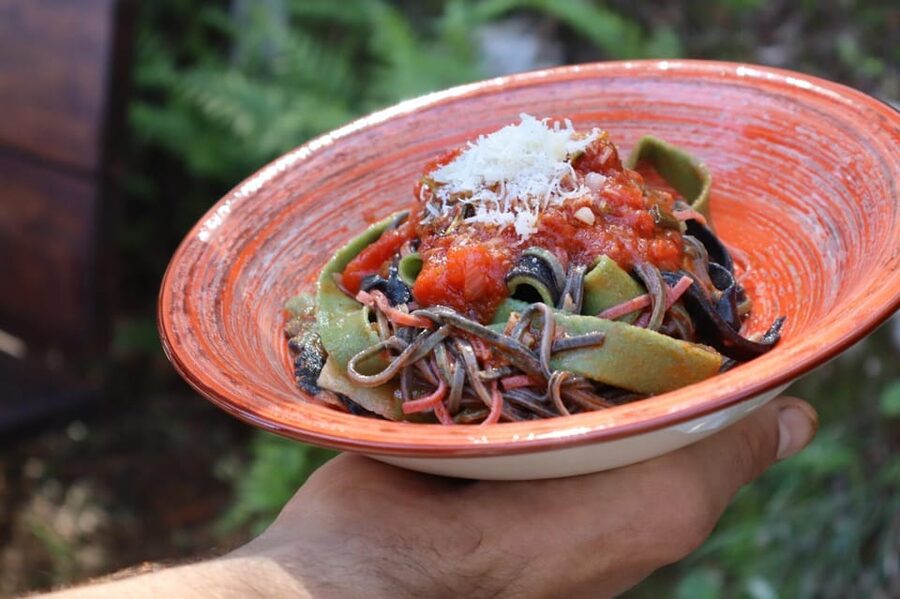
A few simple things will make a difference.
Bring comfortable shoes. You’ll likely be moving around a farmhouse area and outdoors during the optional farm walk. Plan to dress casually—this is about working with dough.
Work at your own pace. The instructor’s guidance is there to help you adjust, so don’t worry if your first attempt is not perfect. Pasta comes together with practice, and the class format gives you time.
Ask about dietary needs early. One set of guests said the hosts were accommodating with dietary restrictions. Since the class includes meals and farm-based ingredients, it’s smart to mention any needs before you go.
Go hungry for the main course. You’ll snack and drink, but the real dinner is part of the package, including a sweet finish.
Use the language you’re comfortable with. The instructor can teach in English, French, Italian, and Russian, which makes it easier to ask questions while you’re learning technique.
Should you book this Lucca private pasta class?
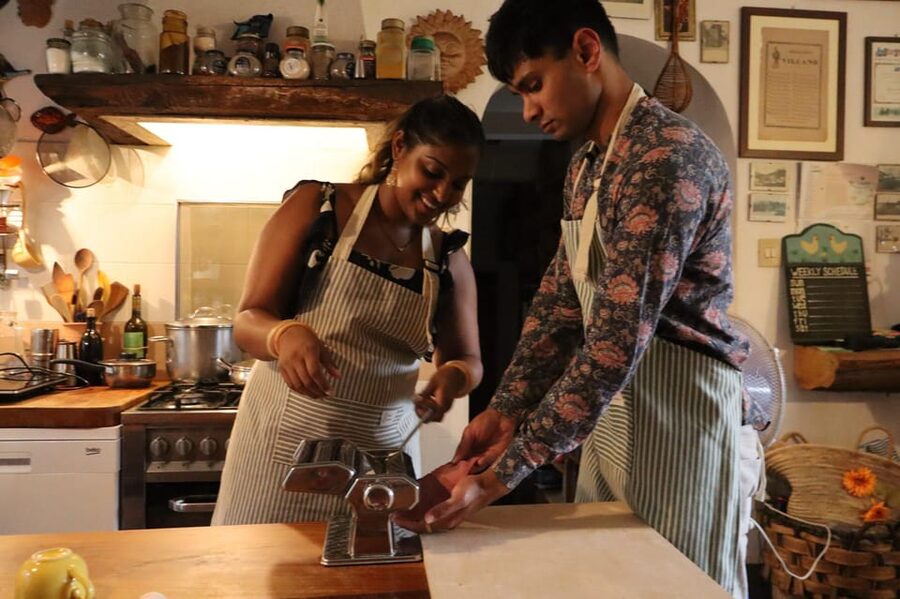
Yes, if your idea of a great Lucca day is simple: learn something practical, eat incredibly well, and spend a few hours in a genuine family setting on a working farm. The private format, the hands-on instruction, and the meal afterward are the big reasons to choose it.
I’d book it when you want value beyond a quick taste—when you want to take home technique, not just memories. If you’re short on time, not a pasta person, or you hate any hands-on work, then it might not fit your style. But if you enjoy cooking, eating fresh food, and seeing Tuscany through how it actually gets made, this one is an easy yes.
FAQ
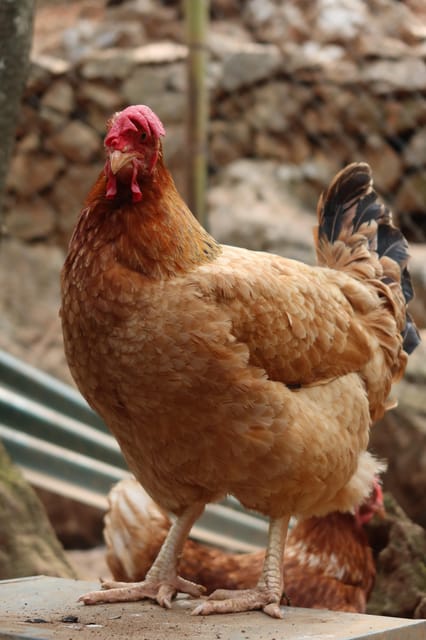
Where is the pasta class located?
The class is held in a family farmhouse about 15–20 minutes outside Lucca Center, in Tuscany. You’ll be picked up from your local accommodation or a confirmed meeting point and returned after the experience.
How long is the cooking class?
The experience lasts about 4 hours. Starting times vary, so you’ll want to check availability for the time that works best for your day in Lucca.
What’s included besides pasta making?
You get a full pasta cooking class plus transfers, all equipment and ingredients, drinks (wine, coffee, water), and a tasting of products from the farm. The experience also includes 3 meals: starter, main, and dessert.
Do I get recipe cards to take home?
Yes. You’ll receive recipe cards and tips so you can recreate the pasta dishes back at home.
Are drinks included?
Yes. The experience includes wine, coffee, and water, and the meal is served with local wine and other Tuscan delicacies.
What languages does the instructor speak?
The instructor can teach in English, French, Italian, and Russian, depending on what’s available for your class time.