REVIEW · TOKYO
Japanese Home Styled Cooking Class in or around Shinjuku, Tokyo
Book on Viator →Operated by Home-style Authentic basic Japanese Cooking Class & Experience of Japanese culture · Bookable on Viator
This class turns Tokyo eating into something you can recreate. What I like most is the hands-on format (you do the cooking, not just watch) and the recipe sheets you take home so the food keeps working after you fly home. One thing to consider: your menu choice can depend on whether other groups are in the same session.
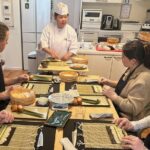
You’ll meet in the Shinjuku area, cook for about 2 hours 30 minutes, and then sit down together to enjoy what you made. From the setup to the pace, it feels designed for small groups and clear instruction, with extra help in the kitchen from staff like Lulu, Erica, and Chieko-San.
In This Review
- Key things I’d plan around
- Shinjuku Meeting Point And the Home-Kitchen Vibe
- Choosing Your Menu: 4 Options, But Timing Can Matter
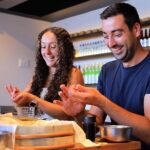
- The Hands-On Cooking Lesson, From Prep to Plating
- What you’ll do during class
- You’ll also get pictures taken
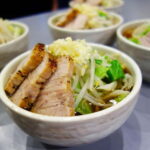
- What You Eat Matters More Than the Recipes
- Recipe Sheets, Culture Notes, and Your Take-Home Souvenir
- Price and Value: Is $89.99 Actually Fair?
- Who This Shinjuku Home Cooking Class Fits Best
- Perfect for you if…
- Less ideal if…
- A Realistic Watch-Out: Menu Limits and Last-Minute Communication
- Should You Book This Cooking Class in Shinjuku?
- FAQ
- What will I cook in the class?
- How long is the cooking class?
- Where does the class meet?
- Are cooking tools and ingredients included?
- Is private transportation included?
- How many people are in the group?
- What is the cancellation policy?
Key things I’d plan around
- Small group size (max 12): you’re not lost in a crowd
- You actually cook 3-4 dishes: simple, home-style Japanese food you can repeat
- Menu options can be limited: you may only choose if your group is alone that day
- Tools and ingredients included: less hassle than DIY shopping
- Hosts help with English: questions land better when you can get a direct answer
- You get recipe sheets: a practical souvenir, not just a photo
Shinjuku Meeting Point And the Home-Kitchen Vibe
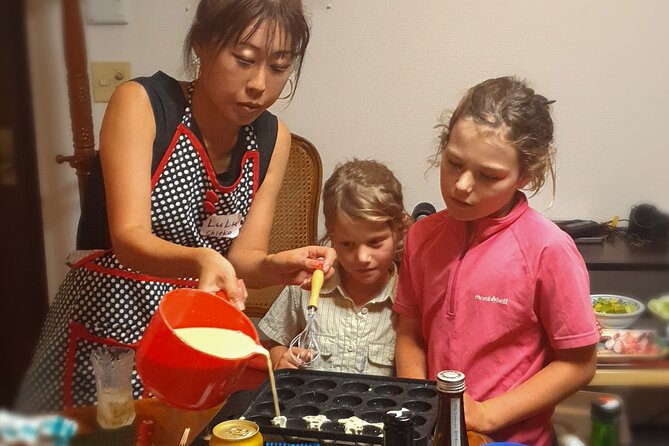
The class starts at 2-chōme-5-1 Yoyogi, Shibuya, Tokyo 151-0053 and wraps back at the same meeting point. That’s a useful detail because it means your evening doesn’t turn into a transit scavenger hunt. You’re also told it’s near public transportation, so you can skip the stress of lining up a private ride.
What I like about this setup is the tone it sets: this isn’t about touring Tokyo. It’s about getting close to the way Japanese people actually cook at home. In practice, that usually means a kitchen that’s organized for making dinner, not for performing for a camera.
The group size is capped at 12, which matters more than it sounds. In a small group, you get time to ask questions. You can also keep moving at kitchen speed without being rushed or waiting forever for a turn.
You can also read our reviews of more tours and experiences in Tokyo.


Choosing Your Menu: 4 Options, But Timing Can Matter
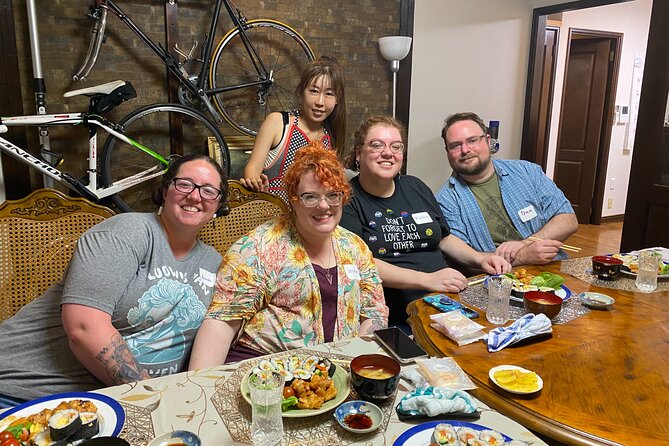
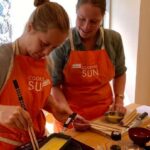
When you book, you can select one of four different menu options. Ingredients are prepared in advance, and that’s a big deal for a cooking class. It keeps the timing tight so you’re not spending half your session chopping while everyone else is ahead.
Here’s the catch: you can only choose the menu option when your group is the only attendees on that day. If another group joins the same class, you might not have the same menu choices available. It’s not a deal-breaker, but you should know it going in. If menu selection is a must for you, consider booking earlier and keeping your expectations flexible.
Food allergies can also be handled, but you need to tell them in advance. The class says they can discuss the menu and what options are available. That’s the right approach. Japanese home cooking can involve common allergens (like soy-based sauces), so early communication is your friend.
The Hands-On Cooking Lesson, From Prep to Plating
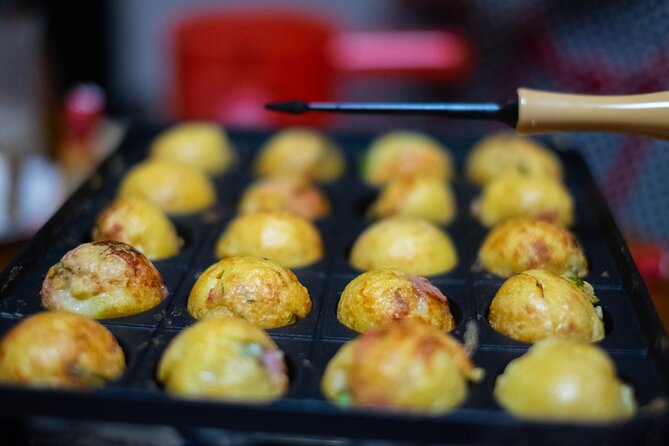
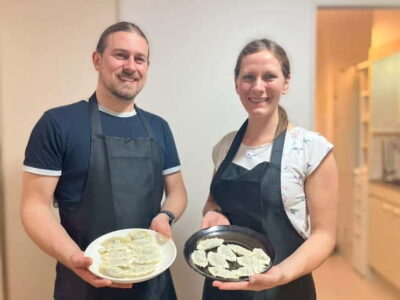
The experience runs about 2 hours 30 minutes total: cook everything, then eat together. I like this time frame because it feels complete. You’re not just learning technique; you’re building an entire meal.
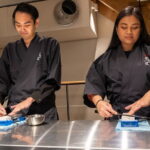
Even with the same general structure, the pace matters. The good news is the class description and the reviews both point to extra support in the kitchen. Helpers are there to keep you moving and to make sure the group isn’t stuck waiting on basics like slicing, measuring, or getting the sauce right.
What you’ll do during class
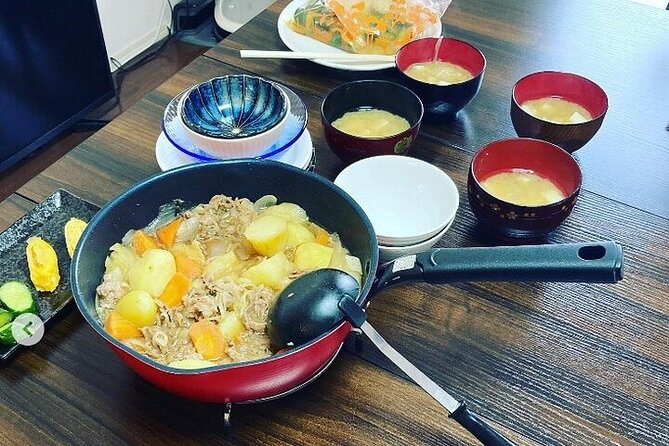
You can expect basic but authentic home-style cooking. The menus are described as simple yet tasty dishes that Japanese people actually eat. In real terms, that means you’ll work with common Japanese ingredients and flavors, not just rare items that look impressive but are hard to recreate later.
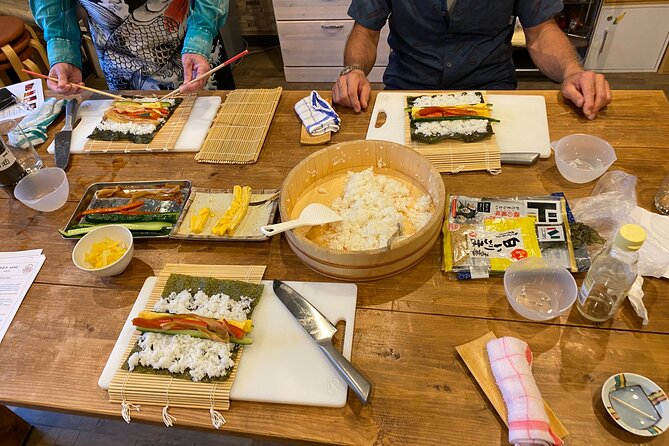
In one of the menus mentioned in reviews, people cooked sushi and a green bean salad. Even if your menu is different, the class is clearly set up to teach practical steps you can carry home: preparing components, cooking or assembling them correctly, then serving as a meal.
A useful part of the experience is how they build in time for questions. Several reviews mention that hosts answered questions well and spoke English clearly. That makes a huge difference. Cooking isn’t only following instructions; it’s understanding why something works. If you can ask, you learn faster.
You’ll also get pictures taken
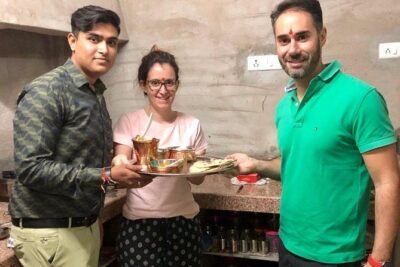
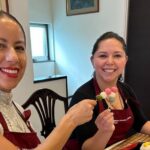
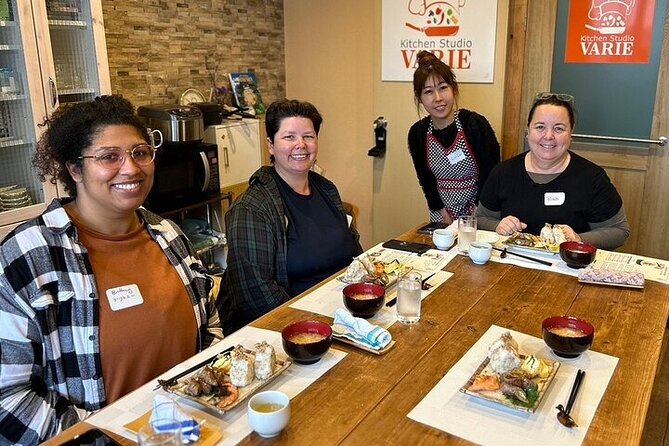
This might sound like a small perk, but it adds a lot to the overall experience. Reviews mention staff made sure to take plenty of pictures. If you’re traveling solo or as a couple, that helps you capture the moment without constantly switching between cooking and photographing.



What You Eat Matters More Than the Recipes
At the end, you sit down and eat the meal you made together. That’s not just a nice ending. It’s how you confirm you cooked it right.
Japanese home-style meals are often about balance: something savory, something fresh or crunchy, and a rhythm that feels right on the plate. When you learn a dish in context—how it’s served and how it fits into dinner—it sticks better than learning a recipe in isolation.
Also, you’re not just learning food. You’re learning how people think about food. The class includes lessons on the history and culture behind Japanese cuisine, so the flavors get a story. That can turn a normal ingredient into something more meaningful, especially if you’ve spent time eating in Japan and wondering what you’re tasting beyond the obvious.
And because you’re given recipe sheets, you can actually bring that context home. You’ll remember the steps, but you’ll also remember the cultural note that explains what the dish is aiming for.
Recipe Sheets, Culture Notes, and Your Take-Home Souvenir
One of the strongest selling points here is that you leave with recipe sheets. That’s the kind of souvenir that earns its keep. Many cooking classes give you a vague list of ingredients. This one is positioned as a take-home keepsake you can use repeatedly.
I also appreciate the way the class connects cooking to culture. If you’ve ever eaten a Japanese meal and thought, I love this, but I don’t know what makes it Japanese—that’s the gap this lesson tries to close. Even with simple home dishes, there are choices: seasonings, texture preferences, how sauces are balanced, and how food is built for everyday life.
If you’re the type who wants to do more than tick off attractions, this is your lane. You leave with knowledge you can use at home. And if you cook again for friends, you get to share the story, not just the recipe.
Price and Value: Is $89.99 Actually Fair?
At $89.99 per person, this class isn’t the cheapest thing you can do in Tokyo. But it also isn’t trying to be. It’s paying for hands-on instruction, prepped ingredients, cooking tools, a small group setting (max 12), and the fact that you’ll likely eat the meal you make.
Here’s how I’d judge value like a traveler who wants their money to do something:
- You’re not buying tools or ingredients just to experiment.
- You get guidance while you cook, which lowers the chances you’ll waste time or mess up.
- You take home recipe sheets that help you repeat the dish later.
- You spend a satisfying evening doing something social and active, not just watching.
If you like cooking and you want a reliable Japanese dinner you can recreate, the price makes sense. If you’re only interested in tasting and you don’t want to cook, you might feel like it’s more work than you want.
There’s also mention of group discounts, which can make it a better deal for couples or small groups if the pricing drops for larger bookings. (You’ll want to check the exact discount at the time you reserve.)
Who This Shinjuku Home Cooking Class Fits Best
This class fits best if you want a structured experience that still feels personal.
Perfect for you if…
- You want to learn Japanese home-style cooking, not restaurant techniques
- You like small groups and clear steps
- You plan to cook again at home and want recipe sheets
- You enjoy asking questions in an English-supported environment
Less ideal if…
- You’re expecting to roam Tokyo between stops (this is primarily a kitchen evening)
- You strongly need a specific menu option and can’t be flexible if other groups join
The location being near public transportation is also a plus for people who don’t want to spend the whole night coordinating rides. It’s an evening plan you can wedge into a busy Tokyo itinerary.
A Realistic Watch-Out: Menu Limits and Last-Minute Communication
Two practical issues to keep in mind.
First, menu choice can be constrained if other groups attend the same class. You can select one of four menu options when booking, but the class description says your choice is only guaranteed if your group is the only attendee(s). If your heart is set on a particular dish, I’d double-check what flexibility looks like for your date.
Second, there’s at least one concerning note about cancellation behavior. The provider’s response in that case explained there was communication from the customer and that they canceled accordingly, and it also referenced a no-refund situation under the company’s handling. I can’t generalize that to all bookings, but it does point to one simple lesson: keep an eye on your messages and confirm changes quickly if you need to adjust plans.
Also, the class can be canceled due to weather and due to a minimum number of travelers. That’s normal for outdoor or shared experiences, and it’s better to plan with that possibility in mind so you’re not stranded without a backup plan.
Should You Book This Cooking Class in Shinjuku?
If you want a Tokyo experience that gives you something you can use later, I think this is a smart booking.
Book it if you:
- want to cook 3-4 dishes you can realistically repeat
- like the idea of recipe sheets as a practical souvenir
- enjoy learning the story behind flavors, not only following steps
- appreciate small group instruction and extra kitchen help (names you may encounter include Lulu, Erica, or Chieko-San)
Skip it if:
- you only care about eating and don’t want to cook
- you need a guaranteed specific menu on a specific date and can’t be flexible
For the money, the biggest reason to book is simple: you’re paying for guided, hands-on learning plus a meal plus something tangible to take home. That combination is exactly what makes this kind of class worth your evening.
FAQ
What will I cook in the class?
You’ll cook 3-4 authentic home-style Japanese dishes. When you book, you can choose from four different menu options, but your ability to select a specific menu can depend on whether other groups are attending the same day.
How long is the cooking class?
The class is about 2 hours 30 minutes to cook everything and then enjoy the meal together.
Where does the class meet?
It starts at 2-chōme-5-1 Yoyogi, Shibuya, Tokyo 151-0053, Japan and ends back at the meeting point.
Are cooking tools and ingredients included?
Yes. Cooking tools and ingredients are included, along with all fees and taxes.
Is private transportation included?
No. Private transportation is not included.
How many people are in the group?
The class has a maximum of 12 travelers.
What is the cancellation policy?
You can cancel for a full refund if you cancel at least 24 hours before the experience starts. The class may also be canceled due to poor weather (with an offer of a different date or a full refund), or if a minimum number of travelers isn’t met.