REVIEW · LUCCA
Every Day Cooking Class in Lucca Italy
Book on Viator →Operated by Cremeria Opera · Bookable on Viator
Lucca is better when you cook it too. This 2.5-hour class is built around food you make and eat, plus the story behind each dish. You’ll start with a drink, roll up your sleeves for fresh pasta, and finish with tiramisù in a real working kitchen setting.
I especially like two things: the class treats meals as shared, social moments (not a lecture), and you get hands-on instruction from hosts such as Giulia, Julie, Juliette, or Giuliana. Many sessions also feel pleasantly low-pressure, even if you’ve never made pasta before, because the teaching stays practical and patient.
One thing to plan around: there are no gluten-free options. If you’re avoiding gluten for health reasons, you’ll need to pass or arrange your own alternative meal before you go.
In This Review
- Quick hits: what makes this Lucca class special
- How an Italian meal becomes the lesson
- The drink sets the tone
- Via dei Bichi and the 3:30 pm rhythm
- Starter: aperitivo or local wine, then you get hands-on
- What you’ll learn before you make a mess
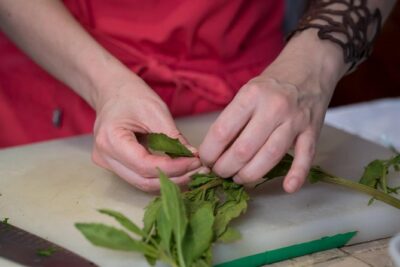
- Fresh pasta: the skills that actually stick
- In a real commercial kitchen
- Expect patient, interactive teaching
- Ragù, fillings, and classic combinations
- The confidence factor
- Tiramisù: making a beloved dessert feel logical
- You may see more than one dessert world
- What you get to take home: recipes and leftovers
- Why recipes matter more than you think
- Price in context: is $156.38 good value?
- Who should book this Lucca class (and who should skip)
- Before you go: small practical notes that help
- Should you book this Lucca cooking class?
- FAQ
- What is the duration of the cooking class in Lucca?
- What time does the class start?
- Is the class offered in English?
- Where is the meeting point?
- Does it offer gluten-free options?
- What does the class include on the menu?
- FAQ
- What is the group size?
- Can I cancel for a full refund?
- What happens if I cancel less than 24 hours before?
Quick hits: what makes this Lucca class special
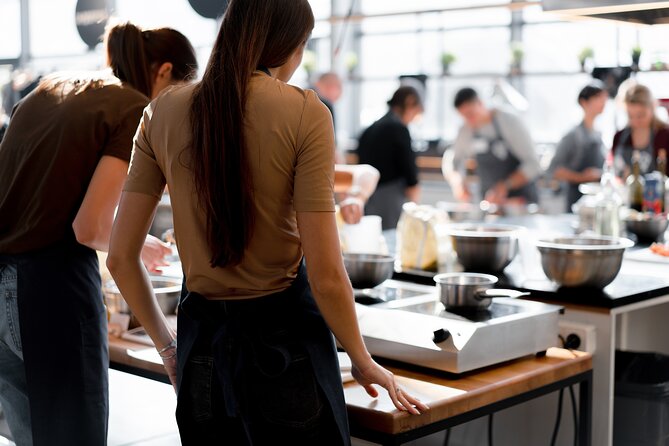
- A small group (max 10), so you actually get time at the counter, not just watching
- Aperitivo or local wine paired with cooking, so the vibe stays convivial from minute one
- Fresh pasta from scratch, with guidance that works even for beginners
- Tiramisù practice, including the fun details about the name and the dessert process
- In a working commercial kitchen, so it feels authentic and efficient
- Recipes included, plus some people note leftovers they can take home
How an Italian meal becomes the lesson
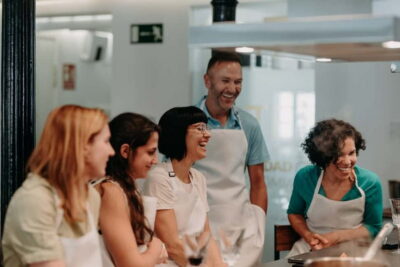
This isn’t a sit-and-stare cooking demo. It’s closer to how Italian meals really work: eat, drink, and talk while you’re making something together. In Lucca, that matters because food is treated like community. You’re not just learning technique. You’re learning how Italians think about a meal as a shared event.
You’ll also hear the context behind what you’re doing. The class includes history of every dish, so pasta and tiramisù aren’t just recipes you copy. They become part of the rhythm of Tuscan and Italian eating. That turns the experience into something you can actually use later, when you’re cooking at home and wondering why certain steps matter.
You can also read our reviews of more tours and experiences in Lucca.
The drink sets the tone
The starter is either an aperitivo or local wine. That might sound like a bonus, but it’s also a smart teaching tool. You’re settling in, you’re relaxed enough to try, and the “let’s share” mood is already there before flour hits the table.
You also learn while you eat and while you work. That’s important. If you wait until the end to understand what you did, you tend to forget the key points. Here, the learning is woven into the making.
Via dei Bichi and the 3:30 pm rhythm
The class meets at Via dei Bichi, 150, 55100 Lucca LU, Italy. It starts at 3:30 pm and ends back at the same meeting point.
That afternoon start is a good fit for Lucca sightseeing. You can enjoy the city in the morning or early afternoon, then treat this class like your late-day anchor. Because it ends near where you started, you’re not stuck figuring out complicated transit afterward.
It’s also near public transportation, which helps if you’re hopping around town by bus or walking more than you planned. And since the group stays small, the schedule usually feels orderly instead of chaotic.
Starter: aperitivo or local wine, then you get hands-on
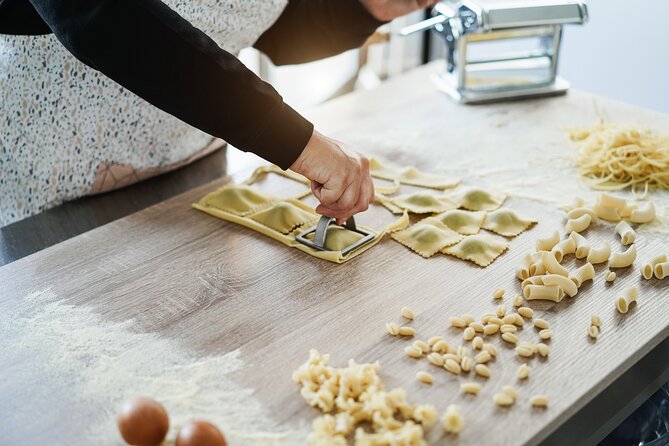
Most cooking classes start with an explanation. This one starts with an invitation: drink first, then cook. You’ll have aperitivo or local wine while you begin the meal-making portion.
I like this approach because it mirrors real Italian pacing. In Italy, drinks and snacks often start the social part of the meal, then the food follows. By the time you’re rolling pasta dough, the room already feels friendly.
What you’ll learn before you make a mess
Even though the action comes quickly, you’ll get enough instruction up front to avoid the most common beginner problems. You’ll hear about what makes the dishes Italian and Tuscan, and you’ll get the reasoning behind technique. That’s the difference between cooking as a chore and cooking as something you can repeat.

Fresh pasta: the skills that actually stick
The main event is fresh pasta, and you’ll make it during the class. One review highlights egg pasta instruction, and others mention practical basics like preparing pasta and mixing with classic ingredients such as butter and Parmesan. Another recounts learning the basics of ragù and even the filling that goes with pasta.
Here’s why that matters for you: if you only learn how to shape dough but not how to build flavor, the pasta at home can feel bland or unfinished. The best version of this class gives you the “what” and the “why,” so your results improve fast.
In a real commercial kitchen
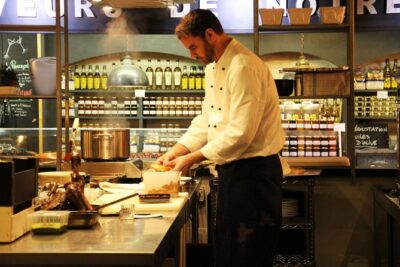
The cooking takes place in a business setting. Reviews describe a commercial gelato and pastry kitchen with plenty of space for groups. That’s a big deal. Working in a professional kitchen environment usually means:
- more room to move without bumping elbows
- tools and workflow that make sense
- an organized pace that keeps the class from dragging
It also feels more real than a rented classroom. You’re cooking like you’re part of the day’s operation, not performing for a camera.
Expect patient, interactive teaching
The teaching style comes up repeatedly. Names like Giulia, Julie, Juliette, and Giuliana show up in reviews, and what people praise is the interaction and patience. One review even mentions an especially memorable father/daughter team vibe. Another calls out extra tips and encouragement for beginners.
For you, that translates to a better chance of success. If you’ve never made pasta before, you don’t want a teacher who rushes or assumes you already know how dough should feel. This format seems designed to keep you moving, learning, and getting to eat what you made.
Ragù, fillings, and classic combinations
Not every class session will match every detail you hear from another table, but the material points in a clear direction: traditional Italian flavor-building. One account explicitly mentions learning ragu basics and the filling for pasta. Another notes simple steps that lead to something deeply satisfying once the ingredients come together.
If you like cooking at home, you’ll probably appreciate the fact that this isn’t just “make dough, eat dough.” You’re also learning how pasta becomes a complete dish: sauce or filling, seasoning choices, and the kind of simplicity that works because the ingredients are right.
The confidence factor
The highest praise in the reviews centers on how achievable the process feels. People describe the workshop as manageable and repeatable at home, including making the pasta and ragù again the next evening. That’s exactly what you want. Technique is great, but confidence is what turns technique into real dinner plans.
Tiramisù: making a beloved dessert feel logical
You’ll finish with tiramisù, a classic Italian dessert. The class includes the “why” behind the name, so you’re not just mixing ingredients and hoping for the best. One review notes making tiramisù, placing it in the fridge to cool, and then eating the results.
There’s also a practical advantage to learning tiramisù this way. Some people struggle with desserts because recipes require timing and chilling. By doing the process in class, you see the logic and the rhythm: assemble, chill, and then serve when it’s ready.
You may see more than one dessert world
Because the class location is tied to a commercial gelato and pastry operation, you may spot evidence of other sweets in the workflow. Reviews mention gelato and additional desserts in the kitchen environment. The dessert you’re meant to take part in is tiramisù, but the surrounding context can make the whole place feel like a living food workshop rather than a one-off activity.
What you get to take home: recipes and leftovers
A big reason people love cooking classes is predictability afterward. Here, recipes are provided, so you’re not left with foggy memories of what went where.
Some reviews also mention taking home leftovers. I can’t promise that every class ends the same way, but if your group makes a lot and you have space, leaving with a plan for another meal is a very real possibility.
Why recipes matter more than you think
When you’re in a class, everything feels clear in the moment. Then you go home and get hit with a “Wait, how much again?” problem. Printed or shared recipes fix that. They turn your experience into a skill you can repeat, not just a great afternoon.
Price in context: is $156.38 good value?
At $156.38 per person for about 2 hours 30 minutes, you’re paying for more than ingredients. You’re paying for:
- instruction in English
- a small group size (max 10)
- a working commercial kitchen setup
- drinks (aperitivo or local wine)
- the meal components: fresh pasta and tiramisù
- recipes you can use afterward
Is it cheap? No. But for many people, it’s strong value because it includes the full experience: learn, cook, drink, eat, and leave with something you can recreate. You’re also not sharing your attention with a big crowd, which is where a lot of cooking classes lose their teaching quality.
And with the average booking lead time around 89 days in advance, you can tell this sells out. If you’re traveling in peak season, you’ll want to lock it in early so you don’t end up settling for a less comfortable class size or schedule.
Who should book this Lucca class (and who should skip)
This class is a good fit if you:
- want hands-on cooking instead of watching
- care about Tuscan-leaning food context, not just techniques
- like small groups where the instructor can correct your steps
- want a meal that feels like a shared Italian table
It’s also a decent first cooking class for beginners because the format is described as manageable and instruction is patient.
You should think twice if you need gluten-free. The data is clear: no gluten-free options. If you’re vegetarian, one review mentions a vegetarian option that helped someone feel included, but you should check when you book so you’re not guessing.
Before you go: small practical notes that help
- The class starts at 3:30 pm, so plan your earlier day around being hungry and ready to cook.
- It ends back at the meeting point on Via dei Bichi.
- You’ll get a mobile ticket, and you should receive confirmation at booking.
- The language offered is English, which is great for making sure the cooking steps and dish history actually land.
Should you book this Lucca cooking class?
If you want a real taste of Italian meal culture, this is a smart choice. The small group size, the hands-on pasta making, and the included aperitivo or local wine create an experience that doesn’t feel staged. Add in dessert (tiramisù) plus recipes, and you’re not just entertained for a couple hours. You leave with usable skills and a fun story to tell.
I’d skip it only if gluten-free is required for you. Otherwise, it’s the kind of class that fits couples, friends, and solo travelers who like food, conversation, and learning in a practical way.
FAQ
What is the duration of the cooking class in Lucca?
It lasts about 2 hours 30 minutes.
What time does the class start?
The start time is 3:30 pm.
Is the class offered in English?
Yes, it is offered in English.
Where is the meeting point?
The meeting point is Via dei Bichi, 150, 55100 Lucca LU, Italy. The activity ends back at the meeting point.
Does it offer gluten-free options?
No gluten-free options are listed.
What does the class include on the menu?
You’ll have aperitivo or local wine as a starter, fresh pasta as the main, and tiramisù as dessert. The class also includes learning more about the history of each dish.
FAQ
What is the group size?
The class has a maximum of 10 travelers.
Can I cancel for a full refund?
Yes. You can cancel up to 24 hours in advance for a full refund.
What happens if I cancel less than 24 hours before?
If you cancel less than 24 hours before the start time, the amount paid will not be refunded.