REVIEW · SEMINYAK
Bali: Balinese Cooking Class and Market Tour
Book on GetYourGuide →Operated by Nia Balinese Cooking Class · Bookable on GetYourGuide
Balinese cooking gets way more interesting when you start at the market and end by eating what your group made, dish by dish. I like the mix of hands-on cooking and a market walk that helps you learn what goes into classic Balinese flavors, not just follow steps. One thing to consider: a few people felt the market portion and hands-on cooking time can vary by group, so it helps to choose this with realistic expectations.
You’ll spend about five hours in Seminyak, starting with pick-up and a market stop where you can practice bargaining and spotting the ingredients used in local dishes. Then you cook with guidance from an English/Indonesian instructor, followed by lunch plus morning tea (with Balinese cake) and the chance to taste your work together.
In This Review
- Key points before you go
- Market Tour in Seminyak: Spices, fruit, and bargaining practice
- The Cooking Class: Turning ingredients into Balinese dishes
- What You Eat: Morning tea, Balinese cake, and lunch together
- Take-Home Cookbook and Certificate: Why the extras matter
- Price and value: Is $40 a fair deal?
- Timing and logistics: Pickup, pacing, and how not to lose time
- Who this Bali class fits best (and who should skip it)
- A balanced reality check: what can vary between groups
- Should you book this Balinese cooking class in Seminyak?
- FAQ
- How long is the Bali Balinese Cooking Class and Market Tour?
- Where is the cooking class held?
- Is pickup included, and is drop-off included?
- What’s included in the price?
- What languages are available during the class?
- Is the experience wheelchair accessible?
- Can I cancel and get a refund?
- Is reserve now and pay later available?
- Who is this activity not suitable for?
Key points before you go
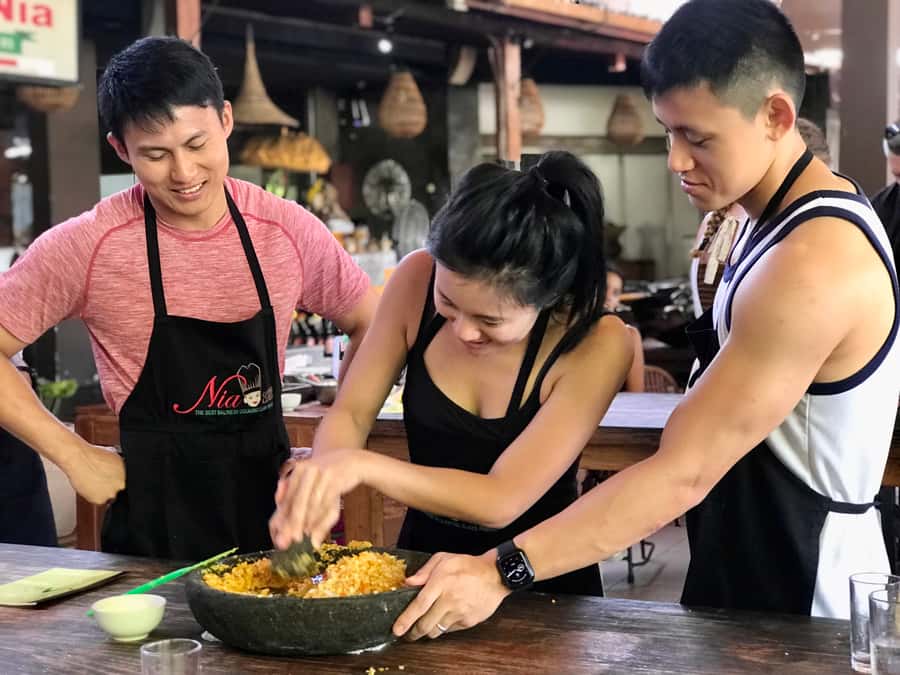
- Market tour in Seminyak: See tropical fruit and aromatic spices up close, then practice bargaining for ingredients
- Chef-led cooking: You’ll follow step-by-step instruction and get chances to cook as a group
- You eat what you make: Lunch and tasting happen after the prep, so your meal comes with context
- Take-home keepsakes: You receive a cookbook and a certificate
- Good value for $40: Market time + lesson + lunch + extras for a half-day outing
- Language support: Instruction and audio support are available in English and Indonesian
Market Tour in Seminyak: Spices, fruit, and bargaining practice
This class starts with a market tour, and that choice matters. Instead of learning recipes in a vacuum, you get your first lesson in ingredients: how they look, how they smell, and why cooks use them. You’ll find tropical produce, locally grown fruits, and aromatic spices along the way.
Bargaining is part of the experience. Even if you’re not trying to win a hard negotiation, you’ll get a feel for how people shop and talk price in daily life. That’s especially useful in Bali, where markets can be where you learn the rhythm of the place—how locals buy what they need, then head home to cook.
A practical note: bring a small mindset shift. A market tour in a cooking class setting is not the same as wandering for hours on your own. It’s structured so you can connect what you buy to what you cook later. If you’re the type who wants maximum time between stalls, it’s worth expecting that some groups may have less time at fewer stops.
Also, watch your expectations around “pricing.” One concern raised by a past participant was that market prices can differ depending on who is buying. You can’t control how that plays out, but you can protect yourself by staying calm, asking your guide what to expect, and keeping your focus on the cooking lesson rather than trying to force a perfect deal.
You can also read our reviews of more tours and experiences in Seminyak.

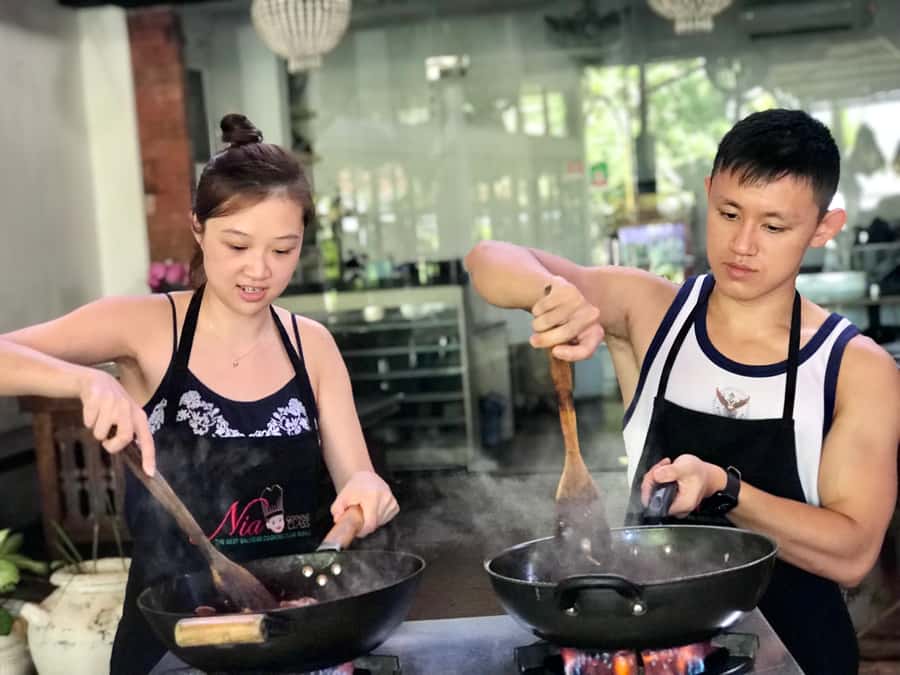
The Cooking Class: Turning ingredients into Balinese dishes
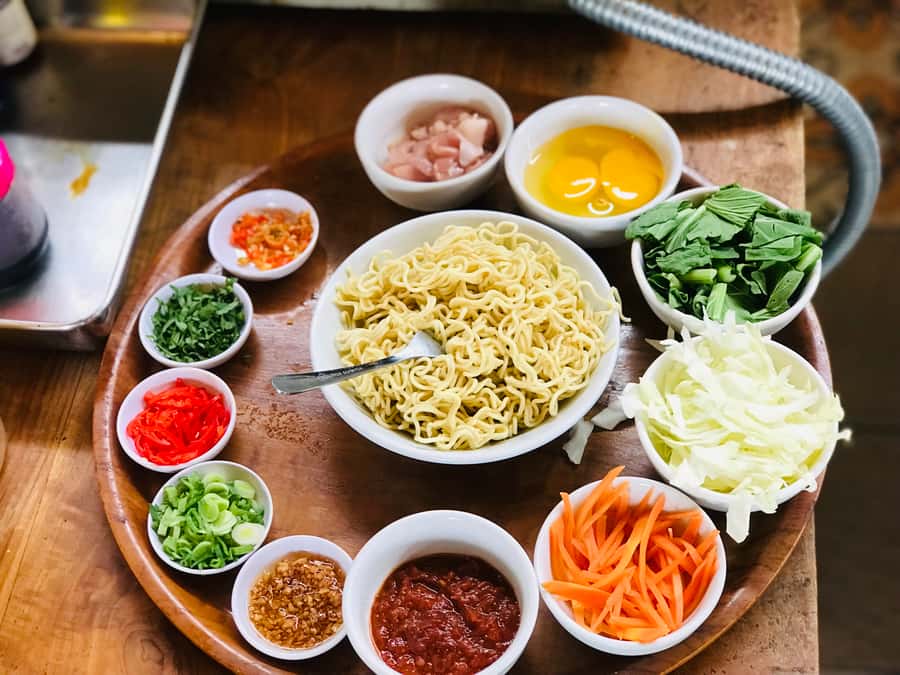
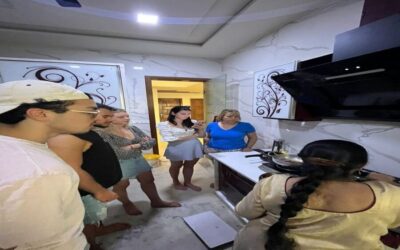
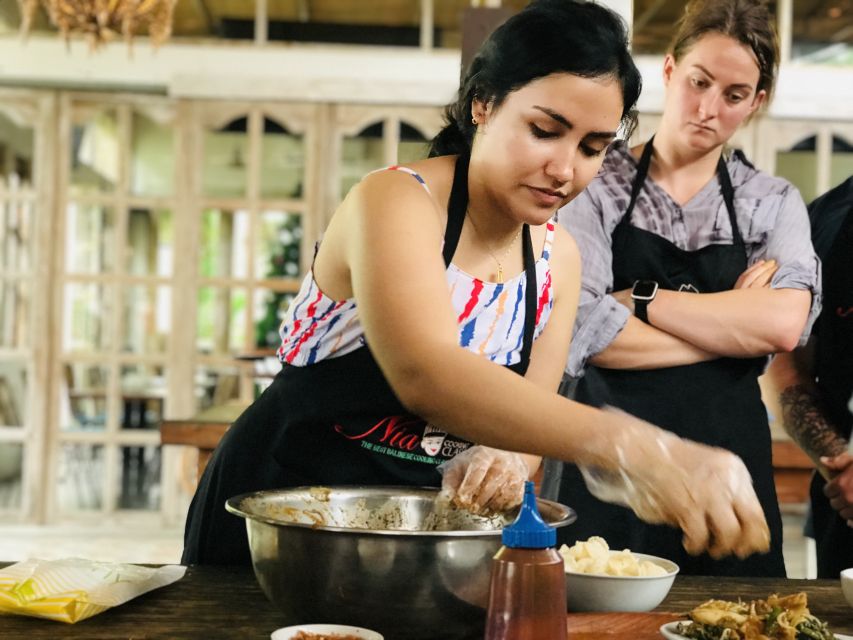
After the market, you move into cooking mode, and this is where the experience becomes memorable. The instructor guides the group through preparing popular Balinese dishes, using clear on-site instructions. In most cooking classes, people either watch too much or do too little. Here, the goal is that you actually participate—cutting, mixing, and assembling.
What I like is how cooking steps become easier once you’ve just seen the ingredients. When you’re handling spice blends or preparing key components, the market walk gives your brain a reference point. You stop asking what something is and start recognizing it by smell and look.
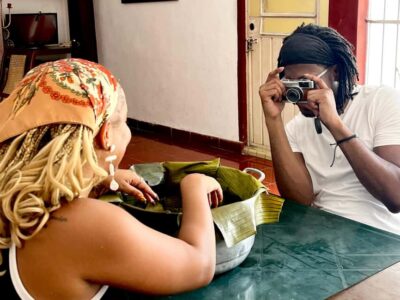
You can also learn Balinese food beyond just the finished plate. One participant specifically pointed out learning about everyday offerings, which is a big part of food culture in Bali. Even if your class focuses on dishes first, these small cultural connections help explain why certain ingredients show up in daily routines, not only holiday meals.
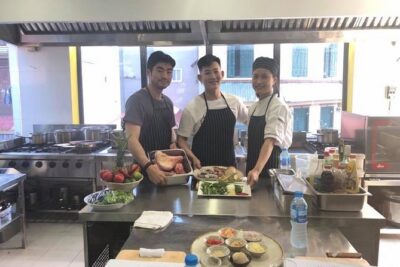
Group teaching style matters, and the reviews reflect that. The chef/instructor is described as making sure people get a chance to cook, and assistants are on hand to help keep things moving. Still, one negative comment flagged that assistants did more work than expected in at least one instance, and that can affect how hands-on your day feels. My advice: choose this class if you want guidance and structure more than you want total DIY cooking.
One more practical reality: cooking class timing tends to be tight. Even when you’re doing a lot, you’ll still feel the pace. Wear comfortable clothes, and don’t plan anything stressful right after. You’ll leave smelling a bit like spices, and you’ll probably want a slow end to your day.
What You Eat: Morning tea, Balinese cake, and lunch together
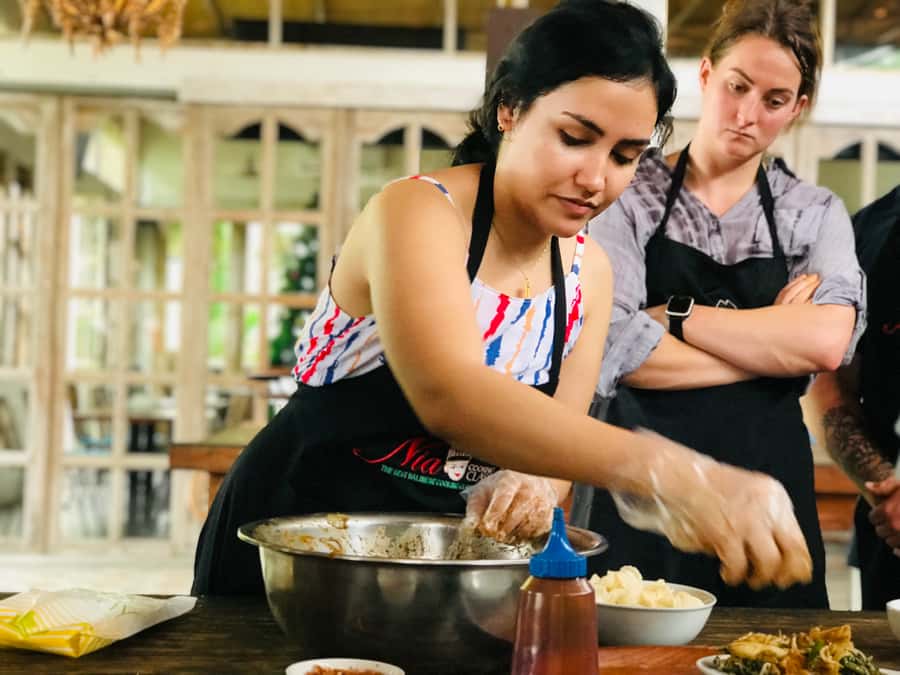
Food is the point, and this class is set up so you eat in stages, not only at the end.
You start with morning tea with Balinese cake. That’s a nice way to ease into the day if you’re not used to starting with strong flavors early. It also gives you a moment to settle in and chat before the cooking gets busy.
Then comes lunch, which you’ll enjoy as part of the group experience. The key detail I love here: you taste the dishes you helped prepare. That turns lunch into a lesson you can replay later when you try to cook at home. Instead of thinking, I ate something good, you can think, I made the part where that flavor came from.
One review noted that some dishes are snacks you eat in the moment, not only a final buffet-style meal. That kind of pacing helps because it breaks up the waiting time between steps. If you get hungry fast during cooking, this structure keeps things comfortable.
Here’s a careful note based on the less positive feedback: one person felt the final food served wasn’t all the exact dishes they prepared. You can’t assume that will happen, but it’s a fair question to ask beforehand if you want specific results. If the description says you’ll cook certain popular dishes, check how many dishes your group will prepare and how lunch is served.
Take-Home Cookbook and Certificate: Why the extras matter
This isn’t just a one-time meal. You also leave with a certificate and a cookbook. For me, that’s where value really shows up.
In Bali, it’s easy to taste a dish and then lose track of the details. A recipe booklet gives you a practical way to recreate flavors at home, even if you have to adjust ingredients based on what you can find. A certificate is small, but it reinforces that this is meant to be a real class, not just a sightseeing stop with a kitchen room.
Also, the fact that the class includes written take-home guidance means you can focus your attention during cooking. You don’t need to memorize every step perfectly. You can participate, learn, and trust that you’ll have the recipe later.
One participant specifically mentioned loving the take-home recipe book, and another said they would do the class again. Those two reactions usually go together: if you keep the book and actually use it, you feel the experience twice.
Price and value: Is $40 a fair deal?
At $40 per person for a five-hour experience, this class prices itself in the middle of what you’d expect for a half-day cultural food activity in Bali. The key is what’s included.
You get:
- market tour
- morning tea with Balinese cake
- lunch
- certificate and cookbook
- pick-up only (no drop-off)
- English and Indonesian support (instructor plus audio)
When you total that, $40 becomes more understandable. Market entry doesn’t feel like a separate cost. Cooking instruction isn’t limited to watching. And the meal has a direct link to the recipes you learned.
The biggest reason the value feels strong is time. Five hours is long enough to feel like you did something real, but short enough to fit into a Bali itinerary without eating your entire day. You can still enjoy beaches, temples, or a simple dinner after.
If you’re watching your budget: this is a good pick when you want a structured Bali experience that isn’t only sightseeing. If you’re already a confident home cook and expect a very hands-on, chef-mentored training session, you might want to compare options and ask about dish count and how much cooking each person does. One critique from the past included concerns about hands-on time and market focus, so it’s smart to check that the format matches your expectations.



Timing and logistics: Pickup, pacing, and how not to lose time
This tour runs about five hours, with pickup included. You’ll be asked to wait in the hotel lobby about 10 minutes before your scheduled time, and the driver will wait no longer than 5 minutes after the scheduled pickup time. That small detail matters. If you’re late, you might miss the start.
Pickup and drop-off are handled unevenly on purpose. Pickup is included, but drop-off is not. That means you should plan how you’ll get back when the class ends. In Seminyak, you usually have options, but still, have a plan so you don’t end up negotiating transport while hungry and tired.
Pacing is also part of the experience. You move from market to kitchen, then to eating. You’ll likely do multiple dish-related tasks in a single morning/early afternoon window. If you prefer long, slow meals, this will feel more like a working session than a leisurely cooking hobby day.
Because it’s a group activity, you’ll also work within group timing. That’s why it can be great for beginners and casual food lovers, but it may feel rushed if you want private, tailored instruction.
Who this Bali class fits best (and who should skip it)
This experience makes the most sense for people who want culture through food. If you like learning how ingredients connect to local dishes, you’ll probably enjoy it. It’s also a strong choice if you want an activity that’s hands-on but still structured.
It can be especially good if you’re traveling with others and like group experiences. Eating together at the end turns the class into a shared memory, not just a solo lesson.
The info also lists specific limits. It isn’t suitable for:
- children under 2, 3, or 4 years (depending on the category listed)
- babies under 1 year
- people over 95 years
- people over 70 years
- people with altitude sickness
If you fall into one of those groups, this isn’t the right pick based on the activity’s own suitability notes.
If you’re an older traveler within the acceptable range, the tour is listed as wheelchair accessible, which is a big plus. Just remember that you’ll be moving between the market and a cooking area, so ask yourself if that style of day is comfortable for you.
A balanced reality check: what can vary between groups
Most of the feedback centers on a good chef, organized teaching, and delicious results. People highlight learning the market basics for cooking, getting guided techniques, and being able to eat what they helped make. A few say they’d do the class again.
At the same time, one negative review raised concerns about:
- the market feeling like only a couple of stops
- price differences based on the buyer’s identity
- assistants doing much of the prep in some cases
- the final meal not matching what was prepared
- heavy marketing during the day
I’d treat those as caution signs about variability. If you’re paying attention to transparency, hands-on time, and dish accuracy, you should ask what the schedule looks like for your specific group before you commit. Even with a great class, group size and staffing can change how your day feels.
Should you book this Balinese cooking class in Seminyak?
Book it if you want a short, flavorful Bali experience that teaches you what goes into classic dishes and then lets you eat your results. The market tour + cooking + lunch + cookbook + certificate combo is a solid value for $40, especially if this is your first time learning Balinese home-style flavors.
Don’t book it if you need a totally independent market stroll, expect a perfectly hands-on role with no assistant help, or are very sensitive to how market pricing works between individuals. In that case, ask direct questions about how many stalls you’ll visit, how many dishes your group will cook, and what you can expect to eat at the end.
If your goal is learning through doing—and you’re happy to keep expectations aligned with a group class—this is the kind of half-day you’ll remember the next time you shop for spices.
FAQ
How long is the Bali Balinese Cooking Class and Market Tour?
The experience lasts about 5 hours.
Where is the cooking class held?
The class is in Seminyak, Bali.
Is pickup included, and is drop-off included?
Pickup is included. Please wait in your hotel lobby about 10 minutes before your scheduled pickup time, and the driver waits no longer than 5 minutes after that scheduled time. Drop-off is not included.
What’s included in the price?
Included are pickup only, the market tour, morning tea with Balinese cake, lunch, a certificate, and a cook book.
What languages are available during the class?
The instructor and audio guide support are available in English and Indonesian.
Is the experience wheelchair accessible?
Yes, the activity is listed as wheelchair accessible.
Can I cancel and get a refund?
Yes. Free cancellation is available up to 24 hours in advance for a full refund.
Is reserve now and pay later available?
Yes, reserve now and pay later is available so you can book your spot and pay nothing today.
Who is this activity not suitable for?
It’s not suitable for children under 2, 3, and 4 years (as listed), babies under 1 year, people with altitude sickness, people over 95 years, and people over 70 years.