REVIEW · TOKYO
Hands-on Japanese Cooking in a Shinjuku Home Kitchen with Satoru
Book on Viator →Operated by Traveling Spoon · Bookable on Viator
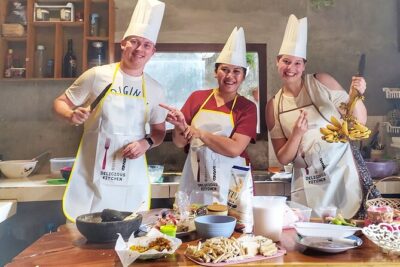
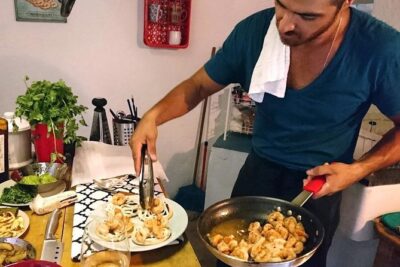
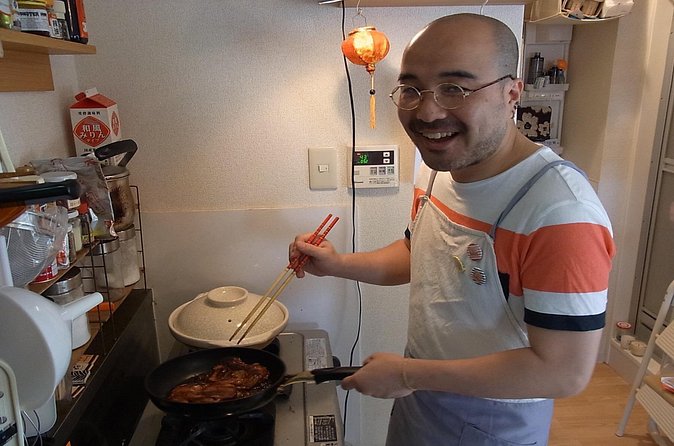
Small kitchen. Big Japan. In Satoru’s Shinjuku apartment, you’ll cook homestyle Japanese dishes from scratch and then eat together with him, so it’s part lesson and part real conversation. It’s also private—you’re not blending into a big group while someone else talks over the stove.
One thing to think about: the menu is tied to the weekday, and if you don’t share your preference, you’ll cook what’s scheduled. If you need changes or have restrictions, tell the host one week in advance or the day’s plan will go forward as set.
In This Review
- Key highlights you’ll actually feel
- Why a Shinjuku home kitchen beats a restaurant-style cooking class
- Meeting Satoru near JR Shinjuku Station (and what that walk really means)
- Cooking from scratch: how a home lesson stays practical
- The weekday menu plan: Teishoku sets vs popular favorites
- Sat, Sun, Mon, Tue: Teishoku set meal days
- Wed, Thu, Fri: Popular Japanese dishes day
- Why you should check the menu before you go
- Dinner with Satoru: conversation, local alcohol, and a take-home gift
- Price and value: what $130 buys in a private Tokyo setting
- Who should book this, and who might not love it
- Should you book this Shinjuku home cooking class?
- FAQ
- What is the duration of the cooking experience?
- Where is the meeting point?
- Do I have to choose what we cook?
- Is there a vegetarian option?
- How do I request dietary restrictions or changes?
- What’s included in the price?
- Is there free cancellation?
Key highlights you’ll actually feel
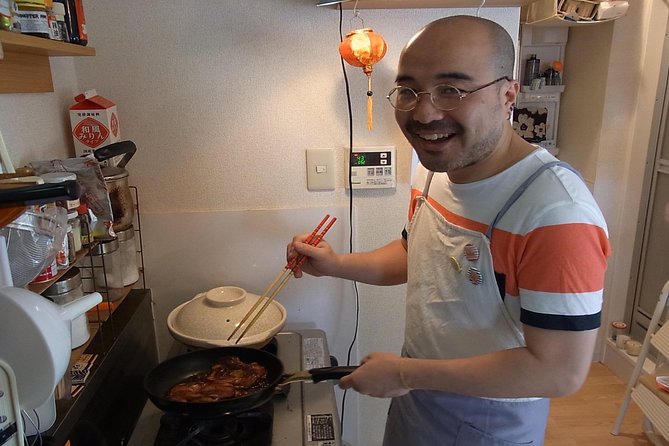
- A local home kitchen in Shinjuku instead of a classroom or restaurant setup
- Make 2 to 5 dishes depending on the menu day, with step-by-step guidance
- Ingredient stories as you cook, from dashi to sweet notes like organic honey
- Dinner with your host, plus 1–2 glasses of local alcohol
- You take something home: a Japanese utensil and ingredient gift
Why a Shinjuku home kitchen beats a restaurant-style cooking class
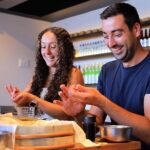
Tokyo cooking classes are everywhere. But most of them teach you inside a commercial kitchen where everything feels timed and slightly staged. This one is different because you’re in a real neighborhood apartment—small, cozy, and built for daily life.
That changes the vibe fast. When you’re standing shoulder-to-shoulder in a home kitchen, you end up asking questions you might hold back in a larger setting. I like that the experience is structured enough for beginners, but casual enough to feel like a visit. You’ll learn technique while also picking up the small reasoning behind Japanese flavor: why certain stocks are used, how balance shows up on the plate, and how side dishes are meant to complement the rice and soup.
Another reason this works: you’re not just watching food appear. You do the work—hands on—then you sit down and eat what you made. That “cook, then share” rhythm is where the memory sticks.
The third practical win is timing. The cooking portion is about an hour and a half, then you shift into the meal. You get a full experience without it turning into a half-day commitment.
You can also read our reviews of more tours and experiences in Tokyo.

Meeting Satoru near JR Shinjuku Station (and what that walk really means)
You meet Satoru at JR Shinjuku Station, and pick-up is included from the station area. The start point listed is Shinjuku Station 3-chōme-38-1, so you’ll want to arrive with a buffer—Shinjuku is busy, and you don’t want to be sprinting through the station halls.
Then you walk together to his apartment. That short trip is more than logistics. It’s the moment the experience switches from Tokyo tourism to Tokyo daily life. You’ll see a different side of Shinjuku than the train platforms—streets that feel ordinary, not curated.
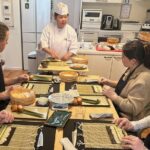
Once inside, expect a small but efficient kitchen. That matters because it shapes how the class feels. You won’t have acres of counter space or “chef station” separation. You’ll move close, communicate, and learn how to work within real kitchen limits—exactly like you would if you lived there for a month.
Also, this is a private activity. Only your group participates. That usually means you can ask more questions, and you don’t lose your attention span while waiting your turn.
Cooking from scratch: how a home lesson stays practical
The class centers on making two to three homestyle dishes, with the menu plan depending on the day and what’s scheduled (it can run up to 2–5 dishes). You’ll start from ingredients and basic prep, then work your way through cooking steps with your host guiding you.
The biggest value here is how the teaching connects food to decisions. You can expect guidance not just on what to do, but why you’re doing it. You’ll hear tips and background linked to the ingredients—things like savory dashi, and how sweetness can show up through something like organic honey. That’s useful if you want to cook back home and not just recreate one perfect dish.
A small kitchen also forces you to learn efficient habits:
- Setting up ingredients before turning up heat
- Managing timing so one dish doesn’t wait forever
- Learning how Japanese side dishes are built to pair with rice and soup
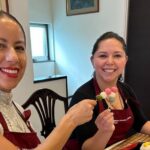
From what’s shared about the host, Satoru’s style leans engaging and patient. People who come with kids or teenagers seem to do well, because he explains things clearly and keeps the mood light. Expect plenty of conversation while you cook, not silence while you chop.
And since the lesson ends with a meal you helped create, you’ll be more focused during the cooking. You’re not doing “practice food.” You’re cooking dinner.
The weekday menu plan: Teishoku sets vs popular favorites
Here’s the key thing to understand: your menu depends on the day, and some days are fixed.
Sat, Sun, Mon, Tue: Teishoku set meal days
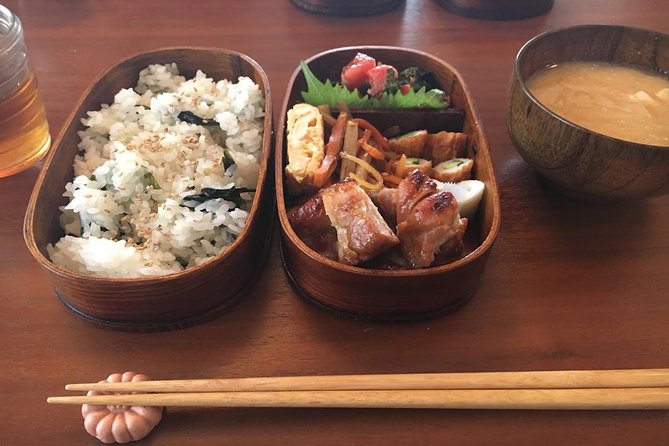
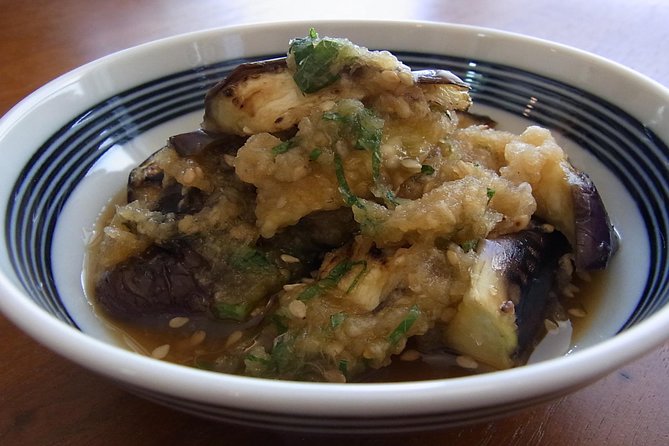
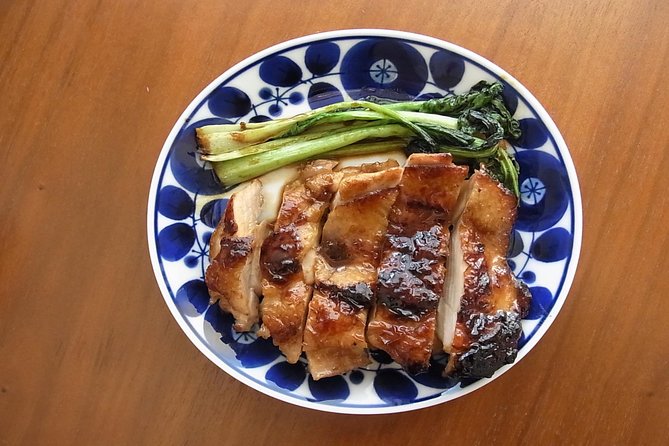
On these days you’ll be cooking Teishoku, which typically includes miso soup, rice, and two side dishes. If you want the most classic, balanced home meal structure, this schedule is a strong pick. Teishoku is basically Japan’s idea of a complete comfort plate—soup, rice, and sides that keep the meal from feeling repetitive.
This also tends to be a great option if you’re traveling on a schedule and want something that feels familiar but still Japanese.


Wed, Thu, Fri: Popular Japanese dishes day
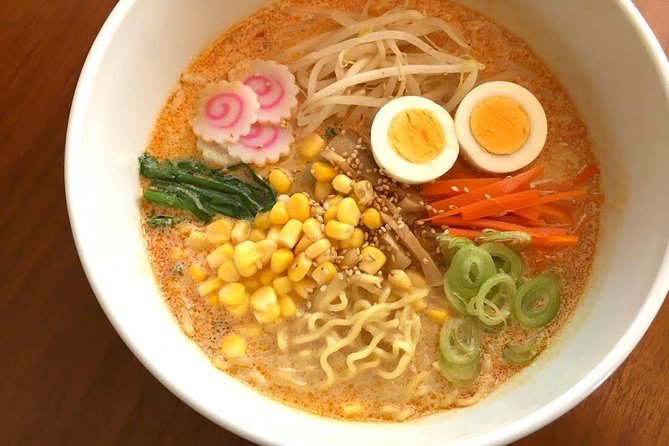
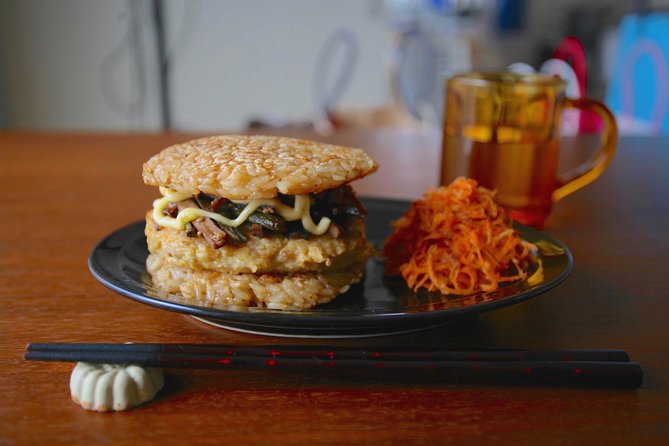
On these weekdays, the plan shifts to popular choices such as:
- Okonomiyaki (Japanese pancake)
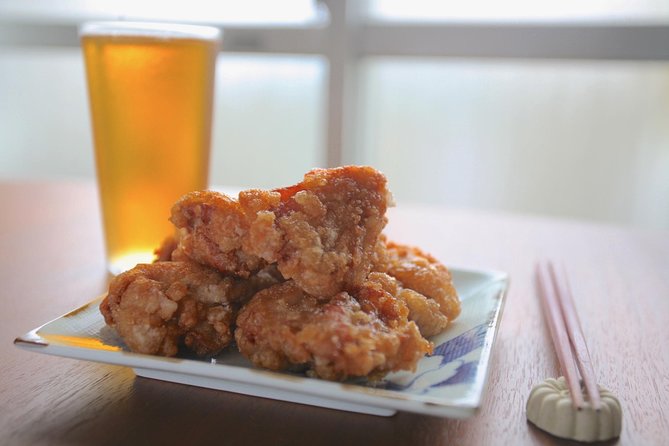
- Karaage (fried chicken)
- Yakisoba (pan-fried noodle)
- Katsu curry rice
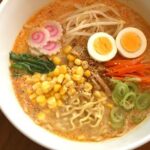
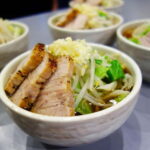
- Ramen
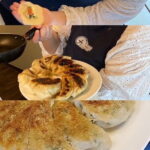
- Gyoza
You’ll still learn hands-on steps, but the style varies more than on Teishoku days. Fried and pan-cooked dishes can feel more exciting, and noodle or curry days bring that comforting “one pot / one pan” energy.
Why you should check the menu before you go
The experience specifically notes that you should check the menu in advance because specific days have specific menus. If you don’t share your preference, the menu of the day will be cooked.
If you have dietary restrictions, or if you want to swap ingredients, you need to communicate with the host one week in advance. If you’re traveling with picky eaters, or you’re aiming for something vegetarian, this is where you’ll save yourself stress.
Dinner with Satoru: conversation, local alcohol, and a take-home gift
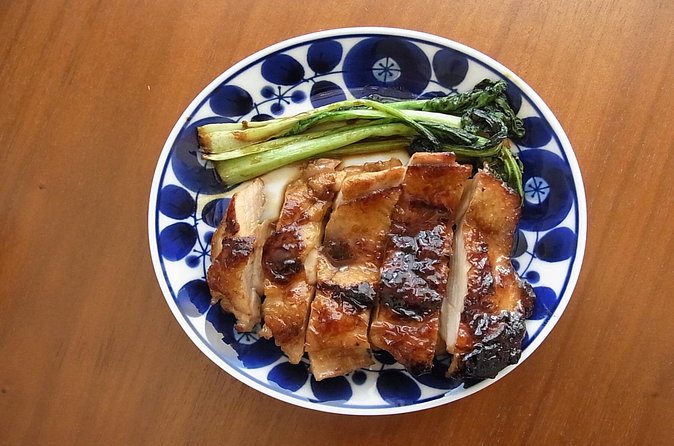
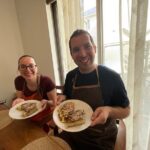
After cooking (about 1.5 hours), you sit down to share the meal over conversation. The class is designed so you don’t rush through the eating part. You get a chance to talk with Satoru while you taste what you made, and that’s where the cultural payoff often happens.
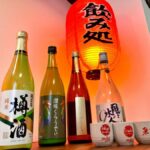
Included with dinner is a drink—listed as 1–2 glasses of local alcohol. If alcohol isn’t your thing, you should let the host know when you book, since dietary or preference details are meant to be advised in advance.
One of the best parts of the format is how it turns food into topics. Japanese ingredient choices come with stories—like why certain stocks are used, what makes a sauce taste “right,” or how sweetness fits with savory dishes. When the host talks through those choices, it stops being random flavor and becomes repeatable logic.
And yes, you also get a gift: a Japanese utensil and ingredient. That’s a smart touch for travelers. It gives you something practical for your next grocery run, not just a “nice memory.”
Price and value: what $130 buys in a private Tokyo setting
At $130 per person for about 2 hours 30 minutes, this isn’t a budget activity. But it’s also not priced like a big-ticket museum or multi-stop tour. You’re paying for four things you don’t easily replicate on your own:
- A private home kitchen experience with Satoru
- Hands-on cooking guidance for the dishes on the day’s menu
- A meal you helped make, plus local alcohol
- A gift of a Japanese utensil and ingredient
If you try to do this yourself, the hardest part isn’t finding Japanese food. It’s finding a safe, welcoming way to cook and talk with someone in their home. That access is the value.
Also, note the booking timing: on average, this gets reserved about 72 days in advance. If your trip dates are firm, plan ahead so you’re not stuck deciding last minute.
For families or pairs who want something more meaningful than a quick dinner reservation, this price starts looking more reasonable fast. You’re not just eating; you’re learning and eating. And you’re doing it in Shinjuku, which means you can fit it into a normal Tokyo itinerary without hauling across town.
Who should book this, and who might not love it
This experience is a great match if you:
- Want authentic everyday Japanese food, not just a tourist tasting menu
- Enjoy cooking and want to learn technique you can repeat
- Like a private setting where questions come easily
- Travel with teenagers or family members who do better with hands-on activities
It may be less ideal if you:
- Want a guaranteed menu that you already know (because it depends on the weekday)
- Need last-minute dietary changes, since restrictions should be communicated one week ahead
- Prefer large-group energy, since this is private and home-paced
If you’re on the fence between a cooking class and a sit-down meal, I’d pick this if you can handle the kitchen time. Cooking first makes the dinner part way more satisfying.
Should you book this Shinjuku home cooking class?
If you want a Tokyo experience that feels like real life—tight kitchen, real cooking, real conversation—then this is a strong yes. The standout is the combination of hands-on teaching with private dining in a local apartment. You’ll leave with skills, not just photos.
Book it especially if you’re open to the weekday menu and you’re willing to plan ahead for dietary needs. If you’re picky about dishes, check the menu before you book and message Satoru with preferences early.
FAQ
What is the duration of the cooking experience?
The class is approximately 2 hours 30 minutes, with about an hour and a half for cooking before you share the meal together.
Where is the meeting point?
You meet Satoru at Shinjuku Station (3-chōme-38-1 Shinjuku, Shinjuku City, Tokyo 160-0022). The activity ends back at the meeting point.
Do I have to choose what we cook?
Yes, you should check the menu in advance. Specific days have specific menus, and if you do not share your preference, the menu of the day will be cooked.
Is there a vegetarian option?
Yes. A vegetarian option is available, and you should advise at the time of booking if you require it.
How do I request dietary restrictions or changes?
You should advise your dietary requirements in the Special Requirements box at booking. For changes or restrictions, you need to inform the host one week in advance, or the menu of the day will be cooked.
What’s included in the price?
Included are the private cooking class with your host Satoru, local alcohol (1–2 glasses), and pick up from JR Shinjuku Station.
Is there free cancellation?
Yes. You can cancel for a full refund up to 24 hours in advance of the experience start time.