REVIEW · FUJIKAWAGUCHIKO MACHI
Sushi Cooking Class at Sushi Factory -KIWAMI- Mt.Fuji
Book on Viator →Operated by Japan food entertainment Ltd · Bookable on Viator
Sushi with a puzzle twist is fun. In the Fujikawaguchiko area at Sushi Factory -KIWAMI-, you learn real sushi skills while solving playful “missions” with Mt. Fuji in the backdrop. I especially liked the hands-on sushi-making you do yourself, and the chance to grate fresh domestic wasabi before you build your pieces.
There’s also a game-like side to the class: pearls, decorative sushi boats, and puzzle challenges are part of the format. One thing to consider is that if you want a strict, purely traditional sushi lesson with minimal entertainment, the “activity” vibe may feel a bit gimmicky rather than educational.
In This Review
- Key Highlights You’ll Actually Care About
- Sushi Factory -KIWAMI-: What This Class Feels Like
- Price and Value: Is $141.84 Worth It?
- Before You Go: Meeting Point and What to Bring
- Step-By-Step: What Happens During the 1.5 Hours
- The Sushi Lineup: Temari, Gunkan Maki, Nigiri, Temaki
- Fresh Domestic Wasabi: Small Skill, Big Difference
- The Puzzle Part: Sushi Pearls and Decorative Sushi Boats
- Lunch and Dinner Included: How to Time Your Day
- Small Group Size: Why Max 15 Matters
- Who This Class Suits Best (and Who Might Not)
- Quick FAQ About Sushi Factory -KIWAMI- Mt.Fuji
- FAQ
- How long is the sushi cooking class?
- What is included in the price?
- Do I need to arrange transportation to the meeting point?
- Where do I meet the group?
- How large is the group?
- What is the cancellation policy?
- Should You Book This Sushi Factory -KIWAMI- Class?
Key Highlights You’ll Actually Care About
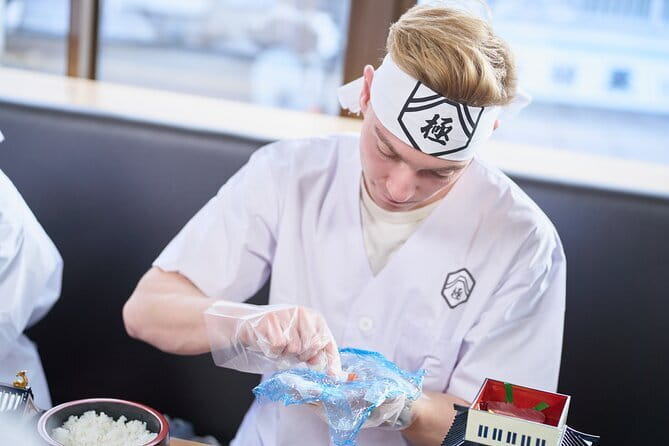
- Temari, Gunkan maki, Nigiri, and Temaki: you practice multiple styles, not just one.
- Fresh domestic wasabi: you grate it yourself, then use it in your sushi.
- Puzzle missions: sushi pearls and decorative sushi boats turn practice into a challenge.
- Small group size: maximum 15 travelers, so you’re not lost in a crowd.
- Meals included: lunch and dinner are part of the ticket price.
Sushi Factory -KIWAMI-: What This Class Feels Like
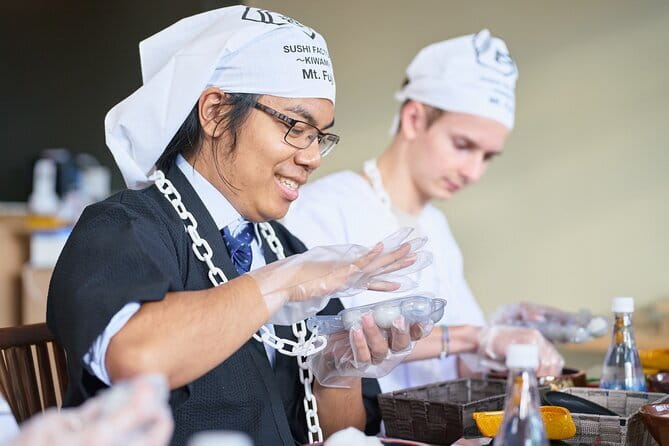
This class is built for people who learn by doing. You don’t just watch someone else roll or shape sushi; you make the items step by step, with an instructor guiding you through the parts that matter: rice handling, shaping, and how toppings and tools come together. That matters because sushi-making is mostly technique. Once your hands learn the basics, everything gets easier fast.
The setting helps, too. You’re in Fujikawaguchiko-machi, and the experience leans hard into the Mt. Fuji connection. Even if the weather shifts, the area is known for views, and you get a look at the local scenery while you work. That sounds like a small detail until you’re standing there with your knife, your wasabi, and a view pulling your attention outward instead of letting you feel trapped in a kitchen corner.
And yes, there’s a puzzle element. It’s not a trivia show. It’s more like structured play that keeps you moving. You’ll be building sushi forms, working through missions, and fixing problems as they come up—like rice sticking when it shouldn’t, or shapes not holding. The best part of that format is it turns a “can I do this?” moment into a “okay, I can solve this” moment.
You can also read our reviews of more tours and experiences in Fujikawaguchiko machi.

Price and Value: Is $141.84 Worth It?
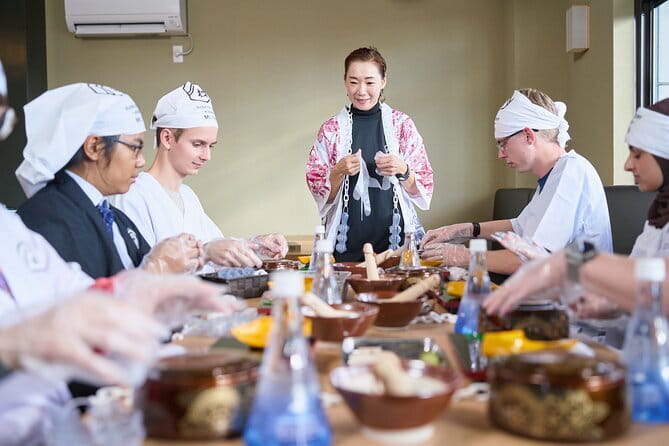
Let’s talk money in plain terms. The listed price is $141.84 per person, and the class runs about 1 hour 30 minutes. That time alone doesn’t sound huge—until you notice what’s included.
Your ticket includes lunch and dinner, plus all fees and taxes. Transportation service isn’t included, so you’ll handle getting there. But if you’re already planning a full day around Fujikawaguchiko, meals can be one of the biggest hidden costs. Here, that cost is rolled into the price.
Another value factor is the group size: up to 15 travelers. A small group usually means less waiting and more hands-on correction. Sushi-making rewards that kind of attention. If you’ve ever tried to learn something technical while the instructor has 30 people to supervise, you know how that goes.
Booking demand is also a clue. On average, this gets booked about 25 days in advance. When a class hits a sweet spot—small group, good setting, structured activity—it tends to fill. If you’re traveling during peak season or on a weekend, booking early is a smart move.
Is it overpriced? One low-star review called it that. But the flip side is: you’re paying for more than ingredients. You’re paying for guided technique, sushi-making materials, structured missions, and two meals. If you price that out separately, the value starts looking more reasonable.
Before You Go: Meeting Point and What to Bring
You’ll start at Ramen Factory Mt.Fuji, address 3487-15 Funatsu, Fujikawaguchiko, Minamitsuru District, Yamanashi 401-0301, Japan. The activity ends back at the same meeting point. That loop matters because you’re not left figuring out where to go after your hands are covered in sticky rice.
The tour gives you a mobile ticket, and it’s near public transportation. That’s good if you don’t want the hassle of private transfers. Still, plan to arrive a few minutes early so you can check in calmly and get oriented.
What should you bring? The basic answer is: comfortable clothes and an appetite. You’ll be handling tools and ingredients, including grated wasabi, so choose something you won’t mind getting a tiny bit messy. If you have allergies or strong dietary restrictions, the provided info doesn’t spell out how they handle special needs—so it’s worth checking at booking.
Step-By-Step: What Happens During the 1.5 Hours
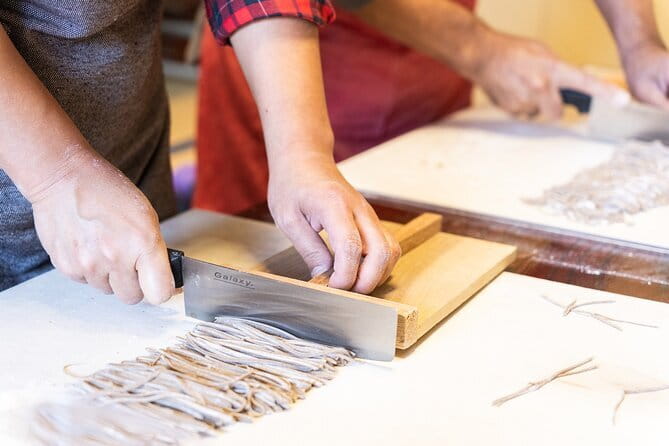
The class is designed like a progression. You start with core sushi skills, then move into more creative challenges.
Expect a guided flow that includes:
- learning and forming different traditional sushi types
- completing playful sushi missions as you go
- using tools for tasks like grating wasabi
- finishing with your own set of pieces you made during the session
One review specifically mentions making eight pieces of sushi, which gives you a reality check: you’re not only tasting or assembling one tiny sample. You should expect a meaningful amount of food you actively shaped yourself.
What makes the flow work is that the missions aren’t random. They’re tied to techniques. For example, shaping requires grip, pressure, and timing. When you then have a “mission” tied to that shaping, the skill sticks better because you remember solving a specific problem.
The Sushi Lineup: Temari, Gunkan Maki, Nigiri, Temaki
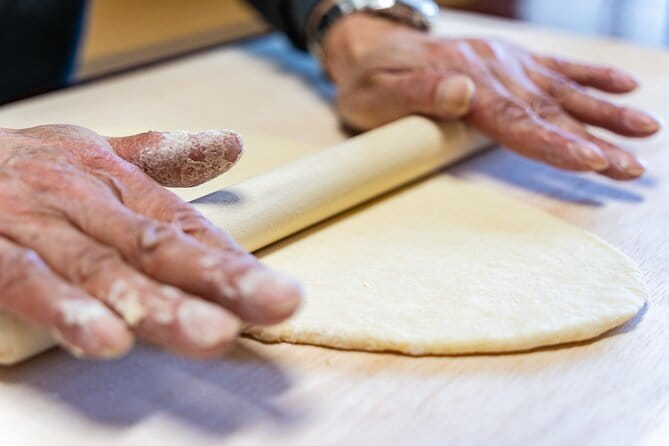
You’ll learn several styles, which is great for two reasons: variety and skill transfer.
Here’s what you can expect from the sushi styles listed for the class:
- Temari: a shaped sushi style, often associated with neat forming and compact structure.
- Gunkan maki: a style known for holding toppings in a distinctive way, so getting the base shape right is key.
- Nigiri: the classic hand-pressed piece, where balance and placement matter.
- Temaki: a hand-rolled cone shape, where your wrapping technique makes or breaks the final look.
The practical value of learning multiple styles is that each one forces a slightly different hand motion. Even if you only end up loving one of the styles after class, the others make you better at sushi-making overall. This is one reason I like this class format: you’re not stuck with one technique the whole time.
Also, learning styles helps you order better when you eat sushi later. You’ll start noticing why some pieces hold toppings better, or how the rice texture affects the overall bite.
Fresh Domestic Wasabi: Small Skill, Big Difference
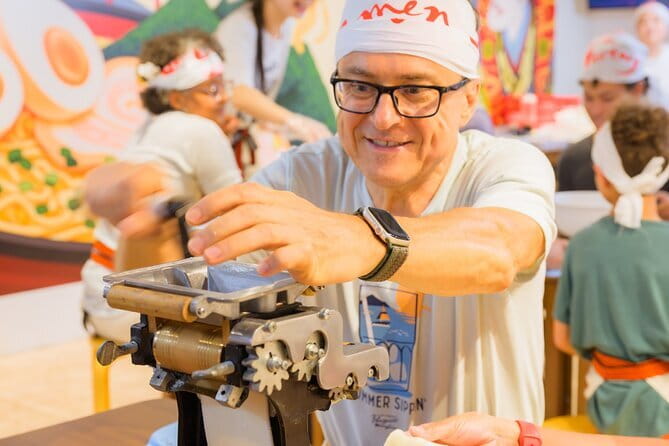
Wasabi is one of those ingredients people talk about, but many visitors only experience it as paste. In this class, you get the chance to grate fresh domestic wasabi. That changes the experience instantly—fresh wasabi has a different aroma and bite compared to pre-made paste.
Why does that matter for you? Because it’s a skill you can repeat at home in a limited way (even if you can’t always source the same wasabi), and it also makes your sushi taste more intentional. When you handle the ingredient yourself, you understand how much you need and where it works best.
Even if you’re not a big spice person, don’t assume it will overwhelm you. Fresh wasabi is usually strong, but because you’re using it as part of the sushi assembly process, you’ll learn the right amount for balance.
The Puzzle Part: Sushi Pearls and Decorative Sushi Boats
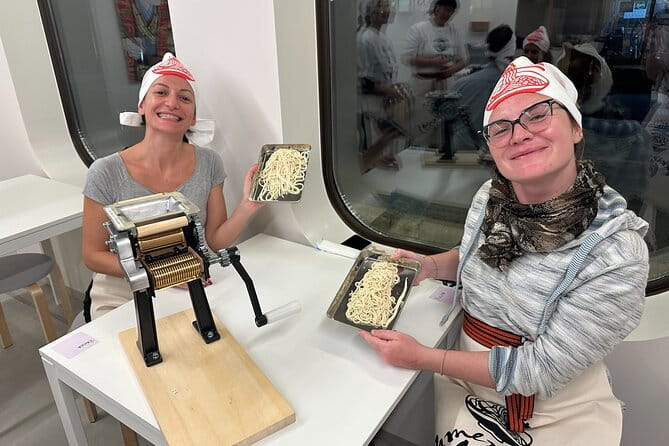
This class adds challenges that go beyond rolling and shaping. The activity includes puzzles and unique tasks like crafting sushi pearls and building decorative sushi boats.
Here’s the takeaway for your planning: this is not only a cooking class. It’s a problem-solving experience using food as the format. If you like hands-on challenges, you’ll likely enjoy the way the missions keep you engaged. If you prefer a quiet, traditional vibe, you may find the playfulness less like learning and more like entertainment.
Still, the best “gimmick” is the kind that teaches. When you’re asked to create a decorative shape, you’re practicing accuracy. When you’re asked to complete a pearl-style task, you’re practicing consistency. Those are real sushi skills wearing a fun costume.
And that’s probably why the overall rating is so high: 96% recommended the class and it holds a 4.9 rating from 23 reviews. The format seems to click for most people who want both food and fun.
Lunch and Dinner Included: How to Time Your Day
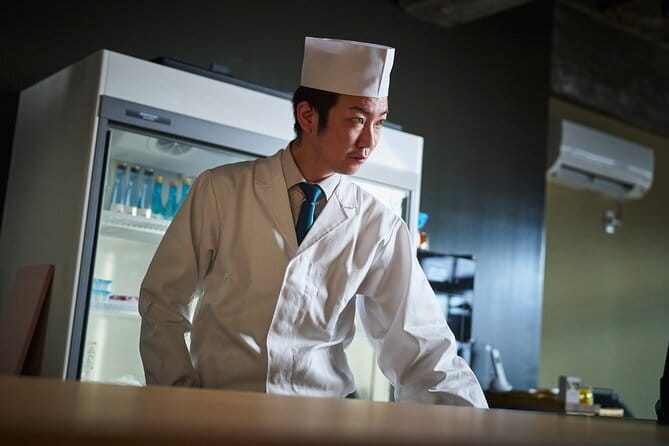
Your ticket includes lunch and dinner. That’s a big deal in a one-and-a-half-hour activity. It means you’re not going to leave hungry and scramble for food nearby, which saves time in a place where meal lines and transport can eat hours.
Since the exact meal menus aren’t listed in the provided info, I can’t promise what you’ll eat. But I can tell you how to plan around it: treat this class as a meal anchor. Keep your morning light so you don’t arrive already stuffed, and plan to enjoy dinner as part of the overall experience rather than rushing out right after.
Also, since the activity ends back at the meeting point, you’ll have a convenient base to head toward your next plan in Fujikawaguchiko.
Small Group Size: Why Max 15 Matters
Maximum group size is 15 travelers. That’s comfortably small. In practice, it often means:
- more instructor feedback while you shape
- less time standing around
- a calmer pace so you can focus on the rice and toppings
Sushi is technical enough that waiting too long can turn learning into frustration. Small groups help you keep momentum, and that’s when the puzzle missions feel like play instead of pressure.
Who This Class Suits Best (and Who Might Not)
This experience is a strong fit if you want:
- hands-on cooking (not just a demonstration)
- multiple sushi styles in one session
- the chance to work with fresh wasabi
- a fun structure that keeps things moving
It’s also a good option for couples or special occasions if you like shared activities. One review mentioned doing it for a wedding anniversary and described it as memorable, partly because you made multiple pieces yourself.
Who might hesitate? If your main goal is a quiet, purely traditional class with minimal entertainment, the puzzle-and-decor angle may not match your expectations. In that case, you might feel the format is more about the game than culture, even if the sushi technique is real.
My advice: decide what you want from the ticket. If you want cooking plus a structured challenge and meals included, this class is a solid candidate.
Quick FAQ About Sushi Factory -KIWAMI- Mt.Fuji
FAQ
How long is the sushi cooking class?
The experience runs for about 1 hour 30 minutes.
What is included in the price?
Lunch and dinner are included, along with all fees and taxes.
Do I need to arrange transportation to the meeting point?
Yes. Transportation service is not included. The meeting point is near public transportation, though.
Where do I meet the group?
You meet at Ramen Factory Mt.Fuji, 3487-15 Funatsu, Fujikawaguchiko, Minamitsuru District, Yamanashi 401-0301, Japan.
How large is the group?
The class has a maximum of 15 travelers.
What is the cancellation policy?
You can cancel for a full refund if you cancel at least 24 hours before the experience’s start time.
Should You Book This Sushi Factory -KIWAMI- Class?
I’d book it if you want a guided, hands-on sushi lesson with variety—Temari, Gunkan maki, Nigiri, and Temaki—and you’re excited about doing the extra tasks like grating fresh wasabi and completing sushi puzzles. The meals included (lunch and dinner) make the price easier to justify, especially when you’re already spending a day in Fujikawaguchiko.
Skip it—or at least read the vibe carefully—if you’re chasing a strictly traditional, no-games classroom style. One low rating specifically pointed out that the format can feel more like a gimmick than a cultural deep study.
If you’re a doer, you’ll probably leave happy: you’ll have real sushi skills, you’ll have made multiple pieces with your own hands, and you’ll get to turn your Mt. Fuji day into something you can taste later.