REVIEW · MYKONOS TOWN
Mykonos: Hands-On Cooking Class with a Professional Chef
Book on GetYourGuide →Operated by Mykonos Cooking Classes- Hands On · Bookable on GetYourGuide
Mykonos smells like garlic and comfort food. In this hands-on session, Chef Nikos shows you how to make tzatziki and pies, plus the gyro pieces you need to recreate the magic at home.
I love the small group pace (max 8), and I like that you’re cooking from start to finish, not just watching. You’ll also get the recipes, so the class keeps going once you’re back in your kitchen.
One consideration: this is about cooking, not sightseeing. And it may not be the right fit if you have food allergies, or if you’re bringing kids under 12.
In This Review
- Key Highlights You’ll Care About
- Greek Cooking You Can Repeat at Home (Not Just Eat Once)
- Meet Chef Nikos and Set Yourself Up for Success
- The Appetizer Stage: Tzatziki and Cheese Pies as Real Skill Builders
- Dolmades and Spinach Pies: Rolling and Baking Without Guesswork
- Gyros Meat and Fresh Pita-Bread: The Iconic Sandwich Explained
- Eating Together: Refreshments, Stories, and Leaving Full
- Price and Value on Mykonos: Is $140 Worth It?
- Who Should Book This (and Who Might Skip It)
- Should You Book This Mykonos Cooking Class?
- FAQ
- Where is this cooking class located?
- How much does the class cost?
- How long is the experience?
- Is the class a small group?
- What language is the instructor?
- What dishes will I learn to make?
- What’s included in the price?
- Are alcoholic beverages included?
- What should I bring, and what should I wear?
- Can the class accommodate dietary restrictions?
- Is there a cancellation policy?
Key Highlights You’ll Care About
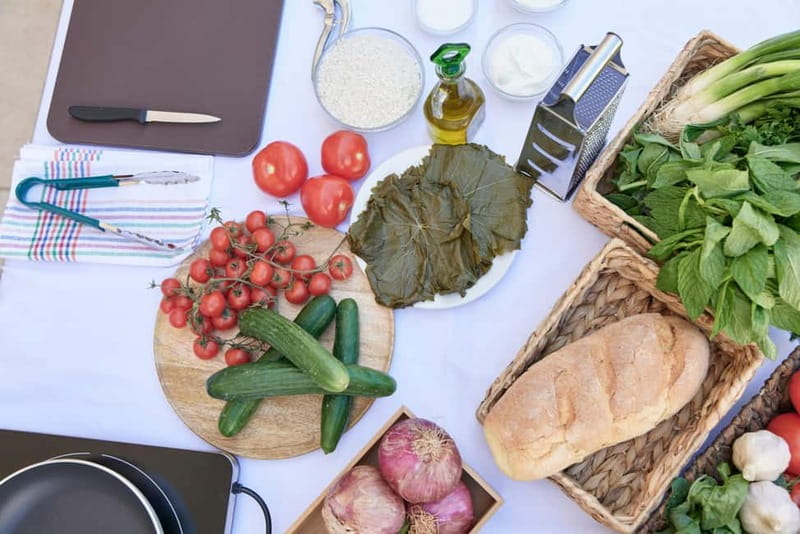
- Chef Nikos keeps it hands-on and friendly, with clear, step-by-step instruction
- A real variety of Greek classics: tzatziki, cheese pies, spinach pies, dolmades, and more
- Gyros meat + fresh pita-bread mean you learn the core technique, not just assembly
- Small group (up to 8) helps you get time, attention, and enough workspace
- A lively shaded patio-style setting makes the experience feel relaxed, not rushed
- You leave with recipes for every dish (plus you’ll often have plenty of food to take home)
Greek Cooking You Can Repeat at Home (Not Just Eat Once)
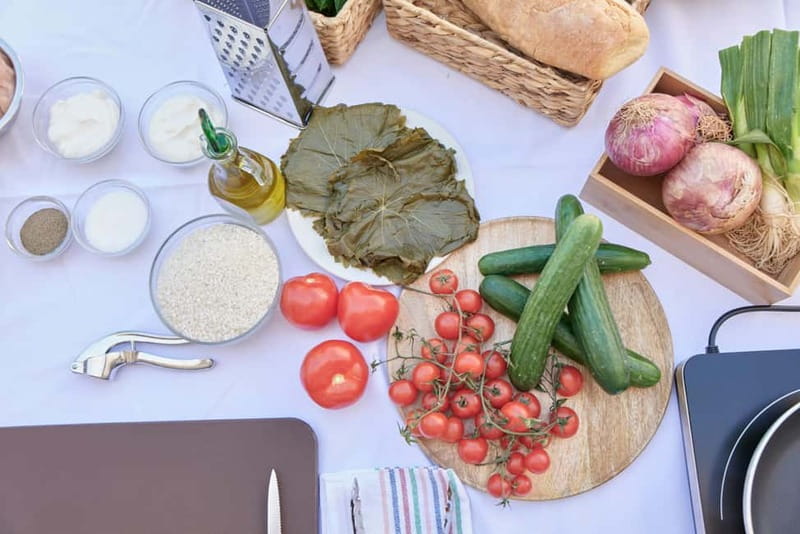
This class in Mykonos is built for the practical goal: learn how to make the flavors you came for. You’re not just tasting Greek food; you’re learning the techniques behind it—mixing, rolling, shaping, baking, and finishing with the right balance of aromas and texture.
The menu covers the kind of dishes that show up everywhere in Greece because they’re dependable, flexible, and crowd-pleasing. You start with classics like tzatziki and cheese pies, then move into spinach pies and dolmades. The big payoff is learning the parts of gyros and baking your own pita-bread, so you can build the sandwich later without guessing.
The pacing is also a big deal. With the group capped at 8, the class doesn’t feel like a conveyor belt. You get enough attention to correct small mistakes early—those tiny changes that make the difference between okay food and “wow, that’s Greek.”
Meet Chef Nikos and Set Yourself Up for Success
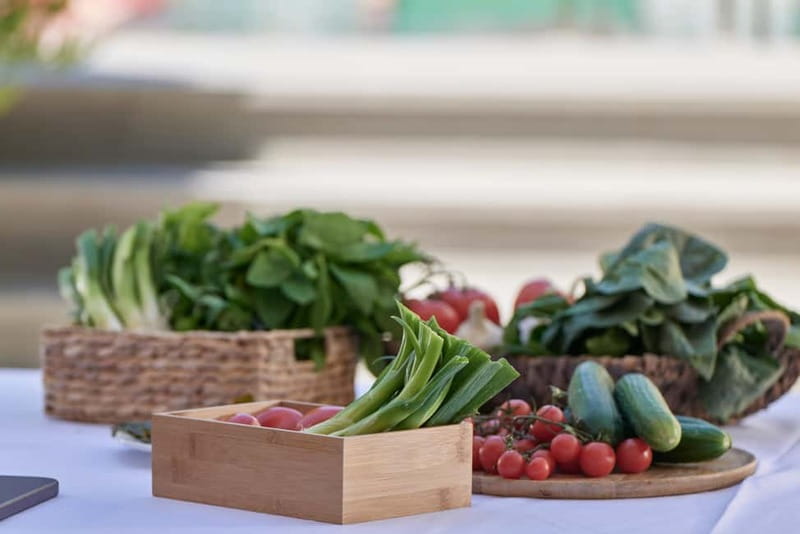
Chef Nikos is the kind of instructor you want when you’re not a professional in the kitchen. The experience is interactive and practical, and the explanations are geared toward real home cooking—simple enough for a first-timer, but detailed enough that people with some cooking experience still learn something.
Before you start cooking, you’ll get a walkthrough of what you’ll make and how the flow works. Then you go into hands-on prep. This matters because Greek cooking is all about feel: how thick a sauce should be, how tightly to roll something, how to manage heat when baking.
Two small things help you get more out of the class:
- Wear comfortable shoes and clothing you can move in, because you’ll stand and work.
- Arrive about 15 minutes early so you can get settled and start cooking without stress.
If you’re the type who likes to take notes, bring your camera for reference. You’ll likely want to remember textures and finishing touches, not just the names of the dishes.
The Appetizer Stage: Tzatziki and Cheese Pies as Real Skill Builders
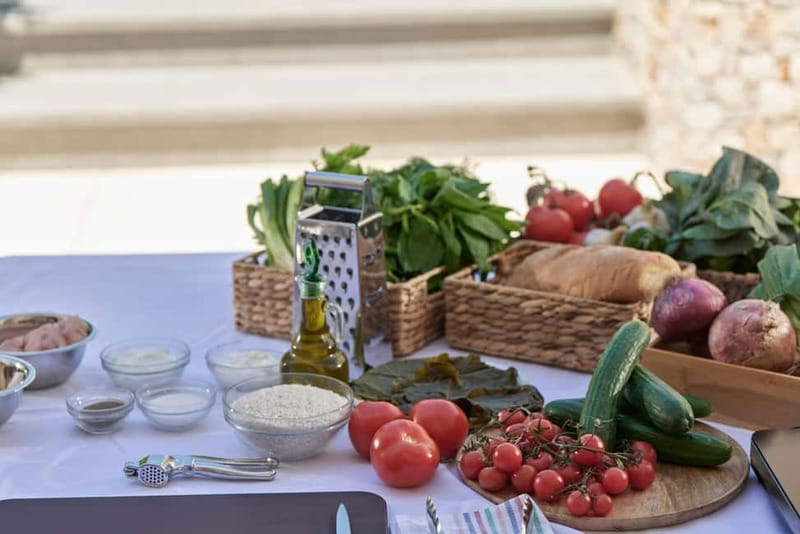
The early part of the class sets you up with flavor foundations and confidence. Tzatziki isn’t hard once you know the rules, and this is where you learn them. You’ll work with the classic components—creamy base, tang, and that cooling finish—and you’ll pick up the kinds of adjustments that keep the sauce from going watery or bland.
Cheese pies (often the gateway dish for people who think pie is intimidating) are where technique shows up fast. You’ll learn how the dough and filling behave together, how to handle portions, and what “done” looks like when baked—color, firmness, and that slightly crisp exterior.
This stage is popular for a reason: it gives you quick wins. You make something recognizable, you understand why it tastes right, and you build a base that will make everything else easier.
What you should watch for while you cook
- Don’t rush mixing steps. Small changes in thickness matter.
- Keep an eye on baking progress; pies can go from perfect to too dark faster than you expect.
And yes, you’ll get to eat what you make as part of the experience. That turns the whole class into a feedback loop: you cook, you taste, and you learn in real time.
Dolmades and Spinach Pies: Rolling and Baking Without Guesswork
Once the basics are in place, the class moves into the dishes that feel more “Greek” on sight and in flavor. Dolmades are the classic example. They look fancy, but the method is repeatable once you understand the rolling logic: size, tightness, and how you stage the filling so it cooks evenly.
Spinach pies add a different kind of lesson. You’re working with a filling that needs balance—savory, not heavy; seasoned, but not harsh. The baking portion also teaches you something useful for home kitchens: how to judge when pastry is set and cooked through, not just browned on top.
This part of the class tends to feel the most rewarding because it turns practice into muscle memory. If you’re coming in as a total beginner, this is where you realize you can actually make impressive food without a lifetime of practice.
Practical takeaway you’ll likely use later
You’ll probably walk away thinking more about texture than recipes. Greek dishes are often about thickness, moisture control, and how ingredients interact once heat starts working.
Gyros Meat and Fresh Pita-Bread: The Iconic Sandwich Explained
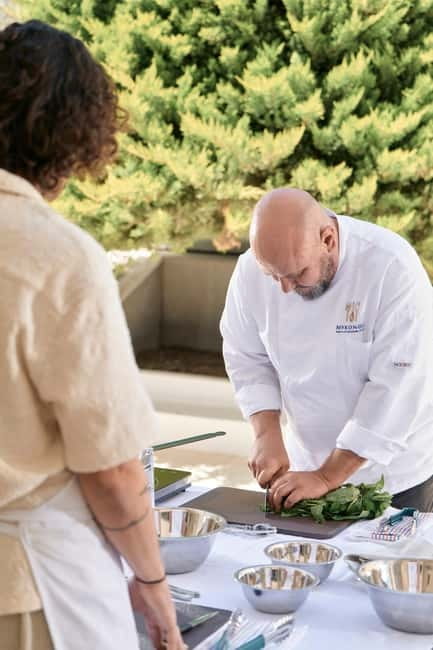
The standout segment is the one many people care about most: gyros. Here, you don’t just assemble a sandwich. You learn the pieces—especially the gyros meat preparation and the method for baking your own pita-bread.
This is valuable for two reasons. First, it demystifies the flavor. Gyros tastes like itself because of seasoning choices and cooking approach, not just because it’s served in a certain way. Second, pita-bread changes how a sandwich eats. The texture and flexibility of the bread affect everything: how it holds fillings, how it reheats, and how it carries sauce.
You’ll also get a clearer sense of how Greek street-style food translates to a home kitchen. You can’t replicate every commercial trick, but you can reproduce the core idea. That’s what makes this class worth it if you want results, not souvenirs.
Small tip mindset from the class
Pay attention to how Chef Nikos explains timing and heat control. Gyros and baking are unforgiving in the best way: if you understand the “why,” you’ll do better next time without needing exact measurements every step.
Eating Together: Refreshments, Stories, and Leaving Full
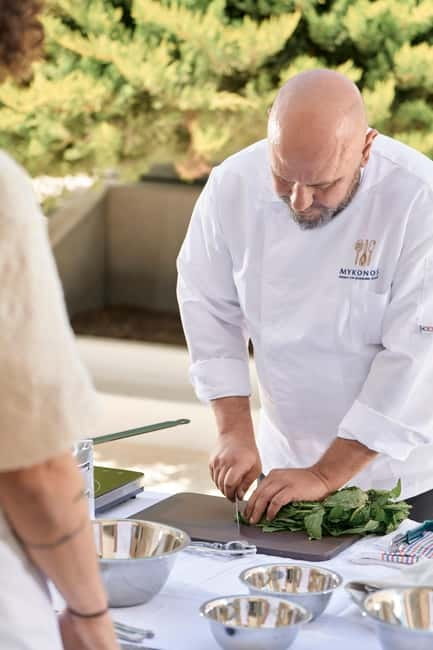
Cooking classes can sometimes end with a sad little bite. This one is built like a meal. After you work through the dishes, you sit down and enjoy what you made.
You’ll get water and refreshments. Some classes also include wine during the meal, but alcoholic beverages aren’t listed as included with the booking information—so if alcohol matters to you, confirm ahead of time.
The setting adds to the comfort. One of the nicest details from the experience is that it can feel like a lively, shaded patio setup. That matters in Mykonos, where it’s easy to feel like you’re spending your whole trip dodging heat and crowds.
The class also leans into stories and Greek hospitality. It’s not just a checklist of steps. Chef Nikos shares context about the dishes—why certain flavors are paired, what makes a dish feel balanced, and how Greek meals often work as shared comfort.
And the best surprise for many people: you often end up with enough food to take home. That’s not just convenient; it helps you stretch the learning. You can try reheating at home, then compare how close you got to the taste and texture you experienced in class.
Price and Value on Mykonos: Is $140 Worth It?
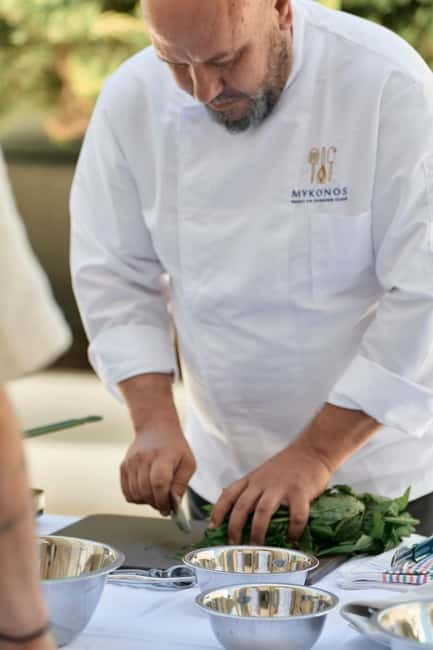
At $140 per person for 3 hours, the value comes from what’s included and what you actually gain: skills plus ingredients plus recipes.
Here’s the practical breakdown:
- A professional chef instructor teaches the method, not just a demo.
- All ingredients and equipment are provided, so you’re not shopping for odd pantry items at Mykonos prices.
- You get recipes for everything you prepare, which makes this more than a one-off dinner.
- Water and refreshments are included.
- The group is limited to 8, which is a big value multiplier for attention and hands-on time.
If you’re the type who enjoys learning and repeating meals at home, the price starts to make sense fast. You’re buying a short course in Greek cooking, with a real meal built in. If you only want to taste without caring about technique, you might decide it’s not your best match.
But if you want to come back to your rental and make tzatziki, pies, and gyros again—this is the kind of class that pays off.
Who Should Book This (and Who Might Skip It)
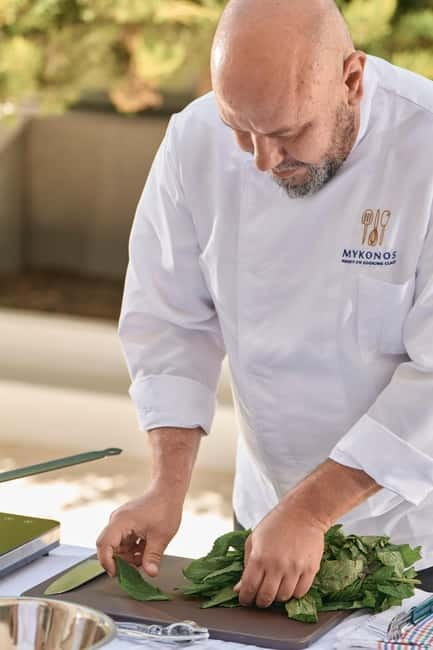
This class is a great fit for:
- Food lovers who want hands-on instruction, not just tasting
- First-time cooking students, because the flow is built for learning
- Couples or small friend groups who want a relaxed, interactive experience
- People who like structured steps but still want time to work with their hands
It’s less ideal if:
- You’re traveling with kids under 12, since it’s not suitable
- You have food allergies, because the experience isn’t set up for them
- You’re hoping for more of a sightseeing day—this is kitchen time first
Dietary restrictions can be tricky in any class. The right move here is to notify them in advance so Chef Nikos can guide you appropriately. That said, the activity does note limits for people with food allergies, so plan accordingly.
Should You Book This Mykonos Cooking Class?
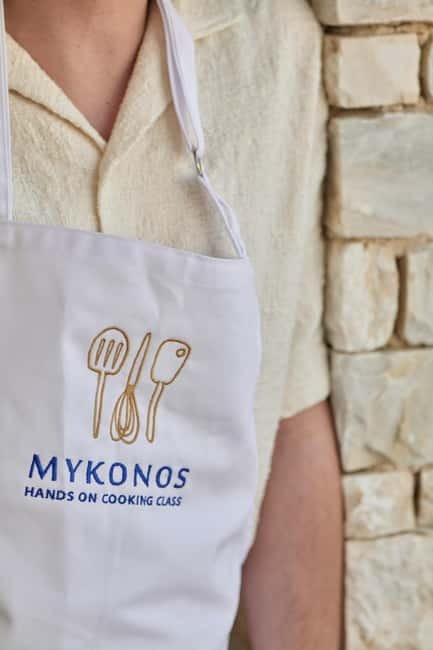
If you want a Mykonos experience that turns into something you can repeat at home, I think this one deserves your attention. The combination of hands-on instruction, a small group size, and a menu that hits the Greek comfort-food targets makes it a strong value.
Book it if you enjoy learning by doing and you want more than a meal. Skip it if your main goal is a casual food stop with zero kitchen work, or if you need an allergy-friendly setup.
FAQ
Where is this cooking class located?
It’s in Mykonos, in Greece (South Aegean).
How much does the class cost?
The price is $140 per person.
How long is the experience?
The class lasts 3 hours.
Is the class a small group?
Yes. It’s limited to 8 participants.
What language is the instructor?
The instructor speaks English.
What dishes will I learn to make?
You’ll make classic Greek dishes such as tzatziki, cheese pies, spinach pies, dolmades, and you’ll also learn about gyros preparation and baking pita-bread.
What’s included in the price?
Included: a professional chef instructor, all ingredients and equipment, recipes for the dishes prepared in class, and water and refreshments.
Are alcoholic beverages included?
No. Alcoholic beverages are not included.
What should I bring, and what should I wear?
Bring a camera and wear comfortable clothes and shoes suitable for cooking.
Can the class accommodate dietary restrictions?
You should notify them in advance if you have dietary restrictions or allergies. However, the activity notes it is not suitable for people with food allergies.
Is there a cancellation policy?
Yes. You can cancel up to 24 hours in advance for a full refund.