REVIEW · UBUD
#1 Paon Bali Cooking Class with Shuttle Ubud Only
Book on Viator →Operated by Bali Tour Organizer · Bookable on Viator
Balinese food hits different when you shop first. This Ubud class sends you to a traditional market in the morning, then back to cook and taste classic dishes with a teacher and assistant guiding every step. You also get the sanity-saving part of logistics: pickup from Ubud (Ubud Center only) so you’re not hunting rides mid-morning.
Two things I really like: you get both the shopping lesson and the cooking practice, and the format is set up so you don’t feel lost in a big crowd. They keep the group size to a maximum of 24, and the vibe in the room is social without turning into a lecture you can’t follow. One possible drawback: this experience is weather-dependent, so you’ll want to keep your plans flexible.
In This Review
- Key Highlights You’ll Actually Feel During the Class
- Why the Market Tour in Ubud Changes Everything
- What makes this market lesson useful for you?
- What You’ll Cook (And Why These Dishes Are a Smart Choice)
- The banana leaf detail is more than a gimmick
- Coconut curry teaches you the flavor engine
- How the Class Stays Hands-On (Not Just Watch and Copy)
- Your Step-by-Step Morning Flow (What to Expect in Real Time)
- Small practical note for you
- Pickup in Ubud Center: The Comfort Factor
- Price and Value: Is $39 Actually Reasonable Here?
- Who This Cooking Class Fits Best
- Weather and Timing: The One Thing to Respect
- Should You Book Paon Bali Cooking Class?
- FAQ
- What dishes are included in the cooking class?
- Is there a vegetarian option?
- How long is the experience?
- Does the tour include pickup?
- Where does the experience start and end?
- Do I need to bring cooking ingredients or cookware?
- What’s the group size limit?
- What happens if the weather is bad?
- What’s the cancellation policy?
Key Highlights You’ll Actually Feel During the Class
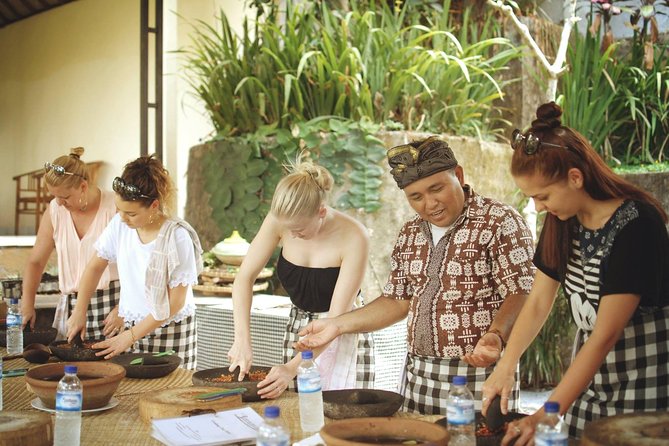
- Morning market tour focused on what to buy, what to skip, and why
- Hands-on cooking with specific Balinese dishes you’ll make and then eat
- Ubud Center pickup included, which saves time and hassle in traffic
- Vegetarian or non-vegetarian options available so most diets feel covered
- Small-group feel with a max of 24 so you can get help while you cook
- Tasting time with a friendly social mood, including the chance to chat with others during the class
Why the Market Tour in Ubud Changes Everything
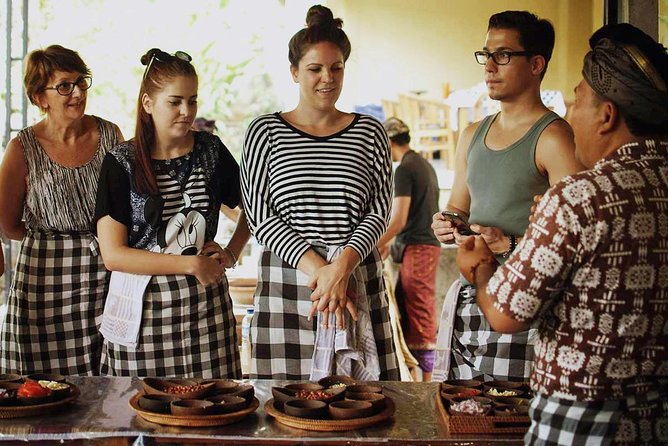
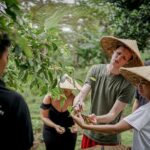
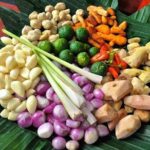
Most cooking classes start with an apron and a cutting board. This one starts one step earlier: you go out to a Ubud traditional art market in the morning. That matters because Balinese cooking is tied to ingredients, not just recipes. When you see what’s available and how vendors group foods, you start understanding flavor choices in a practical way.
You’ll learn what makes Balinese tastes different, and you’ll get context for how locals think about food daily. The market portion isn’t just a photo stop. It’s the part where the teacher explains local produce, and how to select what you want versus what you don’t.
Also, the class is paced for regular people. You don’t need knife skills from cooking shows. The goal is that you leave with a better sense of how Balinese meals come together—starting with the market basics.
You can also read our reviews of more tours and experiences in Ubud.
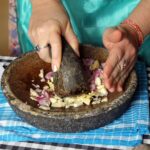
What makes this market lesson useful for you?
- You’ll learn ingredient selection habits you can actually use later.
- You’ll understand how meat and fish choices affect the final dishes.
- You’ll pick up on the cultural side of bargaining—useful even if you never cook again.
What You’ll Cook (And Why These Dishes Are a Smart Choice)
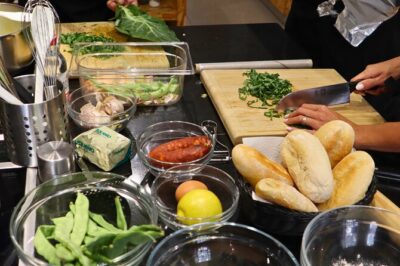
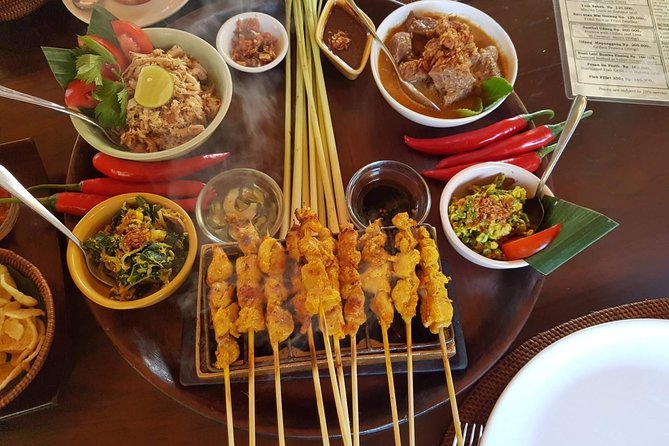
The menu is centered on recognizable Balinese classics, and that’s a good sign for value. You’re not just making one dish to say you cooked. You’ll work through multiple items and taste them at the end.
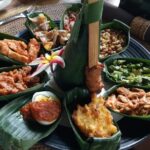
From the information provided, you can expect to cook and taste things like:
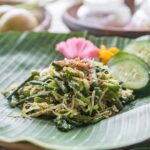
- Chicken in coconut curry
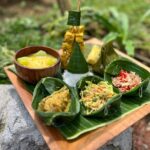
- Balinese steamed fish in banana leaf
- Boiled banana in palm sugar syrup
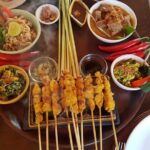
- Plus other local dishes included in the class flow
Even if you’re not a big “food course” person, this selection is balanced. You get savory meals (coconut curry and banana-leaf fish) plus something sweet (palm sugar banana). That mix helps you understand how Balinese flavor often blends aromatic, savory, and sweet notes instead of treating dessert as an afterthought.
The banana leaf detail is more than a gimmick
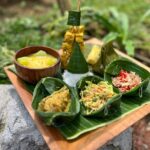
When fish is steamed in banana leaf, you’re not just changing the plating. The banana leaf helps with fragrance and steam cooking, so the dish tastes different than fish cooked in a typical pan. It’s a technique you’ll remember because it’s distinctive.
Coconut curry teaches you the flavor engine
Coconut curry shows you how Bali uses richness and spice together. If you’ve ever had curry that tasted one-dimensional, coconut-based cooking is often the missing piece. You’ll get a hands-on feel for how the ingredients behave, not just the final result.
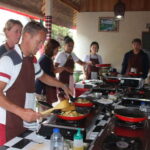
How the Class Stays Hands-On (Not Just Watch and Copy)
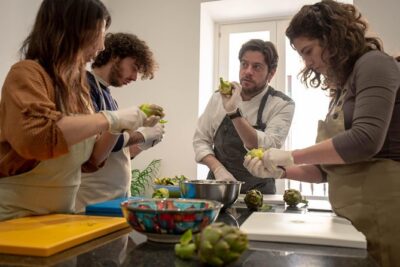
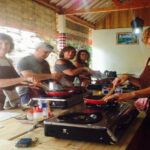
This is designed so everybody gets individual attention. That’s a key difference between classes that feel like a performance and classes where you can actually cook.
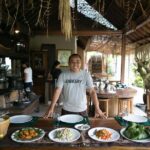
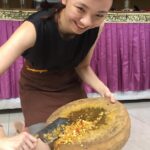
With a maximum of 24 people, you’re still in a group setting, but it’s not so huge that you’re waiting for someone to notice you need help. The teacher and assistant support the process while you’re working. That’s what makes a big difference if you’re a cautious cook, or if you’re traveling solo and don’t want to feel awkward asking questions.
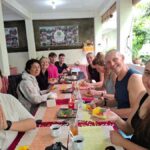
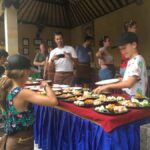
There’s also a social rhythm to it. One review highlights a relaxed vibe where you can even enjoy a Bintang and chat during the class. The takeaway for you: you can expect a friendly atmosphere, not stiff formality.
Your Step-by-Step Morning Flow (What to Expect in Real Time)
You’re looking at about 3 hours 30 minutes total for the experience. It’s a morning class, and the included market time is morning only.
Here’s how the day’s “shape” usually feels:
1) Meet and head to the market area
You start at the designated meeting point: Ubud Central Parking, Jl. Suweta No.18, Ubud. If you’re using pickup, it’s for Ubud Center only (other areas usually cost extra).
2) Market tour: ingredient scouting and food logic
The teacher explains Balinese tastes and customs, and you’ll learn how to identify ingredients before you cook. You’ll get guidance on local meat, fish, and produce, plus practical buying habits—what to select and what to reject. There’s also a bargaining component, because in real life that’s part of how food is sourced.
3) Back to cooking: make, then taste
After the market, you’ll move into cooking mode and prepare the dishes included in the class. You’ll cook and then eat what you make at the end, which is the point. This is not a “watch food prep and get a tiny sample” situation.
4) Return to the meeting point
The activity ends back at the meeting point, so you’re not left figuring out your next ride after lunch begins.
Small practical note for you
Bring your appetite. You’re doing shopping, cooking, and tasting in one session, so you’ll want your schedule clear right after. If you’re going to eat again immediately after, plan for it.
Pickup in Ubud Center: The Comfort Factor
For many Bali activities, the hardest part is not the activity. It’s the getting-there part.
This one includes hotel transfer for Ubud Center only. If you’re staying outside Ubud Center, there can be an extra fee noted as USD 35 per car, paid in cash on the day. That’s the kind of detail that can surprise you if you assume pickup equals everywhere.
So here’s how to make it easy for yourself: if you’re in Ubud Center, confirm that your exact pickup address qualifies. If you’re staying in areas outside the center, plan for that extra car cost.
The upside is real: Ubud traffic can waste a morning. When pickup is included, you trade that stress for time on the clock.
Price and Value: Is $39 Actually Reasonable Here?
At $39 per person, this class feels like solid value because it includes multiple core pieces, not just cooking.
You’re paying for:
- Pickup (for Ubud Center)
- A morning market tour
- Cooking ware and cooking ingredients
- A guided class with teacher and assistant
- Vegetarian or non-vegetarian options
- Meals you cook and taste
The best value signal is that you’re getting an experience with two learning environments: the market and the cooking station. Many cooking classes only do the cooking. Here, you’re also getting ingredient selection lessons that make the whole experience more useful than a one-time meal.
Also, this is popular enough that it’s booked about 10 days in advance on average, so if you’re traveling in peak seasons, it’s smart to lock in early.
Who This Cooking Class Fits Best
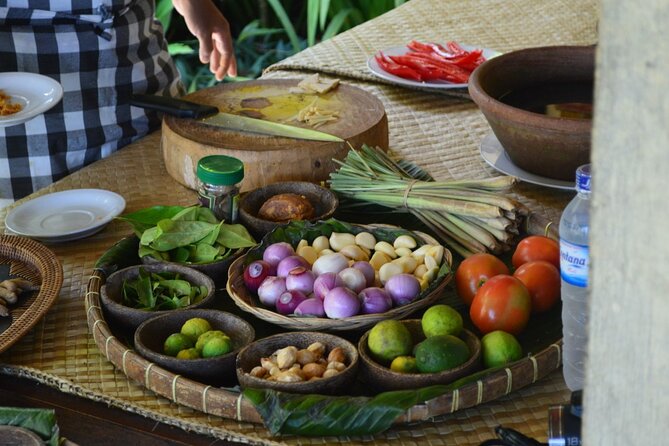
This experience is a good match if you want Bali through food, but you also like structure. It works well for couples, small groups, and solo travelers who want a guided plan and a social atmosphere.
It’s especially worth it if:
- You’d rather learn skills than just take photos
- You like hands-on activities
- You want something to do in the morning with a clear return time
- You want an option that can fit vegetarian or non-vegetarian preferences
If you hate markets, you may not love the first part. But if you’re curious about ingredient buying and local food habits, the market piece is the best part of the whole lesson chain.
Weather and Timing: The One Thing to Respect
This experience requires good weather. If it’s canceled due to poor weather, you’ll be offered a different date or a full refund.
Plan like a grown-up about timing: if your trip is tight and you’ll struggle to reschedule, it’s worth thinking ahead. Still, the fact that they offer options if weather disrupts things is reassuring.
As for the schedule, you’re committing to about 3.5 hours in the morning. That’s a good block for travelers who want to do one “real” activity before the rest of the day opens up.
Should You Book Paon Bali Cooking Class?
I’d book it if you want a practical way to understand Balinese food without guessing. The combination of a morning market tour plus hands-on cooking and tasting is exactly the kind of “learn something, eat something, go home happier” plan that makes travel feel worthwhile.
Book it if:
- You’re staying in or near Ubud Center and want pickup included
- You want to cook classic dishes like coconut curry and banana-leaf steamed fish
- You like classes where you actually get help while you work
Skip or reconsider if:
- You can’t move around if weather changes
- You’re looking for a pure sightseeing day instead of a skill-based food experience
FAQ
What dishes are included in the cooking class?
You’ll cook and taste chicken in coconut curry, Balinese steamed fish in banana leaf, boiled banana in palm sugar syrup, and more local dishes as part of the class.
Is there a vegetarian option?
Yes. The class includes a non-vegetarian or vegetarian option.
How long is the experience?
The cooking class is about 3 hours 30 minutes.
Does the tour include pickup?
Pickup is offered for Ubud Center accommodations. Other areas may require an extra charge of USD 35 per car paid in cash on the day.
Where does the experience start and end?
It starts at Ubud Central Parking on Jl. Suweta No.18, Ubud, and it ends back at the same meeting point.
Do I need to bring cooking ingredients or cookware?
No. Cooking ware and cooking ingredients are included.
What’s the group size limit?
The experience has a maximum of 24 travelers.
What happens if the weather is bad?
If the experience is canceled due to poor weather, you’ll be offered a different date or a full refund.
What’s the cancellation policy?
This experience is non-refundable and cannot be changed for any reason. If you cancel or request an amendment, the amount you paid will not be refunded.