REVIEW · MARRAKESH
cooking class in medina with chef tittif
Book on Viator →Operated by Amazouz Morocco Tours · Bookable on Viator
Bread in the Medina gets your day cooking.
Chef Tittif runs a small-group class inside a cozy riad, with a key stop at a communal bakery where locals bake daily bread. It’s Morocco food culture, not a show for tourists.
I love the Chef Tittif teaching style. You learn real steps for dishes like tajine, couscous, and pastilla, without feeling lost. I also like the optional market time near Jemaa el-Fnaa, where you pick ingredients and get a practical sense of spices and produce.
One thing to watch: this experience can include a shopping-style stop, and you may hear about extra spending. So decide your comfort level before you go, and confirm pickup details so nothing gets lost in the maze.
In This Review
- Key highlights at a glance
- Chef Tittif’s Medina riad: what makes this class feel real
- Communal bakery stop: the smell of daily bread
- Jemaa el-Fnaa spice walk (optional): how to shop smart in 30 minutes
- The cooking session: tajine, couscous, and pastilla skills you can repeat
- Mint tea, eating together, and getting recipes for home
- Timing, pickup, and small-group realities in the Medina
- Price and value: $40 for cooking, culture, and recipes—with one caution
- Who should book Chef Tittif’s class, and who should skip it
- FAQ
- What time does the cooking class start?
- How long is the experience?
- Is pickup available in Marrakech?
- How big is the group?
- What dishes will I be cooking?
- What’s included in the price?
- Is it okay if the weather is bad?
- What’s the cancellation window?
Key highlights at a glance

- Communal bakery visit: see how daily bread gets made in the Medina
- Small group size (max 15): more time to ask questions while you cook
- Hands-on instruction: learn Moroccan staples like tajine, couscous, and pastilla
- Market time near Jemaa el-Fnaa: pick ingredients and understand spice basics
- Eat what you cook: mint tea included, plus printed or digital recipes
Chef Tittif’s Medina riad: what makes this class feel real
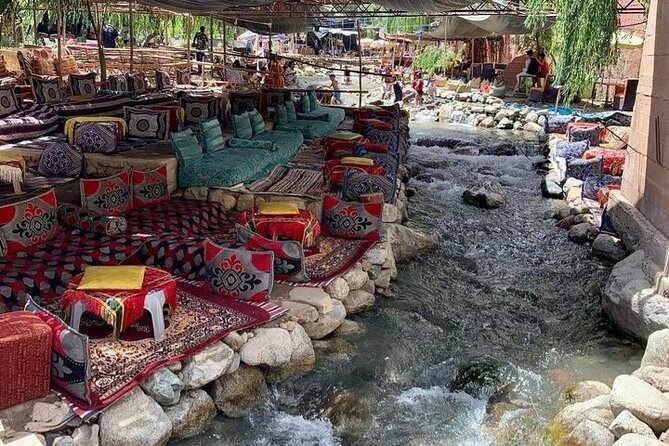
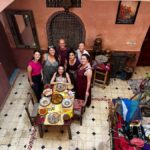
This class is built around one idea: Morocco’s food starts long before the cooking begins. You meet in the Medina at a traditional riad, and the day flows from place to place—bakeries, food stalls, then a kitchen where you actually work.
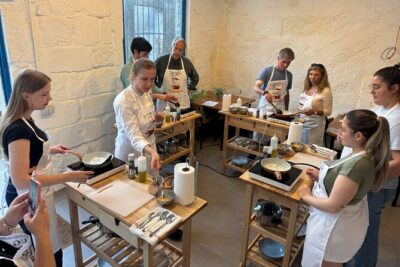
I like that the format stays human-sized. With up to 15 people, you’re not shouting over a crowd. You can ask questions as you go, which matters when a recipe depends on technique. In Morocco, small differences in how you layer, season, or time the cooking can change the whole dish. A small group helps you catch those details.
Chef Tittif’s role is also key. You’re not just watching someone else cook while you take notes. You’re guided through making common favorites—tajine, couscous, pastilla—so you leave with skills you can repeat at home, not just a full stomach.
There’s also a calm, contained feeling to the riad setting. The Medina can be loud and chaotic outside. Inside, you get a focused cooking window where you can actually pay attention. That’s a big deal for value, because 4 hours is the whole window. You want those hours to count.
Finally, the experience includes recipes at the end (printed or digital). That’s the difference between tasting something great and being able to cook it again.
You can also read our reviews of more tours and experiences in Marrakesh.

Communal bakery stop: the smell of daily bread
The day kicks off with an entry into the Medina area and a short introduction, then you head toward the bread world. This is the part I think most people underestimate: seeing how daily bread is made in a communal setting.
Morocco’s bread isn’t just a side dish. It’s a daily habit, tied to local routines. When you watch locals bake their bread, you get a different sense of ingredients and heat—especially the kind of heat and rhythm that bakeries use. Even if you don’t measure anything, you start noticing how dough behaves, how baking cycles work, and why bread texture matters for the meal that follows.
You’ll also appreciate what makes Moroccan cooking different. Many dishes rely on the comfort and balance that bread brings. When you understand the bread step, tajine and couscous start to feel more connected. It’s not random comfort food. It’s a system.
If you’re a food person, this stop alone is worth it. It gives you context you can carry into the rest of the class—market shopping, spice choices, and how you think about serving what you make.
Jemaa el-Fnaa spice walk (optional): how to shop smart in 30 minutes

The itinerary includes an optional market visit near Jemaa el-Fnaa. Translation: you get a chance to learn the basics without being trapped there all day.
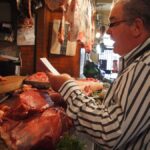
In practice, 30 minutes is short. You’ll want to pay attention to the guidance you’re given about spices and produce, then use that moment to ask, How do you know what to buy? What’s a good spice form for cooking versus finishing? Which items change flavor after they’ve been stored?
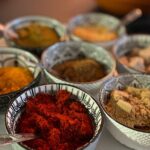
This is also where your senses do some of the learning. Morocco’s spice world works because people use ingredients with purpose. You’ll likely hear which spices bring warmth, which bring aroma, and which play a supporting role. If you come in with curiosity, the market stop becomes a quick crash course.
A practical tip: go in thinking about what you want to cook later. When you know you’re making tajine or couscous, ingredient selection stops being abstract. You’ll notice how the same market items fit into specific dishes.
One caution: market areas can tempt you with impulse buys. If you’re also trying to keep a tight food budget, set your boundaries early. Ask yourself what’s worth carrying home—especially if you’re flying.
The cooking session: tajine, couscous, and pastilla skills you can repeat

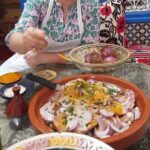
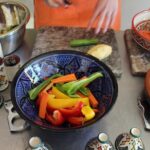
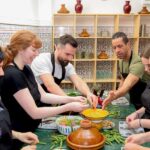
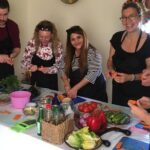
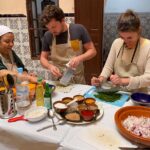
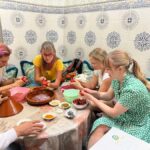
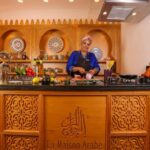
Now for the main event. Back at the riad kitchen, Chef Tittif guides you while you prepare authentic Moroccan dishes such as tajine, couscous, or pastilla.
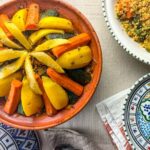
The big value here is hands-on learning. Tajine isn’t only about the pot. It’s about how you season and layer ingredients and how you build flavor from onions, spices, and timing. Couscous also rewards technique—how it’s steamed, seasoned, and balanced with sauce or toppings. Pastilla is the one that often looks intimidating until you realize it’s built from repeatable steps.
I like that the class focuses on dishes you can cook again at home. These are not obscure museum pieces. They’re real Moroccan meals that show up across everyday life, and you’ll understand how they come together.
During the session, ask questions as you go. Don’t wait until the end. If something feels unclear—heat level, spice amounts, texture—bring it up immediately while you still have the chance to adjust what’s happening in front of you.
Also pay attention to the working rhythm. Moroccan cooking often moves between prep, seasoning, and finishing. The technique doesn’t require advanced equipment, but it does require attention. This is where a guided group matters: you’re borrowing someone else’s know-how for a few hours.
When you’re done, you’re not just tasting food. You’re tasting the result of your own choices. That’s why people remember this class longer than a restaurant meal.
Mint tea, eating together, and getting recipes for home
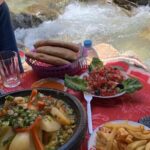
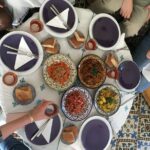
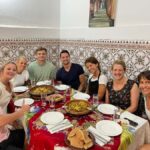
After cooking, you enjoy your meal in a warm, welcoming setting. Mint tea is part of the experience, and it’s not a random add-on. Tea is how Moroccan hosts slow things down and reset after work—especially cooking work.
I also like that the class ends with recipes, either printed or digital. That means you can reconstruct the day later, not just the flavors. If you’re the type who wants to cook Morocco again, this is what turns a good meal into a repeatable skill.
One practical idea: take notes during the class even if recipes are provided. Don’t write a novel. Jot down what you think will matter at home—what spices were used most, what texture you were aiming for, and what seemed to change the dish.
And if the day includes an extra stop with product sales, keep your eyes open. You don’t have to buy anything to enjoy the cooking. If someone nudges you toward purchases, decide in the moment whether it matches what you want to take home.

Timing, pickup, and small-group realities in the Medina

The start time is 10:00 am, and the class runs about 4 hours. You also get pickup offered, and you’ll use a mobile ticket. Those details matter because the Medina can be tricky to navigate, and timing is everything when you’re meeting at a riad.
The small-group cap of 15 is helpful here, too. Less crowd means less shuffling through tight lanes. It also means the chef can actually keep an eye on everyone’s progress.
Weather plays a role. The experience requires good weather, and if it’s canceled due to poor conditions, you’ll be offered another date or a full refund. That’s a normal requirement for many Medina activities, where outdoor steps can matter.
My advice for making this day smooth: confirm pickup details ahead of time and make sure you have the right contact method for the provider, especially the evening before and again on the morning of. The Medina is full of similar-looking lanes. Clear communication prevents missed meeting points and wasted time.
Price and value: $40 for cooking, culture, and recipes—with one caution
At $40 per person for about 4 hours, this class can be strong value if you care about learning. You’re not paying just for a meal. You’re paying for guided cooking instruction, a market component, and a bakery visit that adds real food context.
The best part of the value equation is the meal you eat is the meal you cooked. When you can connect the steps you performed with the final dish, the whole experience becomes more memorable and more useful.
But here’s the caution I think you should take seriously: this kind of tour can sometimes include stops where shopping is encouraged, and in some cases people report requests for extra spending. If you don’t want that, confirm what’s included in the base price and ask directly if any add-ons or fees are expected during the day.
Also consider how you feel about meal settings. If your budget expects a simple lunch and you get a more expensive-style stop, it can feel mismatched. A quick question ahead of time can save disappointment: Will there be any paid add-ons beyond the class?
If you’re flexible and you enjoy local shopping culture, those stops may feel like part of the day. If you hate pressure to buy, go in with a no-purchase plan.
Bottom line: $40 is fair for hands-on cooking plus context stops, as long as you’re comfortable managing extras and keeping communication tight.
Who should book Chef Tittif’s class, and who should skip it
This is a great choice for you if:
- You want a hands-on class, not a sit-and-watch experience
- You like Moroccan bread and spices, and you’re curious about how locals eat daily
- You want recipes to recreate tajine, couscous, or pastilla at home
- You prefer a smaller group in a riad setting
I’d think twice if:
- You hate any shopping-style stops or you feel uncomfortable saying no
- You’re the type who needs extremely reliable pickup and rapid communication
- You’re traveling with limited time and cannot afford a timing hiccup in the Medina
If you book, treat it like a small project: confirm pickup, ask what’s included, and come ready to cook.
FAQ
What time does the cooking class start?
It starts at 10:00 am.
How long is the experience?
The duration is about 4 hours (approx.).
Is pickup available in Marrakech?
Yes, pickup is offered.
How big is the group?
The experience has a maximum of 15 travelers.
What dishes will I be cooking?
You’ll prepare Moroccan dishes such as tajine, couscous, or pastilla, with Chef Tittif’s guidance.
What’s included in the price?
You’ll get the Medina-riad introduction, the communal bakery element, the cooking session, and you’ll enjoy the meal you make with traditional mint tea. Recipes are provided at the end as printed or digital.
Is it okay if the weather is bad?
The experience requires good weather. If it’s canceled because of poor weather, you’ll be offered a different date or a full refund.
What’s the cancellation window?
You can cancel up to 24 hours in advance for a full refund. If you cancel less than 24 hours before the start time, the amount paid isn’t refunded.
Should you book? If you want real cooking skills in a Medina riad—plus bread, spices, and a meal you create—this is a solid pick at $40. Just don’t ignore the one risk: confirm pickup and be ready to handle any shopping or extra requests so your day stays focused on cooking.