REVIEW · ACCRA
Local Ghanaian Cooking Class in Accra to help support wellness community center
Book on Viator →Operated by Pat and Maggie · Bookable on Viator
Cooking in Ghana starts with a trip to the market. You get the sights, smells, and ingredient choices that shape the meal, not just a recipe demo. The class also supports a real community cause through the Wellness Community Center, with small-group attention from the host team (including Pat and Maggie, plus warm helpers like Ms Pat and Ms Gifty you may meet).
What I especially like is that you learn to make Ghanaian staples from scratch, from pounding techniques for fufu or banku to choosing and cooking a stew or soup. You’ll also get a tasting moment with locally made spirits such as Emergency, Hatso, and Uwuba made from akpeteshie. One thing to consider: the pace can vary, and some cooking steps may feel less hands-on than you expect if ingredients are already prepped when you arrive.
In This Review
- Key things that make this Accra cooking class worth it
- Why a market start makes the class feel real in Accra
- Global Wellness Mission to the market: how the morning flows
- Community support: your lunch helps the Wellness Community Center
- Akpeteshie-based spirits: the included tasting moment
- Hands-on Ghanaian staples: fufu, banku, jiji, and rice balls
- Picking your soup: okra soup, ground nut, palm-nut, light, or plain
- Lunch you make: what’s actually on the table
- Price and value: is $45 a good deal in Accra?
- Who should book this cooking class, and who should think twice
- Quick practical tips before you go
- Should you book this Accra Ghanaian cooking class?
- FAQ
- FAQ
- Where is the cooking class meeting point?
- How long is the cooking class?
- How much does the cooking class cost?
- What time does the class run?
- What’s included in the price?
- What is not included?
- Can dietary requests be accommodated?
- Is it a small group?
- What is the cancellation policy?
Key things that make this Accra cooking class worth it
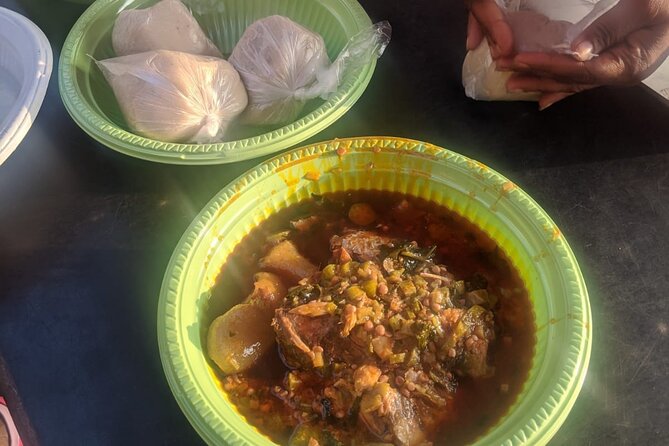
- Market ingredient hunt that sets up what you cook, right from the source
- Locally made spirits included (Emergency, Hatso, Uwuba) tied to Ghanaian tradition
- Real hands-on food skills like pounding fufu/banku and working on stew or soup
- Soup choice options such as okra soup, ground nut soup, palm-nut soup, light soup, or plain soup
- Dietary requests can be accommodated if you ask ahead
- Small group size with a maximum of 20 travelers for more attention
Why a market start makes the class feel real in Accra
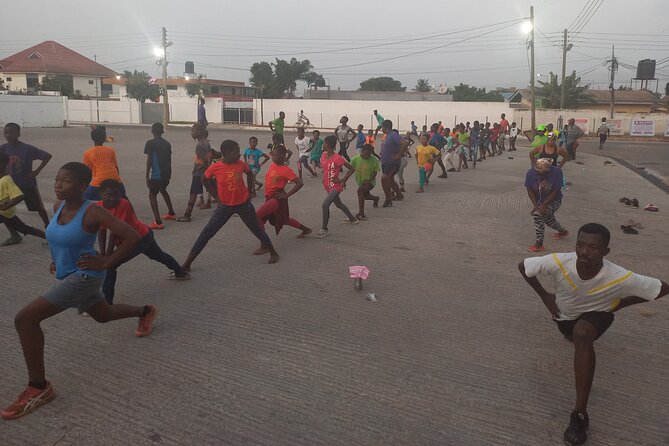
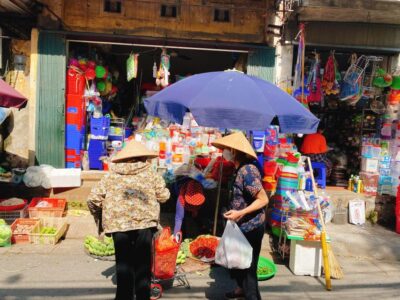
A cooking class can stay stuck in theory. This one starts you where cooking actually begins: at a local market where ingredients are chosen face-to-face. That matters because Ghanaian food isn’t just a list of steps. It’s about the quality of what you pick, the timing of what’s available, and the way flavors build once the pot starts working.
You also get that early cultural rhythm. You’re out there before you’re in the kitchen, seeing how people shop and how the day’s ingredients look in real life. Even if you’ve cooked before, this market walk makes the class feel like you’re learning the “why,” not only the “how.”
You can also read our reviews of more tours and experiences in Accra.
Global Wellness Mission to the market: how the morning flows
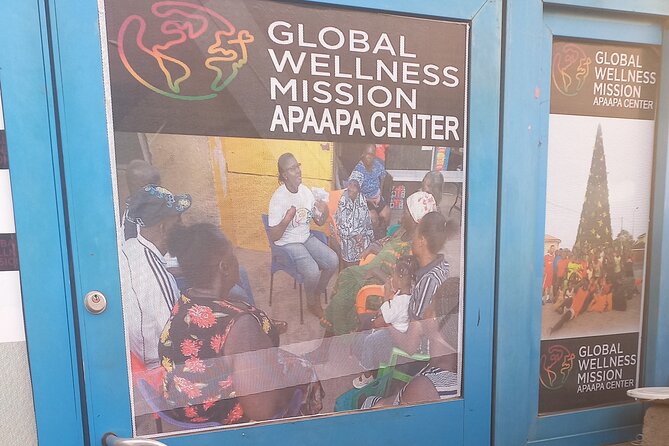
You meet at Global Wellness Mission (CM7, Third Oloti St, Accra). From there, you’ll take the provided car to the market to buy what you need. The experience is listed for about 6 hours, and the schedule sits inside a morning window (opening hours run Monday through Saturday from 8:00 AM to 12:00 PM). So plan your day around a start that fits that morning block.
The car transfer is simple and helpful. It reduces the mental load of finding the right place first, and it keeps the group together before food starts getting serious. Once you’re at the market, you’re focused on ingredients, not wandering for wandering’s sake.
Then you head back to cook, and the pace shifts from browsing to doing. The transition is part of what keeps the day moving: you’re not stuck waiting for a demonstration. You’re building toward lunch from the moment you arrive.
Community support: your lunch helps the Wellness Community Center
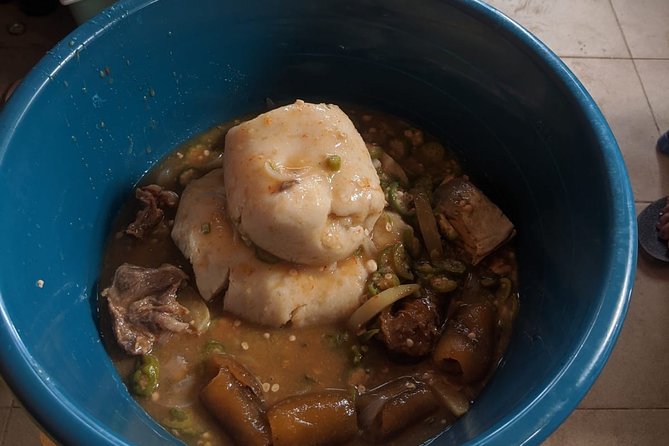
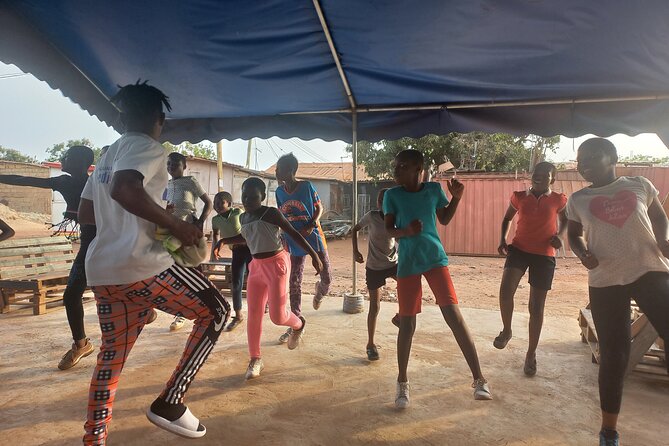
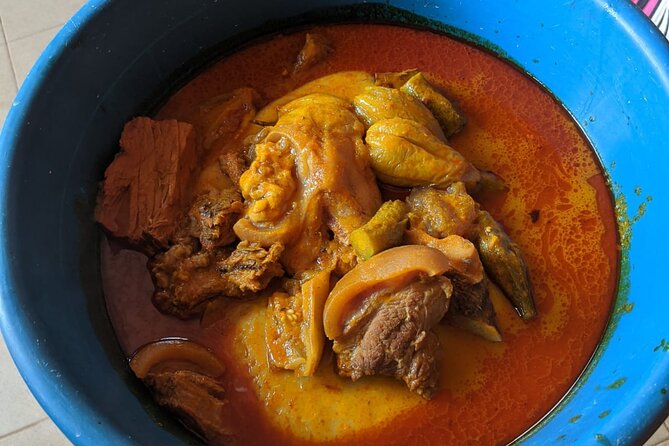
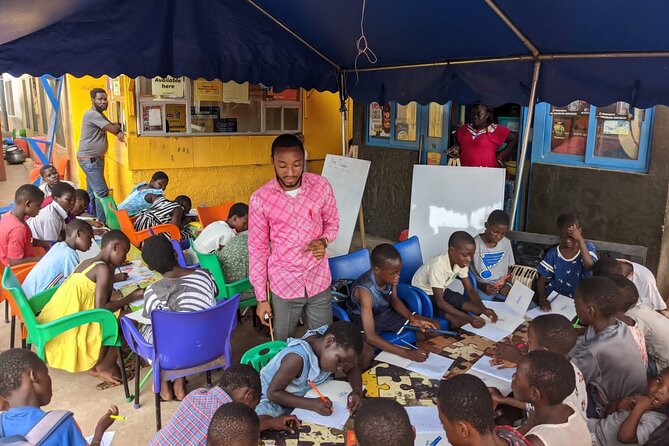
This class has a strong purpose beyond dinner. Your booking supports the community’s Wellness Community Center, which runs physical activity programs, nutrition education, after-school lectures for kids, health screenings, and art and dance programs.
That changes how the experience feels while you’re eating. You’re not just buying a ticket to learn a recipe. You’re funding a set of services that reach kids and adults in the area. If wellness programming and community support are part of how you like to travel, this is exactly that kind of “food with a cause” moment.
You can also see the practical logic: nutrition education isn’t abstract here. Cooking skills connect to meal planning, healthier choices, and confidence in the kitchen. Even if you only take one class, the support behind it lasts.
Akpeteshie-based spirits: the included tasting moment
Before you start pounding and simmering, you’ll sip locally made spirits. The class includes alcohol, and the options listed are Emergency, Hatso, and Uwuba. These are made from akpeteshie and soaked with local bark or tree leaf.
This is not a random bar stop. It’s part of the cultural context of the meal. You get a shared moment before cooking ramps up, and it also signals that the day is social. People talk. Laughter shows up. The host family and assistants help keep the energy warm and welcoming.
One practical note: alcohol is included, but soda/pop and beer/soda are not. If you’re limiting alcohol or taking medication, make that clear early. You can still enjoy the cooking focus, and you’ll keep your energy steady for the more physical tasks like pounding.
Hands-on Ghanaian staples: fufu, banku, jiji, and rice balls
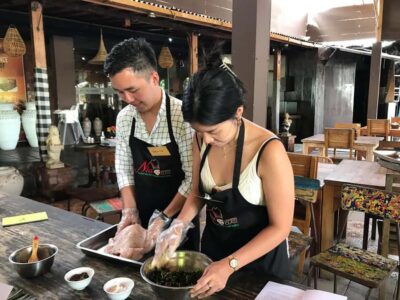
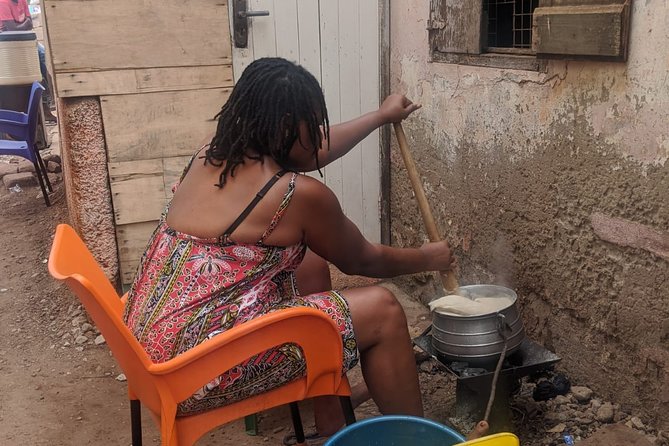
Here’s where the class turns from experience to skills. You’ll learn to pound staples such as fufu and banku, and you may also work on jiji or rice balls, depending on your recipe set.
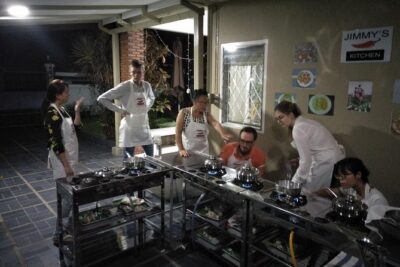
Pounding sounds simple until you do it. It’s physical work, it takes coordination, and it’s the kind of technique you can’t learn only by watching. That’s why a small group matters. With a maximum of 20 travelers, you’re more likely to get the kind of guidance that keeps you from feeling lost or standing around.
You’ll also cook stew or soup alongside these steps. That pairing is important. It teaches how Ghanaian starches meet Ghanaian sauces. The goal isn’t only to make one dish. It’s to learn the balance: thick, satisfying base plus a stew/soup that carries heat, seasoning, and texture.
Some people prefer classes that feel super hands-on from minute one. One consideration is that ingredient prep may be partially completed before you start, so not every step will feel equally physical. Still, the core cooking and pounding tasks are where the learning shows up.
Picking your soup: okra soup, ground nut, palm-nut, light, or plain
Your stew or soup choice drives the whole flavor profile of lunch. You’ll prepare the soup you decide on, with options that include okra soup, ground nut soup, palm-nut soap, light soup, or plain soup.
Each option comes with a different texture and taste direction. Okra soup tends to give you that thick, silky cling. Ground nut soup leans into nutty depth and hearty comfort. Light soup can feel lighter while still being flavorful, and plain soup is the baseline option if you want a more straightforward approach.
One smart way to choose: think about what kind of learning you want. If you want to understand thick texture building, okra soup is a good bet. If you want to practice richer sauces, ground nut soup can be satisfying. If you want a flexible start, plain soup keeps things simple so you can focus on technique.
Lunch you make: what’s actually on the table
Lunch is included, and it centers on what you cook together—pounded staples and the stew/soup you prepared. The class also includes alcoholic beverages, which means your meal isn’t just food. It’s also part of the social experience.
If you’re the type who loves leaving class with recipes you can recreate at home, this is where the value really lands. You’re not watching someone else eat. You’re building the meal, tasting it, and having a conversation while it’s fresh.
Based on common highlights from past sessions, people tend to remember the combo of banku with soup and the standout rice dishes that can appear as part of certain recipe sets. If you care about rice specifically, ask what will be included when you book, especially if jollof rice is your favorite Ghanaian craving.
Price and value: is $45 a good deal in Accra?
At $45 per person, this class sits in a reasonable range for a full morning experience with market shopping, a meal you make, and included alcohol. You’re not only paying for instruction. You’re also paying for:
- transport to the market
- ingredients for the cooking setup
- a full lunch
- locally made spirits
The community element adds another layer. Your payment supports the Wellness Community Center’s physical activity, nutrition education, after-school learning, health screenings, and creative programs. That’s not a marketing slogan here—it’s the real reason the class exists.
Also, the small group size helps the value. With a max of 20 travelers, the day is more likely to feel interactive rather than like a crowded cooking show. And because the booking average is about 36 days ahead, it’s worth reserving early if your schedule is tight.
Who should book this cooking class, and who should think twice
This class is a great fit if you want:
- a hands-on Ghanaian cooking skill set (not only a lecture)
- a market-to-table flow you can actually picture later
- a community-focused experience that goes beyond sightseeing
- a morning activity with conversation and a welcoming host family feel
It may not fit perfectly if you want a strictly hands-on, every-minute cooking experience with zero pre-work. If you’re the type who gets frustrated when the ingredients aren’t fresh from scratch in front of you, set your expectations that you’ll do core cooking and pounding, but not every micro-step will be new from zero.
It also helps if you like cultural food pairings. Ghanaian meals are designed as combos—starch plus sauce—so be ready to think in groups of flavors, not just individual dishes.
Quick practical tips before you go
- Dietary needs: dietary requests can be accommodated upon request. Tell the team what you need before the day starts.
- Alcohol included: locally made spirits are part of the experience. If you don’t drink, ask how you can handle that calmly without being pressured.
- Comfort matters: expect physical work with pounding and standing while cooking and tasting. Comfortable shoes help.
- Bring your appetite: lunch is included and you’ll be eating what you make.
- Mobile ticket: keep your mobile ticket ready at the meeting point.
- Group size: max 20 travelers means you can ask questions, but it’s still a shared experience, so go with a friendly attitude.
- Service animals: service animals are allowed, if that applies to you.
- Getting there: the meeting point is near public transportation, which can help if you’re arriving early or leaving late.
Should you book this Accra Ghanaian cooking class?
Yes, if you want a morning activity that connects Ghanaian food, market culture, and real community support in one package. The biggest wins are the learning style—hands-on pounding and cooking—and the social welcome from the host family environment around the class.
Book it especially if you’re excited about learning how Ghanaian starches and soups work together, and if you like experiences where the meal comes with context. If you’re sensitive about alcohol or you prefer a class where every task is done from start to finish with no prepped steps, message your needs early so the experience matches your expectations.
FAQ
FAQ
Where is the cooking class meeting point?
The meeting point is Global Wellness Mission, CM7, Third Oloti St, Accra, Ghana.
How long is the cooking class?
The duration is listed as about 6 hours.
How much does the cooking class cost?
The price is $45.00 per person.
What time does the class run?
The opening hours are Monday through Saturday, 8:00 AM to 12:00 PM, and you’ll choose a booking time that fits within that window.
What’s included in the price?
Lunch is included, and local spirits are included as alcoholic beverages.
What is not included?
Soda/pop and beer/soda are not included.
Can dietary requests be accommodated?
Yes. Dietary requests can be accommodated upon request.
Is it a small group?
Yes. The maximum group size is 20 travelers.
What is the cancellation policy?
Free cancellation is available. You can cancel up to 24 hours in advance of the experience for a full refund.