REVIEW · ACCRA
Home Cooking Class by Auntie K
Book on Viator →Operated by Osu Cooking Class by KK · Bookable on Viator
Your kitchen tour in Accra starts at home. This private class with Auntie K is a hands-on way to learn Ghanaian flavors like jollof rice and kelewele (spicy plantains), with time to talk as you cook. I love how much you can get involved (peeling, grinding, stirring, shaping) and I also love that the menu can be adjusted for lower spice and dietary needs.
One possible drawback: the experience happens in an outdoor home setting, so the “class” energy can be part cooking, part demo, and part neighborhood flow.
In This Review
- Key reasons to book this home cooking class
- Cooking in Accra like you’re invited in, not hosted on a schedule
- Meeting at CLUB 69 and figuring out your timing
- Market stop: optional, but it’s where the day feels most Ghanaian
- Charcoal, mortar, and real technique instead of a blender
- A quick note on the “front yard” reality
- The dishes you’ll cook and how they connect
- Jollof rice: tomato-spice balance you can taste
- Kelewele: spicy plantains with attitude
- Soup + fufu (or banku): heavy comfort and serious effort
- Grilled chicken or fish and sauteed vegetables
- Okra stew: where thickness and spice meet
- Dessert: sometimes part of the lesson
- How hands-on you’ll be: you can steer it
- Eating together: lunch is the point, not an afterthought
- Price and value: what $89 really buys you
- Practical tips that will save you discomfort
- Who this class is for (and who should skip it)
- Should you book Home Cooking Class by Auntie K?
- FAQ
- FAQ
- What dishes will I cook in the class?
- Is the market stop included or optional?
- How long is the class?
- What’s included in the price?
- Where do we meet and where does it end?
- Is this a private experience?
- Do I need to bring anything or plan for transportation?
Key reasons to book this home cooking class
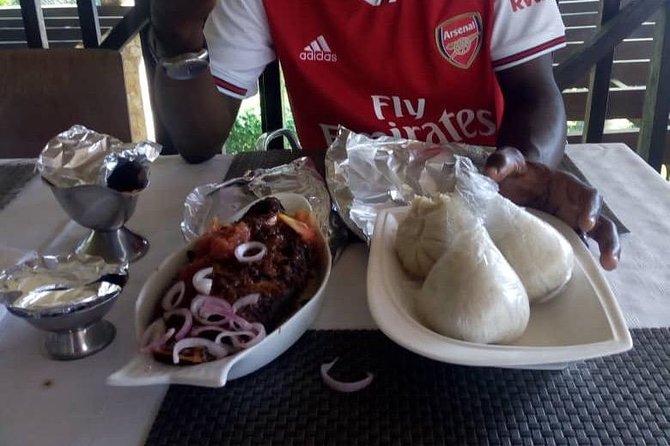
- Private by design: only your group joins Auntie K and her assistants
- Market option: you can shop for ingredients at a local market before cooking
- Traditional tools: pestle-and-mortar grinding instead of a blender
- Charcoal cooking: dishes come together on a charcoal cooking stand
- Real menu variety: jollof rice, kelewele, soups, grilled chicken or fish, and more
- Lunch included: you eat what you make, and it’s a proper meal
Cooking in Accra like you’re invited in, not hosted on a schedule

This is a private cooking class at Auntie K’s home in the Osu / La Crescent area, starting at CLUB 69 (Osu la crescent, La Crescent, Accra). That matters because you’re not doing a “show” behind glass or watching from a seat for hours. You’re in someone’s real kitchen space, with Auntie K and her team setting the pace.
I also like the mix of structure and flexibility. The class lasts about 5 hours, but the cooking portion can stretch to 3–6 hours depending on how many people are in your group. That gives them room to teach, adjust, and still get everyone fed.
The practical bit: an air-conditioned vehicle isn’t included, so plan for normal local heat. The good news is it’s near public transportation, so you’re not locked into one transport option.
You can also read our reviews of more tours and experiences in Accra.

Meeting at CLUB 69 and figuring out your timing
Your day typically starts back at the meeting point at the end too, so you’re not juggling multiple stops. Arriving a little early helps, since this is a home-based experience and everyone is coordinating cooking flow.
The operator lists morning availability (Monday through Saturday in the 9:00 AM–12:00 PM window). If you’re trying to line this up after a morning sight-seeing block in Accra, plan with a buffer so you’re not rushing your way into a cooking class. Cooking takes time, and charcoal cooking takes even more patience.
If you prefer a straightforward day with fewer logistics, private means you can keep it simple: meet, cook, eat, go.
Market stop: optional, but it’s where the day feels most Ghanaian
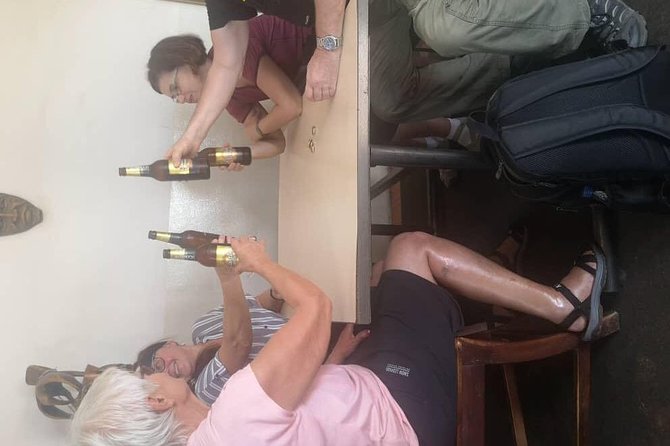
You have the option to start with a market run to buy foodstuffs for the class. When it happens, it’s not just errands—it’s part of the learning. You get to see produce and ingredients up close, and that helps you understand why the dishes taste the way they do.
I like this option because it turns the lesson into a chain, not a one-off. When you’ve helped pick ingredients (or at least watched closely), the cooking feels more like you’re recreating Ghana, not just following steps.
Also, market shopping can shift your timeline. If you add the market stop, expect the overall day to lean longer, since ingredient buying and prepping usually take real time.
Charcoal, mortar, and real technique instead of a blender
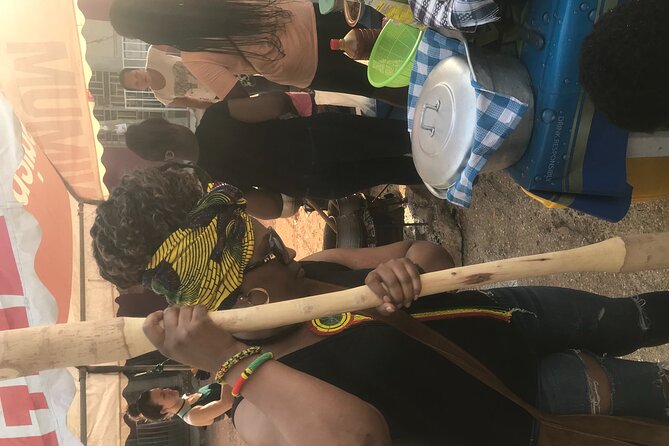
The cooking setup is a big part of the appeal. In many classes, Auntie K teaches using a pestle and mortar, and you’ll often cook over a charcoal cooking stand (with a fan mentioned in multiple experiences). That combination changes how food tastes and feels.
Grinding spices by hand has a different result than blending. You can smell the oils release. The texture can be chunkier and more layered, which shows up in dishes like soups and stews where seasoning needs to spread and cling.
And charcoal cooking adds its own pace. You’re dealing with heat that’s steady but responsive, and that keeps you alert. It also means the experience can feel more “hands-on Ghana” than a kitchen classroom.
A quick note on the “front yard” reality
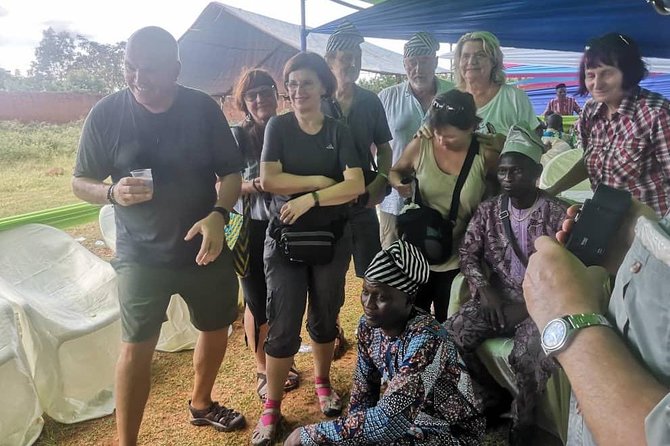
This class isn’t happening in a polished studio. One review described cooking in the front yard, with people coming in and out. That’s not automatically bad, but it’s worth knowing: if you’re expecting a quiet, controlled classroom, you might find it more social and open-air than that.
The dishes you’ll cook and how they connect
The menu can vary by group, but you should expect a strong lineup of Ghanaian staples. The most commonly named dishes include jollof rice, kelewele, soups (including goat soup), and grilled proteins like fish and chicken. You’ll also see sides like sauteed vegetables, and foods like fufu or banku show up with certain soups.
Here’s how to think about the core dishes so you can recognize what you’re learning:
Jollof rice: tomato-spice balance you can taste
Jollof rice is repeatedly praised as a highlight. It’s the kind of dish where the seasoning matters from the first steps through to the final simmer. When you’re cooking it, watch how the rice changes as liquid and spice reduce. That’s where most of the flavor develops.
If you like food with a strong, comforting sauce base, this is the dish to pay attention to.
Kelewele: spicy plantains with attitude
Kelewele (spicy plantains) shows up again and again in reviews, and for a reason. The flavor comes from coating plantains with spice and frying/grilling until they get that crisp edge with a soft center.
This is also a great dish to practice seasoning technique because you can often feel how spices stick and how heat brings them alive.
Soup + fufu (or banku): heavy comfort and serious effort
Goat soup with fufu and soup pairings with banku appear in the menu list and in reviews. Fufu in particular gets called out as hard work to make, so expect that part to be physical. You may roll, shape, or help with steps depending on how the session flows.
If you’re the type who loves learning the “why” behind food, this is a strong combo: dough work teaches muscle memory, and soup teaches balance—thick, seasoned, and meant for dipping or pairing.
Grilled chicken or fish and sauteed vegetables
Grilled chicken and grilled fish are both mentioned in the experiences. These dishes are useful if you want practical technique: seasoning, grilling timing, and how to keep protein juicy while the outside develops flavor.
Sauteed veggies show up alongside other mains. Even if the veggies are simpler than the rice or fufu, the seasoning carries through your whole meal, so don’t treat them as an afterthought.
Okra stew: where thickness and spice meet
Okra and fish stew is also named in reviews. Okra is one of those ingredients that changes texture as it cooks, so it’s a good learning dish if you want to understand Ghanaian “body” in stews. When you cook with okra, you’re learning how thickness forms and how seasoning stays round.
Dessert: sometimes part of the lesson
Dessert is listed as a possible part of the class menu, though specific desserts weren’t named in the details you provided. If you care about sweet at the end, confirm what will be included for your exact date when you book.
How hands-on you’ll be: you can steer it
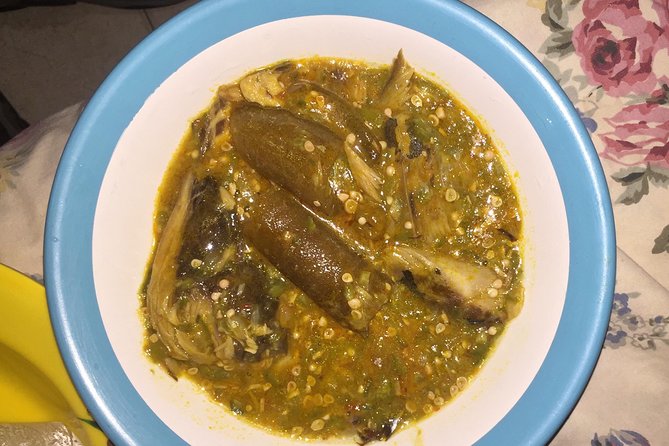
Most reviews emphasize hands-on participation. People describe peeling, cutting, grinding, and cooking with Auntie K and her assistant (names that show up include Deborah, and Auntie Mary in at least one experience).
That said, there’s one recurring consideration: the level of hands-on involvement can vary. In one case, someone felt more like they were watching than cooking, describing sorting beans and then mostly observing.
Here’s how to protect yourself from that. When you arrive, make it clear you want to cook. Ask what you’ll be doing during each dish step. If you’re interested in a specific technique—like grinding spices with the pestle—say so early. With a private group, you should be able to find a role that fits your comfort level.
Eating together: lunch is the point, not an afterthought
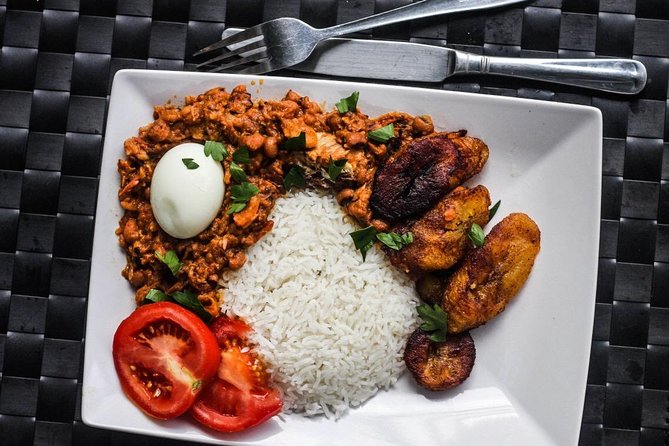
This class isn’t just about making food. You sit down and eat the results for lunch. Multiple reviews stress that you should arrive hungry, and the meals are described as plentiful and delicious.
The best part is that the meal comes with conversation. Cooking together builds easy topics: where the ingredients come from, why certain dishes are made the way they are, and how family cooking differs from restaurant cooking.
If you want a souvenir you can actually use, some experiences mention buying seasoning to take home. That’s a smart move if you want flavors to survive your return flight.
Price and value: what $89 really buys you
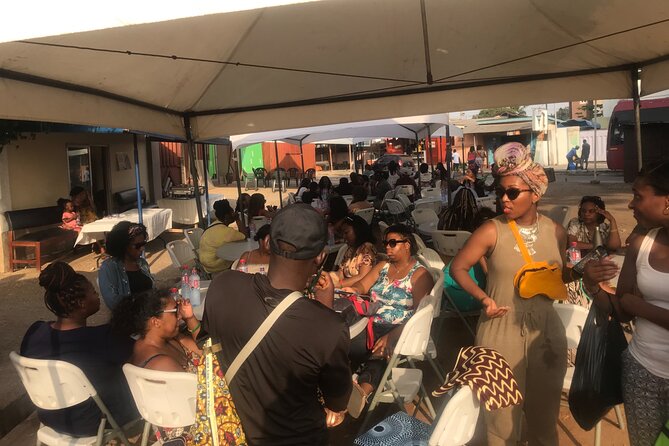
At $89 per person, this isn’t a bargain street-food tour. It is also not a fancy restaurant meal. The value is that you get a private host, practical instruction, and a full lunch created at home from Ghanaian ingredients.
A few details strengthen the value:
- You’re paying for a real teaching moment, not just tasting.
- You get a market option that connects ingredients to cooking.
- The cooking is done in a traditional way (pestle and mortar, charcoal), which affects results, not just “experience style.”
Also, the booking lead time averages about 35 days, which suggests it’s a popular local-culture activity. If you have firm travel dates, booking earlier can help you lock in the time you want.
Practical tips that will save you discomfort
A few things can make your day smoother:
- Wear comfortable clothes you don’t mind getting warm or a little messy. Charcoal cooking and food prep are physical.
- Expect an open-air feel. Even if there’s shade, the cooking happens outdoors in at least some setups, so plan for heat and scent.
- Ask about spice levels up front. One standout point in the experiences is that Auntie K can adjust for low spice needs.
- If you have dietary restrictions, mention them clearly during booking. The class is described as able to accommodate dietary needs.
- Give yourself enough time. One review described a session that ran long and felt rushed near the end, so don’t schedule something tight right after.
And yes, weather matters. The activity notes that it requires good weather; if weather cancels the experience, you’ll be offered a different date or a refund.
Who this class is for (and who should skip it)
This is a great fit if you want:
- Real Ghanaian home cooking with instruction you can repeat
- A private day with food, conversation, and hands-on work
- Meals that hit multiple categories: rice, plantains, soups, grilled proteins, and sides
It may be less ideal if:
- You need a fully indoor, climate-controlled environment (air-conditioned vehicle isn’t included)
- You prefer a strict, quiet classroom vibe where no one else is around
- You’re very sensitive to outdoor smells or smoke from charcoal cooking
Should you book Home Cooking Class by Auntie K?
I’d book it if you want a memorable Accra food day that’s more practical than touristy. The strongest reasons are the private home setting, the charcoal + pestle-and-mortar technique, and the way the meal ends with real eating plus conversation.
If you’re curious about Ghana beyond packaged souvenirs—if you like learning how flavors come together—this class is the kind of experience that gives you something to cook again later. Just go in with the right expectations: it’s outdoors, it can run a bit long, and you’ll get the most out of it by asking for hands-on roles.
FAQ
FAQ
What dishes will I cook in the class?
You’ll typically cook Ghanaian dishes such as jollof rice, kelewele (spicy plantains), and soups like goat soup. Experiences also mention pairings like fufu or banku, plus grilled chicken or grilled fish, sauteed vegetables, and okra-based stew.
Is the market stop included or optional?
The market stop is optional. If you choose it, you’ll go to a local market to buy ingredients for the cooking class.
How long is the class?
The class is about 5 hours on average. The cooking portion can take between 3 and 6 hours depending on the number of people.
What’s included in the price?
The class includes homemade lunch and the cooking class itself.
Where do we meet and where does it end?
You start at CLUB 69, Osu la crescent, La Crescent, Accra, Ghana. The activity ends back at the meeting point.
Is this a private experience?
Yes. It’s a private tour/activity, so only your group participates.
Do I need to bring anything or plan for transportation?
An air-conditioned vehicle is not included. It’s described as near public transportation, so you may need to plan your own way to the meeting point.