REVIEW · ROME
From Rome: Pasta Fresca Cooking Class in a Farmhouse with a Local
Book on Viator →Operated by Curioseety SRLS · Bookable on Viator
A real Roman Sunday lunch outside Rome. This small-group farmhouse cooking class in Zagarolo turns a short trip into a hands-on meal with local ingredients and a real sense of family hospitality.
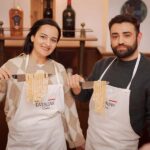
You’ll be cooking alongside Claudia in her kitchen, with Bruno and friends making the day feel personal, not scripted. The menu shifts with the season, so you’re not just copying a repeat template.
I love that you learn to make handmade pasta with flour from a local mill and eggs from the farmer, then sit down to eat what you made like it’s Sunday. I also love the way the experience pulls you into the farm life first, including garden picking and the music-and-wine vibe that shows up all day.
One possible drawback: while most reviews rave about the smooth welcome, there’s a rare report of a no-show. If you book for a special day, I’d still confirm the exact meeting details in advance and plan a little buffer around your train timing.
In This Review
- Key highlights you’ll feel on the day
- Zagarolo’s farmhouse setup: why it feels different from a city class
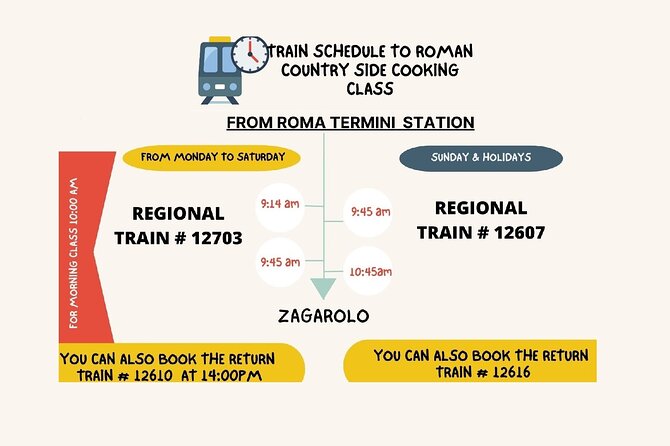
- Getting there: train time, the Zagarolo welcome, and why logistics matter
- Claudia’s kitchen and the Roman Sunday lunch format you’ll actually learn
- What you might cook: pasta, fritters, and farm ingredients (with vegetarian options)
- The meal + wine moment: where the day slows down
- Dietary needs and language: English instruction plus real flexibility
- Price and value: what $119.48 buys you in the real world
- Who should book this class (and who should think twice)
- Should you book this Rome countryside cooking class?
- FAQ
- How long is the cooking class?
- Is the class taught in English?
- How many people are in the group?
- Is homemade wine included?
- Where does the experience start and end?
- Is free cancellation available?
Key highlights you’ll feel on the day
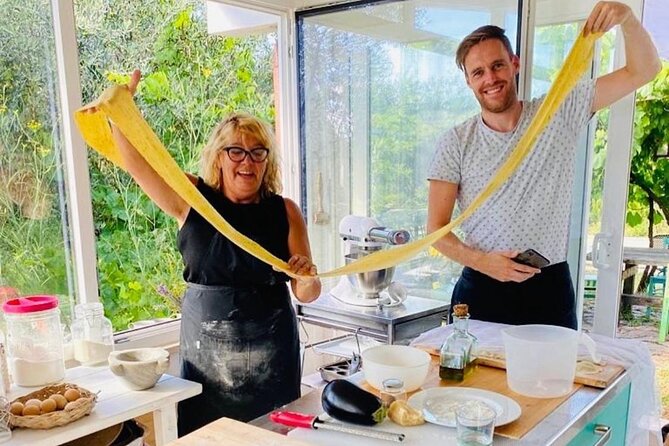
- Farmhouse cooking with a private instructor (max 8 people)
- Handmade pasta using local mill flour and farmer eggs
- Seasonal Roman Sunday lunch structure: starters, pasta, second course, dessert
- Garden-to-table moments like picking herbs, vegetables, or fruit for recipes
- Homemade wine and shared family-style meals in the garden or living room
- Music from Bruno during the day, including keyboard playing and singing in some sessions
Zagarolo’s farmhouse setup: why it feels different from a city class
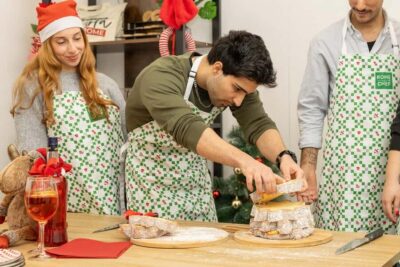
If you’ve done the usual Rome cooking lesson—apron on, pasta demo, quick tasting—this one changes the rhythm fast. You’re headed out of town to Zagarolo, where the kitchen is part of a working home and small farm life. That matters, because the cooking isn’t framed as a performance. It’s framed as food you actually make for people you care about.
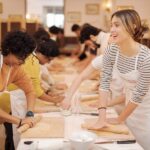
The group size is also a big deal: up to 8 travelers. That’s small enough for real back-and-forth while you’re working at the counter, not just watching from the sidelines. And you get a “private instructor” feel even though the group isn’t literally one-on-one.
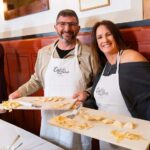
You’ll also notice the emotional tone right away. Reviews describe Claudia and her family welcoming people warmly, like you’re visiting rather than purchasing a ticket. Add in the countryside setting and you get a day that feels like a break, not an activity that steals your energy.
You can also read our reviews of more tours and experiences in Rome.
Getting there: train time, the Zagarolo welcome, and why logistics matter
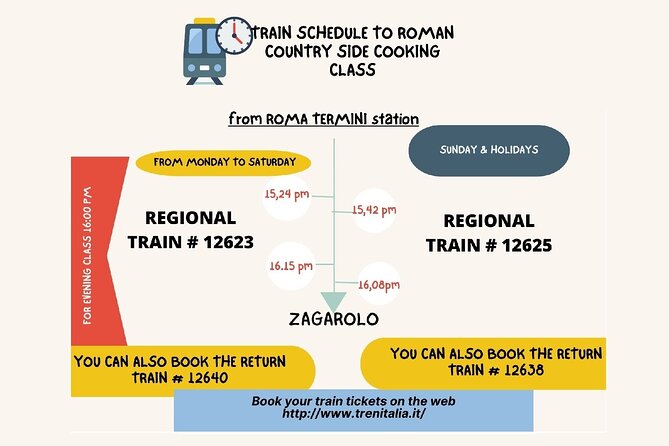
This experience starts in Zagarolo (00039). The trip from Rome by train is described as easy, with one review calling out about a 30-minute ride from Roma Termini. That’s useful because it lowers the stress. You’re not committing to a half-day coach ride, and you’re still close enough to Rome that you don’t feel cut off.
A key part of the day is the welcome. Multiple reviews say Bruno meets you at the train station and helps you get settled—sometimes with a quick look at the medieval village area on the way to the farmhouse. On top of that, some sessions include a coffee and pastries moment before you start cooking.
Practical tip: because timing is everything with a short, structured day (about 3 hours 30 minutes), you’ll want to arrive at the station with a bit of breathing room. I’d also double-check the exact meeting details before you go, just to avoid the one outlier story where the handoff didn’t happen.
Claudia’s kitchen and the Roman Sunday lunch format you’ll actually learn
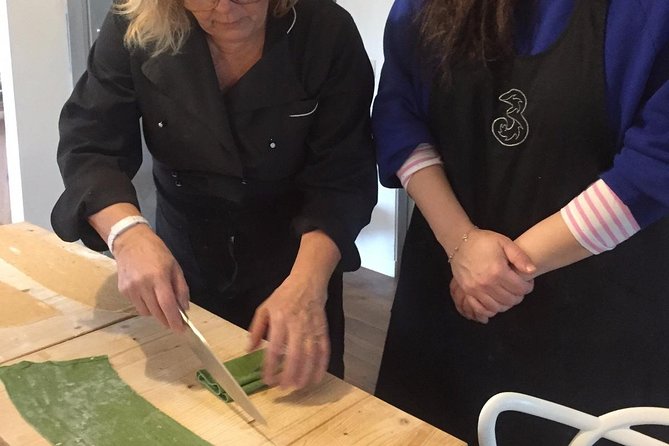
The cooking lesson is built around a classic Italian idea: the Sunday lunch matters. In this house, that’s not marketing—it shows up in the sequence of dishes and the way the day flows.
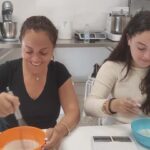
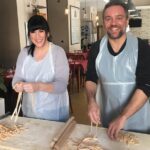
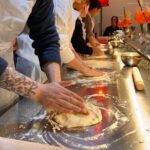
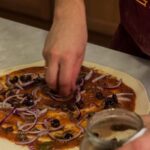
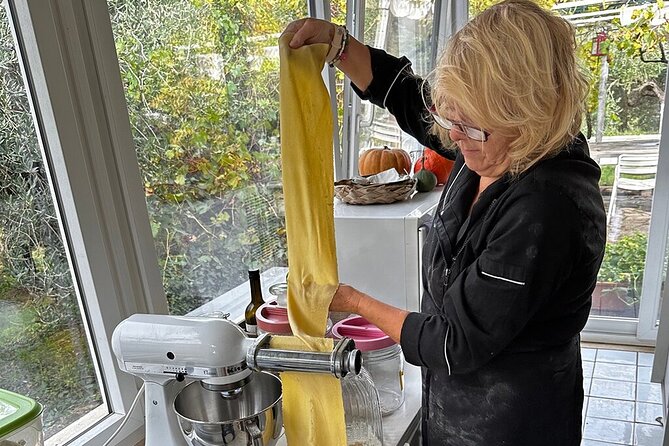
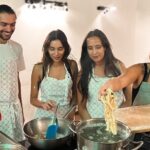
Expect a practical session where Claudia walks you through recipes and techniques, and you do a lot of the work, not just the tasting. You start with the first savory bites, then move into handmade pasta, then a second course, and finish with dessert you make together.
The menu is seasonal. In summer, the day may include things like sorbetto and ice cream. In winter, descriptions point to richer choices like sfogliatelle and stuffed pasta. That’s a genuine value for you: you get a cooking style that’s tied to what ingredients make sense right now, not a “year-round tourist menu.”
On many days the flow looks like this:
- First phase: savory starters such as vegetable fritters or strudel-style preparations, plus croutons with vegetables and cheese
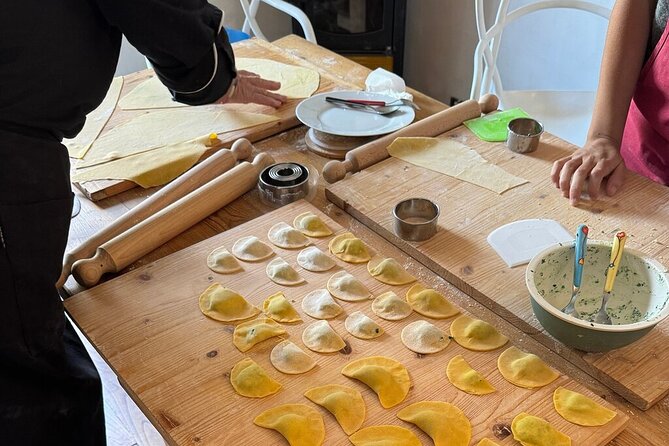
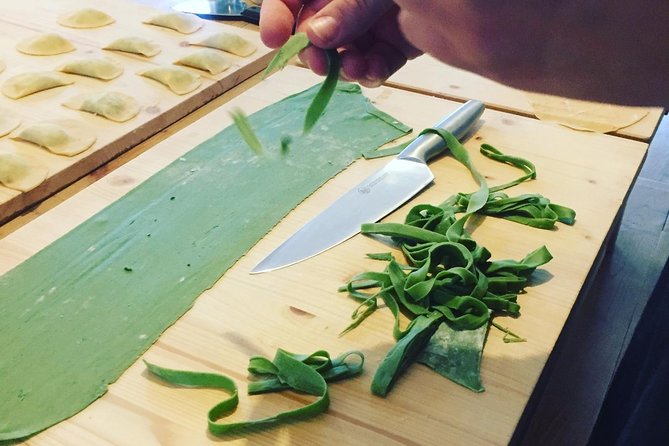
- Pasta phase: hand-rolled pasta (with options that may include lasagne, ravioli, or fettuccine) plus the sauce
- Second course: rolls or saltimbocca-style dishes, with a vegetarian alternative
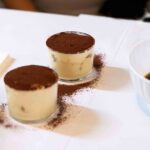
- Dessert: a shared finish like a parfait or a tart
Reviews add extra color with dishes people made in their sessions—carbonara-style spinach pasta, Swiss chard ravioli, fettuccine with Amatriciana-style sauce, stuffed zucchini and zucchini blossoms, and more. Not every day will match those exact items, but the structure stays consistent.
What you might cook: pasta, fritters, and farm ingredients (with vegetarian options)
You’re not just learning one recipe here. The class is set up so you leave with multiple techniques you can reuse at home. That’s why people keep describing it as a highlight of the trip.
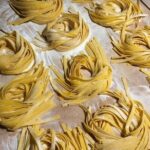
Handmade pasta is the headline. Claudia’s method is tied to quality ingredients: flour from a local mill and eggs from the farmer. That gives the dough a flavor and texture you’ll feel immediately, and it helps you understand why Italian cooking isn’t only about a recipe—it’s about the raw materials too.
Beyond pasta, the day can include farm-inspired bites, and the details in reviews give you a sense of the range:
- Stuffed ravioli (more than one filling type appears in different sessions)
- Fried vegetable blossoms and herbs (like squash blossoms and sage leaves)
- Vegetable-focused dishes (eggplant with olive oil, vinegar, garlic; baked vegetable sides)
- Meat-wrapped savory plates (prosciutto, cheese, herbs wrapped in beef show up in some menus)
- Garden harvest ingredients used in desserts, including fruit turning up in a sorbetto
Vegetarian diners also have a stated option: a special dish for vegetarians is part of the plan. One review specifically notes adjustments for dietary needs and that everyone got to participate. That’s the best kind of promise for food travelers: not just “we’ll offer something different,” but we’ll figure out what works.
One caution to keep it realistic: the exact dishes can vary by season and what’s available from the farm that day. So if you have a must-have dish in mind, your best move is to ask before arrival what the menu looks like for your date.
The meal + wine moment: where the day slows down
Once cooking is done, you actually get to enjoy your work. This is not a “grab a plate and run” class.
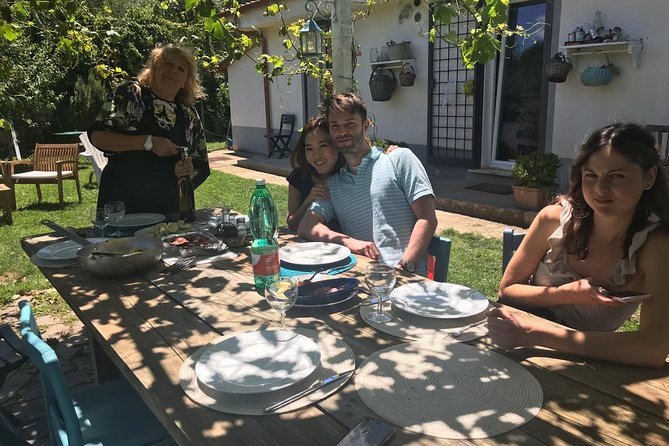
You’ll sit down for the meal, with homemade wine served alongside what you made. Some sessions are described as eating with the whole family in a romantic living room or out in the garden, with views of the olive grove and vineyard area.
There’s also a farm-food logic that makes the meal feel cohesive. One of the most practical parts of this experience is that you taste the ingredients you handled—olive oil, garden herbs, and whatever vegetables or fruit ended up in the dishes. It’s not just flavor. It’s learning the “why” behind combinations.
Music shows up here too. Bruno is mentioned repeatedly playing keyboard and singing during the day. It’s not background noise—it becomes part of the atmosphere while you’re waiting for courses or enjoying the food.

Dietary needs and language: English instruction plus real flexibility
The class is offered in English, and the experience is described as personable and instructional. With a maximum of 8 travelers, you’re more likely to get explanations that match your pace—especially helpful if your pasta-making confidence is still under construction.
On dietary needs, there’s at least one clear example of accommodation: Claudia reportedly switched menu items to handle a gluten-free preference. Another review notes that dietary needs were made possible so everyone could enjoy. That tells me this isn’t rigid and it isn’t “sorry, no.”
Still, keep expectations grounded: the data doesn’t say they can meet every allergy category on every menu. If you have a serious allergy, it’s worth messaging ahead with specifics so Claudia can plan without rushing.
Price and value: what $119.48 buys you in the real world
At $119.48 per person, this isn’t the cheapest cooking class in Rome. But it’s also not trying to be. The value comes from four things that are hard to fake:
- You’re outside the city in a real farmhouse setting in Zagarolo, not a studio kitchen.
- You cook multiple courses, including pasta and a second course, not just one demo-and-taste lesson.
- You get a full meal with homemade wine, which turns it into more than a class.
- You benefit from small-group attention (max 8), plus a “private instructor” feel.
When you compare it to many city-based cooking experiences, this is closer to a day of hospitality than a quick activity. The transport piece is also part of the value: your schedule is built around a short train ride, and reviews say Bruno helps with pickup at the station.
So if your travel goal is learning techniques you can recreate—especially pasta—this price starts making sense fast. If your goal is only a casual taste of Italian food with minimal effort, you might feel the time commitment. But based on how people describe the hands-on work, most food-minded travelers think the effort is worth it.
Who should book this class (and who should think twice)
This experience is a strong match if you:
- Want a real countryside break from Rome without losing the convenience of a short train ride
- Love learning food skills you can reproduce later (pasta-making is the big one)
- Enjoy warm hospitality and a relaxed, family-style meal
- Appreciate seasonal cooking tied to ingredients and the time of year
It may be less ideal if you:
- Hate rural travel or don’t want to move off the main Rome circuit
- Are arriving with very tight timing and can’t afford delays (because the day has a set flow and a short duration)
- Are booking for a special deadline and would be very distressed by any communication hiccup (one outlier no-show story exists)
The good news: most experiences described are smooth, friendly, and well-paced. Still, I’d treat it like any small-host event—show up early, confirm details, and stay flexible.
Should you book this Rome countryside cooking class?
I’d book it if you want more than a “cookbook lesson.” This is a Sunday-lunch-style day where you make pasta by hand, use farm-style ingredients, eat what you cook, and spend the afternoon with people who genuinely enjoy hosting. Add homemade wine and the music element, and you get a mix that feels memorable in a practical way: you leave with skills, not only photos.
Before you commit, do two simple things:
- Ask about the menu for your date, since it changes with season and availability.
- Confirm the meeting details in Zagarolo so the start of the day goes smoothly.
If you want a city kitchen in Rome, there are plenty. But if your idea of a perfect Roman day includes countryside air, handmade pasta, and a full meal that feels like you were invited in—this one earns a strong yes.
FAQ
How long is the cooking class?
It runs for about 3 hours 30 minutes.
Is the class taught in English?
Yes. The experience is offered in English.
How many people are in the group?
The group size is limited to a maximum of 8 travelers.
Is homemade wine included?
Yes. You sit down to enjoy your meal with homemade wine.
Where does the experience start and end?
It starts at 00039 Zagarolo, Metropolitan City of Rome Capital, Italy and ends back at the meeting point.
Is free cancellation available?
Yes. You can cancel up to 24 hours in advance for a full refund.