REVIEW · OSAKA
Ramen and Gyoza Cooking Class in Osaka Dotonbori
Book on Viator →Operated by Cooking Sun · Bookable on Viator
Ramen gets personal in Dotonbori. You’ll make ramen noodles and broth from scratch and learn gyoza you can recreate at home. I love that the class feels hands-on and customizable, with topping and filling options to match your tastes, and I also love the small-group feel that keeps instructions clear. One catch: there’s no gluten-free option, so if you avoid gluten, this is not a good fit.
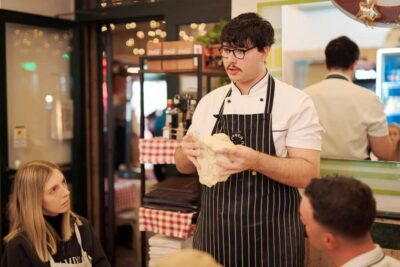
The best part for me is the way the teaching is paced for real humans, not food-magazine robots. You’re in a kitchen setup that’s practical, clean, and organized, and instructors like Miki and Jun (and other team members you may meet) guide you step by step in English. You’ll leave with recipes you can actually follow again, not just a full belly and vague memories.
In This Review
- Key highlights to look for
- Dotonbori’s food focus, without the tourist crush
- Finding Cooking Sun: the 8th-floor detail matters
- What you cook in 3 hours: a realistic ramen-and-gyza rhythm
- Ramen hands-on: noodles and broth from scratch
- Gyoza from scratch: filling, folding, and pan technique
- Customizing for your tastes (and handling dietary notes)
- The teaching style: clear steps, patient pace, real understanding
- The meal at the end: you eat what you made
- Price and value: $71.35 for hands-on cooking that lasts
- Who this Osaka class suits best
- Should you book this ramen and gyoza class?
- FAQ
- How long is the cooking class?
- Where does the class start in Osaka?
- What’s the group size?
- Is there a gluten-free option?
- Can I request a vegetarian or pescatarian version?
- Do I need to bring ingredients or cooking tools?
- Is there an English-speaking instructor?
- What does the price include?
Key highlights to look for

- Handmade ramen noodles plus a homemade broth, not just assembly
- Small class size (max 8) for more attention and fewer bottlenecks
- English-speaking instruction with patient, step-by-step pacing
- Customizable ramen toppings and gyoza filling to suit your preferences
- Take-home recipes so you can cook again after the trip
Dotonbori’s food focus, without the tourist crush
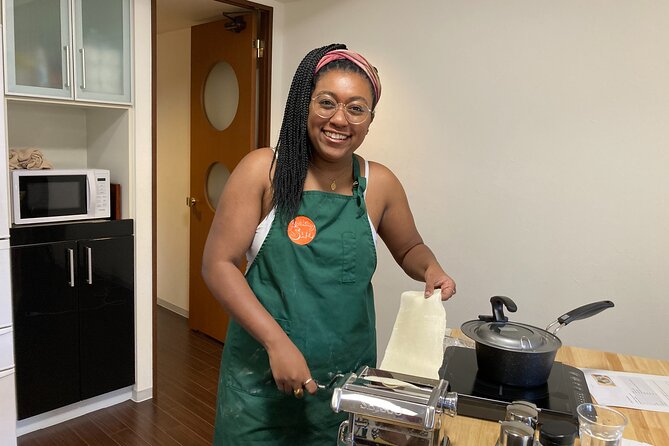
Osaka is where food talk turns practical fast, and Dotonbori is the center of that energy. What I like about this class is that it uses that food culture as a starting point, then teaches you the mechanics behind it. You’re not just tasting. You’re learning how to build flavor and texture.
The location also helps if you’re already basing yourself around central Osaka. You get a structured activity in the middle of the day, and you’re close to public transport once you know the exact meeting building.
You can also read our reviews of more tours and experiences in Osaka.

Finding Cooking Sun: the 8th-floor detail matters
Meet at Cooking Sun at 542-0082 Osaka, Chuo Ward, Shimanouchi, 2-chōme 9-14, 807号室. You’ll start at 1:30 pm, and the activity ends back at the meeting point.
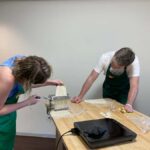
Here’s the practical tip that saves time: the venue is in a residential-style apartment building. One of the biggest complaints isn’t the class itself, it’s getting to the right place. Use the full address in your map app, then take the elevator up to the 8th floor and look for the room. If you’re arriving around the start time, give yourself a little buffer.
You’ll get a mobile ticket, and you’ll be able to confirm at booking. The class is also near public transportation, so you should be able to get there without a long detour.
What you cook in 3 hours: a realistic ramen-and-gyza rhythm
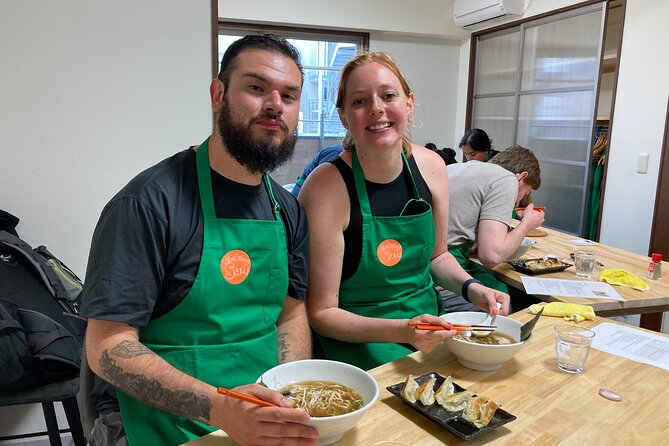
This is a 3-hour class (approx.), and it’s built around a classic Japan set order: ramen plus gyoza. The timing is packed, so plan food accordingly. If you tend to get hungry before you cook, eat a light lunch first. The class often finishes around 3:30, so it can work as an early dinner for many people.
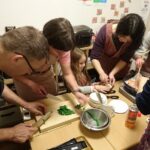
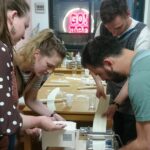
Most of the session is active kitchen work. You’ll mix, prepare, shape, cook, and then finally eat what you made. The teaching style is stepwise, which is a big deal if you’re not a regular home cook.
Ramen hands-on: noodles and broth from scratch
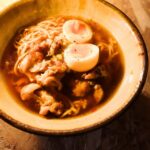
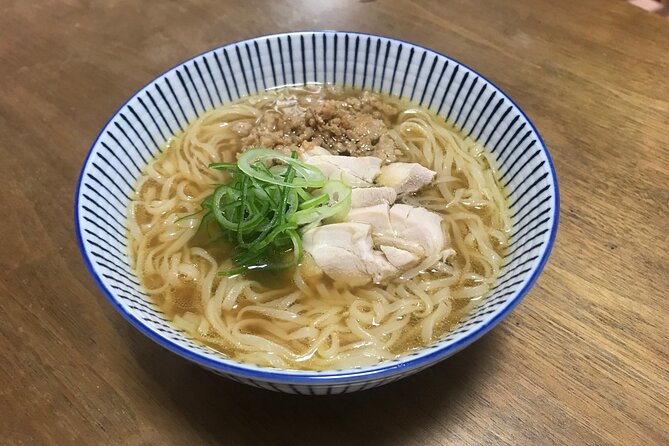
Ramen in a bowl can look simple. The magic is in process. In this class, you’ll make ramen noodles and the soup base from scratch, not relying on pre-made noodles or packaged broth.
What you’ll do
You’ll knead and handle the noodle dough by hand, form the noodles, and cook them through. On the soup side, you’ll prepare a broth base (and you’ll learn how fish-based flavor fits into the system, since many ramen styles use it).
Why this matters
When you make noodles and broth yourself, you stop guessing at what makes ramen taste like ramen. You learn how texture changes with kneading and cooking, and you see how the broth’s flavor builds before toppings ever enter the story. This is also what makes your leftovers easier to handle later. You’ll know what to tweak instead of starting from zero.
Fish flavor note (important for some diets)
If you don’t like fish, you’ll still be able to enjoy the class. There are fish-based elements in many ramen broths, but instructors can guide choices. One of the best signals from the class feedback is that people who weren’t fans of fish still ended up liking the ramen base they were served in class.
Gyoza from scratch: filling, folding, and pan technique
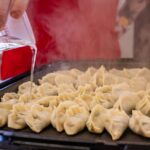
Gyoza is the other half of the equation, and it’s where your hands really get involved. You’ll make a gyoza filling and fold dumplings. The class also focuses on getting the shape right, because that’s part of the flavor payoff.
What you’ll do
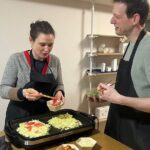
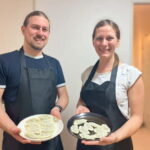
You’ll chop and mix the filling ingredients, then fold gyoza. Even if you’ve never folded dumplings before, the pace is designed for beginners. You’ll get enough guidance to turn out dumplings that resemble what you’d see at a restaurant.
One helpful detail: while the folding is part of the class, wrappers can be premade depending on the setup. That keeps the class on time while still letting you learn the important parts: filling flavor and proper folding.
Why this matters
Gyoza looks like finger food. It’s really about balance—seasoning in the filling, plus the way the dumplings cook so you get crisp and tender together. When you make them yourself, you learn what to adjust the next time: salt level, filling thickness, and how you handle the folding.
Customizing for your tastes (and handling dietary notes)
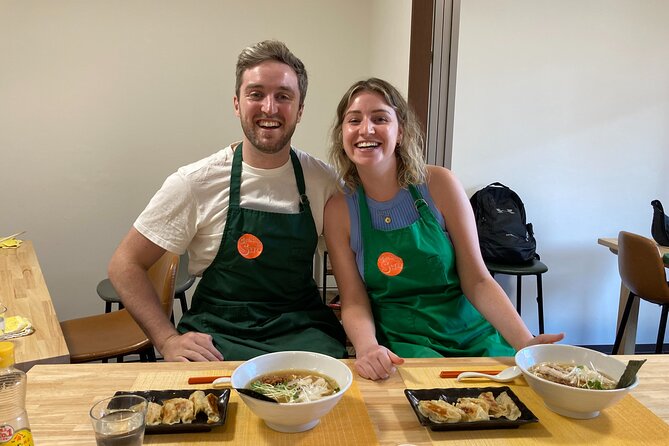
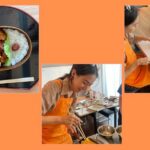
This class is built around customization. You’ll make ramen and gyoza, then adjust things like toppings and filling to match what you like, including different flavor preferences. That’s valuable because Japanese food isn’t one fixed template. It’s a menu of options.
You can also request:
- Vegetarian option
- Pescatarian option
- No-fish option
You need to leave a note upon booking for those options.
Two things to be aware of:
1) Gluten-free option is not available. The class isn’t recommended for travelers with gluten intolerance.
2) If you have allergies or other needs beyond the stated notes, the best move is to share details early so the instructors can plan.
The instruction style tends to help here. In the feedback, people praised how the team handled food allergy needs without making anyone feel left out. That’s not something you should assume for every cooking class, so it’s worth highlighting.
The teaching style: clear steps, patient pace, real understanding
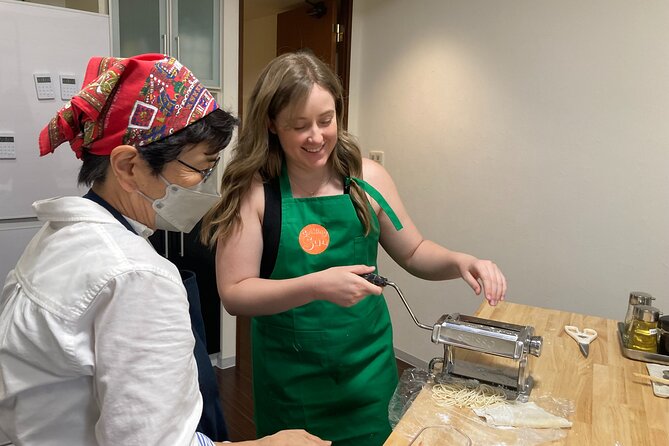
A cooking class lives or dies on the teaching. Here, the guidance is repeatedly praised for being clear and structured. You’ll be told what to do, then you’ll do it, then the instructor checks your progress.
Two details stand out from the experience pattern:
- You’ll learn the why, not just the how. People specifically noted explanations around ingredients and the logic behind certain steps.
- You’ll get practical ingredient context. One highlight mentioned learning about different fish flakes and differences between types of soy sauce and miso, plus why these choices matter for taste.
That kind of context turns recipes into skills. After the class, you can swap ingredients without ruining the dish because you understand what the ingredient is doing.
The meal at the end: you eat what you made
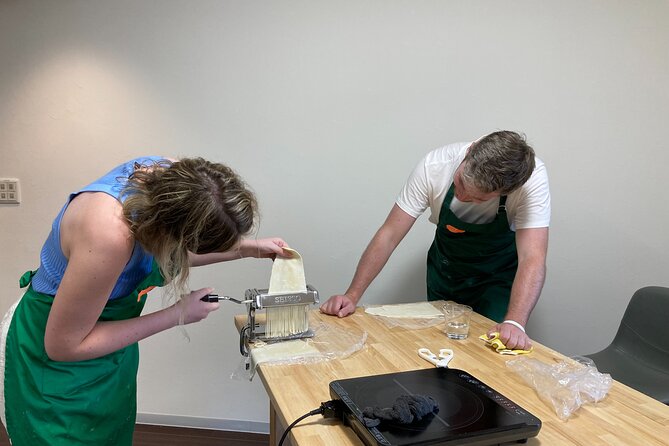
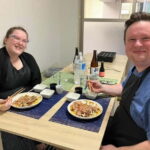
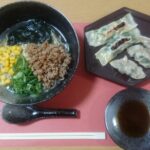
At the end, you sit down and eat your ramen and gyoza. This isn’t a drop-off-and-watch class. Your final meal is part of the experience design.
What you’ll enjoy:
- The ramen you helped create, with the noodles and broth you made
- Gyoza that’s shaped by your hands, not just assembled from a tray
- Topping and flavor choices that match your preferences
And yes, you’ll likely feel proud. Making noodles from scratch and then seeing them in a bowl is the kind of small triumph that sticks with you longer than most souvenirs.
Price and value: $71.35 for hands-on cooking that lasts
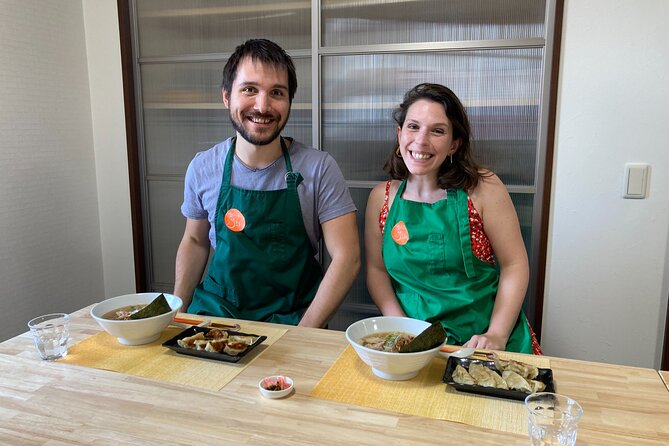
At $71.35 per person, this isn’t the cheapest way to spend an afternoon in Osaka. But it’s also not just a tasting. You’re paying for:
- All ingredients and utensils
- Hands-on ramen and gyoza instruction
- English-speaking instructor
- Recipes to take home
- All fees and taxes
If you compare this to buying ingredients yourself, the class price starts to look more reasonable fast. You’re paying for guidance, time, and the exact setup to learn noodle kneading, broth making, filling mixing, and dumpling folding in one sitting.
The small group size (max 8) is a big part of the value. With fewer people, you’re less likely to wait around for attention. That turns the “you have to cook too” concept into something you actually get to do.
Who this Osaka class suits best
This is ideal if you:
- Want a hands-on Osaka activity, not another walking tour
- Like food education that includes how and why
- Prefer a smaller, quieter class experience in a real kitchen setting
- Want ramen skills you can reproduce at home using the included recipes
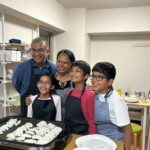
It’s also a good fit for families, including teens. Several people described bringing kids or teenagers and finding the class engaging even for those who don’t normally cook.
The main mismatch is gluten intolerance. Since there’s no gluten-free option, this isn’t a workaround situation.
Should you book this ramen and gyoza class?
If you want one Osaka food activity that gives you skills you’ll still use months later, I think this is a strong booking choice. The recipe take-home, the step-by-step instruction, and the fact that you make both ramen noodles and broth from scratch push it well past the usual “just watch and eat” style.
Book it if:
- You’re excited by ramen and gyoza as a paired meal
- You’re comfortable with a gluten-containing class
- You can make it to 1:30 pm and find the 8th-floor room at the address above
Skip it if:
- You need gluten-free options
- You’d prefer a fully hands-off experience
If you’re unsure, send dietary notes at booking time for vegetarian, pescatarian, or no-fish options. Then you can enjoy the class knowing the kitchen has a chance to tailor the meal within the options they provide.
FAQ
How long is the cooking class?
It’s listed as about 3 hours.
Where does the class start in Osaka?
The meeting point is Cooking Sun, 542-0082 Osaka, Chuo Ward, Shimanouchi, 2-chōme 9-14 807号室. The activity starts at 1:30 pm and ends back at the meeting point.
What’s the group size?
The class has a maximum of 8 travelers.
Is there a gluten-free option?
No. A gluten-free option is not available, and the class is not recommended for travelers with gluten intolerance.
Can I request a vegetarian or pescatarian version?
Yes. You can request vegetarian, pescatarian, or no-fish by leaving a note upon booking.
Do I need to bring ingredients or cooking tools?
No. All ingredients and utensils are included.
Is there an English-speaking instructor?
Yes. The class includes an English-speaking instructor.
What does the price include?
The price includes hands-on ramen and gyoza class, all ingredients and utensils, English-speaking instruction, recipes to take home, and all fees and taxes. Extra food or beverages beyond what’s listed are not included.