REVIEW · OSAKA
Private Japanese Cooking Class in Osaka with Culinary Expert Yoko
Book on Viator →Operated by Traveling Spoon · Bookable on Viator
Shoes off, you start cooking like a local. In a private apartment near Osaka Castle, culinary expert Yoko turns a simple subway meet-up into a hands-on lesson with live demos, real ingredients, and a sit-down meal you can actually taste and learn from. It’s one of those experiences where Japanese food makes sense fast.
I love the private home setting and the small neighborhood introduction right before you cook. And I also love that this isn’t just watching: you’ll get clear instruction while Yoko explains how techniques and flavors work, from seaweed and dried fish roles to how the final dishes come together.
One consideration: the menu may vary by season, and if you have dietary needs you’ll want to flag them in advance, since this is a home-style class where ingredients matter. Also, you’re cooking in a personal kitchen, so it’s not the big, commercial-studio setup some people expect.
In This Review
- Key Highlights Worth Booking
- First Stop: Minami-Morimachi and Yoko’s Neighborhood Warm-Up
- Slippers On, Shoes Off: Inside an Osaka Local Apartment Kitchen
- Five Tastes, Live Demo Style: What You’ll Cook Over 3 Hours
- What makes this format work
- Seaweed and Dried Fish: The Lesson Behind the Flavor
- The Meal Moment: Sake Tasting and What You Eat at the Table
- Private, Personalized, and Actually Practical for Home Cooks
- Where This Fits Best (And Where It Might Not)
- Book It or Pass? My Take on Booking This Osaka Class
- FAQ
- How long is the Japanese cooking class experience in Osaka?
- Where do I meet Yoko for the class?
- Is pickup included?
- Does this experience include alcohol or sake?
- What will I cook during the hands-on part?
- Can I request a vegetarian or vegan option?
- Is the menu the same year-round?
Key Highlights Worth Booking
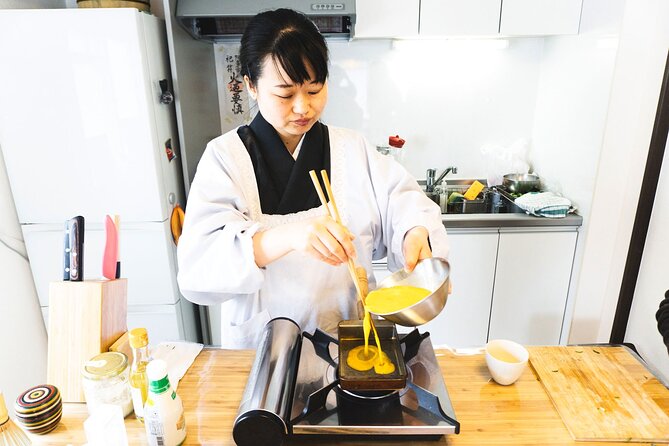
- Meet Yoko near Minami-Morimachi Station with a local neighborhood warm-up before you step inside
- Slippers and home etiquette set the tone immediately for a respectful, authentic class
- Five classic dishes covered, with you actively cooking three from scratch
- Ingredient education focused on staples like seaweed and dried fish, not just recipes
- Sake tasting plus a full home meal, often including sushi, pancake, or Japanese fried chicken
- Green tea ice cream to end the evening on a sweet note
First Stop: Minami-Morimachi and Yoko’s Neighborhood Warm-Up
Your experience starts at Minami-Morimachi Station (the meeting point is listed as 2 Chome-1 Minamimorimachi, Kita Ward, Osaka). You meet Yoko there, then you’re not rushed straight into the kitchen. Instead, she gives you a short tour of her neighborhood.
That small walk matters more than it sounds. Osaka doesn’t feel like a theme park here. You get a quick sense of the local setting around the route—close to the big tourist draw of Osaka Castle, but still in everyday city life. It helps you adjust to the pace of a home visit, and you’ll arrive at the apartment already thinking in terms of place, not performance.
You’ll also be moving with public transportation-friendly timing. The activity ends back at the meeting point, which keeps the night simple if you’re staying in central Osaka.
You can also read our reviews of more tours and experiences in Osaka.

Slippers On, Shoes Off: Inside an Osaka Local Apartment Kitchen
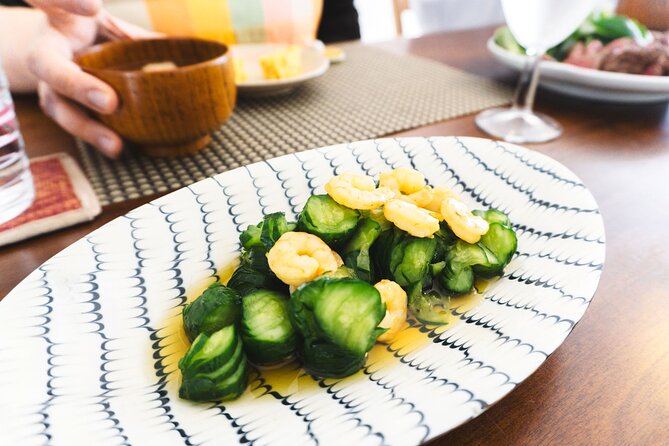
Once you arrive, you’ll switch into slippers. That’s not just a cute detail. In Japan, removing your footwear before entering is a basic etiquette signal. Here it also changes your mindset: you’re entering someone’s personal space, not a rented classroom.
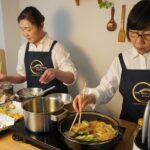
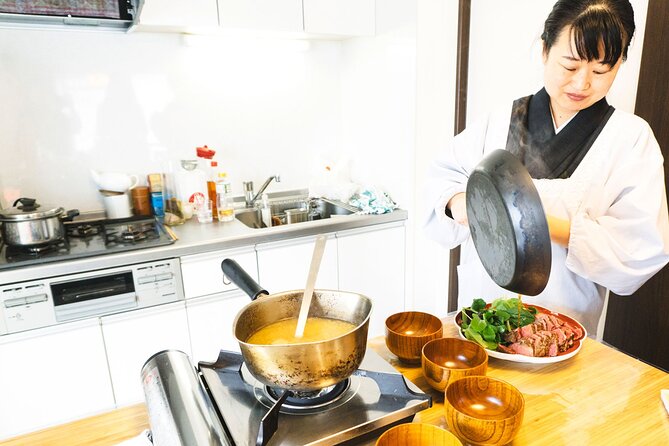
Yoko lives in a simple, clean apartment complex. The kitchen setup is practical and lived-in, which is exactly what makes the class feel grounded. You’re learning techniques you can realistically repeat later, because the tools and workflow reflect normal home cooking.
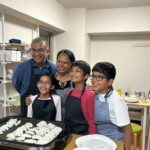
This is also a private experience, meaning only your group participates. That changes the feel. You can ask questions without feeling like you’re competing for attention in a crowded room. If you’re the type who likes to understand why a step happens (not just what step), that format helps a lot.
Five Tastes, Live Demo Style: What You’ll Cook Over 3 Hours
This is described as a 3-hour experience. Within that window, the active cooking portion is about 1.5 hours, and it follows a demo + hands-on rhythm.
Here’s the key structure to expect:
- You’ll learn about Japanese cooking techniques and the five tastes being used across the lesson.
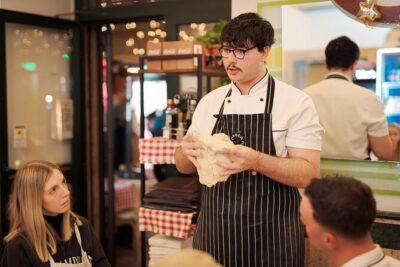
- You’ll watch live demos where Yoko prepares parts of the menu.
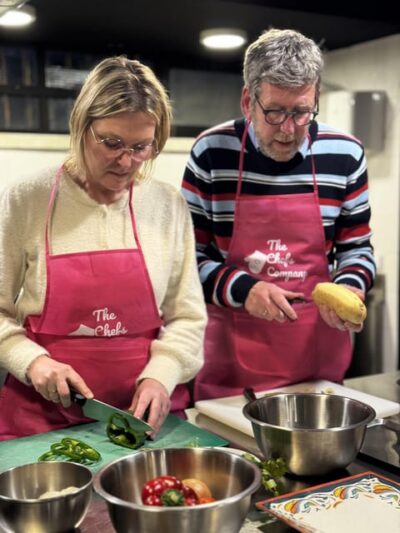
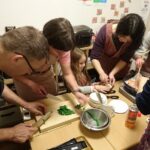
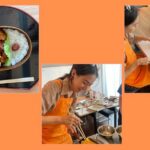
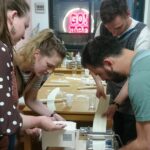
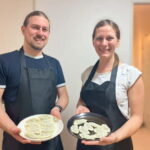
- Then you’ll roll up your sleeves and cook three different dishes from scratch during your hands-on time.
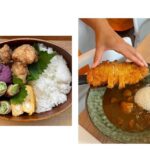
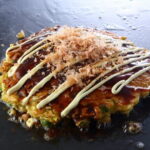
The lesson covers five different specialties overall. Depending on the season, the menu can include dishes like sushi, pancake, and Japanese fried chicken. The exact lineup isn’t guaranteed, but the style is: classic Japanese dishes built around core ingredients and recognizable flavor logic.
What makes this format work
Watching only gets you ideas. Cooking with instruction gets you confidence. The demo portion shows the flow and technique. Then your hands-on portion turns those techniques into muscle memory—especially for steps like cutting, seasoning, and timing, where the difference between good and great is often tiny.
Seaweed and Dried Fish: The Lesson Behind the Flavor
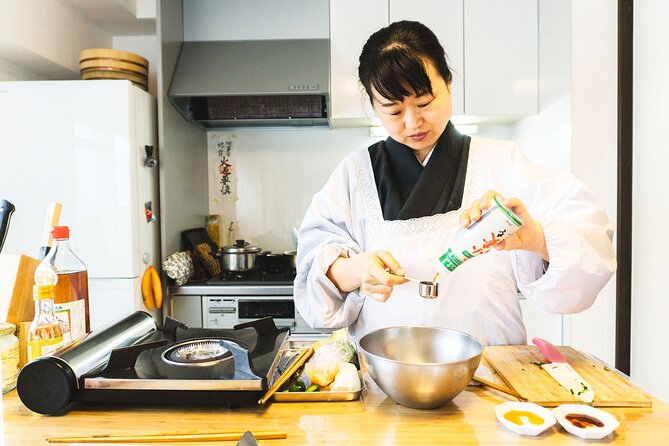
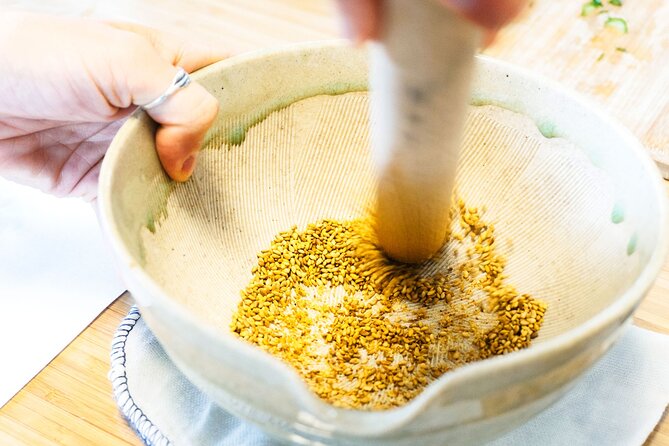
One of the biggest strengths here is that Yoko doesn’t just throw ingredients at you. She shows you key staples you’ll use during the class, including seaweed and dried fish, and explains their role in Japanese cooking.
That kind of ingredient-focused teaching is valuable for two reasons:
- It helps you understand flavor, not just follow a recipe.
- It makes substitutions easier later, because you know what each ingredient is doing.
If you’ve ever tried to cook Japanese food at home and found it missing something, this is usually why. The umami isn’t magic. It’s often specific dried components, seaweed usage, and careful balance.
Also, because Yoko is described as culinary institute-trained, her explanations tend to be structured. You’re not left guessing what matters and what doesn’t.
And yes—you can ask questions. The class is set up for conversation, not silence.
The Meal Moment: Sake Tasting and What You Eat at the Table
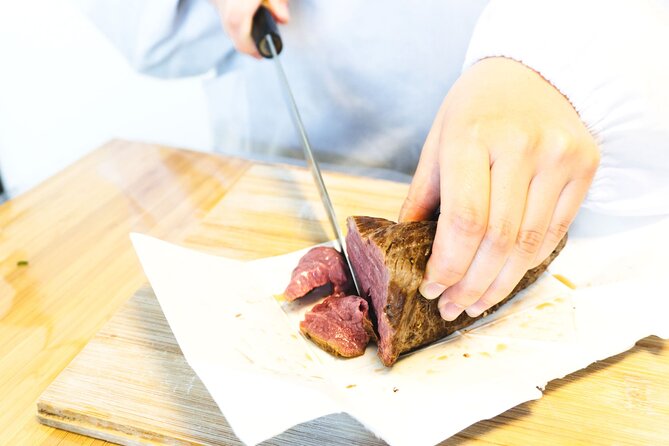
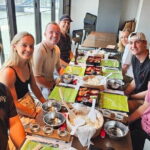
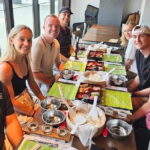
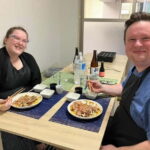
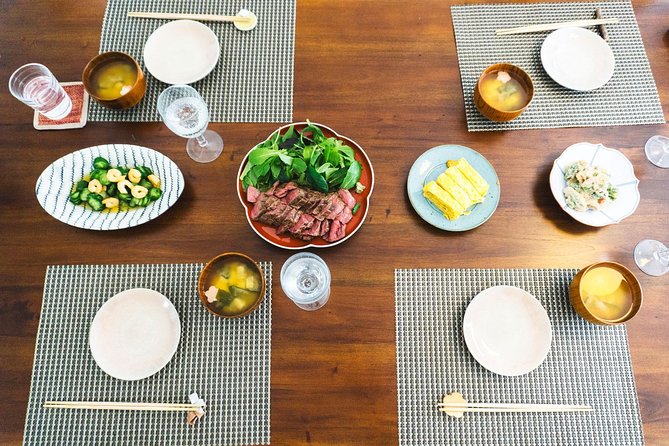
After the cooking, you sit down with what you made and what was prepared during the session. Included in the experience is a homecooked Japanese meal, and a sake tasting is also part of the offering.
That matters because it turns the evening into a full-circle food education. You’re not only learning how things are made—you’re tasting them while you still remember the step-by-step lesson.
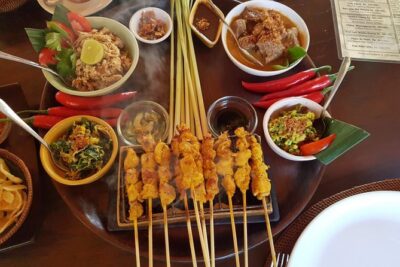
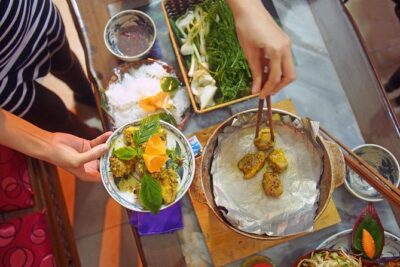
The final meal may include items like sushi, pancake, or Japanese fried chicken, depending on seasonal choice. The menu varies, but the promise is consistent: you’ll eat what you learned, together.
Then you finish with green tea ice cream. It’s the kind of ending that feels properly Japanese—light, cooling, and a sweet wrap-up that doesn’t blow out your palate after richer savory dishes.
Private, Personalized, and Actually Practical for Home Cooks
This class is priced at $182 per person, which at first glance can sound steep. But compare what’s included:
- A private home setting with one culinary expert (Yoko)
- Cooking and instruction for multiple dishes (five total specialties, with you cooking three from scratch)
- A home meal and sake tasting
- A neighborhood intro and a pick-up from Minami-Morimachi Station
- Seasonal flexibility built into the menu
In other words, you’re paying not just for ingredients, but for time, technique instruction, and a guided pathway to Japanese cooking basics. For many people, that’s the difference between a once-off meal and a skill you can repeat.
There’s also a small detail that signals organization: it’s listed as being commonly booked about 72 days in advance on average. That suggests it’s a popular niche format, and calendar space can go fast once word spreads.
Where This Fits Best (And Where It Might Not)
This experience is a strong match if you want hands-on food learning in a real Osaka home. It’s ideal for:
- Food lovers who want to understand ingredient roles like seaweed and dried fish
- People who prefer smaller, private group settings
- Travelers who like to ask questions and get practical advice for cooking later
- Anyone who wants a cultural home-visit component, not just a restaurant tasting
It might be less ideal if you mainly want a classic tourist-style activity with fixed menus and big-group efficiency. Since the menu may vary by season, the dishes you cook could shift. And because it’s a home kitchen, the vibe is personal and cozy rather than polished like a commercial cooking school.
Book It or Pass? My Take on Booking This Osaka Class
If you’re choosing between this and a more generic cooking workshop, I’d lean toward booking if your priority is learning how Japanese flavor is built. The standout parts aren’t just that you’ll cook. It’s how you’ll learn—through ingredient roles, technique explanations, and a private home setting that makes you feel welcomed.
The biggest reason to consider it strongly is the combination of hands-on cooking (three dishes from scratch) plus a broader lesson context (five specialties) and a real sit-down meal with sake tasting and green tea ice cream. That’s a full evening, not a quick demo.
Before you book, do one simple thing: be clear about dietary needs if you have them. Vegetarian and vegan options are available, but you’ll need to request that at booking time. Also, accept that the exact menu may change with the season.
If that sounds good, this is the kind of Osaka experience that leaves you with both memories and repeatable know-how.
FAQ
How long is the Japanese cooking class experience in Osaka?
The experience is listed as about 3 hours. The cooking portion is about 1.5 hours for hands-on participation.
Where do I meet Yoko for the class?
You meet at Minami-Morimachi Station (listed as 2 Chome-1 Minamimorimachi, Kita Ward, Osaka, 530-0054, Japan).
Is pickup included?
Yes. Pick up from Minami-Morimachi station is included. Hotel pickup and drop-off are not included.
Does this experience include alcohol or sake?
Yes. A sake tasting is included.
What will I cook during the hands-on part?
The menu includes five different specialties overall, and you will cook three dishes from scratch during the hands-on portion.
Can I request a vegetarian or vegan option?
Yes. Vegetarian and vegan options are available if you advise at the time of booking.
Is the menu the same year-round?
No. The menu may vary depending on the season.