REVIEW · RAGUSA
Ragusa: Private Cooking Class at a Local’s Home
Book on GetYourGuide →Operated by Cesarine · Bookable on GetYourGuide
This is Ragusa cooking, the real way. In a local home, I love that you learn three classic Sicilian recipes step-by-step, then sit down and taste what you made with local wine. The big win here is the private setting with a certified home cook—so you can ask questions as you go. The only drawback to plan around: you’ll cook in someone’s home, so the address and exact meeting point details come after booking for privacy.
If you want a food lesson that feels personal, this is it. I also like that the class can be timed for either 10 AM or 5 PM and that dietary needs like vegetarian, vegan, or gluten-free can be handled if you request them. And yes, you’ll leave with new skills instead of just photos.
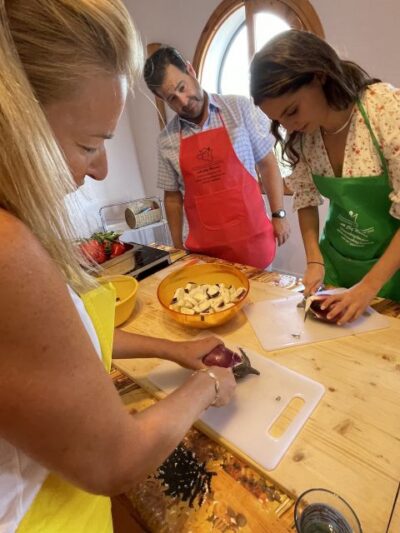
The experience is run by Cesarine, and the vibe is friendly, not formal. You’re not watching from the sidelines; you’re working at a real workstation with utensils and ingredients ready to go, then eating as part of the same flow.
In This Review
- Key highlights to know before you go
- Ragusa cooking class in a real home: what the experience feels like
- How the 3-hour format works (and why it’s a good length)
- Meeting in a local home: what to expect from the location setup
- Course 1: the starter—learning what “Sicilian style” tastes like first
- Course 2: pasta—where hands-on technique really matters
- Course 3: dessert—learning the finish that makes the meal feel complete
- Tasting session with local wine: what to look for
- Who teaches this class (and why the names matter)
- Price and value: is $164.26 per person worth it?
- Best for: who will enjoy this most
- Possible drawback: the “home” factor cuts both ways
- When to schedule it in your Ragusa day
- Should you book this Ragusa private cooking class?
- FAQ
- How long is the Ragusa private cooking class?
- Where does the class take place?
- What do you cook during the class?
- Do you taste the food you cook?
- Is this class private?
- What languages are used during the class?
- Are dietary requirements supported?
- What time does the class usually start?
- What’s included in the price?
Key highlights to know before you go
- Private class in a local family home with a certified home cook
- Three dishes: starter, pasta, and dessert, built through hands-on instruction
- Taste everything you cook, paired with local wines, plus water and coffee
- A “family table” feel—Salvina and Angelo are specifically praised for warmth and teaching
- Dietary needs can be accommodated on request (veg, vegan, gluten-free)
Ragusa cooking class in a real home: what the experience feels like
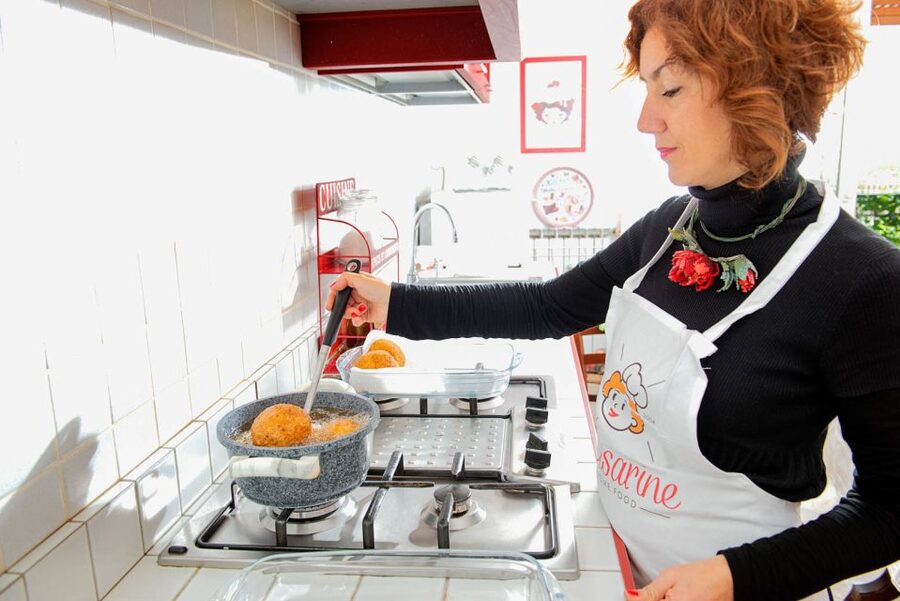
Ragusa has a way of making you slow down. This class fits that pace. Instead of a crowded studio or a show-for-tourists vibe, you enter a local family kitchen and learn at a normal home tempo: talk, cook, taste, adjust, repeat.
The teaching style matters. A home cook doesn’t just explain the recipe—they explain the habits behind it: how something should look, what you should smell for, and when to stop stirring. That’s where the lesson sticks. I like that you’re not just memorizing steps. You’re learning what “right” feels like.
And then you eat. Not later. Not somewhere else. You taste what you make with local wine, along with water and coffee, as part of the same experience. That pairing is practical, too: it helps you understand what flavors the region likes in everyday life, not just on a menu.
One thing to be honest about: since it’s in a private home, your schedule depends on your host’s availability and the day’s flow. You’ll be given the address after booking, and you’ll want to arrive with enough time to park and settle in.
How the 3-hour format works (and why it’s a good length)
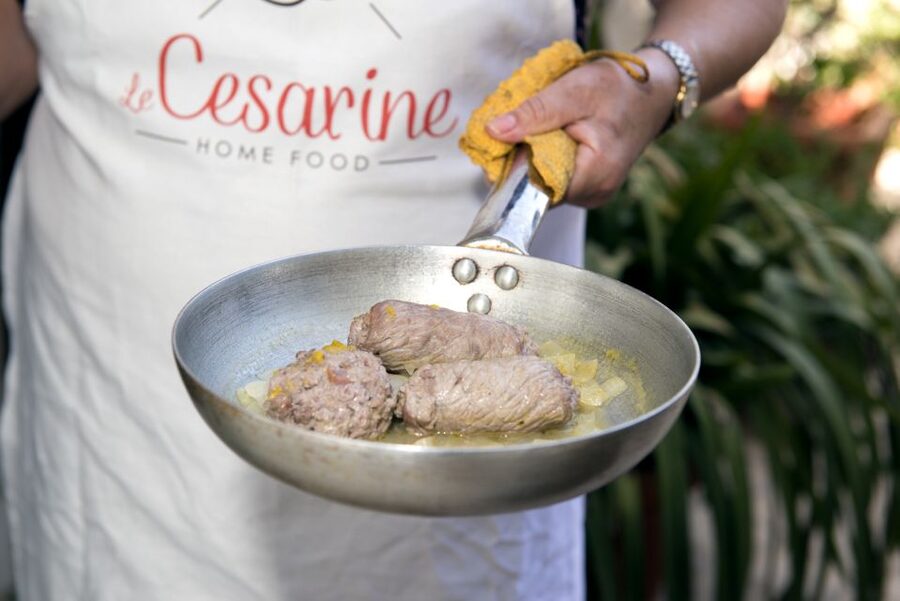
This class runs about 3 hours. For a private activity, that’s a smart window. Short enough to fit into a day without stress, long enough to actually cook three meaningful courses.
Here’s the flow you can expect:
First, you arrive and get set up at the workstation. Ingredients and tools are already there, so you’re not scrambling to find supplies. Then you move through three Sicilian recipes in a starter → pasta → dessert sequence. Each dish is hands-on, with guidance in English and Italian from the instructor.
By the end, everything is ready for tasting, paired with local wines and coffee. That last part is more than a reward—it’s the checkpoint. You’ll see how your choices turned out and you’ll get a real feel for the balance of the dishes.
The private nature also changes the pacing. If you want to slow down for technique or ask why a sauce behaves a certain way, you can. No one is rushing you to keep a group moving.
Meeting in a local home: what to expect from the location setup
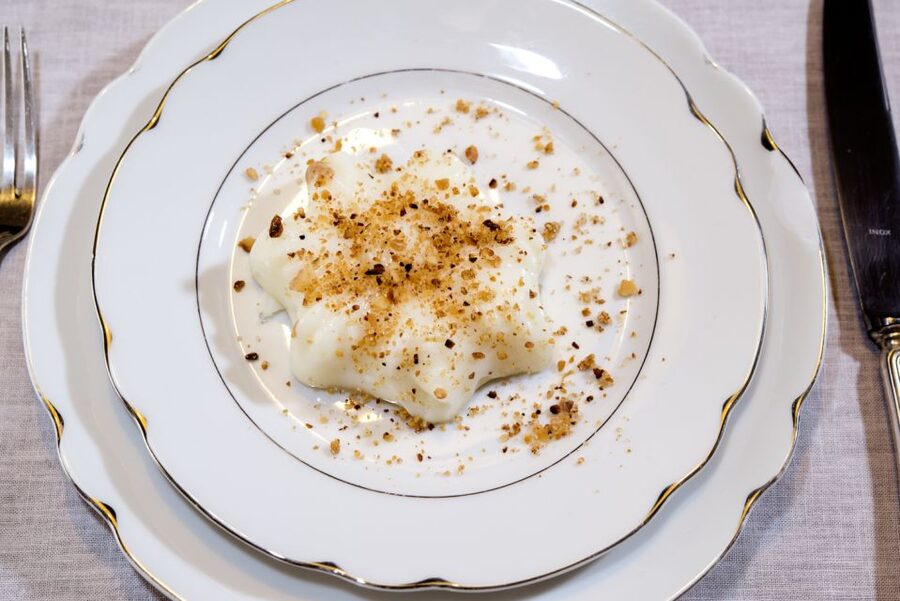
Because this takes place in a family’s home, the full address isn’t sent until after you book. That’s for privacy, and it’s common for home-based experiences.
So your job is simple:
- Wait for the host message with the exact meeting point/address
- Plan to arrive a few minutes early
- Treat the visit like you’re being welcomed into a household, not a public venue
The upside is huge. The space isn’t staged. That’s what makes the cooking feel grounded. You’ll be cooking with the kind of tools and ingredients that show up in real Sicilian kitchens, not just what a tour operator brings in.
A practical tip: dress like you’ll be standing and moving. You’ll be at a counter with ingredients and utensils out, and you’ll likely handle fresh items as the cooking progresses. You don’t need a full “chef uniform,” but wear something comfortable and not too precious.
Course 1: the starter—learning what “Sicilian style” tastes like first
The class begins with a starter. In Italian cooking, the first course is where flavor direction gets set—salt balance, acidity, herbs, and texture. The starter isn’t a warm-up dish. It’s teaching you the logic of the region’s flavor style.
What I like about starting here is that it gives you quick wins. You see the recipe come together, you taste early, and you can adjust your approach before you move to the pasta.
You’ll cook at the workstation with ingredients and utensils already provided. That matters because the focus stays on the technique, not on logistics. And because the class is private, you can ask questions without feeling like you’re slowing down a crowd.
From the teaching side, the best lessons often come through small corrections: the way you chop, how you handle heat, when to add something so it doesn’t overpower the dish. Even if you’ve cooked at home before, you’ll likely pick up a couple “why didn’t I think of that” moments.
Course 2: pasta—where hands-on technique really matters
Then you move to the pasta course. Pasta is the heart of Italian cooking, and it’s where technique matters most. Timing, consistency, and balance are everything.
The class format keeps it practical:
- You’re working, not watching
- You’ll use ingredients already set up for you
- You’ll follow the home cook’s guidance as you build the dish
This is also where learning in a home shines. A family cook tends to talk about the subtle cues—how something should look before you proceed. That kind of coaching is hard to get in a fast-paced demo.
Another nice part: by the time you reach pasta, you’ve already tasted your starter. So you’re not starting from zero. You’re building the meal like a Sicilian would, course by course, taste by taste.
And since it’s private, you’re more likely to get personalized attention if you hit a snag—because there aren’t other people to manage in parallel.
Course 3: dessert—learning the finish that makes the meal feel complete
The final course is dessert. This is where you see what’s different about Sicilian sweetness: it’s not always just sugar-forward. Often it’s about texture, aroma, and that “just right” sweetness that doesn’t overpower the memory of the meal.
Even if dessert sounds simple, it’s usually technique-heavy—getting the timing right, understanding how ingredients behave, and making sure you don’t rush the final steps.
In a class like this, dessert becomes more than a sweet ending. It’s part of learning the full rhythm of an Italian meal: starter to pasta to dessert, all connected by the same regional flavor instincts.
Also, since you’ll taste everything you make, you’ll get immediate feedback. That’s one of the reasons these classes stick with you. You don’t just hear instructions—you experience the result.
Tasting session with local wine: what to look for
Once the food is ready, you taste everything you prepared. This is paired with a selection of local wines, plus water and coffee.
Don’t treat the wine as an afterthought. It’s part of how Italian cooking is understood at home. Wine changes how you perceive salt, fat, and acidity. It can make a sauce feel richer or a dessert taste cleaner.
If you’re the type who likes to learn with your taste buds, pay attention to the pairings:
- How the wine works with the starter’s flavors
- How it shifts with the pasta sauce
- How it handles the dessert’s sweetness
The staff is there to guide you if questions come up. And because you cooked the dishes, your questions will be specific—exactly what makes the conversation good.
Who teaches this class (and why the names matter)
This experience is handled by Cesarine, with an instructor who speaks English and Italian. In real-world terms, that means you’ll get clear explanations and you can ask about technique without having to guess.
The host names that come up strongly are Salvina and Angelo. They’re praised for opening their home and treating people like family, not just customers. One review also notes how meaningful the experience was for someone in Ragusa tracing their roots—learning dishes their mother used to make.
That matters, because it tells you what kind of class this is. You’re not just learning recipes; you’re learning how the family behind them sees cooking—as memory, routine, and care.
Price and value: is $164.26 per person worth it?
At $164.26 per person, this isn’t the cheapest activity in Sicily. But for a private, three-hour cooking class in a home—complete with ingredients, utensils, three dishes, and drinks—the value can make sense fast.
Here’s the value math I think about:
- You’re paying for a private setup, not a shared group slot
- You’re cooking three courses, not one quick dish
- You get tasting with local wine, plus water and coffee
- You’re learning at home level with a certified home cook, which usually means better coaching than a scripted demo
If you’d otherwise spend money on a dinner out plus a separate culinary experience, this bundles the lesson and the meal. For food-focused travelers, that’s often the sweet spot.
If your priority is only to eat (no interest in technique), it might feel pricey. But if you want skills you can use later, it’s a strong buy.
Best for: who will enjoy this most
This class fits best if you:
- Want a hands-on food experience rather than a passive tour
- Like the idea of learning starter, pasta, and dessert instead of just one item
- Prefer small, personal interactions over group settings
- Travel with dietary restrictions and want them handled with care (veg, vegan, gluten-free on request)
- Enjoy wine pairing as part of understanding the meal
It’s also a good fit for families, based on the warm tone described for a visit with kids. Just remember it’s a cooking class, so kids will be part of the experience, not watching from a separate area.
Possible drawback: the “home” factor cuts both ways
The biggest consideration is the home setting itself. That’s what makes it special, but it also means:
- You’ll follow the host’s home rules and flow
- You’ll get the exact address after booking (so don’t plan on mapping it early)
- You’re entering a private household space, so expect a quieter, more intimate environment than a public restaurant kitchen
If you’re uncomfortable with informal household dynamics or you need very predictable logistics, you might find this style more challenging than a public venue class.
When to schedule it in your Ragusa day
You’ll usually see start times around 10 AM or 5 PM, with some flexibility based on your travel needs. Either option can work.
- 10 AM is great if you want a cooking-first day. You’ll likely eat more lightly after the class because you already had a full meal and wine.
- 5 PM is great if you want a later evening rhythm. You’ll still end with food and coffee, but your day gets a natural anchor.
If you’re doing other Ragusa activities, think about travel time and buffer. Home addresses sent after booking can mean you’ll need a little extra time to find parking and arrive relaxed.
Should you book this Ragusa private cooking class?
I’d book it if you want more than a meal. This is a chance to learn technique from people like Salvina and Angelo, cook three Sicilian courses, then eat your work with local wine in the place where it all feels normal.
Skip it only if you want a big production or you’re mainly looking to check off a box. This is for travelers who like hands-on learning and don’t mind that a home setting changes the logistics.
If you’re the kind of person who wants to bring something back besides photos—like real cooking skills and the story behind them—this class is a great match.
FAQ
How long is the Ragusa private cooking class?
It lasts about 3 hours.
Where does the class take place?
In a local family’s home in Ragusa. For privacy, you receive the full address after booking.
What do you cook during the class?
You make three local dishes: a starter, pasta, and dessert.
Do you taste the food you cook?
Yes. You’ll taste everything you prepare, paired with local wines, plus water and coffee.
Is this class private?
Yes, it’s a private group experience.
What languages are used during the class?
The instructor speaks English and Italian.
Are dietary requirements supported?
Dietary needs like vegetarian, vegan, or gluten-free can be catered to if you request it.
What time does the class usually start?
It typically starts around 10 AM or 5 PM, but it can be flexible based on your travel requirements.
What’s included in the price?
The class includes cooking instruction for three dishes, plus beverages: water, wines, and coffee.