REVIEW · RAGUSA
Ragusa: Traditional Sicilian Cooking Class
Book on GetYourGuide →Operated by Empeeria · Bookable on GetYourGuide
Five dishes, one Sicilian kitchen rhythm. In Ragusa, you cook and eat at an agriturismo with views of the Iblei Mountains, guided in English or Italian by the chefs. I especially like the hands-on focus (not just watching) and the way the menu covers real Ragusa-area favorites, from vegetable caponata to ricotta ravioli. One thing to consider: this is a 5-hour class in a working countryside kitchen, so plan to arrive ready to roll and to stand for part of the time.
In This Review
- Key things that make this cooking class worth your time
- A 5-hour Sicilian kitchen day in Ragusa
- The agriturismo setup and that Iblei Mountains view
- Vegetable caponata and the skill of Sicilian flavor-building
- Scacce: learning a Sicilian pocket you’ll want to repeat
- Ricotta ravioli and cassatina: pasta skills plus a sweet payoff
- Cavatelli with pork sauce: comfort food done the Sicilian way
- Lunch or dinner in the garden: eating like the day was yours
- Fresh ricotta, artisanal cheese, and Sicilian red wine
- English or Italian, small group attention, and who this fits best
- Price and logistics: getting your money’s worth for $328.53 per group
- Should you book this Ragusa traditional cooking class?
- FAQ
- How long is the Ragusa traditional Sicilian cooking class?
- What’s included in the price?
- Where does the class take place?
- Is this class offered in English?
- Do they accommodate food intolerances or allergies?
- Is there free cancellation?
Key things that make this cooking class worth your time
- Hands-on cooking for five Sicilian dishes, not a demo-only format
- Iblei Mountains panorama at an agriturismo setting in the countryside
- Real pasta practice with ricotta ravioli and cavatelli sauce
- Scacce and cassatina bring in the savory-and-sweet Sicilian mix
- Small group options (often up to 2 per group), which keeps the experience personal
- Local tasting moments: fresh ricotta, artisanal cheeses, and Sicilian red wine
A 5-hour Sicilian kitchen day in Ragusa
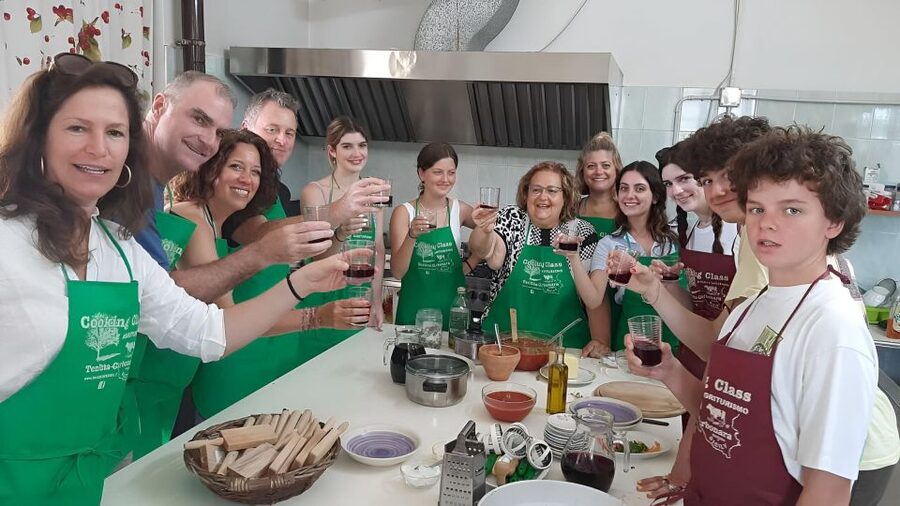
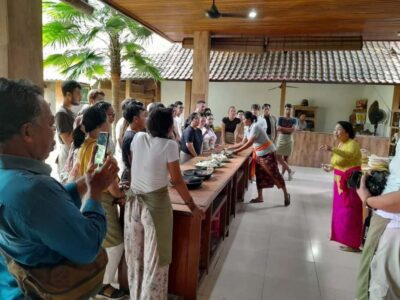
This Ragusa cooking class is built for people who want more than a meal. You spend about 5 hours learning techniques and turning out multiple dishes, then sitting down to enjoy what you made. The setting matters here: it’s in the countryside at an agriturismo, with the Iblei Mountains in view, so the day feels like it belongs to Sicily rather than a rushed food stop.
Now, the price: $328.53 per group (up to 2 people). That’s not cheap in raw dollars, but it’s also not a “big group, big volume” deal. You’re paying for chef time, ingredients, lunch or dinner, and the guided step-by-step work of learning several regional dishes in one session. If you’re the kind of traveler who likes practical skills you can repeat later, it can feel like good value. If you just want to taste without cooking, you might find it too involved.
You can also read our reviews of more tours and experiences in Ragusa.
The agriturismo setup and that Iblei Mountains view
You’ll start at the agriturismo meeting point, and you’ll want to arrive at least 15 minutes early so the day stays on schedule. That early arrival tip sounds small, but in a countryside kitchen it actually keeps things calm. It also gives you time to settle in before you’re put to work chopping, mixing, shaping, or rolling.
What I like about this kind of start is the atmosphere. You’re not cooking in a city storefront under fluorescent lights. You’re cooking with a view of the Iblei Mountains, and that changes your mindset. It’s easier to slow down and treat the class like a full meal day, not a quick ticket.
The class is hosted or greeted in English and Italian, so you can ask questions without guesswork. There’s also a small-group option, which tends to translate into more hands-on attention—especially if you’re learning pasta and fillings.
Vegetable caponata and the skill of Sicilian flavor-building
One of the first dishes you’ll learn is vegetable caponata, a classic Sicilian mix known for sweet-sour balance and deep flavor from cooking vegetables until they’re tender and cohesive. In a good class format, caponata is where you start connecting technique to taste: sautéing, reducing, and building a sauce that clings instead of just pooling.
For you, this matters because caponata is a dish you can adapt later. Once you understand how the vegetables behave and how the flavor “rounds off” when it’s simmered, you’re no longer stuck following a recipe line by line. You can recreate the idea at home even if you shop slightly differently.
Also, caponata is a strong choice for a cooking class because it doesn’t demand one single specialty tool. You learn the process, and that process carries over to other Sicilian staples on your menu.
Scacce: learning a Sicilian pocket you’ll want to repeat
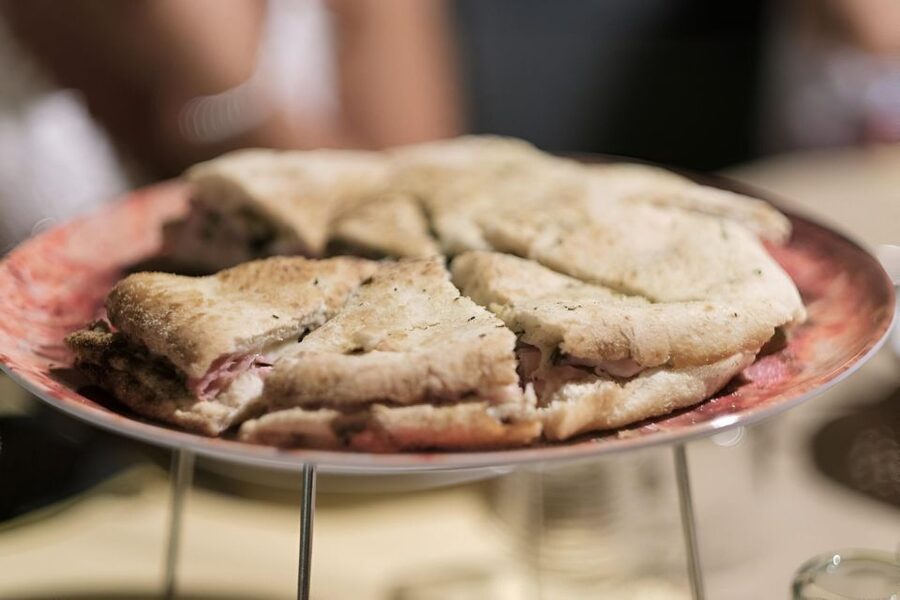
Another dish in your hands-on lineup is Scacce, the Sicilian savory turnover that’s all about filling and sealing. The name may sound unfamiliar, but the method is very learnable: prepare the filling, assemble the pocket, then cook until it’s crispy and properly cooked through.
What makes Scacce a smart class dish is that it teaches you something practical: portioning and sealing. If the dough isn’t sealed well, you’ll get leaks and uneven cooking. If it’s sealed well, the filling stays juicy while the outside develops that satisfying bite.
And yes—this is one of those foods that makes you feel like you’re doing something real, not just mixing ingredients. You’re shaping and cooking, and you’ll likely leave with more confidence in dough-based technique than you expected.
Ricotta ravioli and cassatina: pasta skills plus a sweet payoff
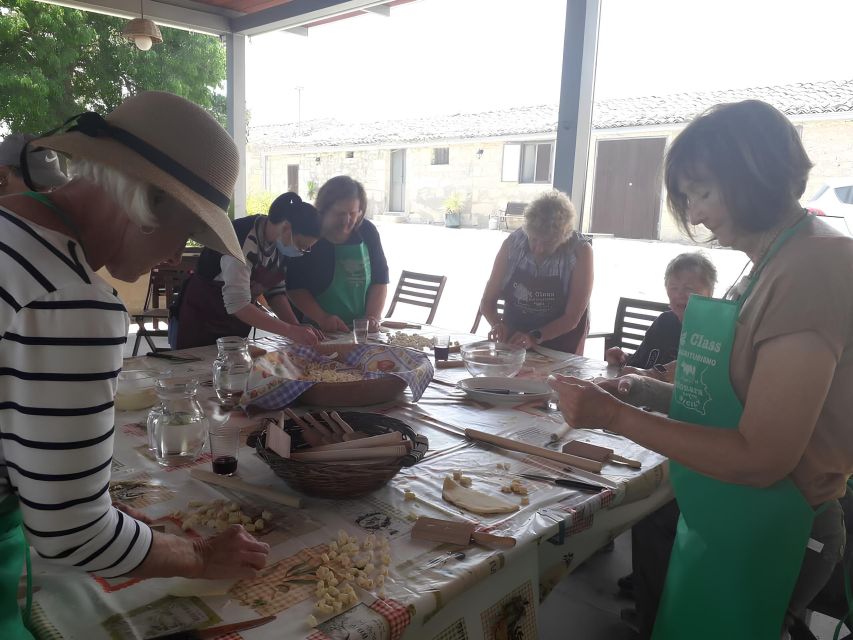
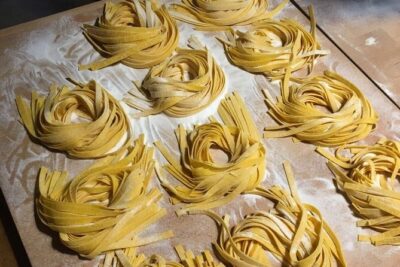
This class doesn’t just stop at savory. You’ll assist in preparing ricotta ravioli—a big deal because ravioli is where many people get nervous. The course includes the practical steps that help you understand the filling texture, how much to portion, and how to manage the dough so it cooks evenly.
Then there’s cassatina in the mix. Cassatina (Sicilian-style dessert) brings in the sweet side so the meal isn’t only about hearty comfort. In a cooking class, that matters because it balances your day. You work through dough and fillings, take a break to sample local products, and still end the experience with something satisfying.
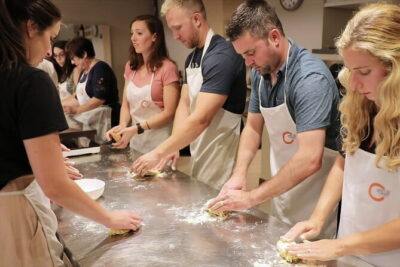
In the reviews that describe this class, the best theme is how hands-on it can be—especially for pasta. If you’re the type who loves learning by doing, this is the part of the day that tends to make the biggest impression, because you’re shaping something that’s actually shareable at lunch or dinner.
Cavatelli with pork sauce: comfort food done the Sicilian way
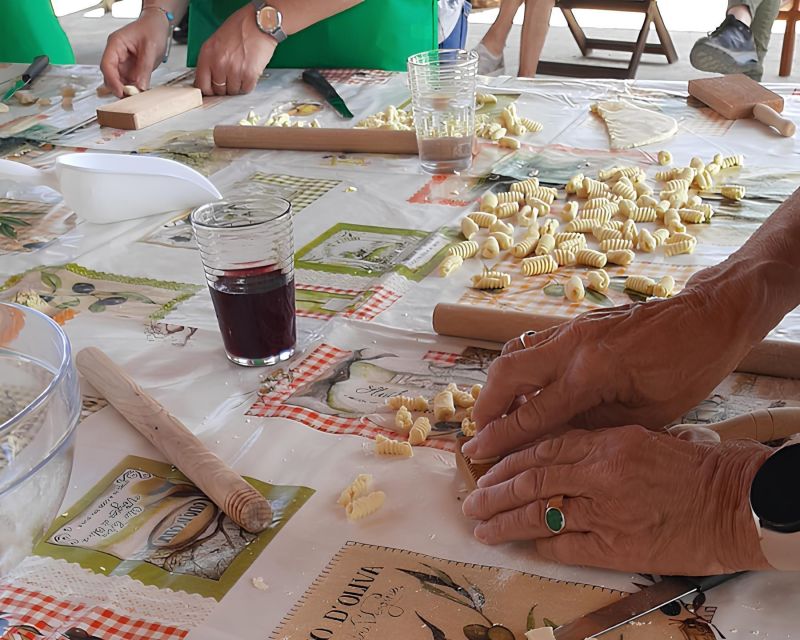
You’ll also learn cavatelli with pork sauce. This gives the day an extra layer of practicality: sauce-building and seasoning, plus pairing it with the shape of the pasta. Even if you don’t become a pasta factory at home, you’ll learn how Sicilian cooking leans on slow-cooked flavor and proper seasoning rather than just heat.
Cavatelli is another reason this class works well for travelers. The pasta shape is distinctive and forgiving compared with very delicate noodles. When the sauce is right, you don’t need complicated plating to make it feel special—just a good spoonful and a proper mix.
The class format also helps you understand timing. When you’re cooking several dishes back-to-back, you start noticing what can be prepared ahead and what needs attention right before serving. That’s useful knowledge if you like cooking for friends.
Lunch or dinner in the garden: eating like the day was yours
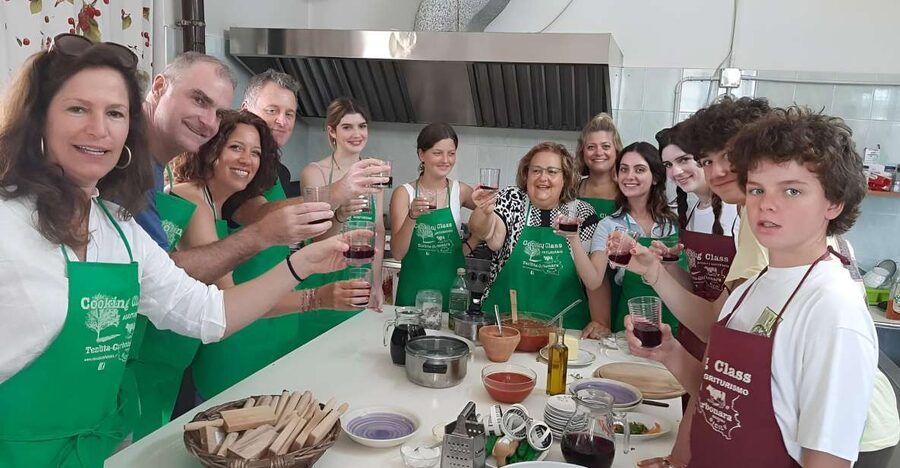
After the cooking work, you’ll enjoy lunch or dinner as part of the experience. One review highlights eating in the garden while enjoying a glass of wine, and that matches the overall feel of the day: cook first, then settle in.
This is also where value shows up. The class isn’t only a skill session. You get the payoff—food you made, served in a comfortable setting. That matters because it turns your labor into enjoyment immediately instead of sending you home with a bunch of raw plans and half-finished ingredients.
If you’re deciding between classes, look for this feature. “Cook and eat” is usually the best combination of learning and satisfaction.
Fresh ricotta, artisanal cheese, and Sicilian red wine

Another strong part of the day is tasting. You’ll sample fresh ricotta and other artisanal cheeses, accompanied by a glass of Sicilian red wine. This is not just an extra snack. It’s a palate primer.
When you taste local ricotta and cheeses alongside what you’re cooking, you start to understand why those dishes work. Ricotta isn’t interchangeable with any bland substitute—it has a personality. That tasting helps you connect flavor to technique, especially for ravioli and any cheese-forward elements of the meal.
And because it’s Sicilian red wine, it pairs naturally with the savory courses you’re making, like caponata and pork sauce. You’ll likely leave with a clearer idea of what to drink with Sicilian comfort food.
English or Italian, small group attention, and who this fits best
The host or greeter supports the experience in English and Italian, and there’s small-group availability. Reviews also mention occasions where the group was just two people, which makes sense with the group pricing up to 2.
That small size is the biggest practical advantage. In a larger class, you can spend time waiting for instructions. In a smaller setup, you can keep working—especially with pasta shaping and filling tasks. You’re more likely to get direct guidance on what you’re doing wrong and how to fix it on the spot.
Who this suits best:
- Couples or friends who want a shared experience and plenty of hands-on time
- Food travelers who like learning technique, not just tasting
- People who enjoy Sicily’s comfort-food style: savory first, then a sweet finish
Who might skip it:
- If you only want a quick bite and no cooking effort
- If standing for a portion of the class day would be a problem for you (this is a working kitchen environment)
Price and logistics: getting your money’s worth for $328.53 per group
Let’s be blunt about value. $328.53 per group (up to 2) is a premium compared with casual food tours, but the inclusions justify part of it. You get:
- the cooking class
- lunch or dinner
- an apron (listed as a gadget)
- a certificate of participation
That “apron plus certificate” detail won’t change the flavor, but it signals a structured activity with real chef-guided work. The bigger value is what you don’t see in the price line: you’re learning multiple dishes in a single day—caponata, scacce, ricotta ravioli, cassatina, and cavatelli with pork sauce—then eating them right away.
Also, the class length is 5 hours, which gives you enough time to learn without feeling like you’re being herded through steps. If you’re booking in Sicily, it’s often easier to fit this kind of half-day activity into your itinerary than a longer day that requires more transport.
Should you book this Ragusa traditional cooking class?
Book it if you want a real Sicilian food day where you cook multiple dishes and eat what you make, with local ricotta, artisanal cheeses, and a glass of Sicilian red wine. It’s a strong choice for couples or small groups who like hands-on learning, especially if you’re interested in pasta technique and classic regional flavors.
Consider skipping if you’re mostly after tasting and scenery with minimal participation. This class is about you working in the kitchen—rolling, assembling, and learning how things come together.
If you do book, plan to arrive early, and when you reserve, point out any food intolerances or allergies. That’s the one step that can make the difference between a good day and a stressful one.
FAQ
How long is the Ragusa traditional Sicilian cooking class?
The experience runs for 5 hours. Starting times depend on availability.
What’s included in the price?
The class includes the cooking session, lunch or dinner, an apron, and a certificate of participation.
Where does the class take place?
It takes place at an agriturismo in the countryside of Sicily, with views of the Iblei Mountains.
Is this class offered in English?
Yes. The host or greeter speaks English and Italian.
Do they accommodate food intolerances or allergies?
You should mention any food and beverage intolerances or allergies when making your reservation so the organizers can take that into account.
Is there free cancellation?
Yes. You can cancel up to 24 hours in advance for a full refund.