REVIEW · ILLINOIS
Private Indian-Mexican Fusion Cooking Class with a Modern Cook in Chicago
Book on Viator →Operated by Traveling Spoon · Bookable on Viator
Spice and tacos meet in one Chicago kitchen. This private Indian-Mexican fusion class with host Ruby happens in her home in Hoffman Estates, where you learn fusion techniques and cook before sitting down to a multi-course meal with alcoholic beverages. It’s about 3 hours total and taught in English.
I love the one-on-one guidance. You cook three dishes from scratch, and Ruby is willing to build a menu that fits your family, including changes for food allergies. I also like the built-in flexibility between modern Indian fusion and traditional Indian cooking, so you can choose the vibe that fits your group.
The main trade-off is practical: there’s no hotel pickup, so you’ll need a plan to get to Hoffman Estates and back.
In This Review
- Key Things I’d Highlight Before You Go
- Cooking in Ruby’s Home: What Makes This Class Different
- Fusion vs Traditional Indian: How to Choose Your Menu Style
- The Hands-On Part: What You’ll Actually Do for Two Hours
- Fusion possibilities: mixing methods without losing control
- Traditional possibilities: classic Indian building blocks
- Why this “three dishes” structure works
- The Feast at the End: Why the Meal Matters More Than the Lesson
- One-on-One Instruction With Ruby: How It Turns Into Skills for Home
- Value Check: Is $84 for a Private Class a Good Deal?
- Practical Tips for a Smooth Evening in Hoffman Estates
- Who Should Book This Class (and Who Might Skip It)
- Should You Book This Private Indian-Mexican Fusion Cooking Class?
- FAQ
- How long is the cooking class?
- Where does the class start, and is hotel pickup provided?
- Is this a private experience?
- Can I choose between modern Indian fusion and traditional Indian?
- What kinds of dishes might I learn to cook?
- What’s included in the price?
- Is the class taught in English?
- What is the cancellation policy?
- Are service animals allowed?
Key Things I’d Highlight Before You Go
- Private class, only your group: you get direct attention while you cook, not a crowded demo.
- Three dishes from scratch: enough variety to learn real technique without turning the whole night into “just watching.”
- Modern fusion or traditional Indian: you’ll choose the menu style when booking.
- End with a full meal + drinks: you don’t just taste; you sit down and share what you made.
- Ruby customizes when needed: people have noted she adapts the menu for family food allergies.
- Meet in Hoffman Estates: plan your transportation ahead since pickup isn’t included.
Cooking in Ruby’s Home: What Makes This Class Different
This isn’t a warehouse cooking show. It’s a home-based class in Hoffman Estates, with Ruby as your host and instructor. That setup matters because you’re not just learning recipes in theory. You’re working in a real kitchen with real tools, asking questions as you go, and learning how the dish changes when you adjust spices, heat, and timing.
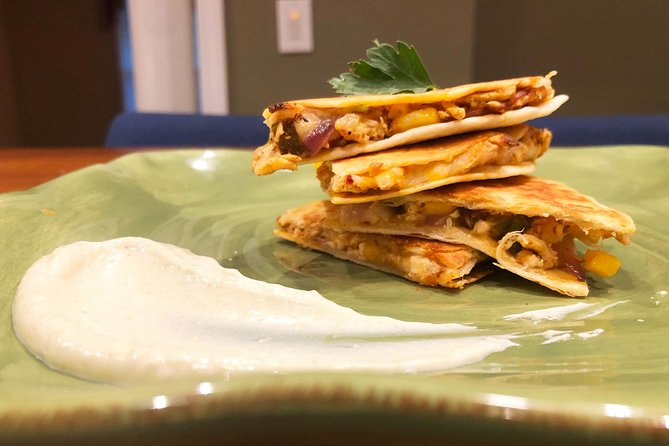
The “Indian-Mexican fusion” part is fun, but it’s also smart. Fusion cooking often fails when it turns into gimmicks. Here, it’s more like you’re learning two spice worlds at the same time and watching how they can share ingredients and flavor logic. You might see familiar Mexican-style formats (like quesadilla-style eating) paired with Indian flavors (tandoori onions, tandoori-style spicing) and then tied together with a creamy finish.
And then there’s the payoff. After about two hours of hands-on cooking, you sit down for the meal you helped create. The class includes alcoholic beverages, which makes it feel like a real evening, not an educational errand.
Fusion vs Traditional Indian: How to Choose Your Menu Style
You’ll have a real choice: modern Indian fusion or traditional Indian. When you book, you’ll want to state your preference so Ruby can shape the menu for your group.
If you go modern Indian fusion, you’ll be learning dishes that blend techniques and flavors from both cuisines. The class might include things like:
- Paneer quesadillas with tandoori onions and crack crema
- Indian-spiced corn eloté
- Curried cauliflower with chimichurri, or basmati rice-stuffed poblanos
- Mango lassi, plus dessert options like mango panna cotta
If you choose traditional Indian, the menu leans classic and would likely include crowd-pleasers like:
- Biriyani with raita
- Tandoori chicken
- Aloo gobhi (spiced potato and cauliflower)
- Mango kulfi
You might not cook every single item listed—your hands-on time focuses on three dishes from scratch. But the structure usually still gives you a clear view of how the meal comes together, from yogurt-based cooling sauces to spice-heavy mains and finished desserts.
My advice: pick fusion if you want something playful and Instagram-friendly, but still practical to cook later. Pick traditional if you want deeper grounding in classic Indian techniques and flavors, and you like the idea of building a full plate with raita, tandoori-style dishes, and biryani.
The Hands-On Part: What You’ll Actually Do for Two Hours
The core of the experience is direct cooking time. Expect about two hours of hands-on work, where you learn to make three dishes from scratch. “From scratch” here matters. You’re not just assembling takeout into a plate. You’ll be actively cooking—building components, seasoning, and learning how the dish behaves as it cooks.
Here’s what that can look like with the dishes included on the menu:
Fusion possibilities: mixing methods without losing control
- Paneer quesadillas with tandoori onions: you’ll work with the idea of pairing a warm, savory filling with a handheld format. The tandoori onion flavor brings smoke and spice logic, while the crack crema adds a cool, creamy counterpoint.
- Indian-spiced corn eloté: corn becomes more than a side. You’ll learn how Indian-style seasonings change the sweetness and texture of elote, which is one of those techniques that’s easy to repeat at home.
- Curried cauliflower with chimichurri or stuffed poblano: this is where you learn contrast. Chimichurri is herby and tangy, while a curry leans spiced and warming. Stuffed poblanos bring another structure—rice and filling logic, not just sauce logic.
- Mango lassi: this drink is a lesson in balance. Mango brings sweetness; yogurt brings thickness and cooling; spices (if used) tie everything together.
Traditional possibilities: classic Indian building blocks
- Biriyani with raita: biryani is a system—rice, spice layering, and finishing. Then raita shows you how to cool and reset the palate with yogurt, salt, and aromatics.
- Tandoori chicken: you’ll learn the purpose of tandoori-style seasoning and the cooking approach that gives that bold, spiced result.
- Aloo gobhi: potatoes and cauliflower teach patience and timing. This is usually where you learn how to get tender vegetables without turning them mushy.
- Mango kulfi: dessert as a final technique lesson—again, sweet and cooling.
Why this “three dishes” structure works
Many cooking classes either throw too much at you (and you feel lost) or make it too repetitive (and you learn less variety). Three dishes hits the sweet spot: you get enough variation to leave with multiple new options, but you still have time to ask questions and practice technique.
And because this is private, you’re not stuck waiting for your turn.
The Feast at the End: Why the Meal Matters More Than the Lesson
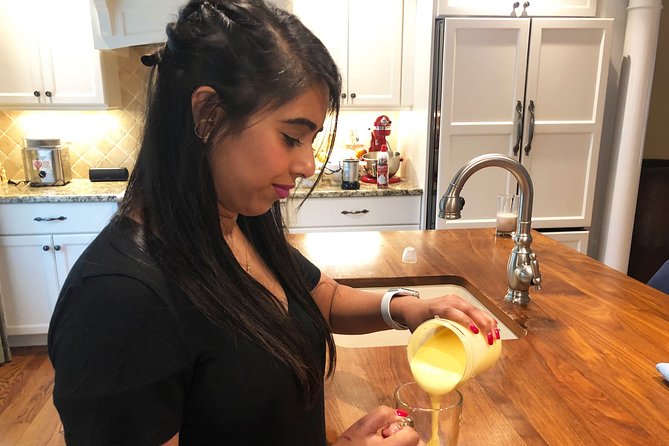
After you cook, you sit down to share the meal. This is more than a nice finish. It’s how you connect what you learned to what you actually want to taste and eat.
You’ll enjoy a multi-course spread, and it includes alcoholic beverages. If alcohol isn’t your thing, you can still have a normal evening—just know that the class is set up as a food-and-drinks experience, not a dry cooking workshop.
There’s another subtle benefit here: when you eat the food you made, you see what Ruby intended with the balance. For example, the cooling effect of sauces like raita or creamy finishes can make spicy dishes feel approachable. The dessert choices—like mango panna cotta or mango kulfi—also help you taste the meal as a full arc, not isolated dishes.
From what Ruby has done for groups, there’s also a strong emphasis on conversation and comfort in the home setting. That means you’re more likely to ask follow-up questions, get spice and ingredient guidance, and leave with a sense of how to adapt the recipes later.
One-on-One Instruction With Ruby: How It Turns Into Skills for Home
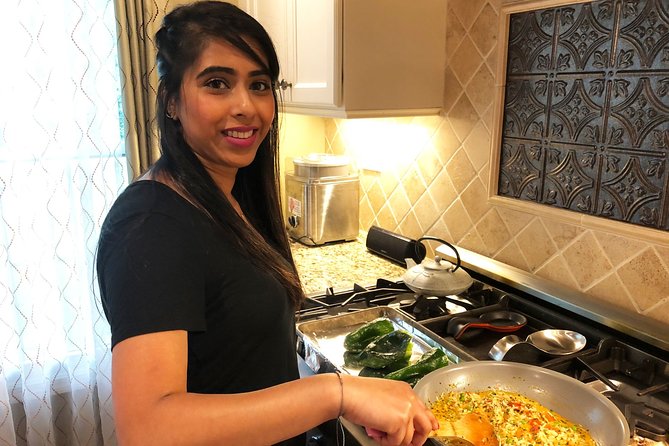
This is the part that makes the class worth it, even if you’re a confident cook. Private instruction changes the feedback loop.
Instead of guessing why something turned out a bit off, you can adjust in real time. Ruby can:
- Explain what to look for as the food cooks
- Help you manage timing between dishes
- Suggest tweaks based on your comfort level
One particularly practical detail from past guests: Ruby has created custom menus to adapt to family food allergies. That’s huge because it means the class can become useful for your household, not just a one-off event. If you have allergy needs, don’t be shy about mentioning them during booking.
Also, because the class is taught in English, you can focus on the cooking rather than translation. You’ll get clear answers while your hands are still busy.
Value Check: Is $84 for a Private Class a Good Deal?
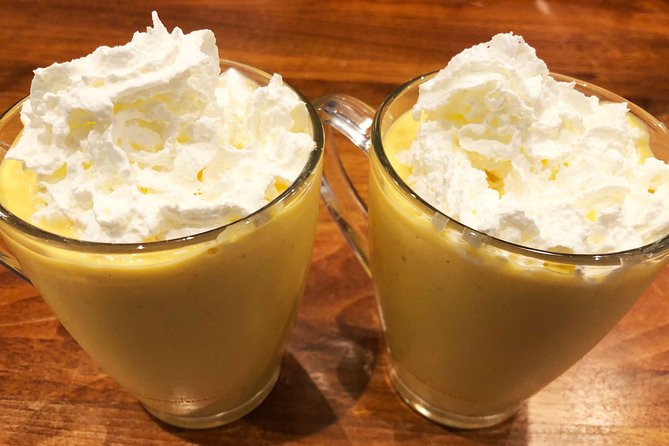
At $84 per person, this isn’t “cheap,” but it also isn’t priced like a fancy restaurant dinner. Here’s why it can still be good value:
- You’re paying for a private host/instructor experience, not a shared class where attention is diluted.
- You cook three dishes from scratch, which is real practice time.
- The evening includes a multi-course meal with alcoholic beverages.
- Gratuities are included, so you’re not stuck doing the mental math at the end.
- You come away with a set of recipes and techniques you can repeat, like spiced corn eloté style sides, rice stuffing ideas, and the classic raita pairing logic.
A small factor that’s worth noting: the class is often booked about a month in advance on average. If you’re aiming for a specific date, you’ll want to lock it in sooner rather than later.
Practical Tips for a Smooth Evening in Hoffman Estates
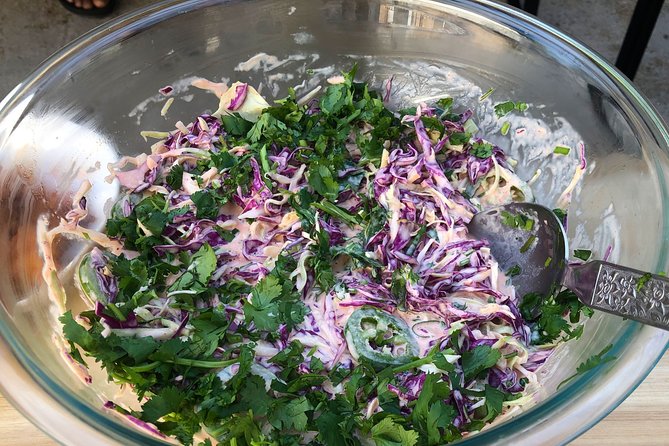
A few simple things will help you enjoy the experience and get more out of it:
- Plan transportation: there’s no hotel pickup, so make sure you can get to Hoffman Estates and back easily.
- Come hungry: you’ll cook, then you’ll eat. The meal is part of the program, not an afterthought.
- Choose your menu style when booking: fusion or traditional Indian changes what you’ll learn.
- If you have allergies, speak up: Ruby has adapted menus for families in the past, and you’ll get the best results if you share needs early.
- Be ready for an adults-focused meal: alcoholic beverages are included, so it’s a better fit for adults than for a strict family-only night without drinking.
Dress matters too, in a basic way. This is a cooking class in a real kitchen, so wear clothes you’re comfortable getting a little messy (or at least cooking-splatter tolerant).
Who Should Book This Class (and Who Might Skip It)
This experience fits best if you like hands-on learning and you want a meal that feels personal to your group.
It’s a great match for:
- Foodies who love spice and texture contrasts
- Couples or small groups who want a private, social evening at someone’s home
- People who want skills they can repeat, not just a one-time taste
- Gift-givers: a past guest used it as a birthday gift, and the idea of spending time together cooking and eating landed well
It might be less ideal if:
- You need easy city-center pickup or don’t want to travel to Hoffman Estates
- You’re expecting a purely professional, commercial-kitchen setup
- You want a class that’s tightly timed like a factory schedule (home experiences tend to be more human and flexible)
Should You Book This Private Indian-Mexican Fusion Cooking Class?
I’d book it if you want a fun, skill-building evening that ends with a real sit-down meal. The private format is the big win: you get attention while you cook three dishes from scratch, then Ruby feeds you what you made. That combination is exactly how cooking lessons become lasting.
I’d hesitate only if getting to Hoffman Estates without pickup is a deal-breaker for you. If transportation is manageable and you’re excited about either Indian fusion or traditional Indian plates, this is a strong choice.
FAQ
How long is the cooking class?
It runs for about 3 hours total (approximately). The hands-on cooking portion is about 2 hours.
Where does the class start, and is hotel pickup provided?
The class starts in Hoffman Estates, IL, USA. Hotel pickup and drop-off are not included, and the experience ends back at the meeting point.
Is this a private experience?
Yes. This is a private tour/activity, and only your group will participate.
Can I choose between modern Indian fusion and traditional Indian?
Yes. You can state your preference when making your booking. The class offers both modern Indian fusion and traditional Indian menu options.
What kinds of dishes might I learn to cook?
The menu can include items like tandoori paneer quesadillas with crack crema, Indian-spiced corn eloté, curried cauliflower with chimichurri or basmati rice-stuffed poblanos, and mango lassi. Traditional options can include biriyani with raita, tandoori chicken, aloo gobhi, and mango kulfi.
What’s included in the price?
The price includes the private cooking class with host Ruby, alcoholic beverages, and gratuities.
Is the class taught in English?
Yes, the class is offered in English.
What is the cancellation policy?
You can cancel for a full refund up to 24 hours in advance of the experience start time. If you cancel less than 24 hours before, the amount paid is not refunded.
Are service animals allowed?
Yes, service animals are allowed.