REVIEW · BANGKOK
Bangkok: Thai Cooking Class and Onnuch Market Tour
Book on GetYourGuide →Operated by Pink Chili Thai Cooking Class Bangkok · Bookable on GetYourGuide
Thai cooking gets real when you shop first. This half-day class pairs ingredient hunting at Onnuch Market with hands-on cooking at the Pink Chili Thai Cooking School.
I love that you get to pick produce, herbs, and spices with guidance, not just follow steps. I also like the small group size, limited to 8 people, so you can ask questions while you cook.
One thing to keep in mind: this is a fast 4-hour session, and if you’re late, you may miss the market part.
You’ll make classic favorites that actually match what you bought at the market. Expect four dishes with a practical focus on flavors like curry, noodles, and tangy salads, plus a sweet finish.
If you’re craving a slow, sit-back-and-watch style, this may feel intense since you’ll cook multiple dishes within the time window.
In This Review
- Key Highlights You Should Not Skip
- Pink Chili Thai Cooking School: Where Your Thai Meal Starts
- Onnuch Market Shopping: How to Choose Better Spices and Produce
- Four Dishes in Four Hours: What You’ll Actually Cook
- Cooking With Your Teacher: Thai Techniques You Can Reuse
- Pad Thai and Papaya Salad: Two Flavor Styles, One Learning Curve
- Thai Curry and Mango Sticky Rice: The Comfort and the Sweet Finale
- Eating Together: Turning Work into a Real Meal
- Price and Value in Bangkok: Is $43 Worth It?
- Who Should Book This Class
- Should You Book This Bangkok Thai Cooking Class?
- FAQ
- What is the duration of the Bangkok Thai cooking class and market tour?
- How many dishes will I cook?
- Which dishes are included in the class?
- Where do I meet for the activity?
- How many people are in the group?
- What’s included in the price?
Key Highlights You Should Not Skip
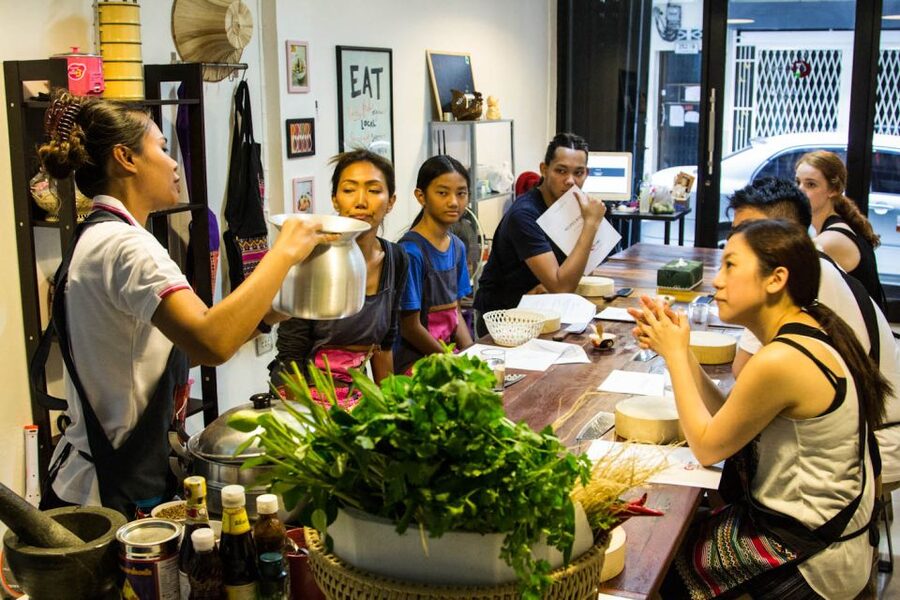
- Onnuch Market shopping for your exact dinner ingredients, with guidance on what to choose
- Small group size (max 8) for quick help and easier questions
- Four hands-on dishes in about 4 hours, including Pad Thai, papaya salad, Thai curry, and mango sticky rice
- English-speaking instructor who focuses on practical techniques and Thai spice/herb know-how
- Unlimited tea, coffee, and water during the experience
- Daily menu variety, so you might cook a slightly different set of dishes than expected
Pink Chili Thai Cooking School: Where Your Thai Meal Starts
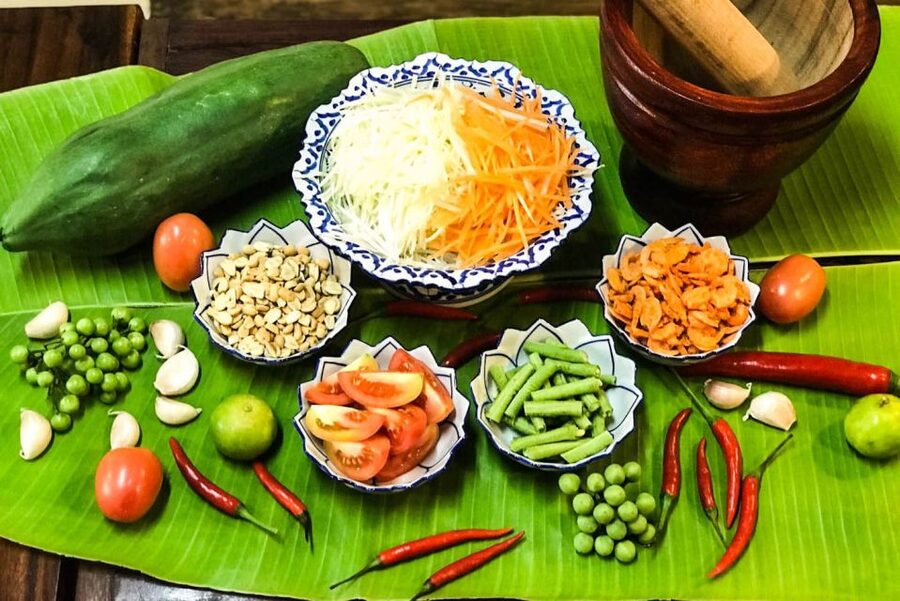
This experience is built around a simple idea: Thai food makes more sense when you see ingredients before they hit the pan. You start at the Pink Chili Thai Cooking School in Bangkok, where you’ll meet your English-speaking teacher and get set up for cooking.
There are two class start times, and both affect your day. Morning classes meet at 8:45am, while afternoon classes meet at 1:45pm. If you arrive late, you may miss the market tour, and the market is half the point of this class. So plan to be early enough to breathe, check in, and get moving.
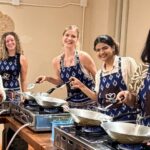
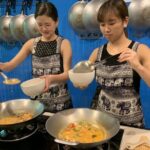
Inside, the pace ramps up quickly. You’re not signing up for a demo. You’re cooking. That means you’ll pay attention to how your teacher explains key flavor pieces—how Thai dishes balance sour, salty, sweet, and heat. It also means you’ll be working in a kitchen environment designed for a group, not a home stove experience.
The group stays small (up to 8 people). That matters more than you’d think. When questions pop up—like how to handle a spice paste, when noodles are ready, or why your salad dressing tastes different—small groups make it easier to get real answers instead of waiting your turn.
And yes, you get breaks in the form of tea, coffee, and water on tap. It’s the kind of practical setup that keeps you fueled for the market walk and the cooking session.
You can also read our reviews of more tours and experiences in Bangkok.
Onnuch Market Shopping: How to Choose Better Spices and Produce
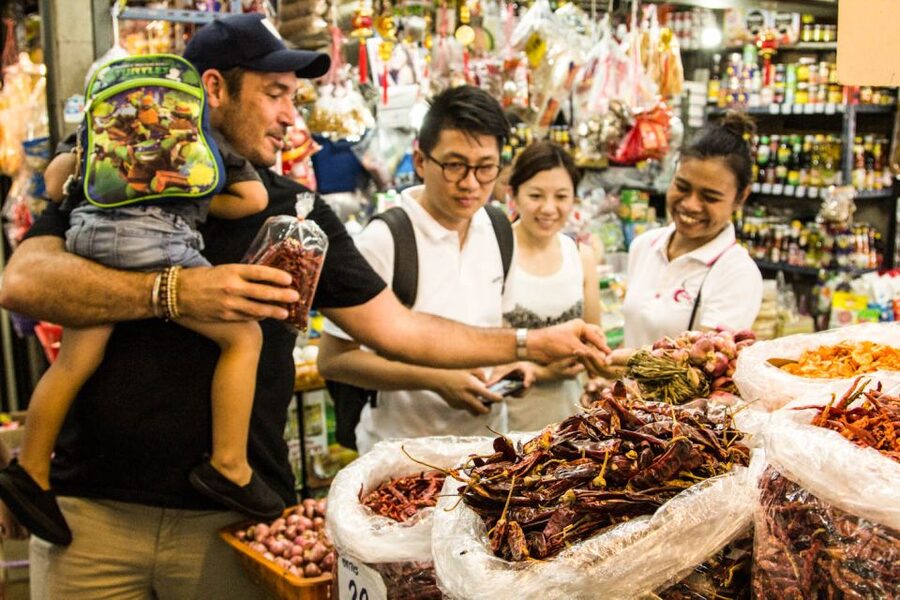
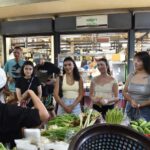
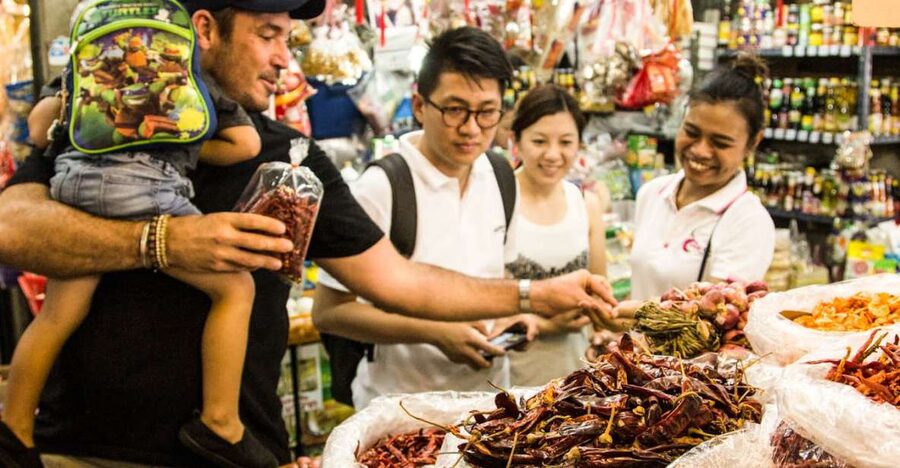
The market stop is where the class becomes useful for the rest of your trip. You head to Onnuch Market to gather supplies for your meal, and you walk it with your teacher.
What I like about this approach is that you learn what good ingredients look and smell like in real life. You’re not just buying items off a list. You’re learning how to select them—especially the parts that usually confuse people at home, like which herbs feel fresh, which aromatics seem strong, and how spices differ in quality.
A key part of the value here is that the market choices connect directly to the food you later cook. When you choose ingredients with your teacher’s guidance, you can taste the difference during the final meal. That’s how you connect flavor theory to real bites.
You’ll also get the benefit of seeing Thai food ingredients as a system. Thai cooking uses herbs and spices in ways that feel subtle until you know what to look for. Once you’ve seen them at the market and handled them back in the kitchen, the dishes make more sense.
One practical note: markets involve walking and decision-making. Comfortable shoes help. Plan to bring your focus—you’ll want to absorb what your teacher points out, not just take photos.
Four Dishes in Four Hours: What You’ll Actually Cook
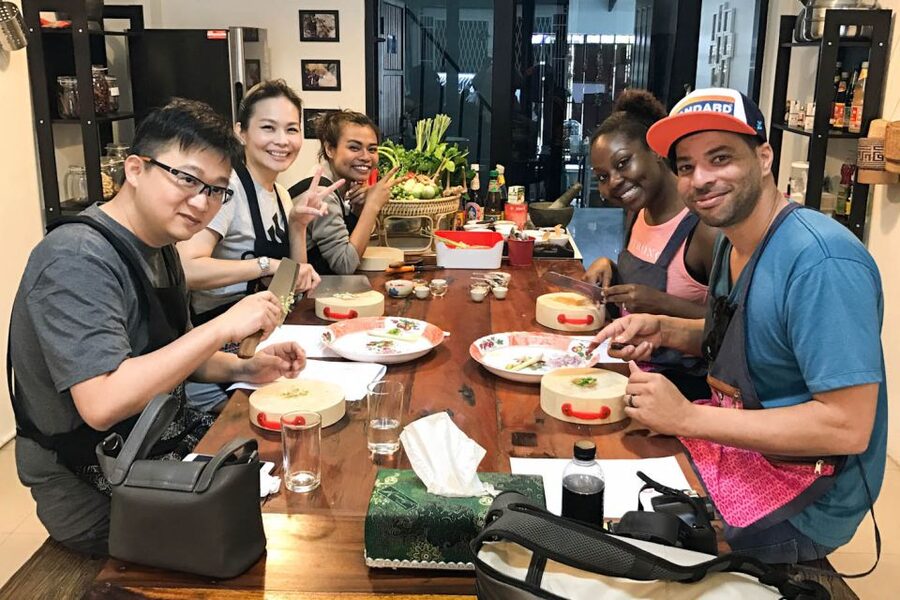
This is a true cooking class with a set of classic Thai dishes. You’ll cook four dishes during the 4-hour session, and you’ll eat what you make at the end.
The menu is designed to cover different parts of Thai flavor:
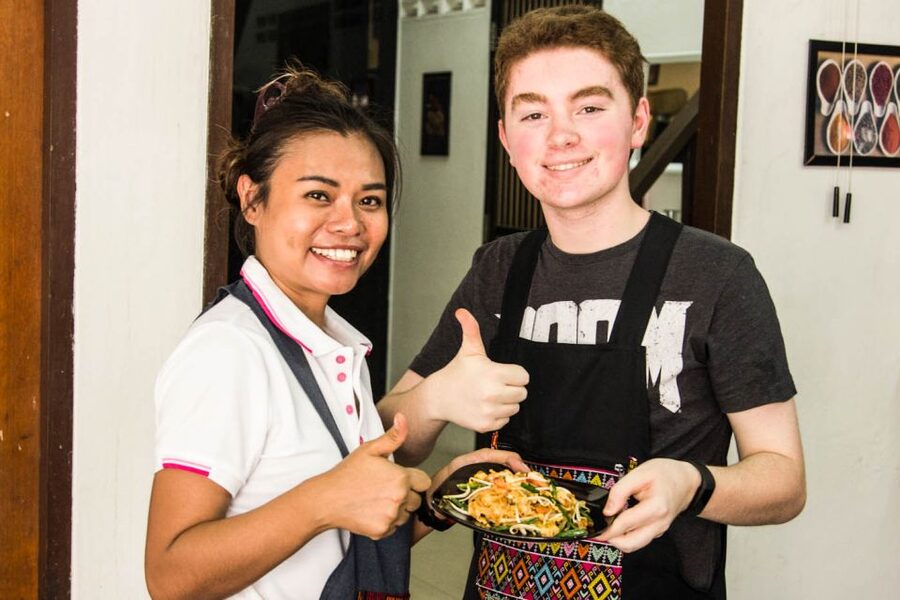
- Pad Thai (noodle dish, typically with tamarind-style tang and savory-sweet balance)
- Papaya salad (crisp, sour-salty, with heat and sweetness)
- Thai curry (aromatic curry flavor built from herbs/spices and coconut or similar richness, depending on the day’s menu)
- Sweet mango sticky rice (a dessert finish where mango and sticky rice are the stars)
One detail that’s useful for planning: the menu can change daily. So if you’re picking this class because you want a specific dish, know that these four categories are the focus, and the exact style may vary.
The timing is what makes this class feel like a challenge—in a good way. You’ll cook multiple dishes in one session, which means you learn faster. Instead of treating Thai cooking like one dish at a time, you experience how Thai meals are built: multiple components, different textures, and different flavor jobs.
If you’re comfortable cooking but not used to Thai techniques, you’ll likely find this format ideal. It’s enough hands-on work to get confidence, without dragging into a full day.
Cooking With Your Teacher: Thai Techniques You Can Reuse
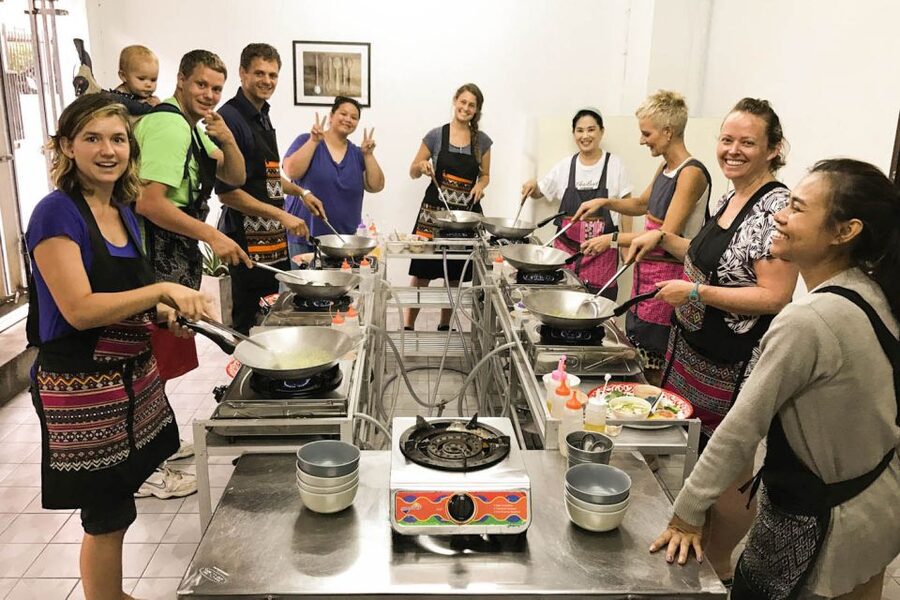
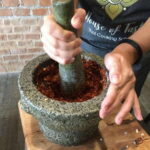
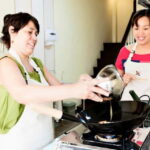
In the kitchen, the teacher’s job is to turn the ingredients from the market into dishes with clear steps and correct flavor. The best part is the practical detail. You’ll work on things like spice and herb handling and how different components come together for the final taste.
You can expect guidance throughout cooking, not just at the beginning. This is where the small group size really helps. If you’re unsure about texture—like noodle softness—or you need help getting salad seasoning right, the teacher can correct you early.
From what you learn in this style of class, you’ll come away with a better sense of Thai cooking logic:
- You taste and adjust, rather than relying on perfect measurements alone.
- Flavor comes from a blend of ingredients, not one single “magic sauce.”
- Herbs and aromatics are doing real work, not just adding scent.
There’s also a “perfection” mindset in the way the class is run. People often notice the careful approach to how the cooking space works and how the instructions are delivered. That attention helps you avoid common mistakes, like adding too much of a strong ingredient too early.
And the energy in the room is part of why it feels worth it. When you’re all cooking the same dishes, you’ll start noticing how small changes affect taste. One person’s curry might look slightly different, and suddenly you understand why.
Pad Thai and Papaya Salad: Two Flavor Styles, One Learning Curve
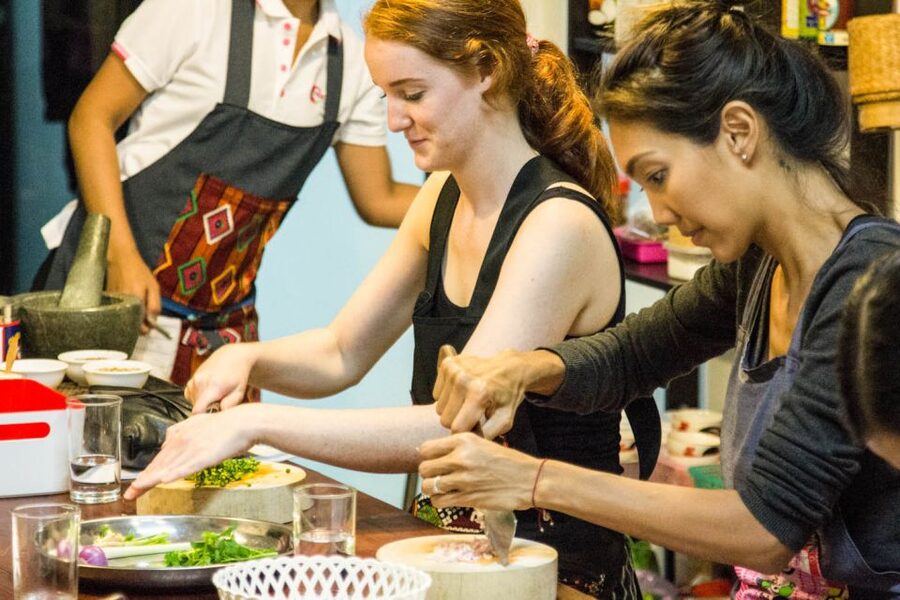
Pad Thai and papaya salad teach two different Thai strengths. One leans into noodles and savory-sweet-tang balance. The other leans into sharp, bright dressing and crisp texture.
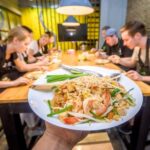
For Pad Thai, you’ll learn how to handle noodles and combine ingredients so they don’t turn out heavy or bland. The key is timing and seasoning. If noodles go too far, they get stodgy. If you under-season, the dish tastes flat. Your teacher’s role is to keep you on track toward the right balance.
Papaya salad is more about building flavor than just cooking it. You’re working with crispness and seasoning. The dressing needs to be sharp and balanced, and the salad must taste lively. This dish is also a good lesson in how Thai kitchens use heat and acidity without letting either one bully the rest.
Even if you’ve eaten both dishes in restaurants, cooking them in class helps you understand what’s happening under the hood. It’s not just a recipe—it’s flavor construction.
The nice thing about doing these two dishes back to back is contrast. You get a more complete picture of Thai food rather than learning one “style” only.



Thai Curry and Mango Sticky Rice: The Comfort and the Sweet Finale
Thai curry gives you a different kind of lesson: how aromatics and seasoning build depth. Curry flavor comes from more than one ingredient, and your class setup teaches how those pieces work together once you start cooking.
You’ll also learn that curry isn’t automatically “one taste.” Even within Thai cooking traditions, there can be variation in how curry feels—thicker or lighter, more coconut-forward or more herbal, more fragrant or more spicy. Your teacher helps guide you toward the version you’re making in class that day.
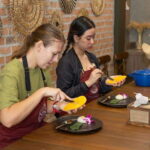
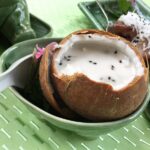
Then comes the payoff: mango sticky rice. This dessert is simple in concept but not always simple in results. Sweet mango and sticky rice need to taste right together, and the rice texture is the whole game. In class, you get the benefit of guidance so you’re not guessing.
Doing dessert at the end is smart. After you’ve worked through salty and spicy dishes, the sweetness lands in the right place. It also seals the experience, so you finish with a full meal you made from scratch.
Eating Together: Turning Work into a Real Meal
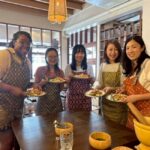
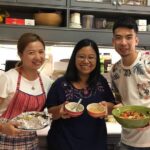
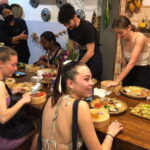
When class wraps up, you gather around a table to taste the dishes you cooked. This is more than just eating. It’s where learning clicks.
You’ll see how your curry ended up, how your Pad Thai tastes after cooking, whether your papaya salad lands on the right balance, and how your mango sticky rice turned out. And because it’s a group meal, you’ll likely notice how different techniques or ingredient choices can shift taste.
It’s also where you get to compare notes with the people in your small group. You can ask quick questions about what others did, and your teacher can help clarify anything you missed. That social side makes the experience feel friendly, not like a stiff class where you only cook and move on.
Also, you’re well hydrated during the session with unlimited tea, coffee, and water. It’s not a luxury detail. Cooking noodles, seasoning salads, and standing over pans can make you thirsty fast.
Price and Value in Bangkok: Is $43 Worth It?
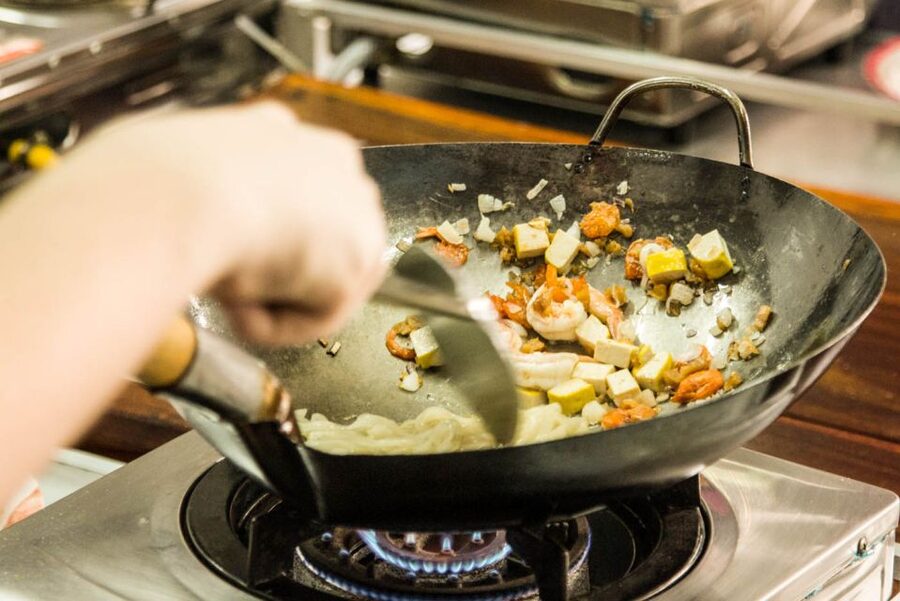
At about $43 per person for a 4-hour experience, this class sits in a reasonable mid-range for Bangkok cooking activities. What makes it feel like value is what’s included and how focused it is.
You get:
- A market visit to pick ingredients
- Cooking ingredients and equipment
- A class led in English
- Four dishes cooked and eaten
- Unlimited tea, coffee, and water
- WiFi (useful if you need to message home after)
You also avoid the common cost trap of paying extra for basic meal components. Here, your meal is part of the price. And because the market portion is built in, you learn ingredient selection, not just cooking steps.
If you’re the type of person who wants one good “Thai food skill” to take home, this format is smart. You don’t just leave with photos. You leave with ingredient instincts and dish-building know-how you can use when you cook later.
One caution on value: because the class is short and you cook a lot, it’s best for people who are okay with a packed schedule. If you want a leisurely pace or only want to watch, the intensity may feel like more than you bargained for.
Who Should Book This Class
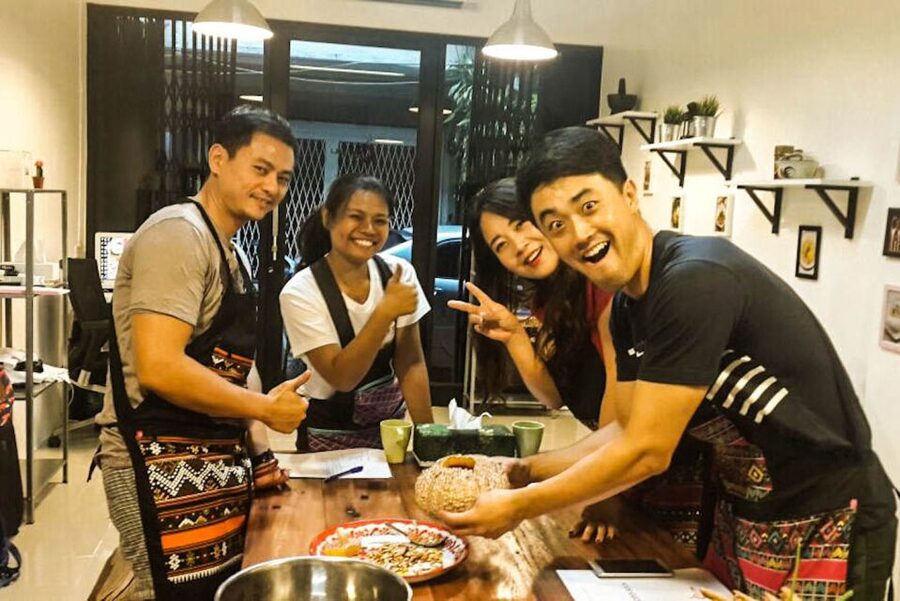
This experience is a good match if you:
- Want to learn Thai food in a hands-on way, not just eat it
- Like the idea of choosing ingredients at a real market with guidance
- Enjoy cooking multiple dishes in one sitting
- Prefer a small group environment where questions are easy to ask
- Are traveling with a moderate schedule and want a half-day activity
It’s also a solid pick if you’re someone who’s already eaten Thai dishes and wants to understand how they’re made, especially the balance of spices, herbs, and flavor.
If you strongly dislike kitchens, heat, or fast cooking, you might want a slower-format class instead. But if you’re willing to work for your meal, this class is set up to reward you quickly.
Should You Book This Bangkok Thai Cooking Class?
I’d book it if you want the easiest path to better Thai cooking at home. The market shopping at Onnuch Market turns the experience from a simple recipe class into something practical: you learn what to buy and why. Then you cook four signature dishes in a few intense hours and eat what you made.
Book it on the time slot that fits your day, and show up early. The market portion matters, and the class moves fast. If you do that, you’ll leave with real confidence and a full meal that tastes like effort.
If you want Thai food knowledge that goes beyond eating, this is one of the best ways to get it in a short window.
FAQ
What is the duration of the Bangkok Thai cooking class and market tour?
The experience runs for 4 hours.
How many dishes will I cook?
You’ll cook 4 Thai dishes.
Which dishes are included in the class?
The class includes Pad Thai, papaya salad, Thai curry, and sweet mango sticky rice. The menu can vary from day to day.
Where do I meet for the activity?
You meet at Pink Chili Thai Cooking School in Bangkok.
How many people are in the group?
The class is limited to 8 participants.
What’s included in the price?
Included are the Onnuch Market visit, cooking ingredients, cooking equipment, the cooking class, 4 dishes, unlimited tea/coffee/water, and WiFi. Alcoholic drinks are not included.