REVIEW · BILBAO
Basque Pintxos and Tapas Cooking Class in Bilbao
Book on Viator →Operated by Gastronomía Bilbao · Bookable on Viator
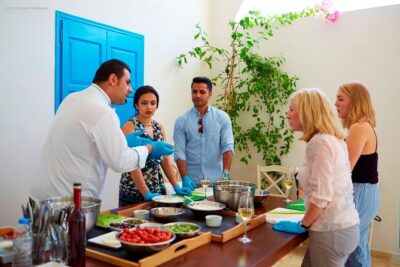
Pintxos become real when you cook them. In Bilbao, this 2.5-hour, 100% hands-on class is a smart way to learn Basque pintxos fast, with an open bar of local wines and drinks included. You’ll work in the kitchen with chef Mikel, then taste what you make. One possible drawback: it’s a busy cooking-style evening, so if you want a slow, sit-back meal with zero prep, this may feel too hands-on.
I like that the class keeps things practical: you’re not just watching, you’re building flavor and texture from real Basque ingredients. With a small group (max 12), you get room to ask questions and actually finish your pintxos. Also, the dessert focus is real—Torrijas, the Basque version of toast-for-dessert.
You start at Salbe pl., 6 (48007 Bilbao) at 6:00 pm and it ends back at the same spot, so it’s easy to fit before dinner plans or a casual night walk. If you’re planning ahead, it tends to book up, so booking earlier helps.
In This Review
- Key highlights you’ll care about
- Pintxos 101 in Bilbao: what you learn and why it works
- Chef Mikel at Salbe pl. 6: meeting point and how the evening flows
- The open bar and the Basque ingredient angle you should pay attention to
- Your menu in order: the four pintxos you’ll cook
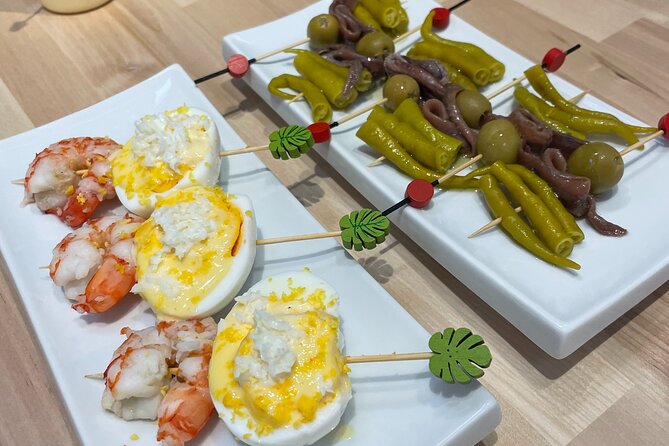
- Bilbainito: boiled egg, prawns, and homemade mayo
- La Gilda: olives, local peppers, and anchovies
- Cod Brandada: bread, Basque potato, and desalted grilled cod
- Spicy Garlic Mushrooms: Txampis and unamie of the mushrooms
- How you actually eat: charcuterie board and pintxo pacing
- Torrijas (Basque toast) for dessert: the sweet finish that sticks
- Why the class feels like good value (and where to compare it)
- The vibe: conversational chef, friendly group, and a kitchen that works
- Who should book this Bilbao pintxos class
- Should you book this Basque Pintxos and Tapas Cooking Class in Bilbao?
- FAQ
- FAQ
- What is the meeting point for the class in Bilbao?
- What time does the cooking class start?
- How long is the cooking class?
- Is the class offered in English?
- How many people can be in the group?
- What will I cook and eat during the class?
- Is there wine or other drinks included?
- Can I cancel for a full refund?
Key highlights you’ll care about
- 4 pintxos you cook and taste: Bilbainito, La Gilda, Cod Brandada, and Spicy Garlic Mushrooms
- Open bar with local wines and drinks during the class
- Chef Mikel teaches and chats while keeping you on track
- Small group size with up to 12 travelers for better attention
- Charcuterie board + dessert included, featuring Torrijas
- Mobile ticket and English instruction for smoother logistics
Pintxos 101 in Bilbao: what you learn and why it works
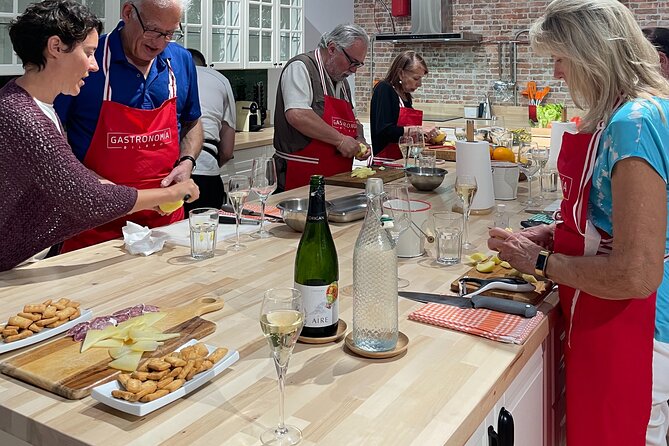
Basque pintxos can look simple—bread, a topping, a toothpick—but the details are where the magic lives. This class is built for you to understand those details without needing years of culinary experience. You cook, you assemble, you taste, and you get explanations tied to why ingredients matter in the Basque Country.
I especially like that the recipes mix tradition and modern habits. For example, you’re doing classic-style combinations like La Gilda (olives, local peppers, and anchovies), and you’re also learning how Basque cooking can turn everyday items into a polished bite—like using fresh bread as part of Cod Brandada.
The format is also very travel-friendly. It’s only about 2 hours 30 minutes, it’s in the evening, and it includes enough food that you won’t stumble into dinner hungry and confused. That matters in Bilbao, where the city’s food culture can tempt you into doing too much walking and too little eating.
You can also read our reviews of more tours and experiences in Bilbao.
Chef Mikel at Salbe pl. 6: meeting point and how the evening flows
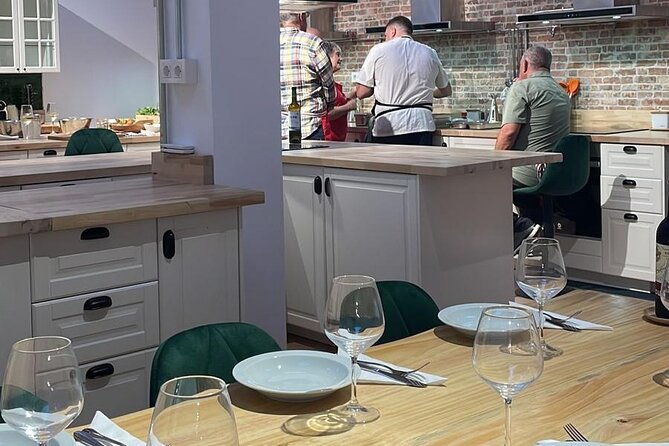
You meet at Salbe pl., 6, 48007 Bilbao. The start time is 6:00 pm, and the activity ends back at the meeting point. That last bit is quietly great: you’re not left figuring out a return route after a cooking session.
The class is offered in English, which helps if you want to understand ingredient choices instead of guessing. It’s also capped at 12 travelers, so the room won’t feel chaotic. In this kind of hands-on cooking, smaller groups usually mean you get more attention when you hit a question.
Chef Mikel comes through as the key reason many people feel the evening was “worth it.” He’s described as friendly and conversational, while also keeping the group on track. That balance is exactly what you want: relaxed vibe, plus real guidance so your pintxos don’t turn into a dinner party science project.
The open bar and the Basque ingredient angle you should pay attention to
This class includes an open bar of local wines and drinks. In practical terms, that means the pace feels social instead of strictly instructional. It also gives you a chance to taste alongside what you’re cooking, which is one of the best ways to learn flavor pairing.
Even more useful is the story behind the ingredients. You’ll hear about the traditional significance of local, seasonal produce. That’s not “food trivia.” It changes how you think about what belongs in a pintxo. Basque cooking leans hard on what’s available and what tastes right, which is why you’ll see things like fresh seafood, Basque potatoes, and local mushrooms in the menu.
If you’re the type who wants to order tapas better afterward, this is where you build that foundation. You start connecting flavors to the region’s rhythm, not just to a list of names.
Your menu in order: the four pintxos you’ll cook
You’ll create four different pintxos, then enjoy them. Here’s what you can expect from each one, and what you’re really learning from the combination.
Bilbainito: boiled egg, prawns, and homemade mayo
Bilbainito is the kind of pintxo that teaches you how Basque-style richness works. You’ll be working with boiled egg, fresh prawns, and home made mayo.
Why it’s a great first pintxo: it’s forgiving, and it shows how creamy mayo can hold seafood flavor without overpowering it. Once you’ve built one like this, you’ll start noticing how much of “pintxo greatness” comes from balance—salt, fat, and texture in the same bite.
Practical tip for later: after this class, you’ll likely feel more confident ordering seafood-forward tapas in Bilbao, because you’ll know what pairing logic you prefer.
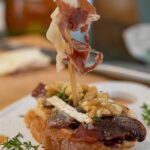
La Gilda: olives, local peppers, and anchovies
Then you move into La Gilda—olives, local peppers, and anchovies.
This one matters because anchovies can be either a strong hit or a subtle booster, depending on how it’s handled and what it’s paired with. The olives and peppers help bring structure: the olive adds depth, and the peppers bring that Basque heat-and-sweet logic you’ll keep tasting across the region.
It’s also a good lesson in how pintxos often play with salty and spicy. Even if you’re not a die-hard anchovy fan, this setup can win you over because the bite is controlled and intentional.
Cod Brandada: bread, Basque potato, and desalted grilled cod
Next is Cod Brandada, served with fresh bread, local Basque potato, and desalted grilled cod.
Brandada is a concept you’ll actually use beyond this evening, because it’s about texture and cling—how the cod works with potato and how the bread becomes part of the bite. The fact that the cod is desalted grilled cod matters too; it signals the class is paying attention to flavor balance, not just name-dropping.
If you love tapas because you enjoy eating with your hands, this is the kind of pintxo that makes you feel like you’re really participating. You’re building something you can repeat later, not just taking in a one-time taste.
Spicy Garlic Mushrooms: Txampis and unamie of the mushrooms
Finally, you’ll cook Spicy Garlic Mushrooms, using the unamie of our Txampis (local Basque mushrooms).
This is your vegetarian-friendly moment that still feels Basque and satisfying. Mushrooms and garlic have a way of filling out the flavor space, especially when you add spice and build it into a pintxo format. And since it’s tied to local mushrooms, it’s also a reminder that Basque cooking isn’t only about seafood and meat.
If you’re thinking ahead to what to order in Bilbao, mushrooms are one of those safe bets when the menu gets seafood-heavy. You’ll leave knowing what “good” tastes like when cooked simply but thoughtfully.
How you actually eat: charcuterie board and pintxo pacing
After you cook, you don’t just get a quick taste and move on. You’ll taste the four pintxos you create and also enjoy a charcuterie board.
This matters because pintxos and charcuterie belong together in the Basque tapas experience. You get salty, cured flavors alongside your warm pintxos. It also keeps the meal feeling like a full stop, not a snack that sends you hunting for calories after.
The pacing is also part of the value. With a 2.5-hour window, you’re not waiting hours between steps. The evening is structured so you can learn, eat, and socialize without losing the thread.
Torrijas (Basque toast) for dessert: the sweet finish that sticks
Dessert is Torrijas, the Basque toast.
Torrijas can sound humble, but it’s a popular comfort-food style dessert because it turns bread into something soft, custardy, and deeply flavored. After a class focused on savory, this sweet finish helps you remember the flavors you built earlier. It also gives you a “Basque” dessert anchor, which is helpful when you’re wandering later and trying to decide if you should save room.
Chef Mikel is also the type who seems to make the dessert moment part of the story, not just a plate drop. That’s a small detail, but it’s why the class gets repeat praise for feeling memorable.
Why the class feels like good value (and where to compare it)
At $96.54 per person for about 2 hours 30 minutes, the headline cost is not the cheapest meal you’ll find in Bilbao. But when you line up what’s included, it starts to make sense.
You’re paying for:
- Hands-on instruction while you cook
- 4 pintxos you create and then eat
- An included charcuterie board
- Dessert (Torrijas)
- An open bar with local wines and drinks
- A small-group setup (max 12), which usually reduces waiting and increases help
In a city where you can easily spend a similar amount bouncing from one pintxo bar to the next, this class gives you one big advantage: you learn the logic behind what you’re eating. You leave with more than full plates—you leave with repeatable skills.
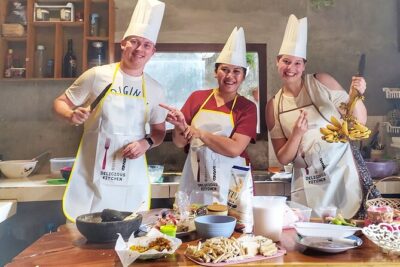
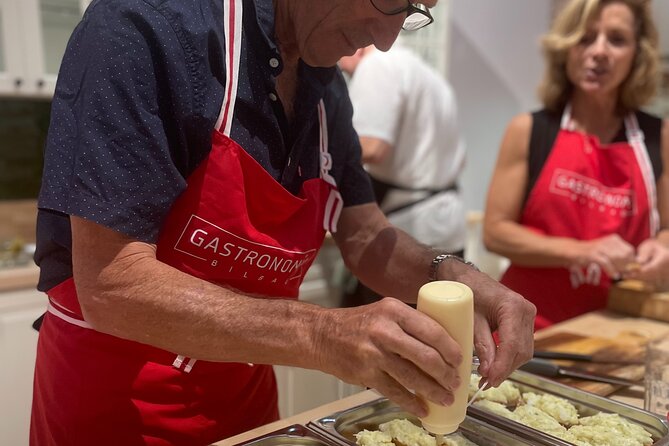
Also, there’s often a souvenir angle. One note from past participants is that you get a commemorative apron, which is a fun way to remember the evening and keep the experience tangible.
The vibe: conversational chef, friendly group, and a kitchen that works
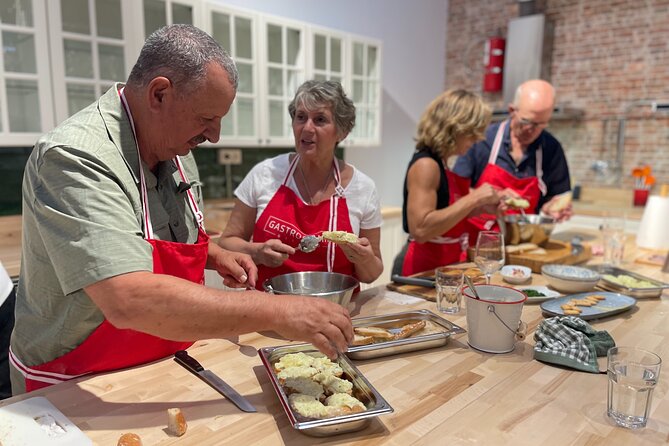
This class isn’t described as stiff. Chef Mikel is described as friendly, conversational, and good at keeping everyone moving. That matters because in a hands-on class, a quiet lecture won’t help you assemble pintxos better.
You also get a social rhythm. People mention laughter and a welcoming atmosphere, especially because the class format naturally turns into a group “we’re doing this together” situation. For solo travelers, that’s huge. If you’re coming to Bilbao alone, this gives you an instant reason to talk and share food without awkward icebreakers.
One more practical bonus: the kitchen is described as top notch. That’s not a glamorous detail, but it affects everything—better workspace, better flow, and fewer bottlenecks when you’re cooking.
Who should book this Bilbao pintxos class
This is a great fit if you:
- Want a high-impact first experience with Basque food in a short time
- Like learning through action (you’d rather cook than only watch)
- Want to eat and drink enough that you don’t need a second plan right away
- Are traveling in English and still want real explanations
- Appreciate a small group setting (max 12)
You might skip it if:
- You hate cooking or dislike structured tasks during dinner time
- You’re looking for a quiet, purely observational food tour
- You already have a very packed evening and can’t spare 2.5 hours
Should you book this Basque Pintxos and Tapas Cooking Class in Bilbao?
I’d book it if your goal is to understand Bilbao’s pintxos culture beyond ordering a few bites. This class gives you a clear set of pintxos—Bilbainito, La Gilda, Cod Brandada, and Spicy Garlic Mushrooms—so you can actually recognize flavors and combinations later.
The best reason to say yes is the mix of hands-on cooking plus local wine drinks plus a full meal structure (pintxos, charcuterie, and Torrijas). If you want a single ticket that turns into dinner plus skills, this is that kind of experience.
If you’re unsure, choose based on your cooking comfort. If you enjoy getting your hands a little busy and you want a fun evening with chef Mikel, it’s a strong match. If you prefer to stroll and graze on your own timetable, you may prefer a traditional pintxo bar crawl instead.
FAQ
FAQ
What is the meeting point for the class in Bilbao?
You meet at Salbe pl., 6, 48007 Bilbao, Bizkaia, Spain.
What time does the cooking class start?
The start time is 6:00 pm.
How long is the cooking class?
It runs for about 2 hours 30 minutes.
Is the class offered in English?
Yes, it is offered in English.
How many people can be in the group?
The class has a maximum of 12 travelers.
What will I cook and eat during the class?
You cook and taste 4 different pintxos you create, and you also enjoy a charcuterie board. Dessert is Torrijas.
Is there wine or other drinks included?
Yes. There is an open bar of local wines and drinks.
Can I cancel for a full refund?
Yes. You can cancel up to 24 hours in advance for a full refund.