REVIEW · SALVADOR DA BAHIA
4h Cooking Class in Salvador with 9 Recipes & Bottomless Drinks
Book on Viator →Operated by Cook in Fiesta · Bookable on Viator
A Bahian kitchen lesson starts at home. I love the hands-on rhythm and cooking in a real Brazilian household, where you learn as the food is actually made. I also like the bottomless drinks and the homemade caipirinha moment at the end, when the kitchen turns into a shared table. One possible drawback: if you’re hoping to do every single step yourself, the host may jump in early to get the pace right.
This is priced at $75 per person for about 3.5 hours, capped to a small group (maximum six per class), with a bilingual local host guiding you through a total of 9 recipes. You’ll work on dishes such as moqueca and farofa, with dessert included (brigadeiro is a favorite you might make), and you’ll leave with a digital recipe booklet plus a Salvador Food Guide.
The class does not include hotel pickup, so you’ll want to plan your own way to the meeting point in Stella Maris at Condomínio Sol Do Atlantico, Al. Praia de Guaratuba, 218.
In This Review
- Quick hits before you book
- A Real Bahian Home Kitchen, Not a Demo Room
- The 9-Recipe Menu: Moqueca, Farofa, Brigadeiro, and More
- Bottomless Drinks and Caipirinhas at the Table
- What Happens During the Class (and Why the Structure Works)
- Small Group Size in Stella Maris: Personalized, Not Crowded
- Price and Value: Does $75 Make Sense?
- Practical Tips for You Before You Go
- Who This Class Fits Best (and Who Should Skip It)
- Should You Book This Salvador Cooking Class?
- FAQ
- How long is the cooking class?
- How many recipes will we cook?
- What’s included in the price?
- Is hotel pickup included?
- How big is the group?
- Is there free cancellation?
Quick hits before you book
- Real home kitchen, not a demo room where you cook alongside the host
- 9 recipes across appetizer, main dish, and dessert, with local favorites like moqueca and farofa
- Unlimited drinks and a homemade caipirinha served during the meal
- Small group size (maximum six per class) so questions don’t get lost
- Digital recipe booklet + Salvador Food Guide so the learning keeps going after you leave
- Photo memories included, taken candidly as you cook and eat
A Real Bahian Home Kitchen, Not a Demo Room
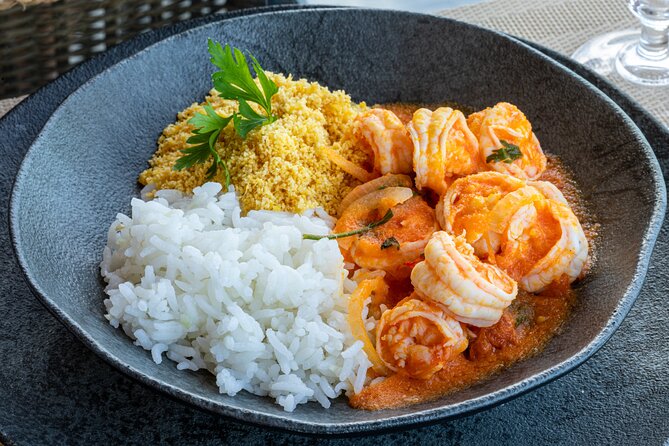
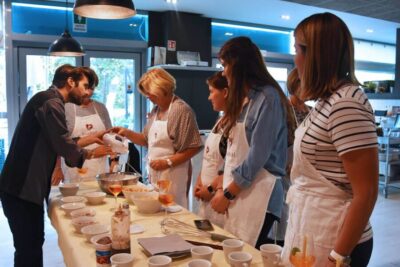
What makes this class feel different is the setting. You’re not stuck watching from the edge of a culinary studio. You’re in a real Brazilian home kitchen, with a bilingual local host guiding the flow and sharing practical technique—how things are timed, mixed, seasoned, and handled.
I like that the pace is relaxed and intuitive. You’re still learning, but you’re also eating like locals: hands move, food progresses, conversation happens, and nobody pretends cooking is a rigid checklist. That matters because the real “skill” is understanding the feel of the process, not just copying steps.
The hosts behind the experience have strong communication skills. Names that show up include Karla and Rebeca, both known for clear explanations. You don’t need Portuguese to follow along, but you’ll likely hear enough local food talk to pick up useful terms and ideas even if you speak only a little.
One small reality check: because the class is a group meal with multiple recipes, the host may help at key moments. That’s normal in a home kitchen, but if you’re the type who wants to do literally everything, keep expectations flexible.
You can also read our reviews of more tours and experiences in Salvador da Bahia.
The 9-Recipe Menu: Moqueca, Farofa, Brigadeiro, and More
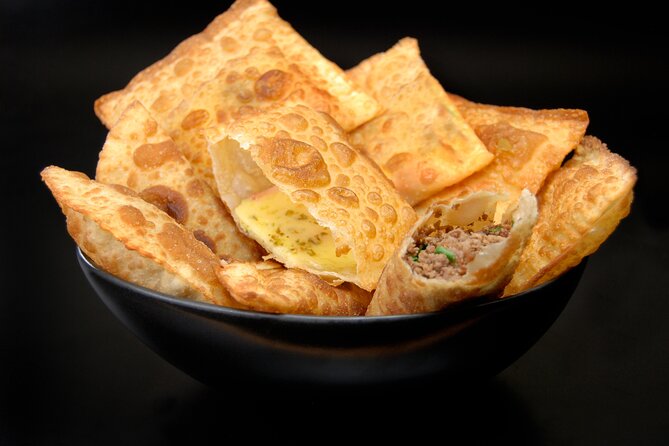
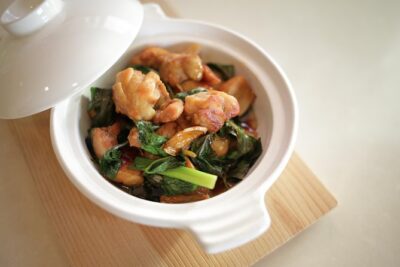
The promise here is 9 recipes, and you’ll handle them rather than just tasting them. The dishes specifically called out include moqueca and farofa. A dessert that commonly comes up is brigadeiro, which makes sense because it’s one of those Bahian-friendly sweets that people love learning how to make at home.
You should think of the class as building a practical “toolkit.” Yes, you’ll make food you can eat immediately. But the bigger value is learning the local approach to each dish—how ingredients behave, what to watch for while cooking, and what “done” looks like when you’re not standing next to a professional timer.
If you’re already comfortable cooking, you’ll probably enjoy it even more. The host’s cultural details and technique notes are the kind of things that don’t show up in most cookbook directions. For example, it’s not just about what goes in; it’s about the order, pacing, and how the kitchen expects you to adjust once things heat up.
Also, because ingredients and utensils are provided, you’re not stuck hunting for hard-to-find tools. You show up, put on the apron, and start working. That removes a lot of the friction that often ruins food tours.
Bottomless Drinks and Caipirinhas at the Table
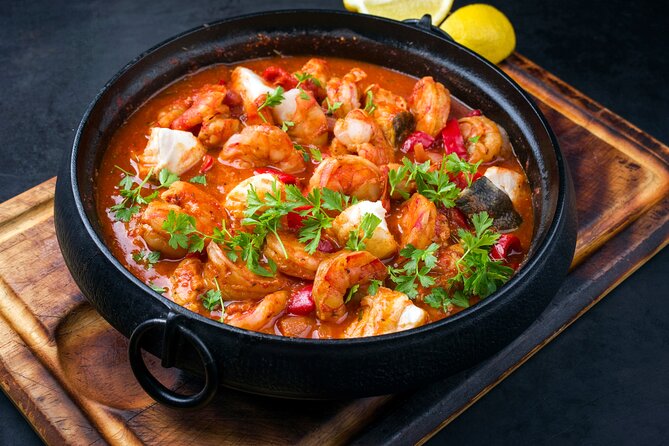
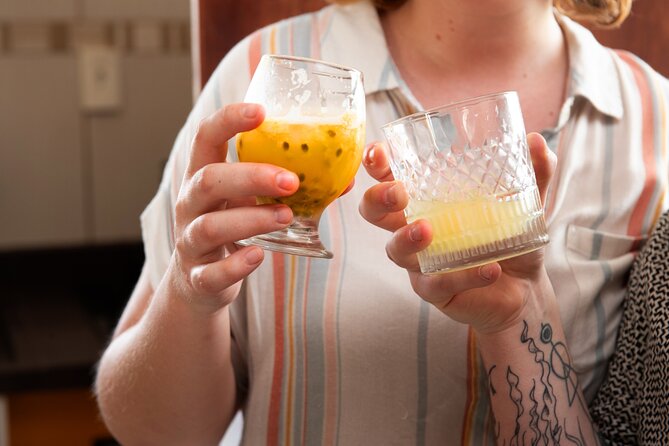
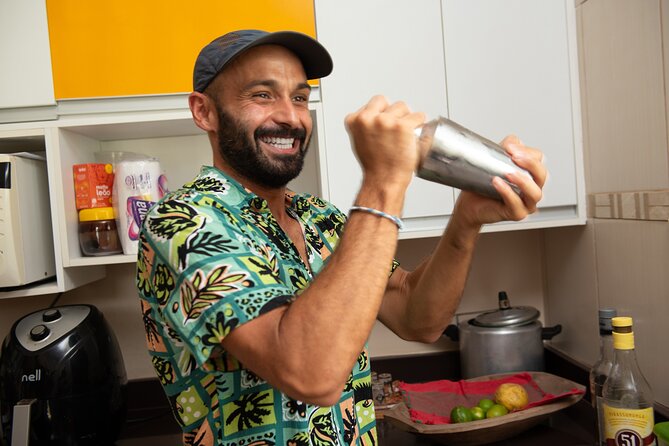
Food is the centerpiece, but the drink part is a serious part of the experience. You’ll get unlimited drinks throughout the class, and when everything is ready, you sit down to eat together with a homemade caipirinha served during the meal.
This is one of those travel experiences where the “show” is actually the table. The kitchen becomes a shared social space—laughter, stories, and easy conversation—so the class feels like time spent with friends rather than a ticketed performance.
If you’re traveling with a group mindset—someone who likes chatting while you cook—this setup fits you well. It also helps make the class more enjoyable if Salvador weather puts a damper on plans. Since the action is mostly indoors and centered on cooking and eating, the weather is less of a factor than it is on tours that rely on walking outdoors for long stretches.
Just note this: unlimited drinks can change the vibe. If you prefer a totally sober, ultra-technical cooking workshop, you might want to moderate your own pace. But for most people, the drinks add warmth and help the evening feel like a real Bahian gathering.
What Happens During the Class (and Why the Structure Works)
The class runs about 3 hours 30 minutes. The flow is built around a few big moments: working in the kitchen as dishes come together, then sharing the meal you helped prepare, with dessert and caipirinha completing the experience.
A common pattern in the way these classes operate is that the host starts you with the basics—what you’ll cook, how the kitchen works, and what each person should focus on. Then you get hands-on. One detail that’s worth keeping in mind: because there are multiple recipes, the class can’t be 100 percent “everyone does the exact same task at every moment.” Some people do more prepping early; others take on more at the stove as the cooking ramps up.
Here’s what you can count on, based on what’s included:
- A bilingual local host guides you through cooking and cultural notes
- You use provided ingredients, utensils, and an apron
- You make a full meal: appetizer, main dish, and dessert
- Drinks are unlimited during the experience
- Candid photos are taken while you cook and eat
- You receive a digital recipe booklet afterward, plus a Salvador Food Guide
That structure is practical for you. You get a full meal out of the learning, you get photos you can actually remember later, and you leave with the written guidance to repeat at home without guessing.
Small Group Size in Stella Maris: Personalized, Not Crowded
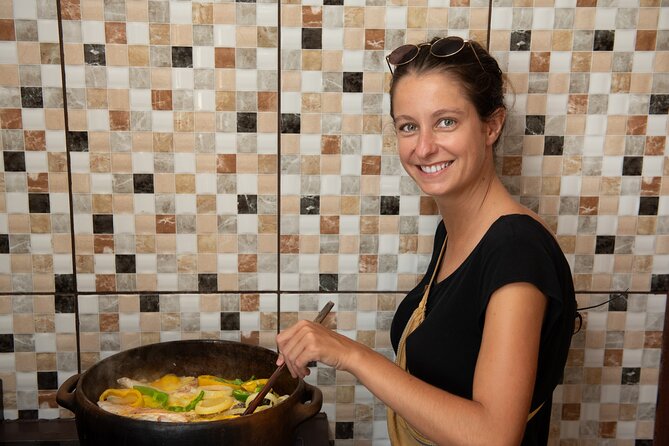
This is one of the best parts of the setup: small group cooking. The maximum is six people per class, with a maximum of eight travelers for the activity overall. That size makes a difference in real life.
When the group is small, you can ask “why did you do it that way?” and actually get an answer. It also means the host can watch your technique and adjust when needed. In bigger groups, cooking tours often turn into a rotating line where questions wait until the end.
Because there’s no hotel pickup, you’ll start right at the meeting point. It’s in Stella Maris at Condomínio Sol Do Atlantico, Al. Praia de Guaratuba, 218. The area is near public transportation, which matters if you’re not sure how you’ll get there.
Plan to arrive a little early. In a home setting, timing helps everything run smoothly—especially when multiple recipes are in progress at once.
Price and Value: Does $75 Make Sense?
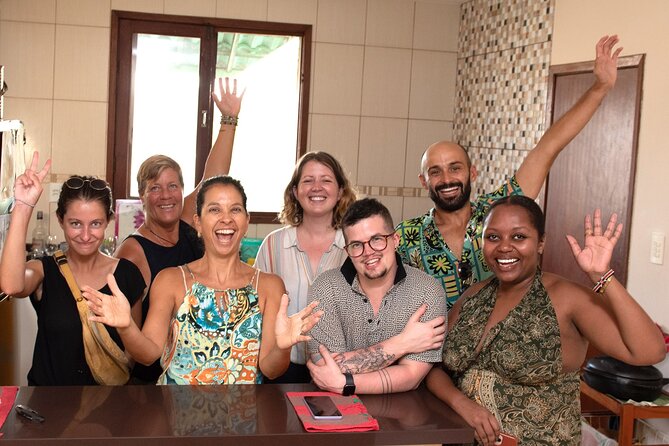
At $75 per person, this isn’t the cheapest thing you can book in Salvador. But it also isn’t “paying for a meal only.”
You’re paying for:
- 9 recipes of hands-on cooking
- A provided meal (appetizer, main dish, dessert)
- Unlimited drinks, including a homemade caipirinha
- All ingredients, utensils, and an apron
- Digital recipe instructions and a Salvador Food Guide
- A small-group format with a bilingual host
- A money-back type Experience Guarantee (so you’re not stuck with disappointment if it misses the mark)
In practical terms, if you value learning specific technique you can repeat at home, the cost becomes easier to justify. The digital recipe booklet is especially useful because it turns the experience into something you can cook again later instead of letting it fade into memory.
Where the value might not feel as strong: if you only want to taste and prefer to stay hands-off, you may not get full satisfaction. This is meant for people who want to participate.
Practical Tips for You Before You Go
This is a low-hassle tour because you don’t need to bring cooking gear. Still, you can make the experience smoother with a few thoughtful choices.
- Wear comfortable clothes you don’t mind getting a little food on. You’re cooking in a home kitchen, not in a spotless studio.
- Expect to eat what you make. That’s part of the deal, so plan your day accordingly.
- Bring a good appetite and a relaxed attitude. The pace is friendly and intuitive, and it works best when you’re not trying to “optimize” everything.
- If you’re sensitive to alcohol, you’ll want to pace yourself. Unlimited drinks are included, so treat them as optional extras, not as a must.
If you’re a first-time visitor to Salvador, this class is also a nice way to learn food culture beyond restaurant menus. You get practical knowledge and real conversation around what you’re eating.
Who This Class Fits Best (and Who Should Skip It)
You’ll likely love this cooking class if you:
- Want a hands-on experience inside a real Brazilian home
- Enjoy learning technique you can actually repeat at home
- Like small group interactions and conversation while you cook
- Appreciate food culture as much as the food itself (ingredients, how locals work in the kitchen)
It may not be the best match if you:
- Want a strictly step-by-step, highly controlled cooking class where you do every task yourself
- Prefer a quiet, no-drinks atmosphere
- Don’t want to manage your own transportation to the meeting point
For many people, it hits the sweet spot: real food, real technique, real people, and a finished meal that feels like it belongs to the neighborhood, not a tourist bubble.
Should You Book This Salvador Cooking Class?
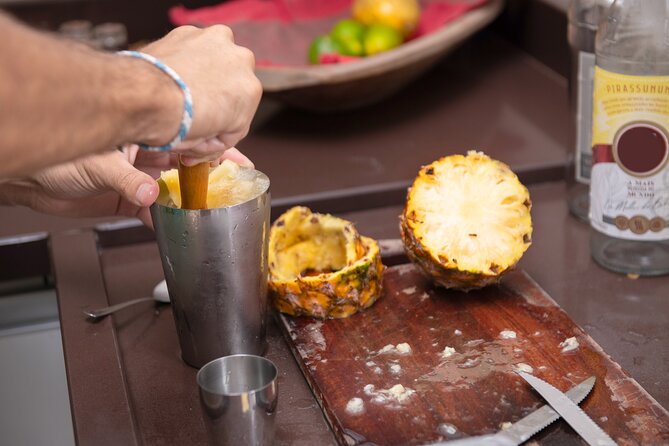
I think you should book it if you want more than a tasting. This is about making moqueca and farofa in a home kitchen, learning the local way of cooking from a bilingual host, and then eating together with caipirinhas and unlimited drinks.
Before you decide, ask yourself one question: do you enjoy participating in the process? If the answer is yes, the $75 price starts to feel fair because you’re getting 9 recipes, a full meal, drinks, and take-home instructions—plus the kind of cultural connection that’s hard to recreate on your own.
If you want a more formal, silent cooking workshop where every second is choreographed, you might feel slightly frustrated by the relaxed home-kitchen rhythm. But for most visitors who like food and conversation, this is a memorable way to spend an evening in Salvador.
FAQ
How long is the cooking class?
It’s approximately 3 hours 30 minutes.
How many recipes will we cook?
You’ll work through 9 recipes.
What’s included in the price?
Hands-on cooking with a bilingual local host, all ingredients/utensils/apron, a full meal (appetizer, main dish, dessert), unlimited drinks, and digital materials afterward (recipe booklet and a Salvador Food Guide). Candid photos are also taken.
Is hotel pickup included?
No. There is no hotel pickup or drop-off, and the activity ends back at the meeting point.
How big is the group?
The class is limited to a maximum of six people. The activity has a maximum of 8 travelers.
Is there free cancellation?
Yes. You can cancel up to 24 hours in advance for a full refund. If you cancel less than 24 hours before the experience starts, the amount paid isn’t refunded.