REVIEW · BANGKOK
Thai Spices Hands On by Mahanakorn Thai Cooking class
Book on GetYourGuide →Operated by Mahanakorn · Bookable on GetYourGuide
Thai spices make sense fast. This class in Bangkok starts at Wat Pak Nam and then turns that temple introduction into practical skills in a small group setting. You’ll learn Thai spice flavors and how to put them into real dishes, with an English-speaking chef guiding you step by step.
What I like most is the hands-on focus and the way you actually sit down and eat what you make. You’re not just watching someone cook; you’re doing the chopping, mixing, and tasting with help nearby. One consideration: transportation isn’t included, so you’ll want an easy plan for getting to the temple meeting point by BTS or river boat.
In This Review
- Key highlights you’ll feel right away
- From Wat Pak Nam to your cutting board: how the class flows
- Thai spice and flavor intro at Wat Pak Nam: what it’s really for
- Cooking techniques in action: Tom Yum, green curry, and Pad Thai
- The meal you make: why the shared table matters
- Who you’ll cook with: English guidance and the Joyce-led welcome
- Price and value: what $33 buys for 3 hours
- Getting there: BTS to Wutthakat or the river to Phasi Charoen
- What to bring (and what to wear) so you enjoy the class
- Who should book Thai Spices Hands On
- FAQ
- FAQ
- What is the duration of the Thai Spices Hands On cooking class?
- Do I need any cooking experience to join?
- What dishes will we cook?
- Is the class taught in English?
- How many people are in the group?
- Where do we meet at Wat Pak Nam?
- Is transportation or alcohol included?
- Should you book Thai Spices Hands On by Mahanakorn?
Key highlights you’ll feel right away
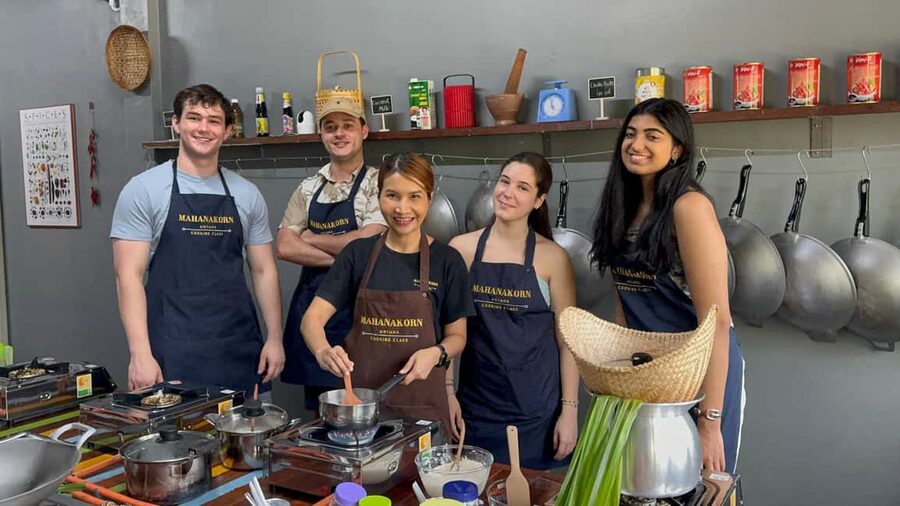
- Wat Pak Nam spice start: your cooking begins with a temple-area introduction to Thai flavors
- Small group format (up to 10): more attention while you cook and fewer people at the table
- Chef-led, hands-on dishes: expect classic Thai cooking like Tom Yum, green curry, and Pad Thai
- You eat together: the meal is part of the experience, not an afterthought
- English support + photos/recipe book: you leave with materials to repeat what you learned at home
From Wat Pak Nam to your cutting board: how the class flows
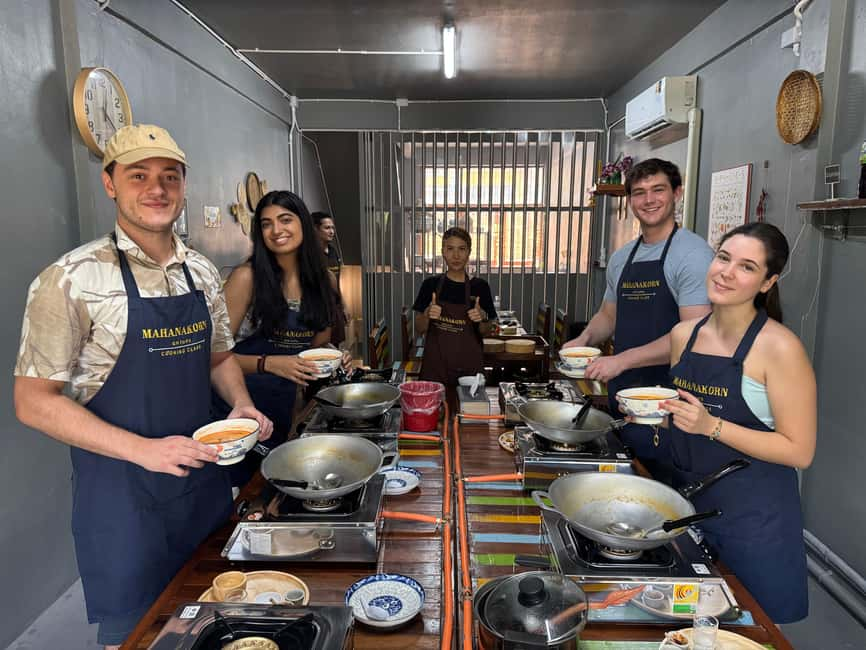
The experience is built like a mini journey: start with Thai spices in a temple setting, then move into cooking that feels doable right away. You begin at Mahanakorn Thai cooking class, where you get an introduction to what makes Thai food taste the way it does. That matters, because Thai cuisine isn’t one flavor. It’s a balance of sour, salty, sweet, heat, and herb freshness, guided by ingredients and technique.
Once the basics are clear, the class shifts into hands-on work. You’ll cook multiple dishes (not just one “demo plate”), using fresh local ingredients and chef guidance. The structure is friendly for beginners: you don’t need to know Thai cooking terms to follow along, and the instructor can keep things clear in English.
The last part is simple and satisfying: you sit down together and eat the meal you prepared. For a cooking class, that’s the real payoff. It turns lessons into something you can measure with your senses—how the flavors came together, how the texture should look, and what to adjust next time.
You can also read our reviews of more tours and experiences in Bangkok.
Thai spice and flavor intro at Wat Pak Nam: what it’s really for
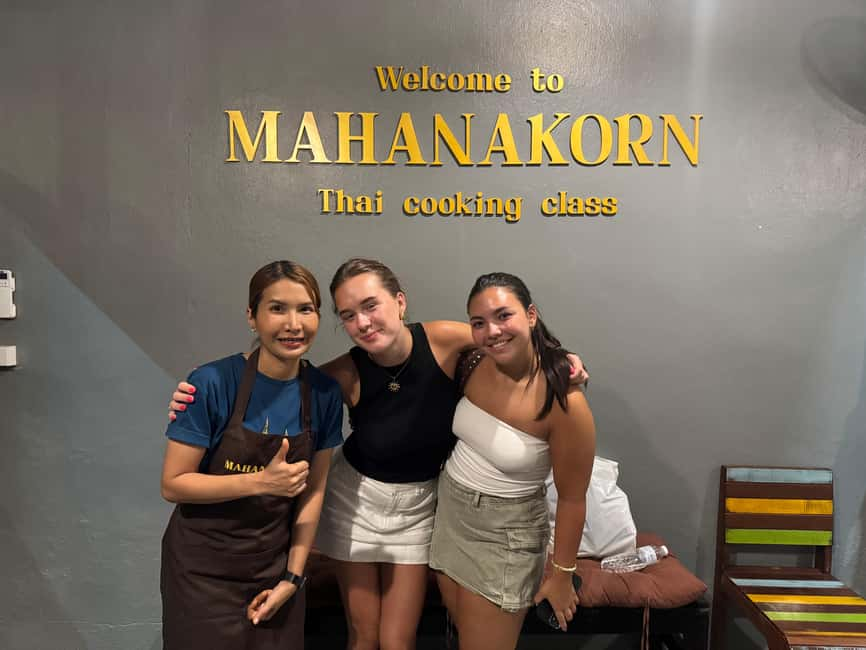
Meeting at Wat Pak Nam gives the class a memorable starting point. More importantly, it gives you context. You’re not learning spices as abstract names. You’re learning them as ingredients that show up in the food you’ll cook soon after.
The class highlights spices and flavors of Thai cuisine, and the learning style is practical. Instead of memorizing a list, you get connected guidance on how different ingredients contribute to taste. That’s why you’ll feel more confident as you cook: you’re not just repeating steps, you’re understanding why the dish is supposed to taste a certain way.
In a real Thai kitchen, the spice story doesn’t end with one paste or one powder. Thai dishes often depend on multiple layers—herbs, aromatics, and sauces—combined with the right heat level. The class’s temple intro sets up that mindset before you’re standing at your station chopping and mixing.
One more thing I appreciate: the experience is paced for a small group, which means your questions don’t get lost in a crowd. If you’re the kind of person who wants to know what something is before you add it, this format supports that.
Cooking techniques in action: Tom Yum, green curry, and Pad Thai
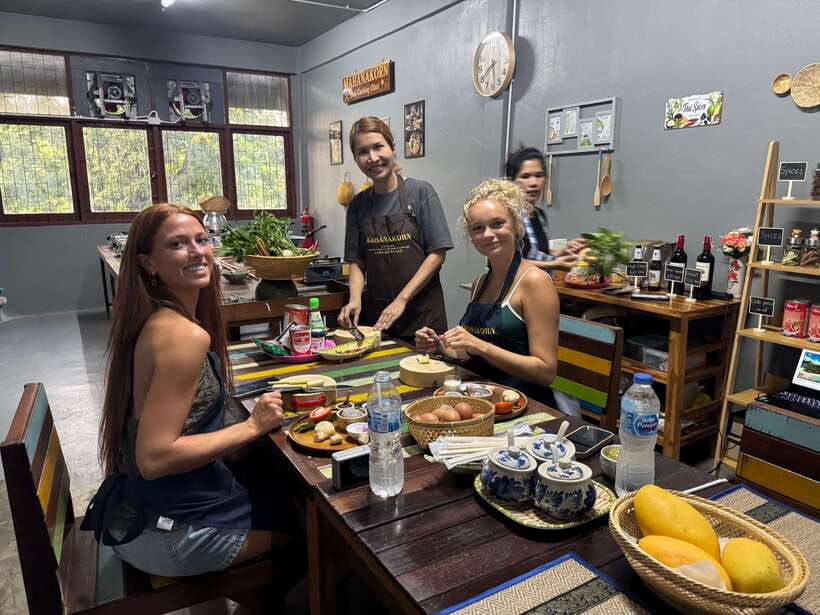
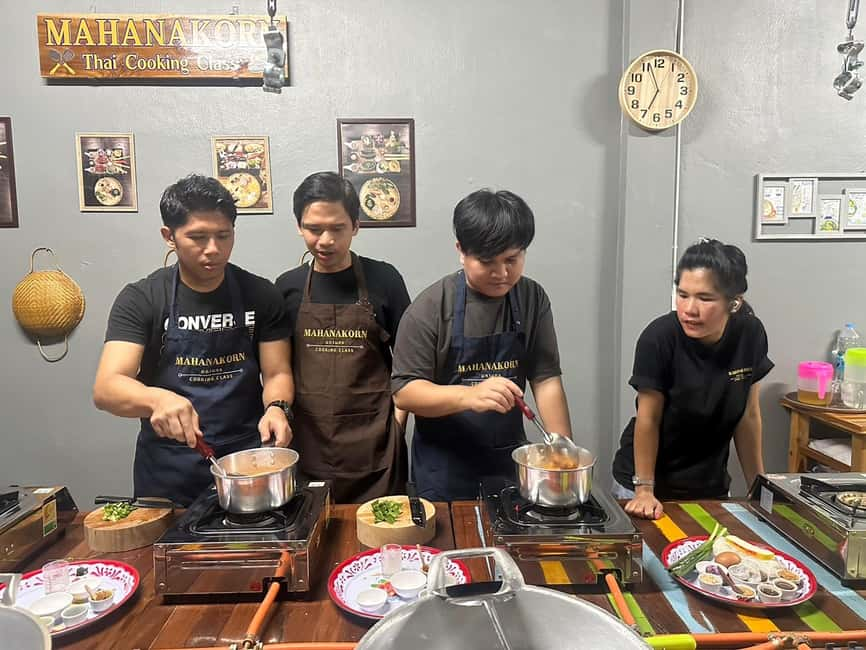
This is the section where the class earns its value. You’ll cook traditional Thai dishes with hands-on help, covering techniques that bring out the bold flavors of Thailand. Based on what people have done in recent sessions, you can expect a lineup that typically includes dishes like Tom Yum, green curry, and Pad Thai.
Here’s why those dishes are a smart mix for learners:
- Tom Yum teaches you balance. It’s where sourness, spice, and savory depth have to land correctly.
- Green curry shows you how curry flavor develops from aromatics and paste, then mellows as it cooks.
- Pad Thai is great for learning the “stir and adjust” feel of Thai cooking—timing and seasoning matter.
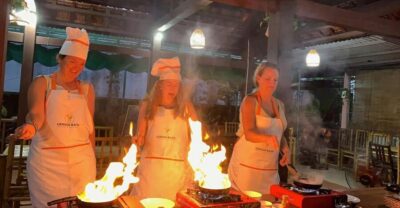
You’ll also see how curries and stir-fries differ in technique. Curries often rely on simmering for flavor to round out, while stir-fries are about fast heat control and sequencing ingredients so everything tastes fresh instead of overcooked.
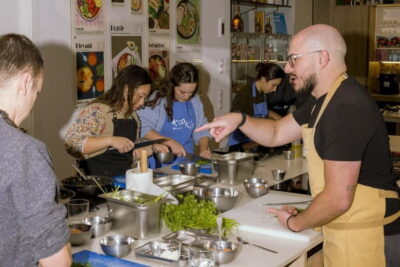
Your chef guidance is the difference between success and frustration. When something thickens too much, or the flavor feels off, you get direction during the cooking process instead of after the meal. And because the group size is limited (up to 10 participants), the teaching doesn’t feel rushed.
If you’re a total beginner, that matters. If you already like cooking, it still helps because you’re getting Thai-specific technique rather than vague “cook until done” advice.
The meal you make: why the shared table matters
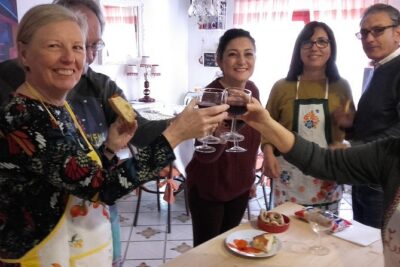
After the cooking comes the part most people remember: you sit down together and enjoy what you prepared. This is one of those experiences where the logistics support the outcome. You’re not racing through the lesson and then eating separately. The class is set up so you can compare notes with the people you cooked beside.
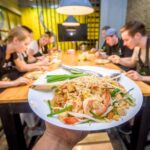
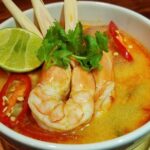
The dishes people describe from these sessions often include four total items, typically a mix of savory mains and a dessert. Common examples include a fragrant soup (often Tom Yum), Pad Thai, chicken in a rich curry sauce, and sticky rice for dessert—sometimes described as mango sticky rice and sometimes coconut sticky rice.
Why does this “sit together and eat” format matter? Because it turns cooking into learning-by-tasting. You can smell the herbs, notice how the sauce clings, and understand what you personally like. Then you connect that back to the steps you did earlier: too much sour, not enough sweetness, spice level off, or the texture didn’t set the way it should.
Also, Thai meals are meant to be shared. Even in a class setting, the communal table helps the experience feel like food culture, not a production.
Who you’ll cook with: English guidance and the Joyce-led welcome
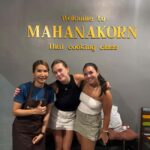
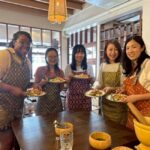
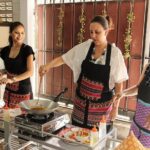
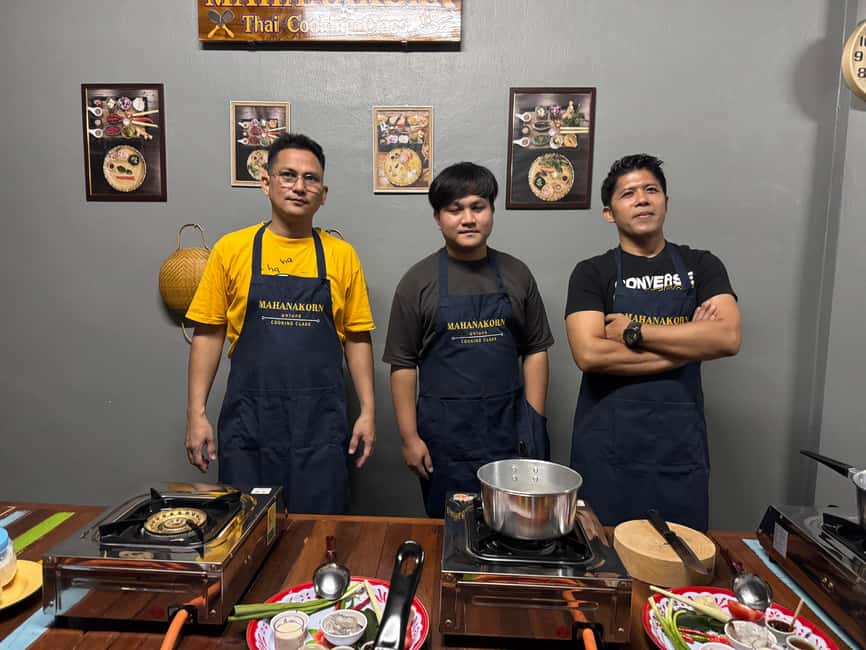
The class runs with an English instructor, and the tone tends to be welcoming and personal. One of the guide names that comes up repeatedly is Joyce. People describe being greeted by Joyce and her family, with a relaxed, friendly atmosphere that makes solo travelers feel comfortable.
That’s not a small detail. In a cooking class, the most useful support is the kind that makes you ask questions without feeling awkward. A warm host can make the difference between you rushing through a lesson and actually absorbing the technique.
There’s also an added layer of “take-home memories.” You’ll get photos and videos taken during the lesson, and participants also mention receiving a recipe book or Thai cookbook afterward. That’s practical. It’s how you replay the day at home instead of relying on memory.
If you care about creating a lasting souvenir beyond photos on your phone, this is a good bet. People also mention receiving a nice souvenir at the end.


Price and value: what $33 buys for 3 hours
At $33 per person for about 3 hours, this class is positioned as good value—especially if you’re comparing it to cooking classes that are mostly demonstrations or include only one dish. Here, you’re getting:
- A spice and flavor intro tied to what you’ll cook
- Chef guidance while you actively cook
- A full meal you prepare
- English instruction
- Small group size (limited to 10)
That combination is what makes the price feel fair. You’re paying for teaching time and ingredient handling, not just a meal. And because the group is small, your attention level tends to be higher than you’d get in a bigger class.
One more value angle: you’re not likely to forget the dishes you cook here. Common items like Tom Yum, green curry, and Pad Thai are things people actually want to recreate at home. So the “lessons per dollar” ratio stays strong.
Still, factor in what’s not included. Transportation to and from the temple cooking location isn’t provided, and alcohol beverages aren’t included. That doesn’t kill the value, but it does affect your total budget.
Getting there: BTS to Wutthakat or the river to Phasi Charoen
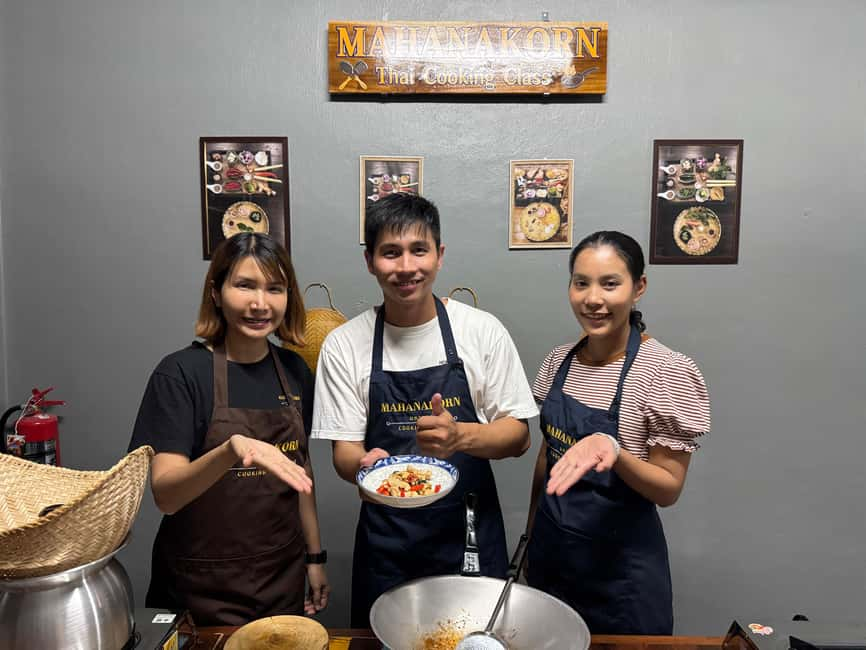
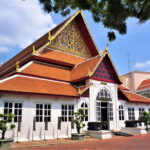
The meeting point is at the main entrance of Wat Pak Nam or in front of the Big Buddha statue there. From a planning point of view, you just need to get close to the temple reliably, and then follow your meetup reference.
Two practical options are given:
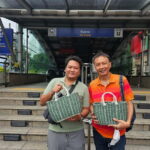
- Take the BTS to Wutthakat Station (Exit 2), then a 5–10 minute taxi or motorbike ride to Wat Pak Nam.
- Take the Chao Phraya River Express to Phasi Charoen Pier, then a short tuk-tuk ride.
My advice: pick the route that matches what you already have nearby in Bangkok. BTS can be straightforward if you’re staying closer to the transit line. If you’re already using river transport, the pier option may feel smoother.
And build in a little buffer. Thai traffic and traffic-based rides can shift your timing, and you don’t want to be rushing for a 3-hour class.
What to bring (and what to wear) so you enjoy the class
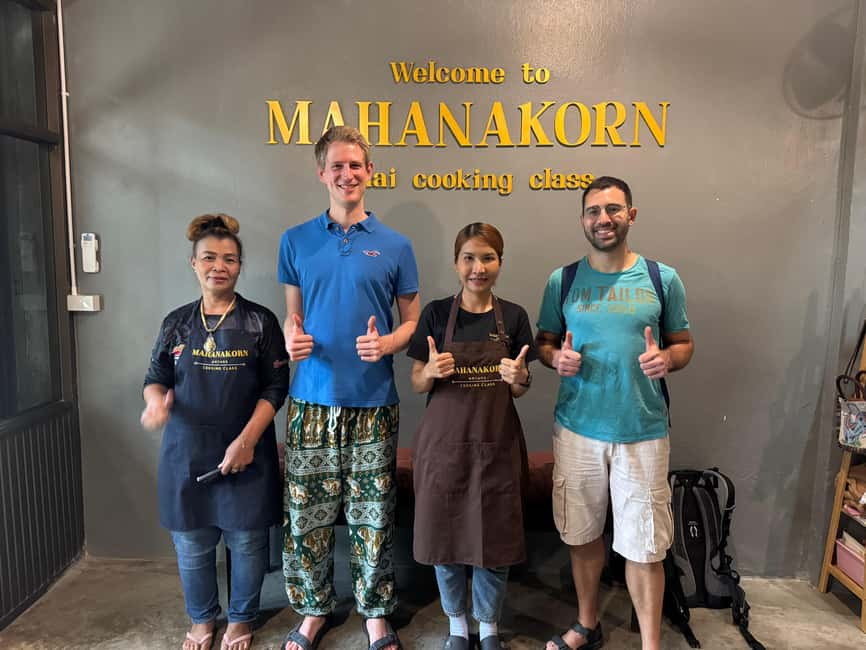
This isn’t a fancy wardrobe situation, but it is a hands-on kitchen moment inside a temple-area setting. Bring:
- Comfortable shoes (you may do some walking on temple grounds and move around the cooking area)
- Camera (many people want the photo set and it’s nice to capture details)
- Water
- Comfortable clothes
Also, think about how you like to cook. If you prefer keeping your sleeves tidy, wear something you can easily manage while stirring, chopping, and handling sauces.
If you’re the type who hates feeling unprepared, arriving with water and comfortable shoes reduces stress fast. That lets you focus on the fun part: learning why Thai food tastes the way it does.
Who should book Thai Spices Hands On
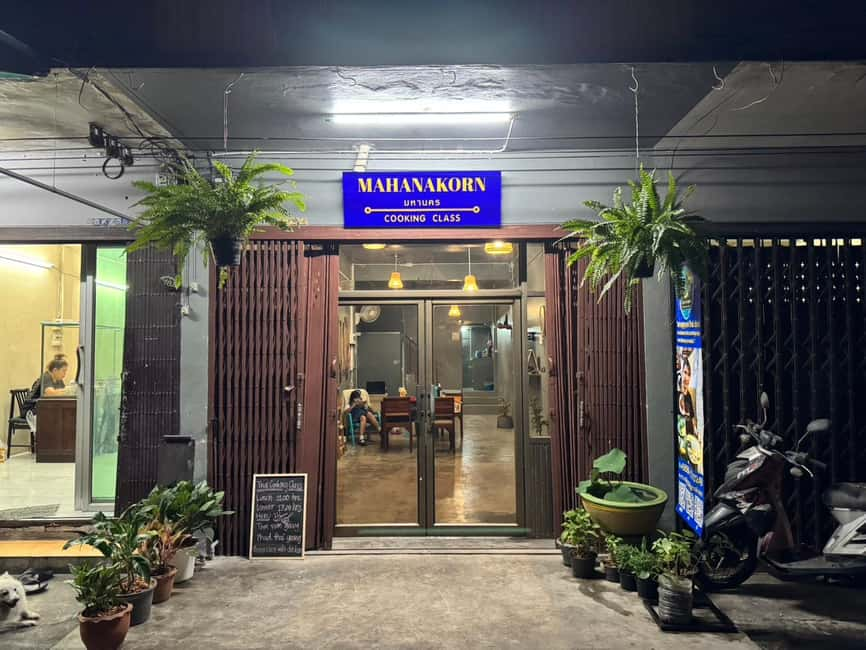
This class is a strong fit for:
- Beginners who want Thai cooking explained in English and practiced with real guidance
- Food lovers who want a hands-on version of Thai flavor learning, not just a meal
- Solo travelers who want a small group vibe and a welcoming host (Joyce comes up a lot)
- People who want a repeatable takeaway, since participants mention receiving recipe materials
It may not be ideal if you hate group cooking, want a fully private class, or don’t want to manage your own transportation to Wat Pak Nam. Also, if you’re expecting alcohol to be part of the experience, note that alcohol beverages aren’t included.
FAQ
FAQ
What is the duration of the Thai Spices Hands On cooking class?
The class runs for 3 hours.
Do I need any cooking experience to join?
No. The experience is described as suitable for beginners and food enthusiasts.
What dishes will we cook?
The dishes people describe from these classes commonly include Tom Yum, green curry, Pad Thai, and a sticky rice dessert (often mango or coconut sticky rice).
Is the class taught in English?
Yes, the instructor speaks English.
How many people are in the group?
The class is a small group with a limit of up to 10 participants.
Where do we meet at Wat Pak Nam?
You’ll meet at the main entrance of Wat Pak Nam or in front of the Big Buddha statue.
Is transportation or alcohol included?
Transportation to and from the activity location is not included, and alcohol beverages are also not included.
Should you book Thai Spices Hands On by Mahanakorn?
Yes, if you want real Thai cooking skills in a short time window. The best reason to book is the combination of hands-on cooking, a spice-and-flavor introduction at Wat Pak Nam, and an end result you can actually taste together. If you’re a beginner, the chef-led guidance and English instruction help you learn without guesswork. If you’re already into cooking, the dish mix and technique practice give you something specific to repeat at home.
Just plan for getting yourself to Wat Pak Nam since transportation isn’t included, and wear comfortable shoes so you can enjoy the whole day without rushing.