REVIEW · HANOI
Hanoi Cooking Class in a Haven of Tranquility – Thom culinary
Book on Viator →Operated by Thơm Culinary · Bookable on Viator
A calm cooking class in loud Hanoi. You get a market start plus a hands-on herb and fruit garden experience that explains why Vietnamese flavors work. It is not just watching food get made.
I especially liked the ingredient lessons that happen before the apron goes on, including how market goods translate into cooking choices. I also liked the small group vibe (max 8), which makes it easier to ask questions and actually learn. The only real watch-out: expect walking and chopping-style participation, so it is best if you are comfortable getting a little involved rather than just sampling.
In This Review
- Key Highlights to Know Before You Go
- From Cyclo to Dong Xuan Market: Where the Food Story Starts
- Market Stops You’ll Actually Benefit From: Dong Xuan, Cau Dong, Thanh Ha
- Old City Gate Area Meets Food Reality
- Thơm Culinary’s Quiet Garden House: Tranquility With a Purpose
- Harvesting Herbs and Fruits: The Farm-to-Table Part You Can Feel
- The Cooking Philosophy: Balancing Flavors the Vietnamese Way
- Hands-On Cooking: Four Dishes You Make From Scratch
- Enjoying the Meal: Herbal Drinks, Homemade Dessert, and Rice Wine
- Old City Area to Back to Your Hotel: A Day With Less Logistical Stress
- Price and Value: What $64.31 Buys You in Hanoi
- Who Should Book Thơm Culinary (and Who Might Want a Different Plan)
- Should You Book This Hanoi Cooking Class?
- FAQ
- How long is the Hanoi cooking class?
- Do I get hotel pickup and drop-off?
- What markets are included?
- How many dishes will I cook?
- What food and drinks are included with the meal?
- Can I cancel for a full refund?
Key Highlights to Know Before You Go
- Cyclo ride + round-trip hotel transport: you spend less time figuring out Hanoi and more time tasting and learning.
- Dong Xuan, Cau Dong, and Thanh Ha markets: you see ingredients in context, not just on a plate.
- Harvest herbs from a garden: you literally bring garden plants into your meal.
- Cook 4 authentic dishes: hands-on steps from chopping to plating, with guidance throughout.
- Bottomless herbal drinks and homemade rice wine: your meal comes with plenty to sip and taste alongside dessert and fruit.
From Cyclo to Dong Xuan Market: Where the Food Story Starts
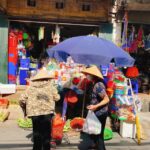
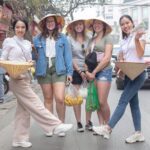
This experience starts with the kind of Hanoi beginning that instantly sets the mood. You head to the market area by cyclo, then shift into food mode right away. Instead of jumping straight to recipes, you learn what ingredients look like in real life and how locals think about daily eating.
I like this approach because it makes the later cooking feel logical. When you understand what herbs you are using and what a spice is meant to do, the dish stops being a mystery. It also helps you buy and cook better afterward, even if you are repeating the meal at home with different brands.
You should also know what kind of “market time” this is. You are not just wandering. You are sampling street food delights and getting guided context, which means you may move at a steady pace.
You can also read our reviews of more tours and experiences in Hanoi.
Market Stops You’ll Actually Benefit From: Dong Xuan, Cau Dong, Thanh Ha
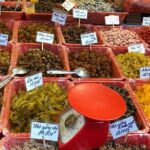
The program includes visits to Dong Xuan market plus additional market stops at Cau Dong and Thanh Ha. The standout here is that the tour treats markets as ingredient education, not sightseeing.
In sessions led by guides like Mango, you may get a guided walkthrough that connects what you see (fresh produce, dried goods, herbs, spices) to how Vietnamese kitchens use them. In other words: you are learning how to read a market stall the way a cook does.
What I find valuable is that you get taste exposure while the explanations are still fresh. You might try market foods first, then connect them later to the dishes you will cook. That sequence matters. It keeps your brain from separating eating from cooking.
One practical note: markets can be busy. If you hate crowded walking, wear comfortable shoes and be ready for a little squeeze-and-step energy.
Old City Gate Area Meets Food Reality
Partway through the market portion, the tour includes a stop at the Old City Gate area. This is not random photo time. It helps you place what you are eating within the geography of Hanoi’s food culture.
Even if you have been in Hanoi before, I like the idea of using a landmark area as a mental reset. It gives you a sense of where you are while your guide keeps the focus on food ingredients and how they show up in daily meals.
If you are planning to see more of the Old Quarter later, this timing can help. You are already in the area, and you will likely notice small details you would have missed otherwise, like the way herbs and produce are displayed.
Thơm Culinary’s Quiet Garden House: Tranquility With a Purpose
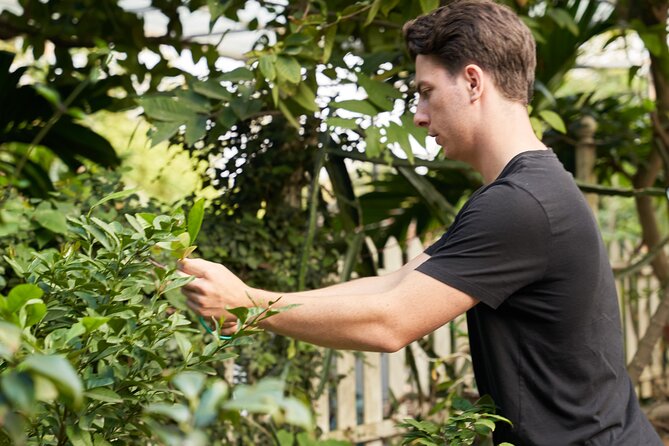
After the market intensity, you move to Thơm Culinary, described as a tranquil oasis with a garden house setting. This is where the day shifts from street-level ingredients to the calm, practical work of cooking.
The property includes lush green herb and tropical fruit gardens, plus features like a fish pond and a family worship hall. Those details matter because they set expectations: this is not a warehouse kitchen. It is a home-style setting where the cooking philosophy is part of the experience, not an afterthought.
I really like the garden aspect for two reasons:
1) You see herbs as living plants, not just dried packets.
2) You learn which herbs matter for flavor balance, so the “why” sticks.
It is also a nice break from Hanoi’s constant motion. You get space to pay attention.
Harvesting Herbs and Fruits: The Farm-to-Table Part You Can Feel
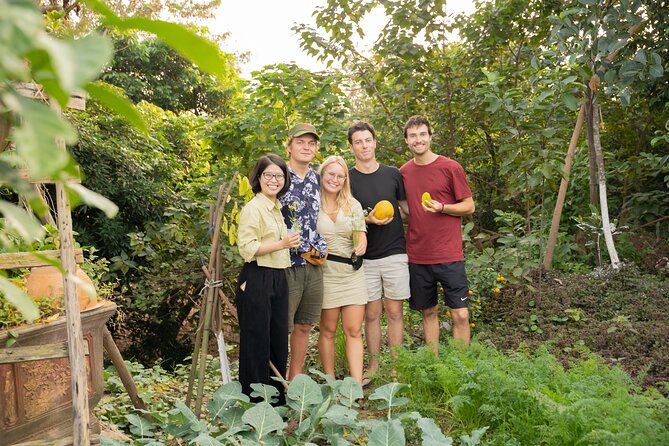
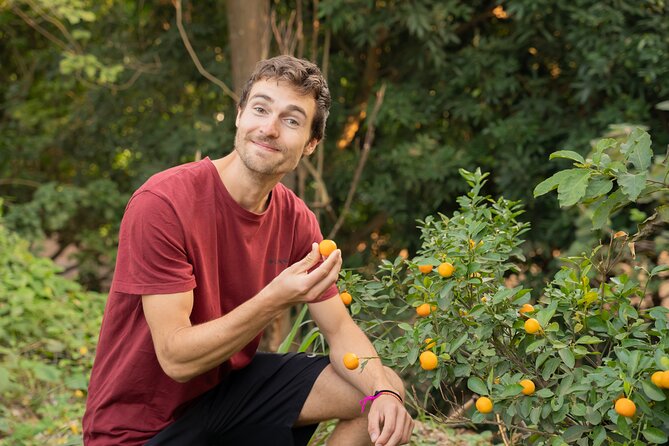
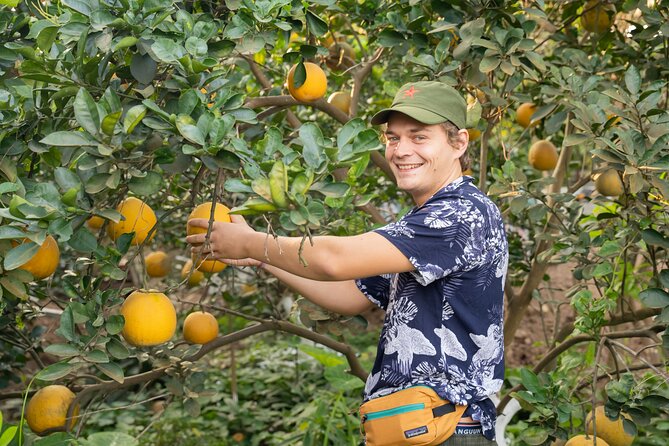
A core moment in this class is harvesting from the garden. You get to visit and harvest herbs and exotic fruit before cooking. That changes the day in a very real way.
When you pick the herbs yourself, you pay closer attention to texture, smell, and how the plant behaves. Later, when you are chopping and cooking, you are no longer guessing. You have already experienced the ingredient in its natural state.
From the tour description and the way guides explain things, the garden harvest is connected to a bigger lesson: Vietnamese cooking uses herbs and spices to balance contrasting tastes and textures. That means a dish is not just salty or spicy. It is often working on multiple levels at the same time.
Even if you are not a “plant person,” you will likely leave with a clearer idea of which herbs do what, and how small differences can shift the final flavor.
The Cooking Philosophy: Balancing Flavors the Vietnamese Way
Once you are back at the cooking station, the class focuses on the philosophy behind the food. The idea is simple but powerful: Vietnamese cuisine is built around balance—sharp against sweet, aromatic against savory, fresh herbs against cooked ingredients.
You will learn about the philosophy behind Vietnamese cooking by exploring the variety of herbs used in dishes. The goal is to understand how the herbs and spices contribute beyond flavor alone. Many of them also affect aroma and texture.
I like this framing because it helps you cook with confidence later. If you learn how to balance flavors, you are not locked into one exact recipe. You can adapt to what you find at your next market.
It is also guided. You are not stuck with a worksheet. The host walks you through what matters at each step, so you can focus on understanding rather than just following instructions.
Hands-On Cooking: Four Dishes You Make From Scratch
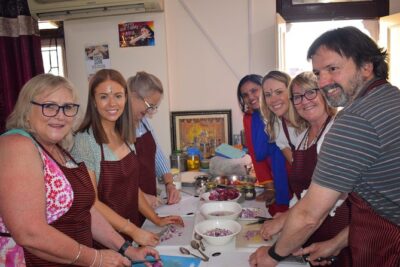
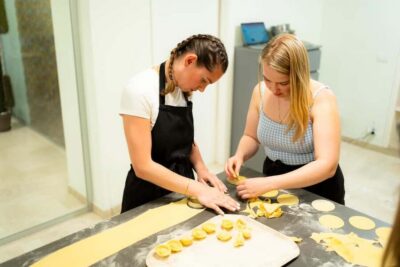
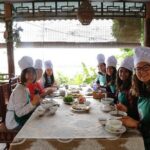
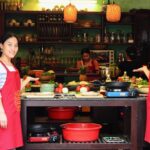
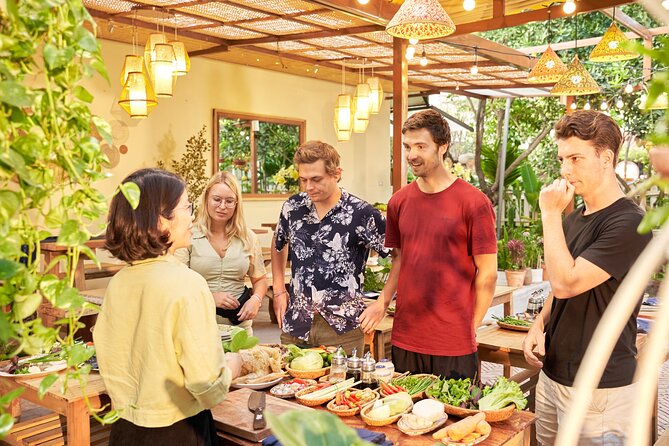
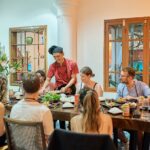
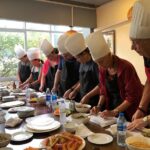
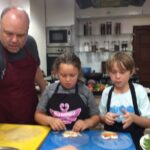
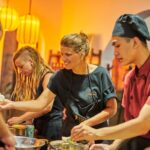
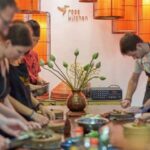
This is a true hands-on session. You cook 4 authentic dishes with a host guiding you. Expect the full workflow: chopping, sautéing, seasoning, and plating.
What makes this valuable is pacing. You are not dropped into “good luck” cooking. The guidance supports you as the ingredients shift from raw to cooked. That is where many cooking classes fall flat. Here, the structure is built around making sure you can actually produce food you recognize as Vietnamese.
Even though the exact dish list is not provided in the details you shared, the format is consistent: you will end up with a full meal worth eating, not tiny samples. You will also learn eating etiquette as part of the overall dining experience, which helps you understand how these dishes are meant to be enjoyed.
If you are the kind of person who learns best by doing—this fits. If you want a mostly observational class with minimal participation, you may feel a bit too hands-on for your taste.
Enjoying the Meal: Herbal Drinks, Homemade Dessert, and Rice Wine
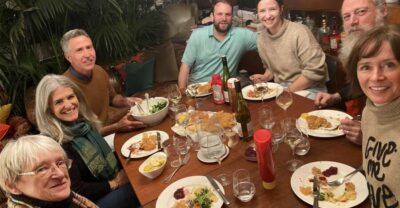
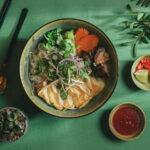
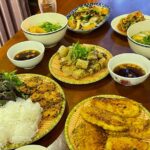
After cooking, you eat what you made. The meal includes homemade desserts, traditional sweet treats, exotic fruit, and herbal drinks that are bottomless.
You will also have homemade rice wine included. The tour description lists it as part of the experience, so plan your pacing accordingly. If you do not drink alcohol, you will at least be offered the option to participate with non-alcohol sides, but you should be upfront with your host about what you prefer.
What I like about this part is that it ties Vietnamese cooking back to Vietnamese dining. Many classes treat dessert as an afterthought. Here, sweet elements and herbal drinks are part of the day’s flavor balance lesson.
There are also dish stories and eating etiquette. That can sound a little formal, but it actually helps you eat more thoughtfully. You are not just consuming. You are learning what to notice as you take bites.
Old City Area to Back to Your Hotel: A Day With Less Logistical Stress
A practical bonus: the tour includes cyclo and round trip transportation and ends with a transfer back to your hotel. That means you do not have to solve Hanoi transit while you are hungry and sticky from market time.
The whole experience runs about 4 hours 30 minutes. That is long enough to learn and cook properly, but not so long that you lose the day to transit.
The group size is capped at 8 travelers, which I find makes a real difference. Smaller groups usually mean more attention, better pacing, and more time for questions during hands-on cooking.
You also get a mobile ticket, which is a small convenience but helpful if you are juggling multiple bookings and schedules.
Price and Value: What $64.31 Buys You in Hanoi
At $64.31 per person, you are paying for more than a recipe class. You are paying for a full arc: market ingredient tasting, transport (including cyclo and hotel transfer), garden harvest, and four cooked dishes plus drinks and dessert.
Here is what pushes the value up:
- Market food tastings plus ingredient explanations
- Herb and fruit harvesting from the garden
- 4 hands-on dishes, not just one or two
- Bottomless herbal drinks, homemade dessert, exotic fruit
- Homemade rice wine included as part of the meal experience
If you have ever taken a cooking class that feels like a demonstration plus a snack, this one is more structured. You cook, eat a lot, and learn the ingredient logic behind the flavors.
Who Should Book Thơm Culinary (and Who Might Want a Different Plan)
This fits best if you want a Vietnamese food experience that feels grounded and practical. It is ideal for:
- Couples or friends who want a shared activity with plenty of time to talk with the host
- Solo travelers who like small-group learning
- Food lovers who want to understand herbs, spices, and flavor balance rather than memorize a single menu
- Anyone who enjoys markets and wants them explained through ingredients
It may be less ideal if you want a low-participation tour. This class is built around hands-on chopping, sautéing, and plating. Also, you should be prepared for walking during market time.
Should You Book This Hanoi Cooking Class?
If you want one activity in Hanoi that connects the dots between markets, herbs, cooking technique, and dining style, I would book this. The combination of market lessons, garden harvest, and four dishes you cook yourself is a strong value match for the price.
Choose it especially if you like the idea of learning how Vietnamese flavor balance works, not just copying a recipe. And if you care about comfort after market time, the calm garden setting plus the included return transfer makes the whole day feel easier than it looks on paper.
FAQ
How long is the Hanoi cooking class?
The experience is about 4 hours 30 minutes.
Do I get hotel pickup and drop-off?
Yes. Pickup is offered, and the tour includes transfer back to your hotel.
What markets are included?
The experience includes visits to Dong Xuan market, Cau Dong market, and Thanh Ha market.
How many dishes will I cook?
You’ll cook 4 hands-on authentic dishes with guidance.
What food and drinks are included with the meal?
Your meal includes homemade desserts, herbal drinks, homemade rice wine, and exotic fruit, and there are also street food tastings at traditional markets.
Can I cancel for a full refund?
Yes. You can cancel up to 24 hours in advance for a full refund.