REVIEW · NAFPLIO
Sustainbable Cooking class, explore a mountainous village
Book on Viator →Operated by Grecopaths · Bookable on Viator
A mountain kitchen beats any museum stop. This 4-hour sustainable cooking class takes you from Nafplio to the hillside village of Kefalovriso (around 700 meters up), where mountain life shapes the food and the pace. You’ll start with local rituals, cook hands-on, then finish with a proper meal in a homey, village setting.
I like how much you actually do here. You roll up your sleeves for classic dishes like tzatziki and gemista, then you’ll move to a grandmother’s home style kitchen to learn cheese pie the old way, including making your own phyllo.
The one thing to weigh is logistics: private transportation is not included, and the experience runs best when the weather cooperates. If conditions are poor, it can be rescheduled or refunded, and you’ll also do some walking around the village.
In This Review
- Key things that make this cooking day work
- Nafplio’s mountain cooking day, in plain terms
- The drive to Kefalovriso and why that altitude matters
- Spring water, mountain tea, and the village intro ritual
- Aprons on: making tzatziki and gemista step by step
- Moving from the restaurant to the yiayia’s kitchen
- Cheese pie with handmade phyllo and wooden-oven slow cooking
- Village time: watermills and an unhurried stroll
- The meal you cook, plus the dishes you didn’t have to chase
- What the sustainable part likely means in practice
- Price and logistics: does $258.63 feel fair?
- Who should book this Kefalovriso cooking class
- Should you book it or skip it?
- FAQ
- Is this cooking class in English?
- How long is the experience?
- Where do we meet and where does it end?
- What recipes will I learn to make?
- What’s included in the price?
- Is transportation included?
- What should I do if I have allergies or dietary limitations?
- What if the weather is bad?
Key things that make this cooking day work
- A real mountain village welcome: spring water, a village square intro, then mountain tea with honey and panoramic views
- Two cooking phases, two cooking styles: restaurant prep for tzatziki and gemista, then a home kitchen for cheese pie
- Hands-on phyllo and wooden-oven cooking: you learn the dough and slow-cook methods, not just assemble ingredients
- Walk time with old watermills: after the cooking, you get a short wander to see village landmarks
- You eat a full menu: what you made plus lamb chops and other local favorites
- Private group experience: just your group, in English, with lunch and drinks included
Nafplio’s mountain cooking day, in plain terms
This is a food-focused trip with a simple rhythm: leave Nafplio, get oriented in a small mountain village, cook multiple Greek staples, then eat like you belong there for the afternoon.
The pacing matters. It’s not a rushed “watch and smile” workshop. You’re putting on an apron, handling ingredients, and learning techniques at the bench. The payoff is that by the time you sit down to eat, you already understand what you’re tasting and why it tastes that way.
And because the experience is based in a village setting instead of a studio, the atmosphere feels grounded. You’re surrounded by everyday mountain life, not a staged performance.
You can also read our reviews of more tours and experiences in Nafplio.
The drive to Kefalovriso and why that altitude matters
You’ll head out from Nafplio for about 45 minutes by car before stepping into Kefalovriso, a mountainous village around 700 meters altitude. That elevation isn’t just trivia. It changes the feel of the day right away: cooler air, different light on the hills, and a slower, more local rhythm.
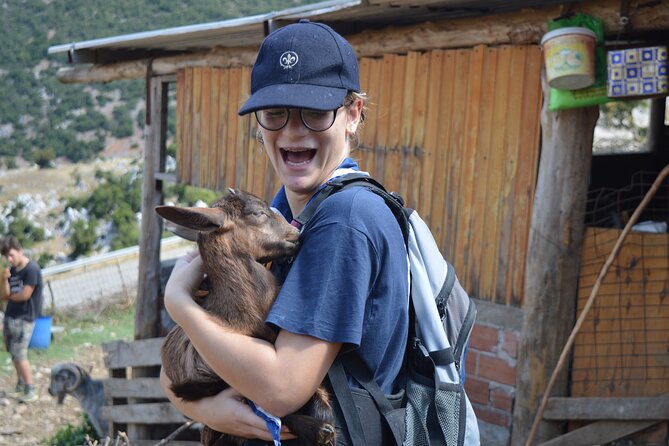
Once you arrive, the tour isn’t just “get to the kitchen.” You’re treated like a visitor who can walk, look, and learn. That makes the cooking feel more connected. You’re not just learning recipes; you’re learning the setting those recipes come from.
A quick note on the tradeoff: since private transportation isn’t included, you’ll want to plan how you’ll reach the meeting point and then handle the local pickup/ride as described by the operator. The activity starts at Cine Nafplio, Χειμερινό 25ης Μαρτίου 2, and it ends back there.
Spring water, mountain tea, and the village intro ritual
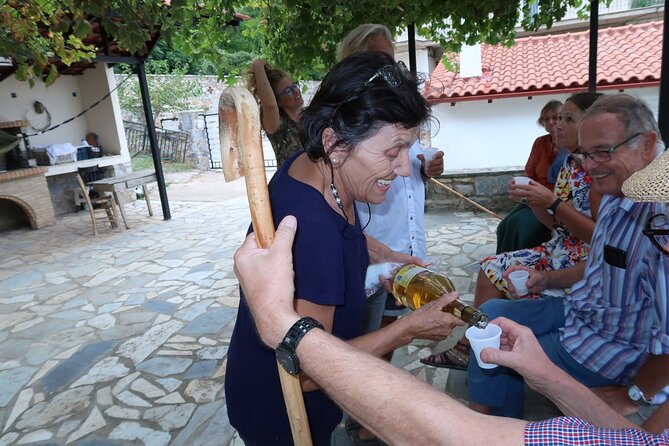
The first stop is Kefalovriso, and you begin in the village square. You’ll drink fresh water from the spring fountain while there’s an introduction to the place. This is one of those moments that sounds small, then turns out to be surprisingly meaningful once you’re there. It frames the whole day around local resources and daily habits.
After that, the group drinks mountain tea with honey while you take in views of the mountains and the village. It’s a calm break before you start working with food, and it also helps you feel the scale of the area.
If you like travel that mixes food with real context, this welcome sequence is a strong start. It sets expectations: you’re going to cook mountain Greek dishes with village routines in mind.
Aprons on: making tzatziki and gemista step by step
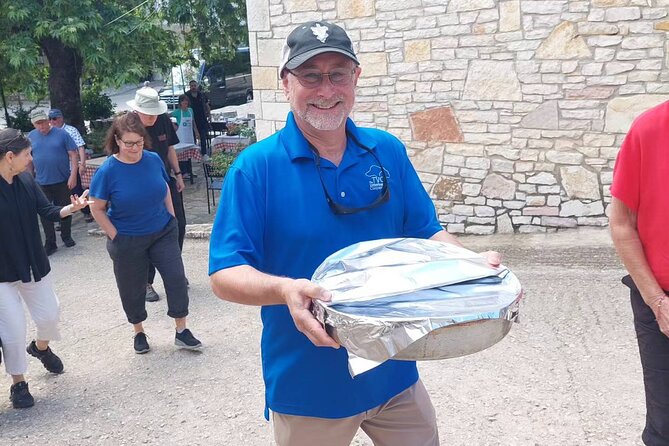
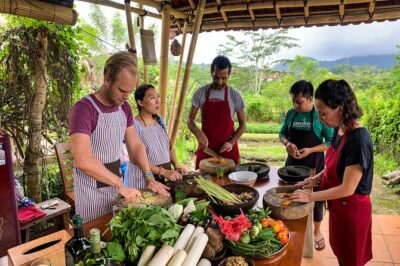
After the tea, it’s hands-on time. You’ll put on aprons and get to work making two recipes: tzatziki and gemista.
Why this pairing is smart:
- Tzatziki is a foundation dish in Greek meals. Learning it teaches you how the flavors are built: creamy yogurt, garlic bite, and the fresh tang that comes from properly prepared ingredients.
- Gemista (stuffed vegetables) is comfort food with technique. It’s about balance—seasoning, texture, and how you pack and cook the filling so everything comes out cohesive.
The workshop format matters too. You’re not just getting a bowl of ingredients; you’re actively making the recipes until they’re finished. That means when you later taste the finished meal, you know what to look for and what “good” feels like.
This is also where you’ll benefit most if you’re a little curious. If you like asking questions and you’re willing to get a bit messy, you’ll get more out of the class.
Moving from the restaurant to the yiayia’s kitchen
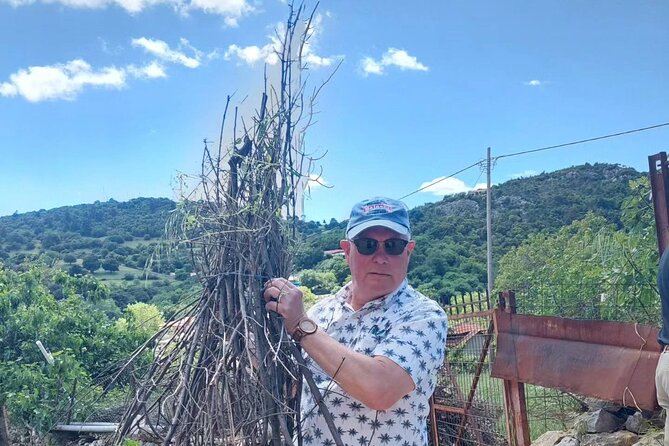
Once you finish tzatziki and gemista, you walk about 5 minutes from the restaurant to meet the second chef: a housewife and Greek grandmother (yiayia).
This part is a highlight because it changes the vibe. The teaching shifts from a group cooking setup to a home-style kitchen world. You’re learning in a context that feels older and more personal—especially because the class focuses on tradition and slow cooking.
If you’re hoping for an authentic feel, this transfer is exactly the kind of detail that makes the day feel real. You don’t just hop from one location to another—you move into a different way of doing things.
Cheese pie with handmade phyllo and wooden-oven slow cooking
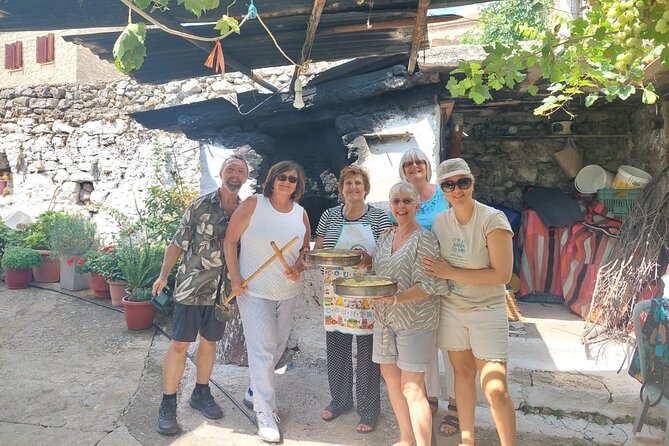
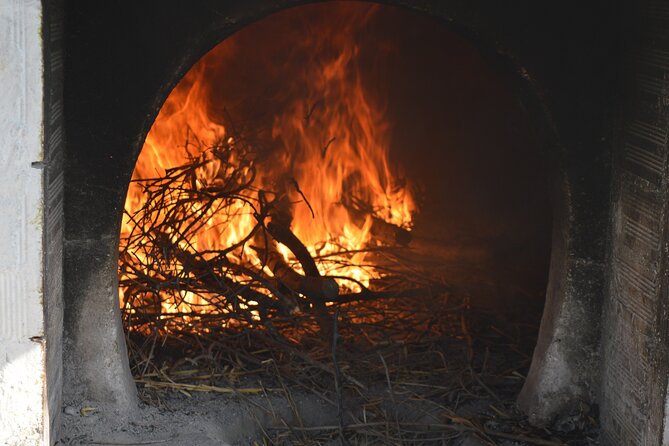
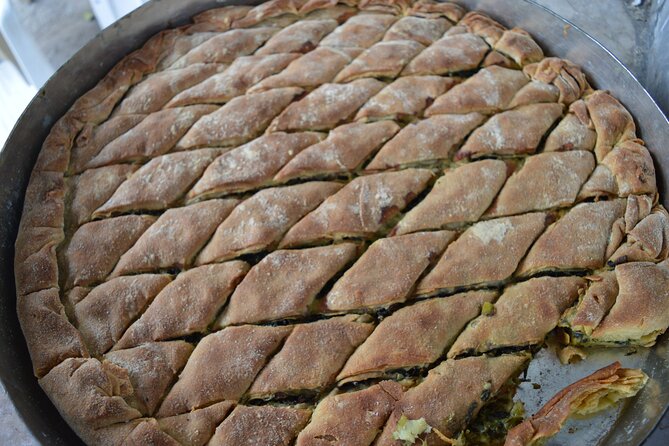
The third recipe is cheese pie, and the key difference is that you’ll make your own phyllo and learn how to cook it in a wooden oven using slow cooking.
That wooden oven piece is huge for value. Oven heat and cooking time affect texture and flavor, so learning the method helps you understand why the pie tastes like it does. You’re not only learning a recipe; you’re learning a process.
Also, making phyllo isn’t passive work. Even if you’re not doing every step alone, you’re getting hands-on experience with dough handling and layering. For a lot of people, that’s the moment the cooking class stops feeling like a simple food tour and starts feeling like a skill you can actually repeat later.
When the pie is finished, you’re released into village time: not a big hike, but enough to walk and explore.
Village time: watermills and an unhurried stroll
After the third recipe, you can walk and explore the village and its old watermills. This is your downtime after working at the bench. It’s also one of the ways the experience balances food with place.
You’ll get a chance to look around without having to listen to instructions the whole time. That’s a big deal on a 4-hour activity—short enough to stay fun, long enough to feel like more than a meal.
Bring comfortable shoes. You’re in a mountain village, and the ground may not be flat or uniform.
The meal you cook, plus the dishes you didn’t have to chase
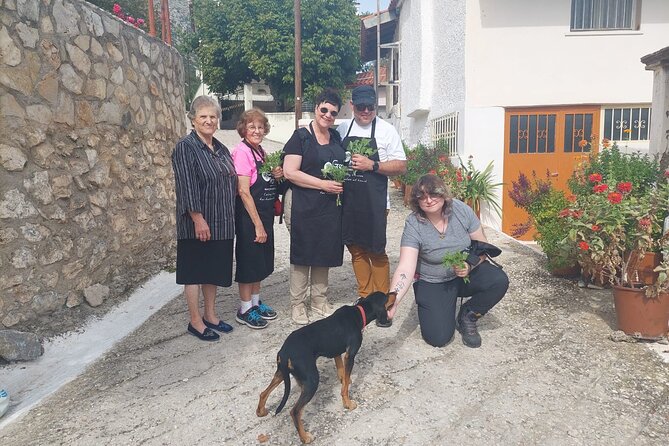
Once everything is ready, you eat together. It’s not only the recipes you made. The menu also includes well-known local dishes and extra plates that round out the day.
From the provided sample menu, you can expect:
- Cheese pie (starter)
- Seasonal salad
- Local goat cheese
- Rooster with handmade pasta (main)
- Lamb chops (served as well)
- Authentic Greek yogurt with honey or a sweet spoon (dessert)
This matters for value. A lot of cooking experiences make you cook a couple things and then serve a mostly generic buffet. Here, the menu is built around Greek mountain and home-style foods, so your work at the stove connects directly to what arrives on the table.
I also like that lunch isn’t an add-on. It’s included, along with coffee and/or tea, so you’re not doing the math mid-day.
What the sustainable part likely means in practice
The experience is labeled as sustainable cooking, and while the details of sustainability aren’t spelled out here, the structure hints at what they mean in a real-world way.
You’re working with local, traditional dishes (tzatziki, gemista, cheese pie) and cooking methods that are time-tested—like slow cooking in a wooden oven. That kind of teaching usually points to a focus on preserving culinary habits, using ingredients that fit the region, and respecting how food is prepared rather than rushing it through a modern assembly line.
I’d treat the sustainability angle as a theme of how the day is run: village-based learning, traditional techniques, and a meal that feels tied to local life.
If you want a cooking class that’s not just recipes on paper, this format makes sense.
Price and logistics: does $258.63 feel fair?
The price is $258.63 per person for about 4 hours. That sounds steep until you count what’s included.
You’re getting:
- A cooking class that includes multiple recipes (not just one)
- Lunch, plus coffee and/or tea
- A walking tour through the village area and around watermills
- A private experience (just your group)
- English service
- A mobile ticket
The part that’s not included is private transportation, so you’ll cover the logistics of getting to and from the meeting point and the transfer arrangement described for the activity.
So is it good value? For the right traveler, yes—because you’re not only eating. You’re learning skills like making tzatziki, preparing gemista, and making phyllo for cheese pie, plus you’re getting a full menu meal after cooking. That turns the day into a hands-on workshop with a built-in lunch.
If you’re the type who learns best by doing, this is the kind of class where your money turns into something you can repeat later.
Who should book this Kefalovriso cooking class
This works best if you:
- Want a food-first day in Greece, not just sightseeing
- Like hands-on workshops and eating what you cooked
- Enjoy village travel and short walks with small landmarks
- Are traveling with family or a small group and want a private setting
- Need the class in English and want guidance throughout
It’s also worth telling the operator about any food allergies or diet limitations ahead of time, since you’ll be eating a full menu and cooking multiple dishes.
Most travelers can participate, and service animals are allowed, so it’s broadly friendly for many visitors. Still, if you know walking is a challenge for you, plan around the village stroll and the short walks between stops.
Should you book it or skip it?
Book this class if you want a day that feels like real Greek mountain life: spring water at the village square, honeyed mountain tea, hands-on cooking of tzatziki and gemista, then phyllo and cheese pie from a yiayia kitchen, followed by lunch you actually helped make.
Skip it if you’re mainly chasing beach time or you hate any kind of weather dependency. Since the experience is said to require good weather, you don’t want this as your only plan if your schedule is tight.
If you’re flexible and you like learning by doing, this is the kind of cooking class that gives you more than photos. You leave with recipes you understand, plus the memory of a mountain village rhythm you can’t get from a restaurant table alone.
FAQ
Is this cooking class in English?
Yes. The experience is offered in English.
How long is the experience?
It runs for about 4 hours.
Where do we meet and where does it end?
You meet at Cine Nafplio, Χειμερινό, 25ης Μαρτίου 2, Nafplio 211 00, Greece. The tour ends back at the meeting point.
What recipes will I learn to make?
You’ll make tzatziki and gemista, and you’ll also learn how to cook cheese pie and make your own phyllo, cooked in a wooden oven.
What’s included in the price?
Lunch, a walking tour, coffee and/or tea, and the cooking class are included.
Is transportation included?
No. Private transportation is not included.
What should I do if I have allergies or dietary limitations?
You should let the provider know about any food allergies or diet limitations before the experience, since you’ll be cooking and eating multiple dishes.
What if the weather is bad?
The experience requires good weather. If it’s canceled due to poor weather, you’ll be offered a different date or a full refund.