REVIEW · OSAKA
Japanese home cooking class in Osaka Umeda
Book on Viator →Operated by 日本文化体験 桜ん坊 · Bookable on Viator
Osaka cooking, inside a real home. This private class near Umeda puts you in a real-home kitchen with Hisako and Naoko, where you cook and eat Osaka comfort food at your own pace. I also like the supermarket tips—what to buy, how to choose ingredients, and how to recreate the flavors later.
One possible consideration: you handle getting there. Private transportation isn’t included, and it’s a short 2-hour session, so come ready to cook and ask questions fast.
In This Review
- Key things that make this Osaka cooking class worth your time
- Inside a Fukushima Ward home kitchen near Umeda
- The practical side (so you’re not scrambling)
- Choosing your dish: bento, takoyaki, and other Osaka favorites
- Expect techniques, not just recipes
- How Hisako and Naoko teach: feedback, pace, and take-home recipes
- You leave with instructions you can use
- Supermarket strategy: what to buy in Japan and what to skip
- A smart way to use this after your trip
- Lunch with Japanese tea: eating what you cooked
- The cultural extras you might get
- Home cooking vs restaurant food: what you’ll actually understand
- Price and logistics: is $59.12 a fair deal?
- Who should book this Osaka home cooking class (and who might skip it)
- Should you book this Osaka home cooking class?
- FAQ
- Where is the class in Osaka?
- What time does the cooking class start?
- How long is the class?
- Is lunch included?
- Is this class private?
- What dishes can I choose from?
- Do I get recipes to take home?
- Is private transportation included?
- Is there free cancellation?
Key things that make this Osaka cooking class worth your time
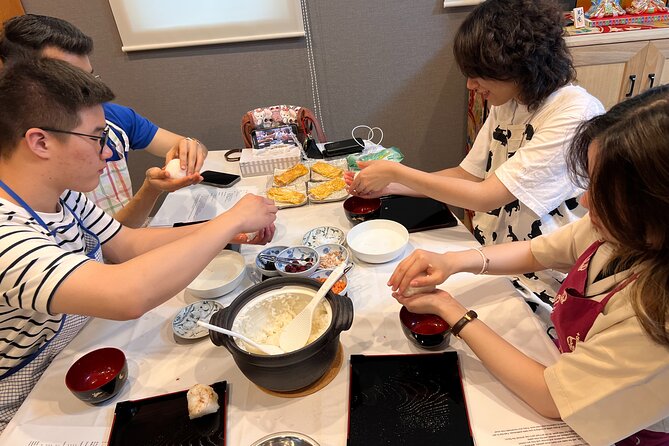
- A real Osaka house kitchen: You’re not stuck in a demo room, you’re working in a typical home setup.
- Choose your own dish: Your menu can include staples like bento and takoyaki, plus other local favorites depending on the day.
- Private, pace-friendly coaching: The lesson is tailored to your group, with personalized feedback as you cook.
- Supermarket game plan: You’ll learn how to shop like a local for the ingredients that matter.
- Lunch plus Japanese tea: You cook, then you eat—water and Japanese tea are part of the meal.
Inside a Fukushima Ward home kitchen near Umeda
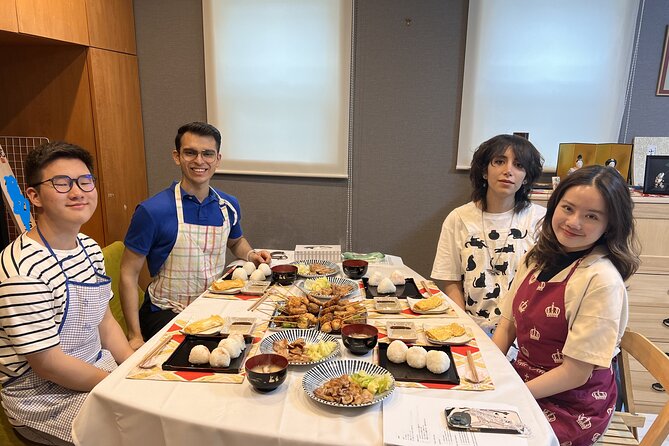
This class starts in Osaka’s Fukushima Ward, not some tourist kitchen. The address is 1-chōme-4-1 Tamagawa, Fukushima Ward (start time is 10:00 am). You’ll meet there, work in the kitchen and dining room of a typical house, and then the experience ends back at the meeting point.
What that means for you: the atmosphere feels normal. No stage lights. No metal folding chairs in a classroom. Instead, you’re cooking like you’ve been invited into a household. That’s a big deal if you want practical skills you can repeat at home—not just a plate of food that looks good for photos.
I also like that the hosts teach in a way that fits real life. In the best home-cooking lessons, the goal isn’t to show off. It’s to get you comfortable with steps, timing, and the reasons behind techniques. The class is private, so you can pause, ask, and move at the speed that works for your group.
You can also read our reviews of more tours and experiences in Osaka.

The practical side (so you’re not scrambling)
Private transportation isn’t included, but it’s near public transportation. So plan to arrive a bit early, and treat this like an appointment: you’ll get more out of the class if you aren’t stressed.
Also, the lesson is about 2 hours. That’s long enough to learn techniques and actually eat, but it’s not a full-day cooking program. If you love cooking, you’ll want to show up curious and ready to do the work.
Choosing your dish: bento, takoyaki, and other Osaka favorites
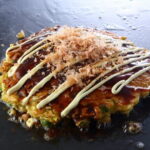
At the start, you choose from a menu of local specialties. The description highlights options like bento and takoyaki, and multiple past participants also mention dishes such as udon, onigiri, tempura, and even beef stew.
Here’s why this matters: Osaka food is diverse, but many restaurant versions rely on shortcuts you won’t see in a home setting. By picking a dish, you’re more likely to take home real, usable skills. You’ll learn what ingredients make the biggest difference, and you’ll get clearer on technique—like how to handle dough, batter, or seasoning balance.
Expect techniques, not just recipes
You’ll cook and eat what you make as lunch. Because it’s designed as home cooking (not restaurant showpieces), the recipes are typically more accessible than what you might attempt from scratch without guidance.
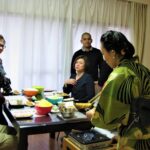
Some sessions also include extra cultural touches described by participants, like a tea ceremony and traditional kimono dressing for kids. Those elements may not be exactly the same every time, but they fit the overall vibe: you’re not only learning food, you’re learning a little about everyday Japanese manners and traditions.
How Hisako and Naoko teach: feedback, pace, and take-home recipes
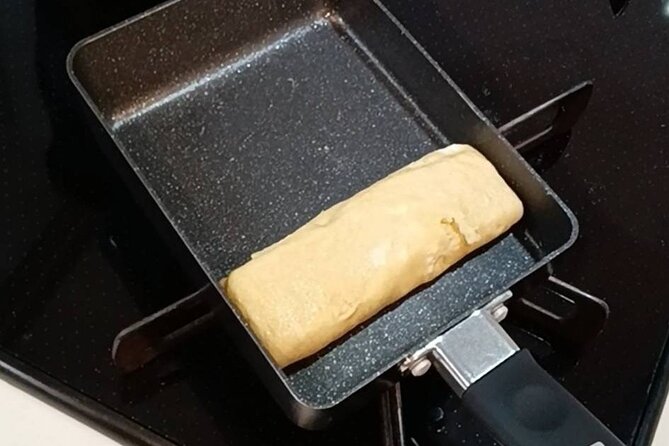
This is where the class earns its high marks. Hisako and Naoko are described as welcoming teachers who break cooking into easy steps. The big win for you is pacing: because it’s private, you can go slower when you need to, or speed up if you’re eager.
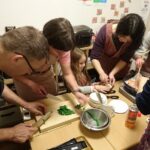
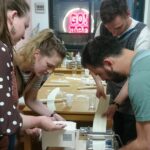
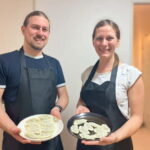
You’ll likely get a mix of demonstration and hands-on cooking. The style described in past sessions is very practical: they show what to do, then you do it, then they help adjust what needs adjusting. That personalized feedback is especially helpful if you’re trying something you’ve never made before—like frying for tempura or shaping onigiri.
You leave with instructions you can use
One of the most useful extras mentioned is that the hosts provide printed recipes and instructions you can take home. That turns the class from a fun day into something you can repeat. You’ll have a reference for ingredient amounts and steps, and that’s what keeps the skills from evaporating after the trip.
If you like asking questions, this is also a strong format. The host invites conversation about Japan, and you’ll get explanations that connect cooking choices to everyday life.
Supermarket strategy: what to buy in Japan and what to skip
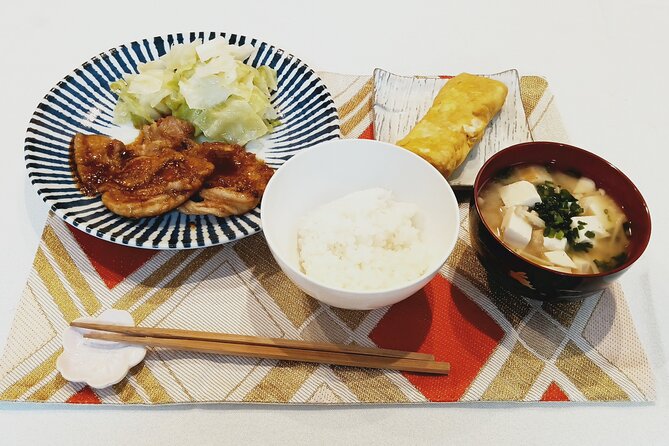
A cooking class is one thing. A cooking class that teaches you how to shop is a whole different level. Here, you get tips on buying ingredients at Japanese supermarkets, including which items to look for and what choices matter.
Why this is so valuable: at home, many people can follow a recipe but get stuck at the store. The hardest part is not the cooking—it’s figuring out which brand, which cut, which sauce, or which pantry staple is the real flavor driver.
This is also where you learn what to prioritize. Japanese home recipes often rely on ingredients you can usually find if you know what to look for, even if the exact Japanese item is new to you. The hosts’ supermarket guidance can help you decide what’s essential, what’s optional, and what can be swapped without ruining the dish.
A smart way to use this after your trip
When you’re done, take your printed recipe and map it to what you can actually buy locally. If an ingredient is hard to replace, you’ll understand whether it’s a must-have or a convenience. That’s the difference between trying once and giving up, versus cooking confidently months later.
Lunch with Japanese tea: eating what you cooked
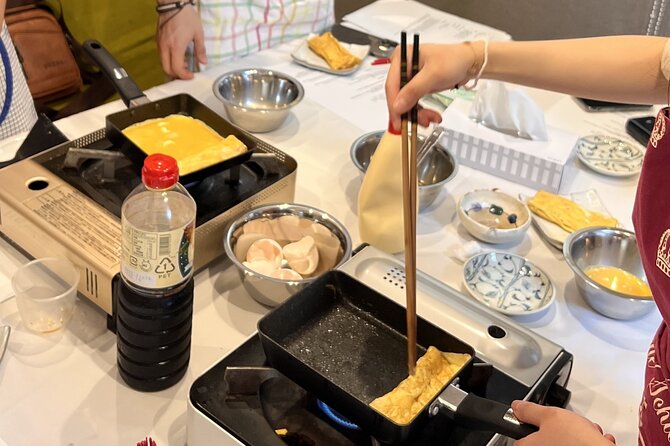
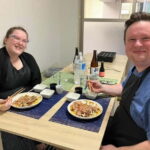
This class includes lunch. You’ll cook in the kitchen and then move into the dining room to eat. Water and Japanese tea are part of the meal, so you can slow down and enjoy what you made instead of rushing to the next activity.
This matters because home-cooked meals are not just about taste. They’re about balance and rhythm: cooking, serving, and eating in a way that feels ordinary and comfortable. When you eat right after you make the food, you also learn timing and doneness in a way that sticks.
The cultural extras you might get
Some participants mention a tea ceremony as part of the experience, and others mention kimono dressing for kids. Those details aren’t listed as guaranteed components, but they match the overall focus: food plus culture, not food in isolation.
If you’re traveling with family, it’s worth noting that multiple past sessions sounded family-friendly, including kids getting involved in traditional elements.
Home cooking vs restaurant food: what you’ll actually understand
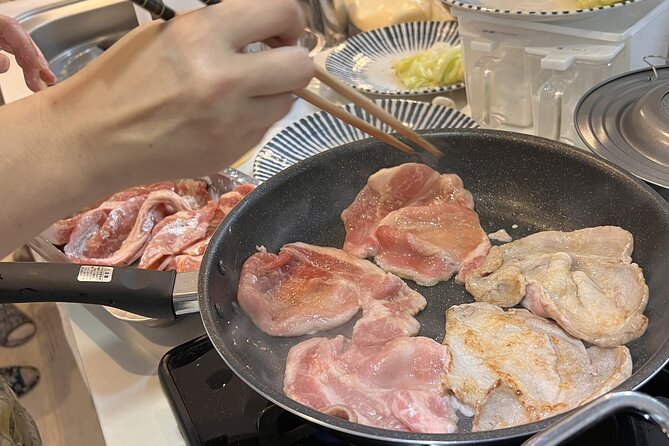
A key promise of this class is learning the difference between Japanese home cooking and Japanese food you get at restaurants. That’s a useful idea, because a lot of restaurant dishes are optimized for consistency, speed, and presentation—not necessarily for the ingredients and techniques you’d use at home.
In practice, what you’re likely learning is this:
- how seasoning works when you’re cooking from scratch
- how certain steps reduce effort later (like prep choices)
- what “home” means in texture and flavor balance
- why some restaurant versions taste different even when the dish name is the same
And since the recipes are designed to be easier to recreate, you’re not just collecting a souvenir meal. You’re building a method. That makes the class feel more like a skill transfer than a one-off show.
Price and logistics: is $59.12 a fair deal?
At $59.12 per person for about 2 hours, you’re paying for a private, hands-on experience in a real home, plus lunch and Japanese tea.
Here’s how that stacks up in real value terms:
- You get instruction plus food. Many activities charge for the lesson but don’t feed you well. Here, lunch is included.
- It’s private, so your group isn’t waiting for a mass class rhythm.
- The recipes are printed, which extends the value beyond the day.
- You learn a shopping approach, which can save time and frustration later when you cook at home.
The only real trade-off is logistics: private transportation isn’t included, and you’ll need to reach the meeting point using public transit. If you can manage that, the price feels easier to justify because the experience is both personal and practical.
If you’re comparing alternatives, I’d weigh this more like a guided meal + cooking workshop rather than a culinary museum tour. If you like cooking (or want to start), the cost makes sense.
Who should book this Osaka home cooking class (and who might skip it)
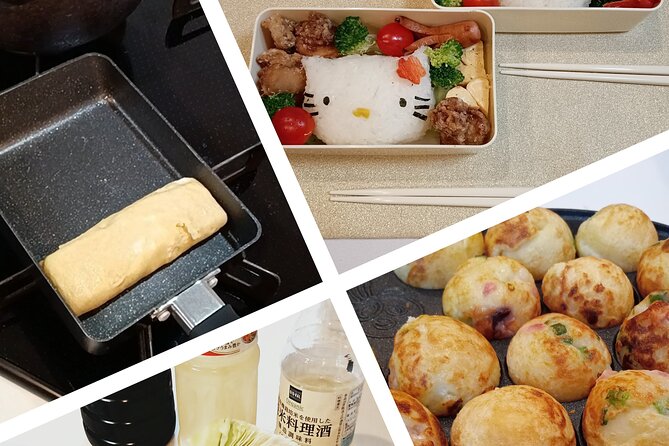
This is a great fit if you want:
- hands-on cooking, not just watching
- a private class where you can ask questions and move at your pace
- practical take-home value: the printed recipe and the supermarket guidance
- a deeper feel for Japanese everyday culture through a real home setting
It might be less ideal if you:
- only want food tasting and don’t care about cooking
- dislike being in a kitchen environment
- want a longer experience with lots of extra stops (this one is focused and ends back at the meeting point)
Should you book this Osaka home cooking class?
If your goal is to learn real Japanese home cooking in a way that transfers to your own kitchen, I’d book it. The combination of a real-home setting, private coaching from Hisako and Naoko, and printed recipes is exactly what turns a cooking class into something useful later.
One final tip: come with a dish you genuinely want to eat. When you care about the outcome, you pay closer attention to seasoning and technique. That’s when you leave with both confidence and a plan for cooking at home.
FAQ
Where is the class in Osaka?
It starts at 1-chōme-4-1 Tamagawa, Fukushima Ward, Osaka, 553-0004, Japan. The activity ends back at the meeting point.
What time does the cooking class start?
The start time is 10:00 am.
How long is the class?
The experience lasts about 2 hours.
Is lunch included?
Yes. Lunch is included, and you’ll also sip water and Japanese tea with the meal.
Is this class private?
Yes. It is private, so only your group participates.
What dishes can I choose from?
You choose from a menu of local specialties. The options highlighted include bento and takoyaki, and past sessions have included dishes such as udon, onigiri, tempura, and beef stew depending on what’s available.
Do I get recipes to take home?
The class provides printed recipes and instructions you can take home.
Is private transportation included?
No. Private transportation is not included.
Is there free cancellation?
Yes. You can cancel for a full refund up to 24 hours in advance of the experience’s start time.