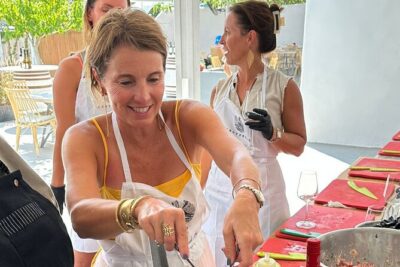
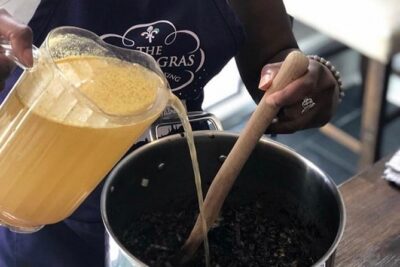
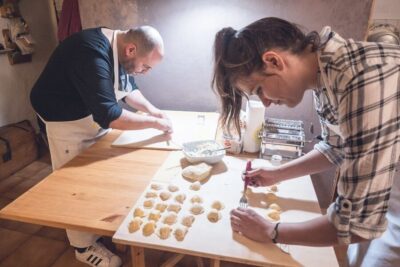
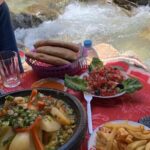
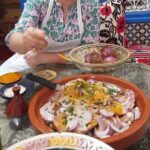
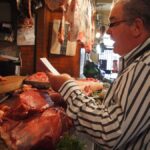
A Moroccan cooking class in Marrakech feels like a shortcut to real life. You start in the Old town area, shop for ingredients with a chef, then cook as a team in a neighborhood home. I especially love how much time goes into the process—how ingredients are chosen and how tagines are managed—so you’re not just copying one recipe.
Two things I really liked: the market start near the Old Souk market gives you an immediate sense of local flavors, and the small group size (max 7) keeps things hands-on. There’s also a friendly, homey vibe reported by past guests, with the chef and assistant described as warm and attentive in a beautiful house setting.
One drawback to consider: it’s a cooking lesson, so you should expect active involvement and kitchen time rather than a passive food show. If you want a strict sit-down tasting with zero mess and no chopping at all, you might find this style a bit more hands-on than you’d like.
In This Review
- Key highlights at a glance
- Why this Marrakech cooking class feels authentic (and not touristy)
- The Old Souk market start: shopping like you mean it
- Mint tea in a Marrakech home: the calm before the cooking
- Tagine cooking with a team: how timing really works
- What you take home: recipes you can actually use
- Price and logistics: does $34.90 make sense?
- Who should book this (and who might not love it)
- The vibe: small group, warm hosts, lots of conversation
- Should you book this Marrakech cooking class?
- FAQ
- How long is the cooking class in Marrakech?
- Is pickup included?
- Do we shop for ingredients before cooking?
- What will we cook?
- Will we learn mint tea?
- Are kids allowed?
- Can I cancel for free?
Key highlights at a glance
- Old Souk market atmosphere: learn what to buy and why before you cook
- Fresh mint tea first: you’ll make it early and share it together
- Team cooking for multiple dishes: you work together, not just one plate
- Tagines are the core: veggies, chicken, beef, or meatballs depending on the session
- Recipes to take home: you get a document with what you made and more
Why this Marrakech cooking class feels authentic (and not touristy)
Marrakech cooking classes can fall into two camps: staged performances, or hands-on teaching. This one leans hard toward the teacher side. You’ll meet at a point in Marrakech, then head out to pick up vegetables and other ingredients needed for the meal.
What makes it genuinely appealing is the link between daily life and the food itself. You’re not only learning flavors. You’re learning the rhythm of shopping, preparing, and timing dishes the way locals do in a real home.
Price is also part of the story. At $34.90 per person for a roughly 4-hour experience with pickup offered (plus market time and a take-home recipe document), you’re paying for guidance and structure—not just ingredients. For many visitors, that’s where the value shows up fast.
The small group matters too. With a maximum of 7 travelers, you’re far more likely to get questions answered, and you won’t disappear behind the crowd.
You can also read our reviews of more tours and experiences in Marrakesh.


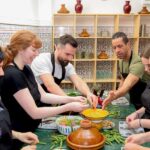
The Old Souk market start: shopping like you mean it
The tour begins with a short market walk near the house, where you buy vegetables and ingredients for the dishes you’ll cook. If you choose the 10:30 am option, you’ll also get an Old Souk market atmosphere component focused on how to purchase Moroccan vegetables and cooking ingredients.
This part is more than a photo stop. A market lesson can help you understand what a Moroccan cook thinks about day-to-day: freshness, variety, and how ingredients behave once cooked. You’ll also see that Moroccan cooking isn’t only about spices. It’s about the base—vegetables, proteins, and the building blocks that hold everything together.
Practical tip: wear comfortable shoes. Markets often involve uneven ground and a bit of walking. If you’re the type who likes to ask questions, this is the best time to do it because your chef can connect ingredient choices to the recipes you’re about to make.
And if you’re nervous about your cooking skills, this first step can calm you down. Shopping gives you context. Once you understand what you bought and why, cooking feels less like a mystery.
Mint tea in a Marrakech home: the calm before the cooking
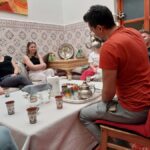
Before the stoves and tagines, there’s the ritual everyone can enjoy: mint tea. You’ll learn how to make fresh mint tea and then share it together. It’s a simple moment that sets a tone—less pressure, more conversation.
You also get a real sense of the neighborhood home environment right away. Guests have specifically praised the house setting as beautiful and welcoming, and that matches what you’d hope for in a cooking class that wants you to feel like you’re joining a normal day, not standing in a showroom.
This tea step also has a functional side. It gives you a breather before cooking starts, and it helps you settle into the kitchen routine. Moroccan tea is not just a drink; it’s part of hospitality, and that matters when you’re about to cook with others.
If you’re traveling with kids, this is a good early anchor point. Kids are allowed in the class, and mint tea is a friendly way to keep everyone included before the cooking gets more hands-on.
Tagine cooking with a team: how timing really works
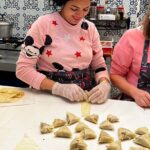
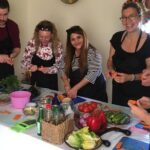
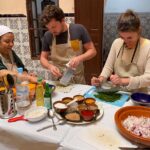
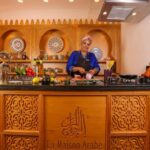
After tea, the class moves into the cooking phase. The dish that takes the most time to cook goes on the fire first, then the group works on other dishes while that main pot keeps going. This is one of those teaching techniques that makes the lesson easier to follow. You’re learning timing, not just ingredients.
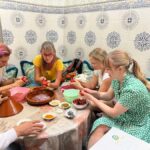
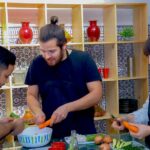
The format is teamwork. You cook together as one group rather than being locked into a single station for one dish only. That matters because Moroccan meals are built as a set. Even when you make multiple tagines, they don’t taste like separate projects. They fit together as a full table.
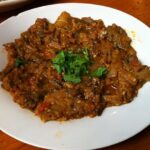
What you cook often centers on tagines, and the exact options can vary. Expect possibilities like:
- tagines with vegetables
- chicken tagines
- beef tagines
- tagines that may include meatballs
You’ll also have a tea break in between cooking. That’s a practical detail more than a comfort detail. In a kitchen class, breaks help you reset before the next step, especially when heat and timing are involved.
How to get the most out of this part:
- Ask why the chef does things a certain way, not only what they do
- Watch how they manage time while other tasks are happening
- Don’t rush chopping or prep; speed isn’t the goal, accuracy is
Also, if you love learning technique, this is the moment. Moroccan cooking often depends on gentle cooking, layering flavors, and patience. The structure of this class helps you see how those ideas play out in real kitchen work.
What you take home: recipes you can actually use
One of the smartest parts of this experience is what comes after the class. You receive recipes as a document for the dishes you cooked, plus many other dishes. That’s a big deal if you want the class to change your cooking at home instead of becoming a one-time memory.
When you get recipes in a usable format, it turns the experience into a reference tool. You can recreate the flavors later and remember what the chef was guiding you toward.
If you’re shopping for spices or planning your next Moroccan dinner, this is the material that keeps momentum going. Even if you don’t recreate everything right away, having the roadmap helps you cook with confidence.
If you’re the type who likes to cook but hates guessing, take that document seriously. Use it when you shop, then follow it as you cook. That’s the fastest way to turn learning into results.
Price and logistics: does $34.90 make sense?
At $34.90 per person, the best way to judge value is by what you’re getting: market shopping, cooking instruction, mint tea, team cooking, a tea break, and take-home recipes. Add pickup offered and you’re not just paying for food. You’re paying for time, teaching, and coordination.
Duration is listed at about 4 hours, with the cooking portion described as around 3 hours. That seems reasonable because the class includes both a market start and kitchen time, plus tea and a break.
Group size is small, capped at 7 travelers. For classes at this price, that’s where value often hides. You’ll likely feel less like a spectator and more like a participant.
Also, the meeting point is near public transportation and you’ll have a mobile ticket. That makes it easier to integrate into your day if you’re bouncing between sights in the Old town area.
Bottom line: for a hands-on Morocco cooking experience in Marrakech that includes a guided ingredient shopping moment and take-home recipes, the cost-to-experience ratio looks strong.
Who should book this (and who might not love it)
This Marrakech cooking class suits people who want to learn how Moroccan cooking works in a real home setting. I think it’s especially good for:
- food lovers who enjoy learning technique, not just tasting
- couples and small groups who like a more personal class
- anyone curious about buying vegetables and ingredients in the Old town market atmosphere
- families, since kids are allowed
It’s also a great match if you’re staying in the Old town area and want something that feels connected to daily life. The class is designed to show your chef’s neighborhood routine at the Old town of Marrakech, which is exactly the kind of context that makes food feel more meaningful.
Who might want to skip it? If you’re looking for a fully hands-off experience, or you hate kitchens, you might not enjoy the active participation component. Also, because tagine cooking can involve time-sensitive steps on the fire, it’s not ideal if you want to constantly wander around taking your own pace.
The vibe: small group, warm hosts, lots of conversation
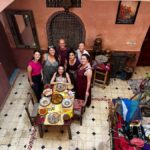
The strongest praise from past guests centers on the human side: the chef and assistant are described as friendly, attentive, and joyful. People also mention the convivial atmosphere, which makes sense given how the class starts with mint tea and includes a tea break mid-cooking.
That social tone matters. When you’re cooking with others—especially in a new environment—you need the room to feel safe and welcoming. In this class style, the teaching is paired with hospitality, so it’s easier to ask questions and learn without stress.
If you like meeting locals through real skills, this is the way to do it. You’re not only tasting Moroccan flavors. You’re learning the workflow behind them.
Should you book this Marrakech cooking class?
If you want a Marrakech food experience that teaches you how Moroccan cooks think, I’d book it. The market ingredient start, the mint tea welcome, the team-based tagine cooking, and the take-home recipe document are a strong package for the money.
Make the choice especially if you like small groups and you want more than one recipe in your head by the end of the day. This is set up for learning that sticks.
The only real hesitation is the hands-on reality. If you truly want to watch and sample only, you might find it too active. But if you’re willing to roll up your sleeves, you’ll leave with skills you can use and flavors you can recreate.
FAQ
How long is the cooking class in Marrakech?
It runs for about 4 hours in total (approx.). The cooking class portion is described as around 3 hours.
Is pickup included?
Pickup is offered.
Do we shop for ingredients before cooking?
Yes. After meeting at the meeting point, there’s a short tour of a local market near the house to buy vegetables and other ingredients.
What will we cook?
The class usually includes tagines, which could be made with vegetables, chicken, beef, or meatballs.
Will we learn mint tea?
Yes. You’ll be taught how to make fresh mint tea, and you’ll share it together.
Are kids allowed?
Yes, kids are allowed in the cooking class.
Can I cancel for free?
Yes, free cancellation is available. You can cancel up to 24 hours in advance for a full refund.
If you want, tell me your travel dates and whether you prefer the 10:30 am option. I can help you decide if this fits your Marrakech schedule.