REVIEW · HANOI
Private cooking class and rural market visit with chef
Book on Viator →Operated by Roll with locals · Bookable on Viator
A morning market, then dinner you cooked. This private Hanoi experience pairs a chef-led trip to a non tourist market with a hands-on kitchen session that ends with a full four-course Vietnamese meal. It’s a great way to see where ingredients come from before you touch a knife, mix sauce, and plate your own food. One drawback: it starts early (around 7:30am) and you may be walking in real neighborhood weather, so plan for rain or sun.
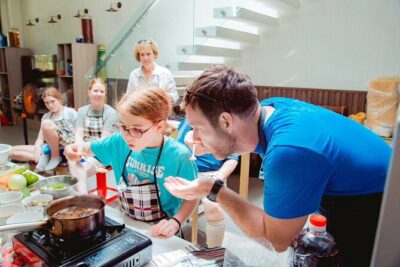
You get to pick either a lunch or dinner class, and you’re not stuck with a rigid menu. The chef and local host guide you through a market ingredient hunt, including a stop near a local temple, then you’re welcomed with homemade tea before cooking begins. If you’re working around food allergies or preferences, the setup is built for flexibility.
Logistics are simple but not hands-off. You meet at Phú Đô Village Hall (near Phú Đô street in Nam Từ Liêm) and the class lasts about 4 hours. Lunch/dinner and soft drinks are included, but an air-conditioned vehicle and hotel drop-off aren’t listed as included, so you’ll want to confirm what’s arranged for your group.
In This Review
- Key things you’ll love in this Hanoi cooking class
- A local market first: why the ingredient hunt matters
- Choose lunch or dinner, then cook a real four-course Vietnamese meal
- Morning logistics in Nam Từ Liêm: what to expect before you cook
- What happens when you reach the market: temple stop, vendors, and fresh picks
- Banana blossom salad and chicken: learning texture and balance
- Spring rolls with mushrooms, carrot, herbs, and noodles: the dipping sauce is the lesson
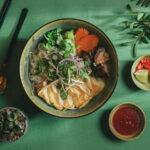
- BBQ pork with noodles and dipping sauce: the comfort-course payoff
- Egg coffee: a Hanoi finish you make yourself
- Private hosting: what “chef and assistant” actually gives you
- Price and value: is $110 per person worth it?
- Who this Hanoi cooking class suits best (and who might skip)
- Should you book this Hanoi market-and-cook class?
- FAQ
- How long is the private cooking class and market visit?
- Does the class include lunch or dinner?
- What do I cook during the four-course meal?
- Is this experience private or shared with other people?
- Where is the meeting point?
- Is hotel pickup included?
- What if I have food allergies or requests?
Key things you’ll love in this Hanoi cooking class
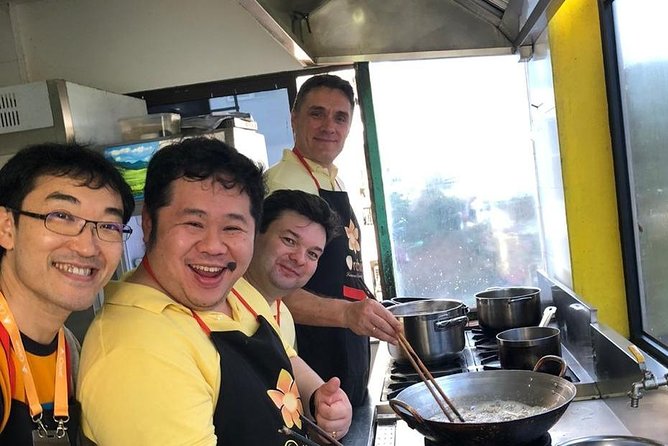
- Non tourist rural market visit: See ingredients sourced from local vendors, not just tourist counters.
- Hands-on private cooking: You cook the full meal with a chef and assistant guiding you.
- Choose lunch or dinner: Pick the timing that fits your day in Hanoi.
- Four-course family-style spread: Build your meal from salad to noodles to egg coffee.
- Allergies and requests respected: The menu can flex to your needs.
- Homemade tea welcome: A calm local touch before you start cooking.
A local market first: why the ingredient hunt matters
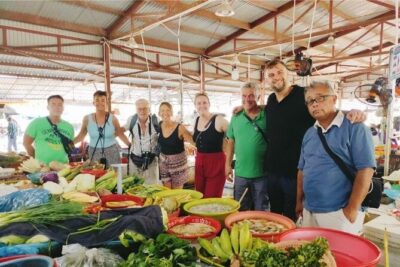
This is not a cooking class that starts with a blank prep table. It starts with the ingredients, and that changes everything. You’ll walk through a neighborhood market area and pick up what you’re actually going to cook, with a chef steering the choices and explaining what to look for. That’s the difference between eating Vietnamese food and understanding Vietnamese flavors.
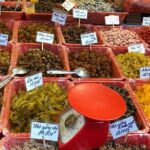
You’ll also visit a local temple and market area to gather fresh supplies. That setting matters because it keeps you in day-to-day Hanoi, not a staged food street. You get to see what people buy for normal meals—vegetables, herbs, noodles, meats, and the kind of produce that shows up in Vietnamese kitchens again and again.
I like that the pace feels relaxed. You’re not rushing through ten stalls just to say you did a market. Instead, the chef’s presence turns the walk into a practical lesson: what’s seasonal, what’s best for certain dishes, and how ingredients connect to sauces and textures.
One more smart touch: the tour begins with a welcome of homemade tea. It sounds small, but it helps you slow down and settle in before you start cooking. It also sets the tone for a class that feels personal and local.
You can also read our reviews of more tours and experiences in Hanoi.
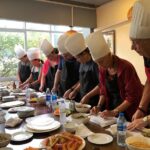
Choose lunch or dinner, then cook a real four-course Vietnamese meal
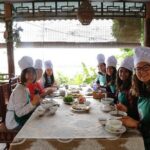
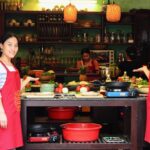
The class is private, so it’s designed for your group alone. That means you can ask questions without shouting over strangers, and the chef can adjust step-by-step teaching to your comfort level. If you’ve cooked before, you can move faster. If you’re new to Vietnamese flavors, you’ll still have enough guidance.
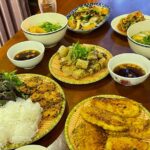
Your meal is a four-course, family-style lunch or dinner with a menu that (as listed) includes:
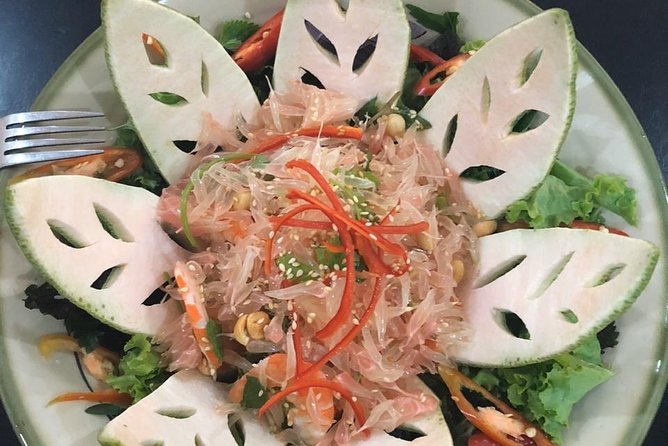
- Banana blossom salads with chicken
- Fresh spring rolls with mushrooms, carrot, herbs, and noodles, plus dipping sauce
- BBQ pork with noodles and dipping sauce
- Egg coffee
You also have flexibility. The class is described as professional set up with flexible menu choices, and it specifically notes that food allergies or requests are respected. So if you don’t eat pork, for example, you should be able to discuss options ahead of time.
This is a big part of the value. Many cooking experiences hand you a fixed menu and call it personalized. Here, the chef frames the class around what you choose, then teaches you how to build the flavors behind the dish, not just follow steps.
Morning logistics in Nam Từ Liêm: what to expect before you cook
You meet at a specific local spot near Phú Đô Village Hall in Nam Từ Liêm. One detail you’ll want to watch: the description also references meeting near number 110 Phu Đô street in the same district. So when you book, make sure your confirmation clearly states the exact pin or entrance—this is especially important if you’re arriving by taxi.
The start time listed is 7:30am, and the overall experience runs about 4 hours. That timing explains why this works well as a standalone food day: you’re fueled early, you cook while the ingredients are fresh, and you eat what you made without dragging the day out.
Included in the experience:
- Chef and assistant
- Local market visit
- Lunch (or dinner) and soft drinks
Not included (as listed):
- Air-conditioned vehicle
- Pick up and drop off at your hotel
At the same time, the description says pickup is offered for ease. Since those details can sometimes vary by booking type, I’d treat pickup as “ask and confirm” rather than assume it’s always included. If you hate juggling taxis before class, send a message in advance.
What happens when you reach the market: temple stop, vendors, and fresh picks
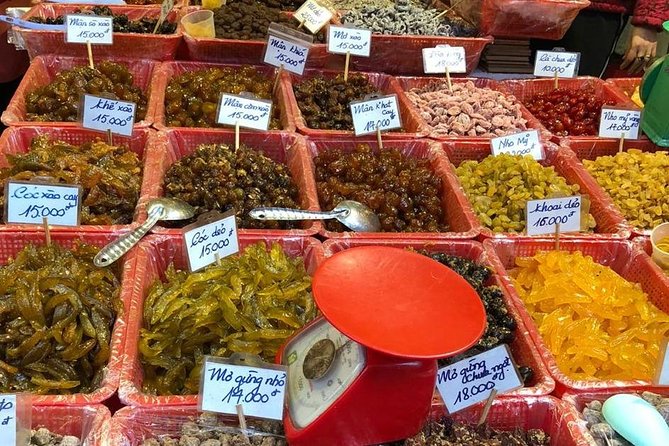
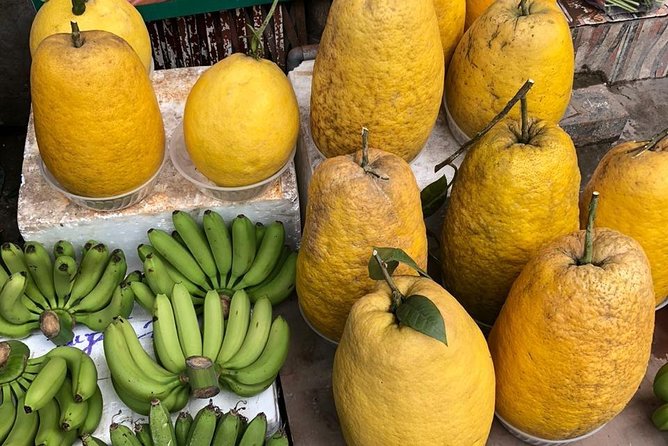
After meeting, you head out with your host and chef. You’ll tour a temple and market area to pick up fresh ingredients, and you’ll also see the kind of produce and protein that Vietnamese home cooks rely on.
From the way people describe these sessions, the chef doesn’t just point and purchase. You tend to get context: herbs and condiments, how certain ingredients change the final flavor, and what you should look for so your dish tastes right, not just homemade.
If you’re the type who loves food photography, this part gives you plenty of material. You’ll see fruits, herbs, and ingredients up close, not behind a glass case. And because the vendors are part of a local routine, the whole walk feels more like you’re visiting a real neighborhood than walking through a theme park.
Weather can be a factor. One class is described as happening on a rainy day, and the market visit still works. So bring a small umbrella, wear shoes that handle wet pavement, and don’t plan on wearing anything too delicate. You’ll be moving.
Banana blossom salad and chicken: learning texture and balance
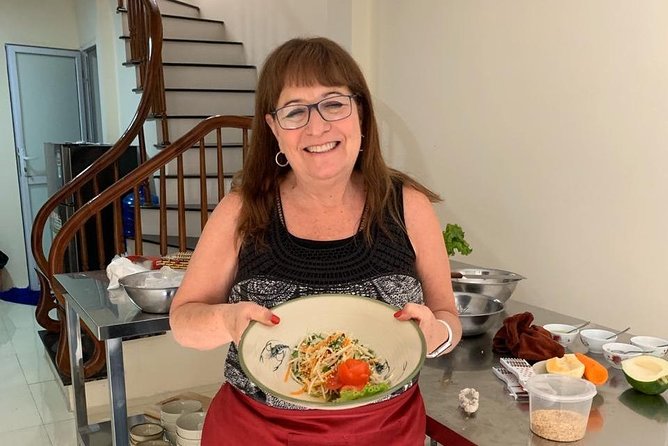
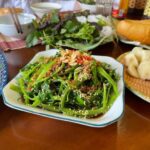
Your first cooking course is banana blossom salad with chicken. Even if you’ve never cooked with banana blossom before, this is a smart dish to start with because it teaches you the Vietnamese idea of balance: fresh crunch, savory depth, and a sauce style that ties everything together.
The chef’s job here is to translate ingredients you saw at the market into a finished salad. You’ll learn how to handle textures—banana blossom can be tricky if you don’t prep it correctly—and how chicken fits into a dish that otherwise feels “light.”
Practical tip for when you cook: taste as you go. Vietnamese sauces often rely on a sharp-salty-sour balance, and the chef will likely guide you toward the right point. If you’re adjusting for taste, do it early, not after everything is mixed.
This course also tends to reset your palate for the rest of the meal. After you eat your own salad, spring rolls stop being just finger food and start feeling like another piece of a connected flavor plan.
Spring rolls with mushrooms, carrot, herbs, and noodles: the dipping sauce is the lesson
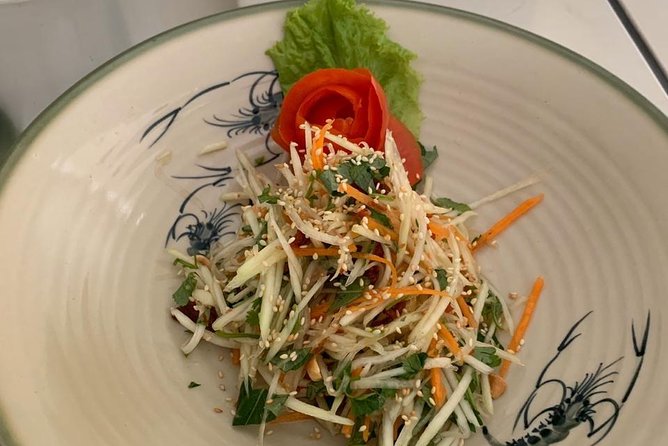
Next up: fresh spring rolls, built with mushrooms, carrot, herbs, and noodles, plus a dipping sauce. This is the course where you really see why the market walk mattered.
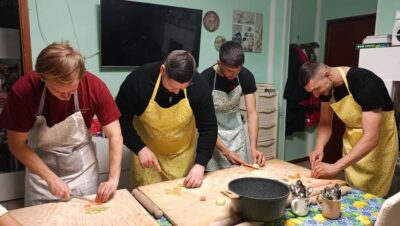
In Vietnamese cooking, herbs aren’t decoration. They’re flavor. The chef helps you choose and prep the right amount, then shows you how to roll for the right feel. If you get the rolling wrong, spring rolls still taste good, but they can get messy. The private format helps because you’re not competing for attention.
The dipping sauce is a key learning moment. It pulls together the roll’s flavors—earthy mushrooms, sweet carrot, fresh herbs, and that softer noodle component—so every bite lands as a complete mouthful, not separate flavors that don’t connect.
You’ll likely also get pointers on how to serve them family-style at the end. Vietnamese meals often feel social and shared, and this structure keeps it that way instead of turning it into a plated lecture.
BBQ pork with noodles and dipping sauce: the comfort-course payoff
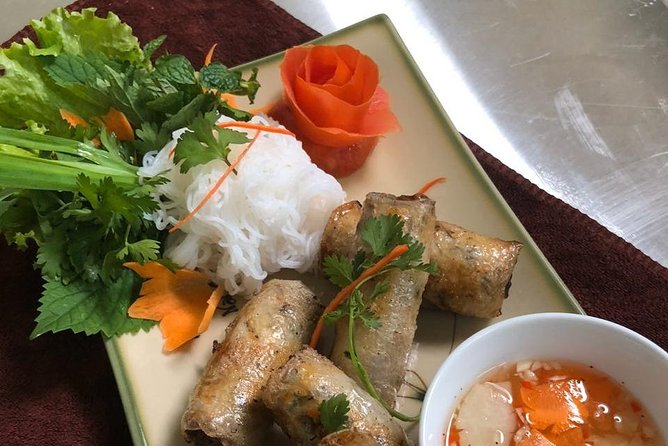
Then comes the more comfort-forward dish: BBQ pork with noodles and dipping sauce. This course gives you the savory payoff after the fresh, herb-forward starters.
You’ll cook components that rely on sauce work and timing. Even without extra details, the pattern is clear: you’re assembling noodles, pairing them with pork, and finishing with a dipping sauce that pulls the whole bowl together.
This is also a great moment for questions. If you’ve got dietary limits, want less sauce, or prefer your noodles cooked a certain way, asking during this part is usually easier than trying to fix it after it’s already served.
And because it’s a four-course meal, you don’t get stuck with only one type of cooking. You switch from fresh prep to cooked flavor, from slicing and rolling to heating, sauce, and finishing.
Egg coffee: a Hanoi finish you make yourself
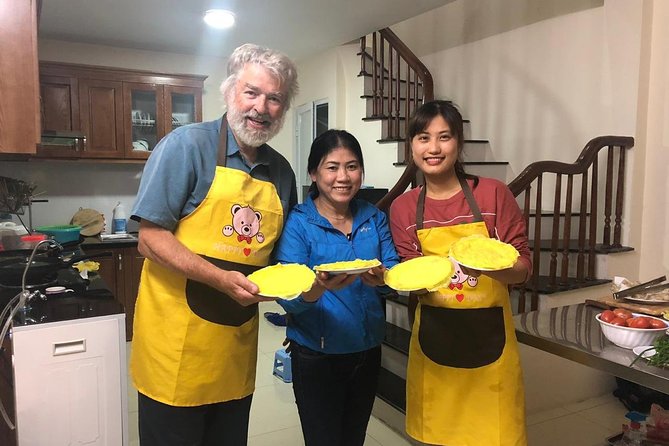
The last course is egg coffee, described as unique. The big advantage here is that you’re not just tasting a dessert drink—you’re actively learning how it’s put together.
Egg coffee is one of those Hanoi experiences people talk about, but the value in this class is that it becomes part of your meal rather than a separate “touristy stop.” You finish your cooking loop with the drink you made, and it ties the whole session together: market to kitchen to cup.
If you’re not a coffee person, it might still be worth trying a sip, since you can adjust how strong it tastes if your host supports it. But if you don’t want coffee at all, plan to discuss that request ahead of time because the menu as listed does include egg coffee.
Private hosting: what “chef and assistant” actually gives you
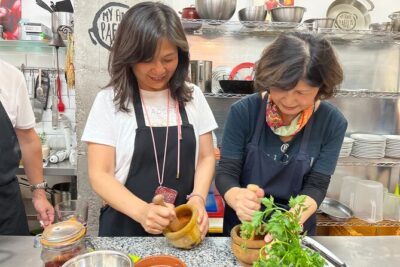
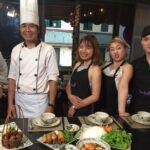
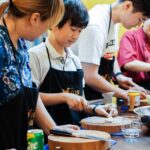
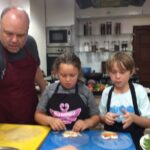
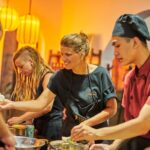
This experience is private and fully hands-on. That matters more than the marketing line. When there’s a chef plus an assistant, you’re not waiting in line for help. You get quicker feedback on technique, and the assistant can help manage ingredients and prep so the chef can focus on instruction.
The class also respects food allergies and requests. That’s a big deal in Vietnam where ingredient combinations can be complex. The menu is presented as flexible, which usually means the chef will work with you ahead of time and adjust what goes in your courses.
In the descriptions from people who’ve done similar sessions with hosts like Rose and Sammy, the standout theme is communication and friendliness. Names like Rose (@rosehanoitourguide in one description) and Sammy show up with praise for English and organization. That gives you confidence that you’re not walking into a chaos kitchen.
Price and value: is $110 per person worth it?
At $110 per person for a private class, this is not a “cheap snack workshop.” But you do get a lot packed into a short 4-hour window: a market visit, chef and assistant time, soft drinks, and a full four-course meal you cook and eat.
Here’s how I’d judge the value for you:
- If you’d otherwise pay separately for a food tour plus a cooking class, this bundling usually makes financial sense.
- If you want a deeper Vietnamese food lesson (market ingredients, sauce logic, real cooking steps), the chef-led format is where you’re paying.
- If you’re on a tight budget or you only want a quick hands-on bite, it might feel pricey compared to casual street-food alternatives.
Private format also means you’re paying for attention. That’s the difference between “watching someone cook” and actually making the dish with guidance.
Who this Hanoi cooking class suits best (and who might skip)
This is ideal if you:
- Want a market-to-table experience without aiming for tourist food stalls
- Enjoy hands-on cooking and want the chef’s teaching, not just a show
- Travel as a couple or small group and want a private setting
- Need an allergy-friendly approach
- Like Hanoi flavors beyond pho—salads, spring rolls, BBQ pork noodles, and egg coffee
You might skip or consider a different option if:
- You dislike early mornings (meeting is around 7:30am)
- You expect hotel pickup and drop-off to be fully included without confirming
- You’re very sensitive to weather, since the market portion happens outside in real conditions
Should you book this Hanoi market-and-cook class?
If your goal is to eat Vietnamese food with context, and you like the idea of seeing ingredients first, this is an easy yes. The combination of non tourist market visiting, a private chef-led setup, and a full four-course meal you cook yourself makes the experience feel complete, not partial.
Book it if you’re excited by salads, spring rolls, pork-and-noodles comfort food, and finishing with egg coffee. And send your dietary needs before you go, because the class is designed to respect allergies and preferences.
If you’re unsure, choose the lunch or dinner timing that fits your energy level best. Then show up with comfortable shoes and a flexible mindset. This is the kind of food day where you leave with tastes in your head and skills you can use at home.
FAQ
How long is the private cooking class and market visit?
It’s listed at about 4 hours.
Does the class include lunch or dinner?
Yes. You can choose either a lunch or dinner class.
What do I cook during the four-course meal?
The menu listed is banana blossom salad with chicken, fresh spring rolls with mushrooms/carrot/herbs/noodles and dipping sauce, BBQ pork with noodles and dipping sauce, and egg coffee.
Is this experience private or shared with other people?
It’s private. Only your group participates.
Where is the meeting point?
The start point is Phú Đô Village Hall (in Nam Từ Liêm, Hanoi). The description also mentions no. 110 Phu Do street in the same district.
Is hotel pickup included?
Pickup is mentioned as offered, but pick up and drop off at your hotel is listed as not included. It’s best to confirm what your booking includes.
What if I have food allergies or requests?
The class states that food allergies or food requests are respected.