REVIEW · MARRAKESH
Marrakech: Cooking Class and Market Visit
Book on GetYourGuide →Operated by Terra Nomadic Travels · Bookable on GetYourGuide
Cooking tajine in a real home changes things fast. You start with Moroccan souk shopping, then move to a typical house kitchen where an expert teaches you how to make a tajine step-by-step, plus a tea moment that feels truly Moroccan.
Two things I like a lot: you learn the method behind a tasty dish (not just a vague how-to), and you eat lunch that comes from your own work in that home setting. The one consideration: there’s no hotel pickup included, so you’ll want to plan how you’ll reach the meeting point.
In This Review
- Key highlights to look forward to
- Entering The Marrakech Home Where the Tajine Starts
- From Local Souk to Shopping Bag: Making the Ingredients Make Sense
- Moroccan Tea First: Why the Start Feels So Important
- The Typical Moroccan House Kitchen: Cooking With Amina, Hadija, and More
- Making Tajine From Scratch: The Techniques You Can Actually Repeat
- Lunch at the Table: Eating What You Cook
- The Small Extras That Make It Feel Like Real Marrakech
- Price and Logistics: Is $51 Good Value for 4 Hours?
- Who This Marrakech Tajine Class Fits Best
- Should You Book This Marrakech Cooking Class and Market Visit?
- FAQ
- How long is the Marrakech cooking class and market visit?
- What is included in the price?
- Do I visit a market or souk during the experience?
- What dish will I cook?
- Is tea included?
- What languages are offered by the instructor?
- Is the activity wheelchair accessible?
- Can I cancel if my plans change?
Key highlights to look forward to
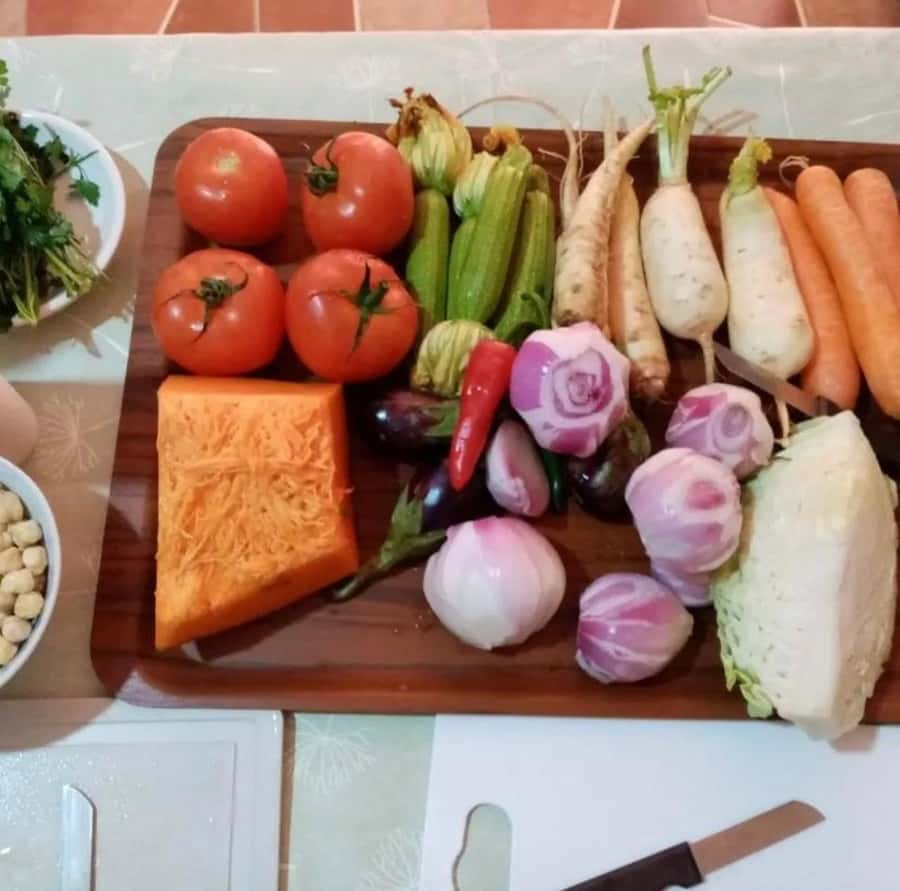
- Souk-to-stove flow: shop for ingredients before you cook, so the flavors make sense as you work.
- Tea before the cooking starts: you’ll enjoy Moroccan tea in a traditional atmosphere.
- Home-kitchen instruction: cooking happens with a local cook in a typical Moroccan house, not a warehouse classroom.
- Practical tajine technique: you learn the secret steps for getting the taste right, not just the recipe list.
- Food you help make (and eat): lunch is the tajine you cook, plus more Moroccan dishes depending on the class.
- Small cultural extras: a tea ceremony lesson and a few Arabic language touches may be included.
Entering The Marrakech Home Where the Tajine Starts
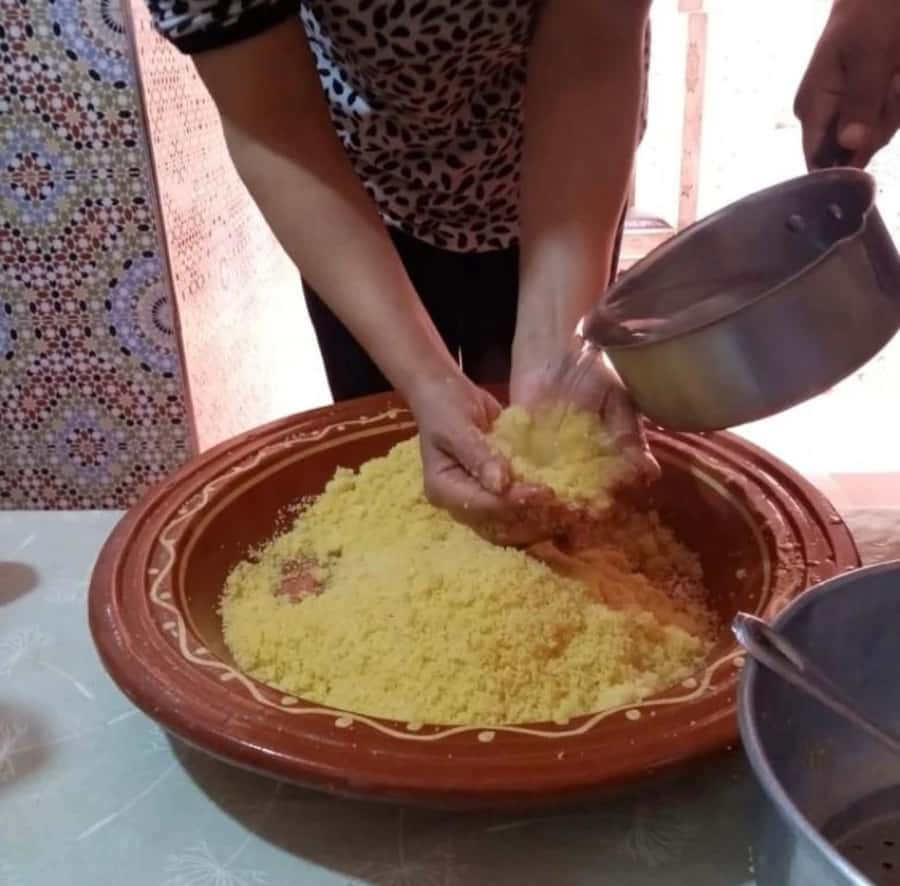
This is the kind of Marrakech experience that beats the usual checklist. You’re not only tasting food. You’re learning how it’s made, in the rhythms of a real home kitchen.
The whole setup matters. The activity moves through two worlds: the market, where ingredients and spices have personalities, and then the house, where everything comes together with local know-how. The hosts and instructors work in French, Arabic, and English, so you can follow along without feeling lost when the cooking gets hands-on.
Another detail I appreciate is how much of it centers on the house atmosphere. You get that calm, lived-in Moroccan feeling while you cook, eat, and sip tea. In one memorable session, the chef Laila and her daughter even helped with a birthday cake moment, including a candle. That’s the vibe: warm hospitality, and the sense you’re being welcomed—not processed.
One more thing to note: the activity runs about 4 hours. That’s enough time to shop, cook, eat, and still leave with a clear understanding of what you did and why it worked.
You can also read our reviews of more tours and experiences in Marrakesh.


From Local Souk to Shopping Bag: Making the Ingredients Make Sense
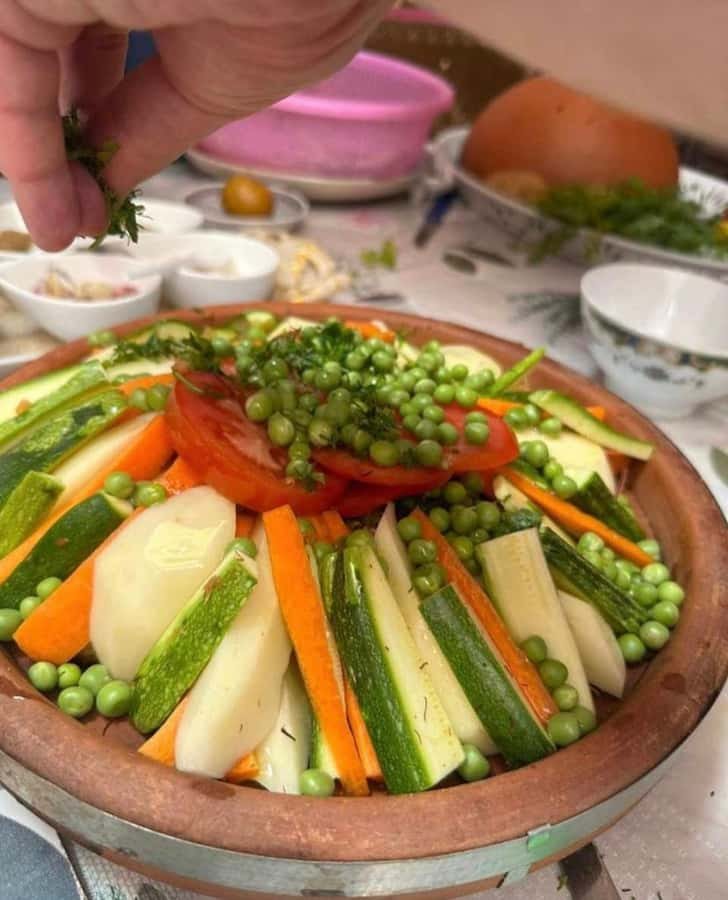
Before the cooking, you head out and shop like a local. This is where you start building flavor memory—because you’re choosing ingredients, not receiving them pre-portioned.
You’ll visit local market stalls where you can see spices, produce, and cooking essentials up close. In some sessions, the route can include a Jewish market area, which adds a different look and feel compared with the main souk lanes. Even if you’ve walked through Marrakech before, this kind of targeted shopping makes the experience feel purposeful.
What to watch for while you shop:
- Pay attention to spice smells. That’s where your tajine personality starts.
- Notice how ingredients look and feel; it helps when you later judge seasoning by sight and aroma.
- Ask questions while you’re there. If you’re unsure about a spice or ingredient, this is the best time to get clarity.
This is also where the experience can feel more personal. In one class, the participant was the only guest, which meant lots of time for questions and a slower, more detailed explanation of what goes into the dish. So if your schedule lines up for a smaller group, you’ll likely benefit.
And yes, the market part means you’ll be walking some. Comfortable shoes are a must, especially if you’re heading into tighter lanes and uneven ground.
Moroccan Tea First: Why the Start Feels So Important
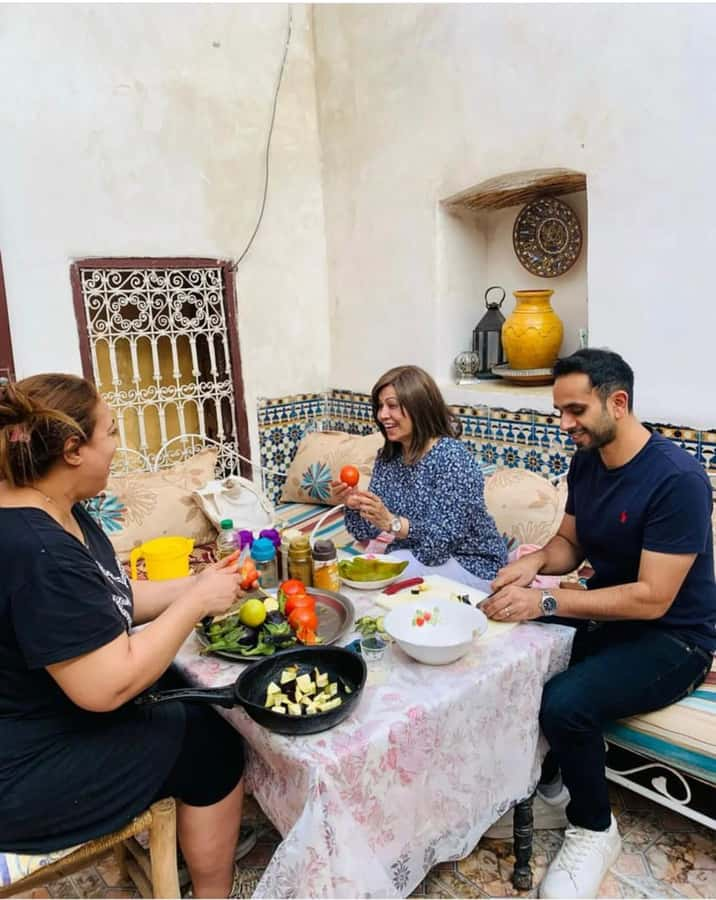
You don’t jump straight into cooking. You start with Moroccan tea, and it sets the tone for everything that comes next.
Tea here isn’t just a drink. It’s part of the ritual and the welcome. You’ll enjoy it in a Moroccan house setting, so the calm pace contrasts nicely with the market energy. This matters because it helps you shift from tourist mode into food-learning mode.
In some sessions, you’ll also learn how to do a tea ceremony and pick up a few Arabic phrases. It’s a small extra, but it’s the kind of detail that makes the class feel like a real cultural exchange rather than a cooking demonstration.
If you’re picky about timing, this part is actually useful. Having tea early gives you a break after the walk and helps you settle in before you start chopping, mixing, and getting hands-on.
The Typical Moroccan House Kitchen: Cooking With Amina, Hadija, and More
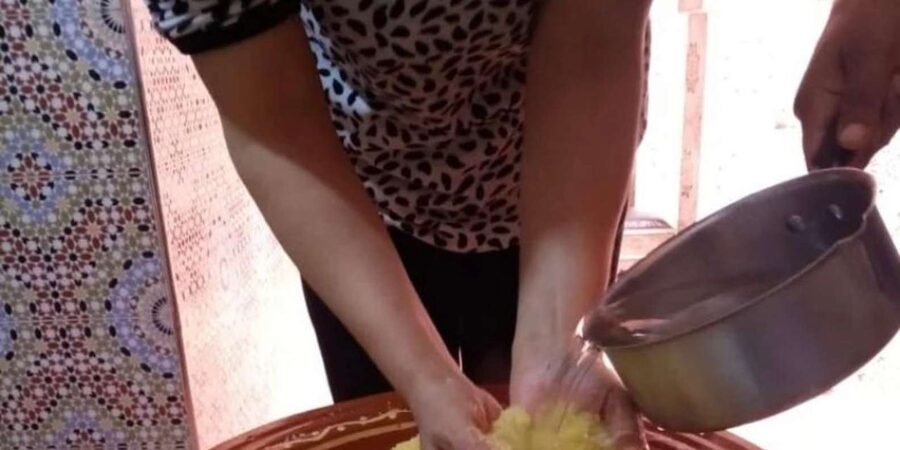
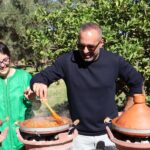
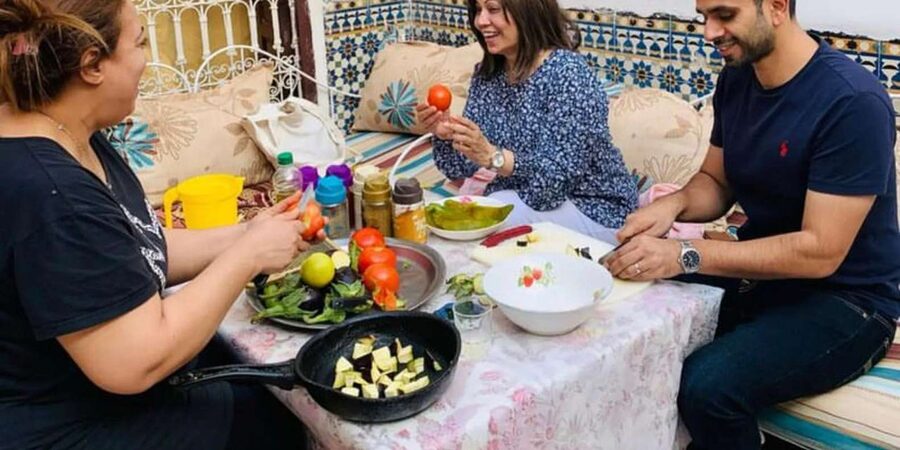
The cooking happens in a typical Moroccan house, led by local experts. The exact team can vary by day, but names you might hear include Amina and her sister Hadija. You may also meet the chef Laila in other sessions.
This home-kitchen setting changes how you learn. In a cooking class that’s purely technical, you focus on steps. Here, you also learn the logic of Moroccan home cooking—how people season, how they adjust, and when they slow down.
One reason this feels different is that the cooks explain the “why” behind the taste. The highlights promise secret tips for making a tasty Moroccan tajine, and that’s exactly the value: you’re not just copying a recipe, you’re learning the technique that makes it work.
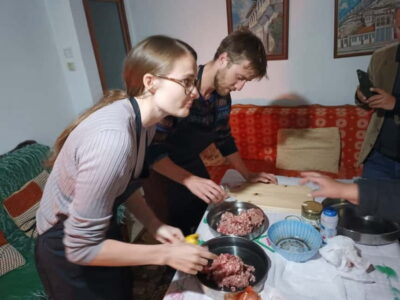
Expect a hands-on approach. You’ll start making your tajine with help from the expert cook, and you’ll work along the process rather than watching from a distance.
If you’re the type who wants to replicate the dish later, this is your payoff. You’ll see how they think about:
- balancing spices so they don’t taste flat
- timing so the dish doesn’t go bland or overcooked
- building flavor from scratch rather than relying on bottled shortcuts
Making Tajine From Scratch: The Techniques You Can Actually Repeat
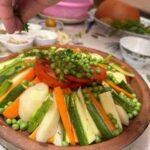
The centerpiece is your tajine. You’ll cook a Moroccan tajine from scratch in that home kitchen, then enjoy what you made together afterward.
Even though Moroccan tajines come in different styles, the teaching focus is consistent: you learn the steps that create the signature taste. That usually means you’ll cover the key moments where home cooks control flavor:
- how to prep aromatics and season early so the base tastes right
- how to layer ingredients for even cooking and good texture
- how to manage the cooking rhythm so the sauce and ingredients develop the right consistency
You may also end up cooking additional Moroccan items depending on the class flow. In one session, the group prepared chicken tajine plus Moroccan salad and zaalouk, and there was a short break for bread. That’s a bonus structure because it makes the meal feel complete, not just one dish.
What’s especially useful for you is learning how to judge the dish as it cooks. When a cook shows you what “right” looks and smells like, you can adjust at home instead of following a strict script.
If you’re worried about being “bad at cooking,” don’t. This style of class is built for beginners. The hosts help you along, and if you have questions, they’ll answer in the language they’re using for instruction that day.


Lunch at the Table: Eating What You Cook
After cooking, you eat in the Moroccan house. That part is simple, but it’s also the moment everything clicks.
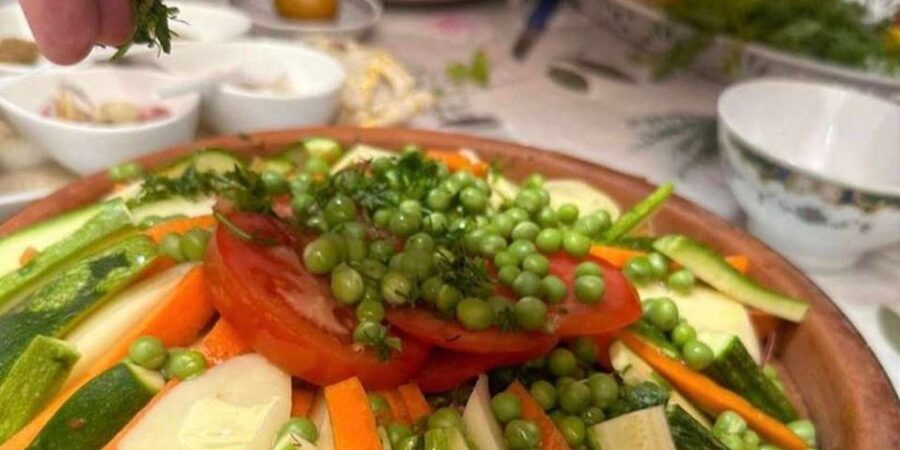
You’ll have lunch based on your tajine. The included lunch isn’t a generic buffet plate. It’s the dish you worked on, served in the same setting where you cooked it. That makes the meal more satisfying because you know exactly what you did at each stage.
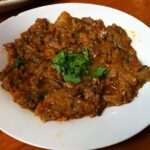
In some sessions, the table is more than just tajine. You may also enjoy Moroccan salad and zaalouk, and dessert may appear depending on timing and class flow. And of course there’s tea again, because Morocco doesn’t do tea only once.
One more practical point: because the activity is around 4 hours, the meal is timed to keep things moving. That’s good for your energy level. You’re not stuck in a long cooking marathon.
The Small Extras That Make It Feel Like Real Marrakech
A good class teaches you a dish. A great one gives you a few extra cultural anchors.
Here are the extras you might catch during your session:
- A tea ceremony lesson and a few Arabic words, so you can bring something home beyond food.
- A short bread-related stop to see typical Moroccan bread being baked in a large oven. One session included a quick trip for fresh bread, and another noted buying bread from a local bakery in an unmarked, dimly lit cellar. That kind of stop is the value of small, local-style routing.
- Warm personalization. In one birthday celebration, the hosts helped make a cake moment happen with a candle. That tells you the hosts pay attention to the occasion, not just the schedule.
Not every class will include every extra. But the fact that these touches can happen is a strong sign the hosts run the experience like they care.
Price and Logistics: Is $51 Good Value for 4 Hours?
Let’s talk value in a practical way.
At $51 per person for about 4 hours, you’re paying for:
- a guided cooking class
- lunch (Moroccan tajine)
- tea during the experience
- instruction by local cooks
- and you leave with the recipe knowledge (the class promises you take the secret recipes home)
Hotel pickup isn’t included, which is the one part you have to handle yourself. That’s not a dealbreaker, but it changes your planning. If you’re staying far from the meeting point, your “real cost” includes the effort of getting there.
So is it worth it? For me, it makes sense if you want more than a meal. You’re not just eating. You’re learning technique and building a repeatable skill. If your priority is maximum food quantity only, there may be cheaper ways to eat. If your priority is a hands-on Moroccan cooking memory you can replicate, this price is fair.
Also, the language support matters. Having instruction in French, Arabic, and English makes it easier to actually understand the steps, not just follow movements.
Finally, the activity is wheelchair accessible. That’s a meaningful detail for Marrakech, where some streets and buildings can be tough. Still, you’ll want to confirm how the route and house access work for your specific needs before you go.
Who This Marrakech Tajine Class Fits Best
This experience is a strong match if:
- you want a hands-on Marrakech cooking class, not just a tasting
- you like market time and want ingredients to feel connected to the final dish
- you want to eat a Moroccan meal in a real home setting
- you care about learning technique so you can cook again later
It may not be ideal if:
- you want zero walking or minimal movement around the market
- you don’t want to handle getting to the meeting point yourself
- you prefer large-group “show” formats with lots of passive watching
If you’re traveling solo, couples, or friends, it can work well. One of the best parts of this format is that smaller groups can mean more direct instruction and more time for questions.
Should You Book This Marrakech Cooking Class and Market Visit?
I’d book it if you want the “Marrakech food” experience in a way that teaches you something. The real payoff is the combination: market shopping that gives you flavor context, tea that sets the mood, and then practical tajine cooking you can repeat.
Book it especially if you’re aiming for an authentic-feeling day that includes actual home hospitality, not just a commercial tour rhythm. The $51 price is reasonable because you get instruction plus lunch plus tea, and you leave with recipe knowledge instead of only photos.
If you hate market walking or you don’t want to manage meeting point logistics, then look for an option with pickup or a shorter plan. Otherwise, this is a smart way to spend part of your Marrakech time learning the dish you’ll remember long after the spices fade.
FAQ
How long is the Marrakech cooking class and market visit?
The experience lasts about 4 hours.
What is included in the price?
It includes the cooking class, lunch (Moroccan tajine), and tea. Pick up from your hotel is not included.
Do I visit a market or souk during the experience?
Yes. You shop from a local souk to get ingredients before cooking.
What dish will I cook?
You’ll cook a Moroccan tajine as part of the class.
Is tea included?
Yes. Moroccan tea is included during the experience, and you may learn about the tea ceremony.
What languages are offered by the instructor?
The instructor can teach in French, Arabic, and English.
Is the activity wheelchair accessible?
Yes, it is listed as wheelchair accessible.
Can I cancel if my plans change?
Free cancellation is available up to 24 hours in advance for a full refund.