REVIEW · MARRAKESH
4-hour Cooking Class in a Moroccan Kitchen with a Chef
Book on Viator →Operated by Cooking class with Oumaima · Bookable on Viator
Marrakech cooking classes can feel touristy fast, but this one is market-first and chef-led. You start by picking ingredients with local chef Oumaim (and her Mommy), then you roll up your sleeves to make an appetizer, tagine main (chicken or beef), and dessert.
What I love most is the mix of practical skills and warm family energy, plus the chance to talk herbs and spices while you’re actually holding the ingredients. The one drawback to plan for: it’s a small class (up to 10), so if you’re hoping for a quiet, solo experience, you’ll likely want a more private option.
In This Review
- What Makes This Class Work So Well
- Key Points You’ll Care About
- Marrakech Starts at the Market With Oumaim and Laila
- The 10:00 am Rhythm: Tea, Then Cooking
- Moroccan Tea Isn’t a Side Quest
- Argan Oil Appetizer: Your First Hands-On Win
- Tagine Main Course: Chicken or Beef With Ras el Hanout
- Dessert Finish: The Sweet Ending That Makes It Feel Complete
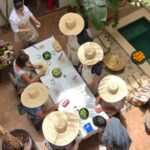
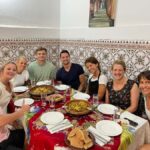
- Eating What You Cook, With a Family Table Feel
- Value: Why $33.73 Can Make Sense Here
- Who This Cooking Class Is Perfect For (And Who Might Want Something Different)
- Practical Tips So You Get the Most From the 4 Hours
- Rating and Recommendation: What the Numbers Say
- Should You Book 4-Hour Moroccan Cooking in Marrakech?
- FAQ
- Where does the cooking class start?
- How long is the class?
- What time does it start?
- Can the menu be vegetarian or vegan?
- What dishes do you cook?
- Is bottled water or coffee included?
What Makes This Class Work So Well
Before you cook, you do the groundwork: the group checks food allergies and helps choose a menu that fits vegetarians and vegans. Then the day flows from market shopping to Moroccan tea to hands-on cooking, ending with a full sit-down meal.
If you’re sensitive to group pace, note it’s scheduled around a start time of 10:00 am and runs about 4 hours, so you’ll be cooking and eating without a lot of buffer time afterward.
Key Points You’ll Care About
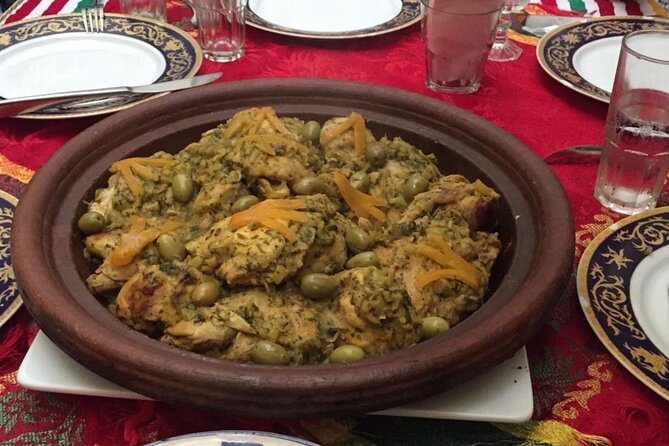
- Market shopping for quality: You learn how to judge produce freshness before you ever turn on the stove.
- Moroccan tea lesson: Tea isn’t an afterthought here; it’s part of the experience.
- Argan oil + real spice work: You start with an appetizer using argan oil and build flavor with Ras el Hanout in your tagine.
- Small group, big attention: With a maximum of 10 travelers, it’s easier to ask questions and get guidance.
- Vegetarian and vegan options: The menu is chosen to fit the group, including veg and vegan needs.
- You sit down for the results: You finish by enjoying the 3-course meal, then get a free surprise.
You can also read our reviews of more tours and experiences in Marrakesh.
Marrakech Starts at the Market With Oumaim and Laila
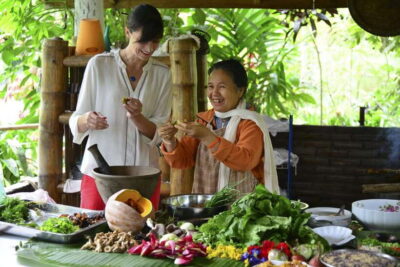
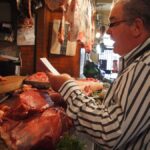
The biggest advantage of this class is that you don’t begin with recipes on a page. You begin with ingredients—right in the market—guided by chef Oumaim and her family (including Laila, who shows up in the teaching). It’s the kind of start that makes everything else make sense. You see what’s seasonal, and you get quick lessons on how to spot quality before you cook.
You’ll also start by checking food allergies. That matters because it changes what you’ll make and how you’ll make it. The class also lets you choose a menu that works for vegetarians and vegans, which is rare in cooking experiences that are otherwise built around meat.
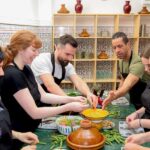
One more smart detail: the class is capped at 10 travelers. That’s small enough for the chef to keep track of what you’re doing and for you to ask questions without waiting your turn.
The 10:00 am Rhythm: Tea, Then Cooking
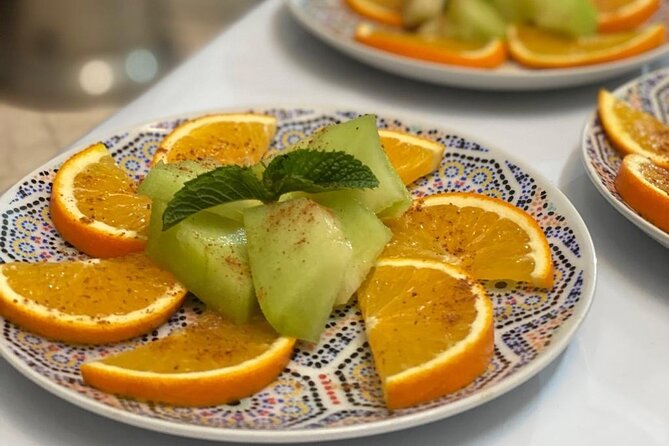
Your day runs for about 4 hours, starting at 10:00 am, and ends back at the meeting point. The schedule is tight but not rushed—more like a well-run morning that takes you from ingredients to finished dishes in one story.
After meeting at Hammam Ziani 14, Rue Riad Zitoun el Jdid, Marrakesh 40000, the flow looks like this:
- Confirm allergies and help pick a menu (including vegetarian/vegan options).
- Shop for groceries in the market with instruction on produce quality.
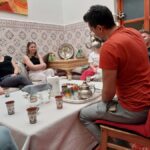
- Head to the cooking location for a breakfast-style moment and a Moroccan tea lesson.
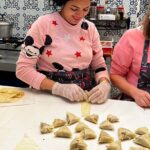
- Cook an appetizer (with argan oil), then a tagine main, then dessert.
- Eat together as a 3-course meal, then receive a free surprise.
Why this rhythm is valuable: you’re not just learning how to make food—you’re learning the sequence Moroccan home cooks use. Tea first helps set the mood. Then you cook in a logical order: opener, main, sweet finish.
Moroccan Tea Isn’t a Side Quest
In many cooking classes, tea is just something you drink while waiting. Here, the tea lesson is part of the teaching. You’ll learn how to make Moroccan tea before the cooking really ramps up.
Even if you’ve had Moroccan tea before, I like this stage because it gives you a base skill and a flavor benchmark. Once you understand how tea is made, you start noticing the broader theme in Moroccan cooking: balance, warmth, and using aromatics intentionally. It also gives you a short pause from market legs and keeps the class grounded in daily life instead of show-and-tell.
Also, the class info notes that coffee and/or tea aren’t included, so if you’re a heavy drinker, plan for additional beverages on your own. But the Moroccan tea taught and made during the class is part of the experience.
Argan Oil Appetizer: Your First Hands-On Win
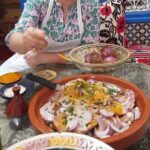
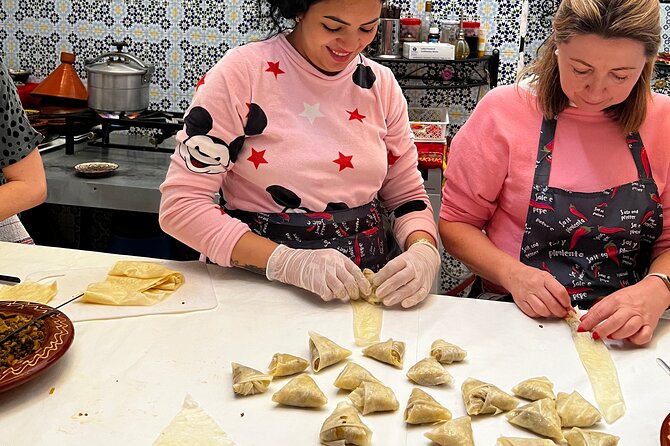
The cooking portion starts with an appetizer using argan oil. That’s a great choice for the beginning of the lesson. Argan oil has a distinct character, and tasting it in the context of what you’re making helps you understand why it’s prized in Morocco.
Starting with an appetizer also does something practical for you: it builds confidence early. You get momentum before the main dishes, and you learn basic timing and cooking rhythm right away.
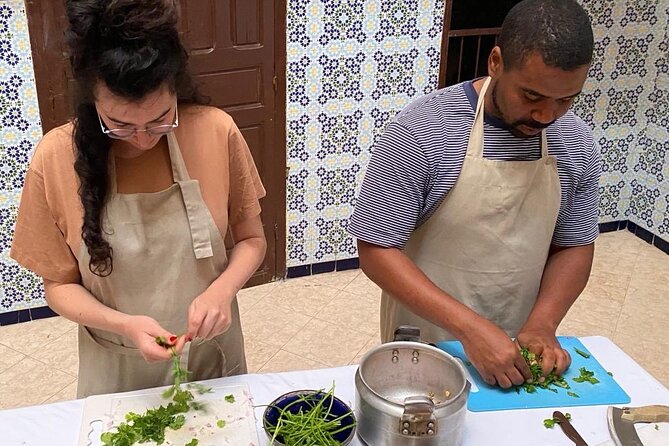
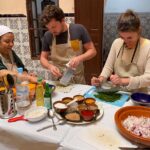
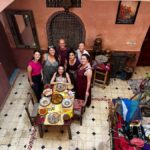
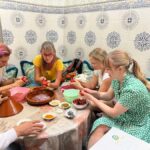
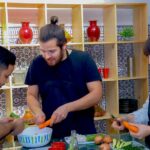
This is also where you’ll likely appreciate the teaching style. The most consistently praised aspect of this experience is the family vibe—chef Laila and her daughter (along with Oumaim and the rest of the team) bring humor and an easy atmosphere. When people laugh while they’re cooking, you learn faster because you’re not afraid to ask questions.
Tagine Main Course: Chicken or Beef With Ras el Hanout
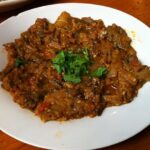
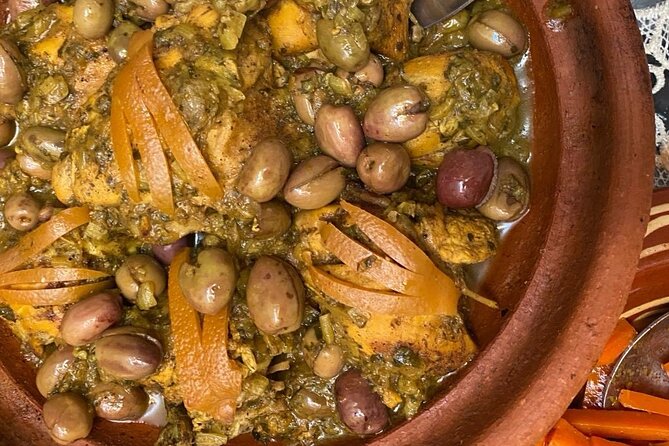
Next comes the main event: you’ll cook a tagine. Your menu choice for the class includes chicken tagine or beef tagine, both flavored with Moroccan spices Ras el Hanout.
This is the section where the class turns from simple cooking into real Moroccan flavor building. Ras el Hanout isn’t one single spice. It’s a blend, and the teaching focus here is on how Moroccan spices work together—why they taste good as a group, and how that blend changes the whole dish.
From a value point of view, this is where your money turns into skills. You’re not just following directions. You’re learning a flavor profile you can use again at home when you want something fragrant and complex without needing a dozen separate ingredients.
If you’re deciding between chicken and beef, go with what you’ll eat at home most comfortably. The cooking method and the spice logic are the same idea; the proteins just affect richness and texture.
Dessert Finish: The Sweet Ending That Makes It Feel Complete
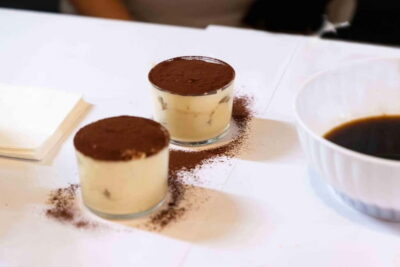
You’ll end with dessert, which gives the class a proper arc: savory opener, hearty main, then a sweet close. That matters more than it sounds. A lot of cooking classes stop after the main dish, leaving you with “almost a meal” instead of the full experience.
Dessert also helps you practice Moroccan balance. Moroccan meals often play with spice and sweetness rather than treating them as separate worlds. Even if you don’t remember every step, you’ll remember how the dessert fits the rest of what you cooked.
Eating What You Cook, With a Family Table Feel
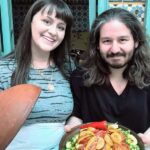
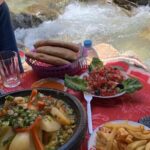
After finishing the meal, you sit down and enjoy your 3-course creation. That’s a key difference between cooking as entertainment and cooking as a life skill.
The class includes a meal as lunch or dinner in the overall experience listing, and either way, you should plan your day around being well fed. This is not a snack class. It’s a meal class built around you leaving with a full belly and a stronger sense of how Moroccan cooking comes together.
And yes, there’s a free surprise at the end. Small surprises are fun, but what matters more is that it signals the class is designed as an experience, not just a cooking demonstration.
Value: Why $33.73 Can Make Sense Here
At $33.73 per person, this class isn’t trying to be a luxury “chef spectacle.” It’s priced like hands-on local cooking with real teaching time.
Where the value comes from:
- You cook multiple courses (appetizer + tagine main + dessert).
- You learn market selection and spice logic before you cook.
- You get a tea lesson, not just a meal.
- The group size is limited to 10 travelers, so you aren’t lost in a crowd.
Timing helps too. The average booking window is about 10 days in advance, which suggests it’s popular but not impossible to plan. If you’re traveling in high season, try booking sooner so you can lock in your preferred day.
Also, since bottled water and coffee and/or tea aren’t included, you’ll want to budget a bit if you’ll want extra drinks. But the core meal experience is included.
Who This Cooking Class Is Perfect For (And Who Might Want Something Different)
This class is a strong fit if you want:
- Practical cooking skills you can use again
- A market-to-table structure with instructions on ingredient quality
- A class with a family-style teaching tone and humor
- A meal experience where vegetarian and vegan options are handled from the start
It’s also good for people who learn best by doing. If you’re the kind of traveler who likes to touch food, smell spices, and ask questions in the moment, you’ll likely enjoy it.
The only people who might feel mismatched are those who want a fully quiet, solo experience. With up to 10 people and a lively teaching style, the energy is social.
Practical Tips So You Get the Most From the 4 Hours
You’ll have the best time if you show up ready to move with the group. A few practical notes:
- Arrive a few minutes early so you can check in smoothly at Hammam Ziani 14, Rue Riad Zitoun el Jdid.
- Come with any allergy details ready to share. The class checks for them before choosing the menu.
- If you’re vegan or vegetarian, don’t assume it’s an add-on. The menu is selected to fit the group, so be clear early.
- Expect to taste what you make. If you’re sensitive to strong spices, tell the chef so adjustments can be made.
And if you’re thinking about pairing this with other Marrakech plans: because it runs about 4 hours from 10:00 am and includes a full meal, schedule something light later that day.
Rating and Recommendation: What the Numbers Say
This experience holds a 4.8/5 average rating with 92% recommending it. Numbers like that don’t tell the whole story, but they do hint at consistency—especially around what people seem to value most: the fun, the friendliness, and the quality of the food you end up eating.
The strongest praise trend centers on the personalities teaching. Chef Laila (and the wider family team) comes through as funny, welcoming, and easy to learn from, and that kind of atmosphere can turn a language barrier or nervous feeling into comfort fast.
Should You Book 4-Hour Moroccan Cooking in Marrakech?
I’d book it if you want more than a one-off meal. This class teaches a clear sequence—market shopping, Moroccan tea, argan oil appetizer, Ras el Hanout tagine main, then dessert—so you leave with both food and technique.
It’s also a smart choice for families and couples who want an authentic, home-style feel without spending half the day on logistics. With a small group size and a meal you actually eat, it’s good value for $33.73.
Don’t book it if you’re looking for a silent, high-end restaurant lesson. This is warm, social cooking. If that’s your vibe, you’ll likely have a great time.
FAQ
Where does the cooking class start?
The class starts at Hammam Ziani 14, Rue Riad Zitoun el Jdid, Marrakesh 40000, Morocco.
How long is the class?
The cooking class runs for about 4 hours.
What time does it start?
It starts at 10:00 am.
Can the menu be vegetarian or vegan?
Yes. You choose a suitable menu for the group, including vegetarian and vegan options, and the class checks for allergies at the start.
What dishes do you cook?
You make an appetizer using argan oil, a tagine main (chicken tagine or beef tagine) flavored with Ras el Hanout, and then a dessert.
Is bottled water or coffee included?
Bottled water is not included, and coffee and/or tea are also listed as not included. Moroccan tea is part of the lesson.