REVIEW · DA NANG
Da Nang Cooking: Market tour, farming, and cooking class
Book on GetYourGuide →Operated by HOI AN FOOD TOUR · Bookable on GetYourGuide
Food starts in the soil here. This Da Nang cooking experience turns an organic farm visit into a hands-on Vietnamese cooking class, with a market stop where you learn what to buy and why. I like how the day is structured around real ingredients, not just recipes on paper, and it stays fun even if weather turns ugly. One possible drawback: there’s no hotel pickup, so you’ll need to get yourself to the start point.
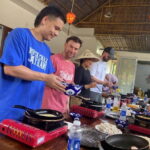
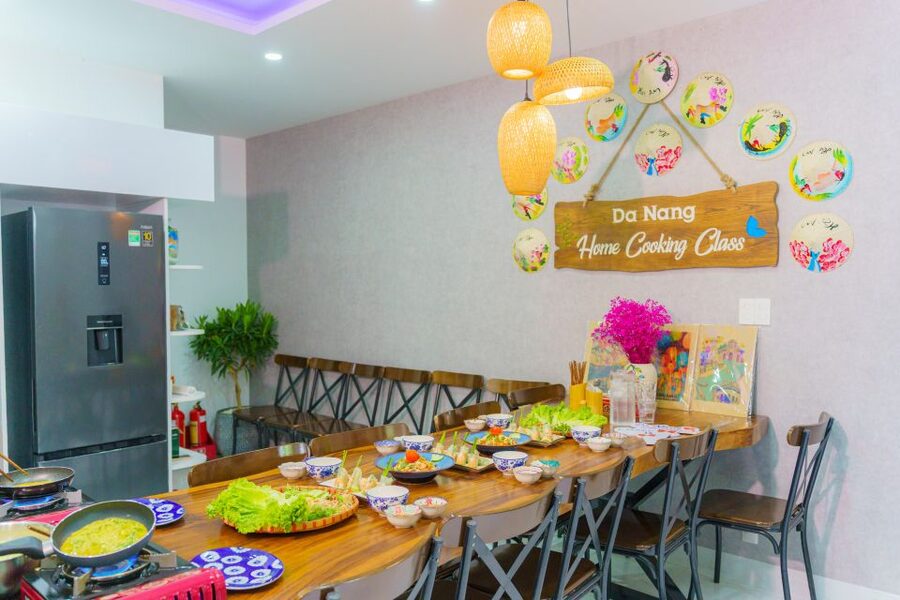
My other favorite part is the format. With a group size of about 14, you actually get time at the stove instead of watching from the sidelines, and you leave with English recipe copies you can follow later. The teaching style comes through too: in past sessions, guides like Jane and Nhi have been described as warm, funny, and focused on making sure you learn the steps.
You should also know the exact dishes depend on the day you go. The menus rotate, so if there’s one dish you care about most, check the schedule before you book.
In This Review
- Key Things I’d Put on Your Radar
- From Organic Beds to Your First Cooking Station
- The Market Tour: Where You Learn the Shopping Shortcut
- Farming Activity: Working Like a Farmer for a Little While
- The Cooking Class: Your Menu Choice for Pho, Noodle, and More
- Menu options (what you might cook)
- What you’ll actually learn in the kitchen
- Herbal Tea Tasting and Dessert: Ending on the Right Note
- Value and Logistics: Is This Worth $25?
- What This Class Is Best For (And When to Skip It)
- Should You Book Da Nang Cooking: Market, Farming, and Cooking Class?
- FAQ
- How long is the cooking class?
- What dishes are cooked?
- Is there a vegetarian option?
- Is the class hands-on?
- Does the tour include farming and the market?
- What is included in the price?
- Is hotel pickup included?
- What language is the instructor?
- Can I add anything else to the experience?
- Is the tour wheelchair accessible?
Key Things I’d Put on Your Radar
- Organic farm start: You learn planting and watering before heading out to the market.
- Market tour with purpose: You practice spotting ingredients you’ll use right away in cooking.
- Small group, hands-on pacing: Around 14 people means you can ask questions and cook.
- Pick from short or full experience: Cooking-only is about 2.5 hours; full farming + market + cooking is longer.
- Herbal tea and dessert included: You don’t just cook and leave, you finish the meal properly.
- Vegetarian menu available: You can still do the full class with plant-based dishes.
From Organic Beds to Your First Cooking Station
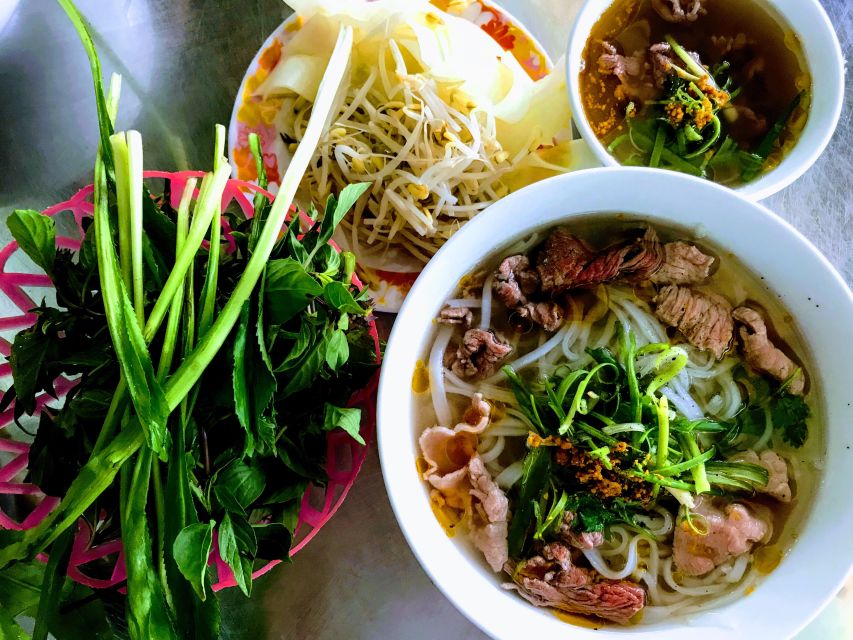
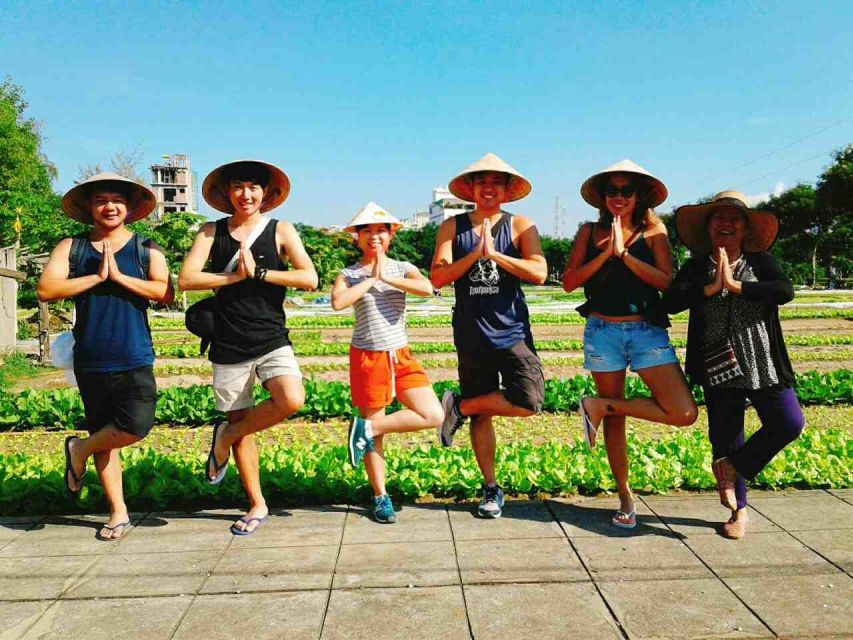
The day starts at an organic farm, not in a classroom kitchen. You’ll learn the basics of growing at the farm, including planting and watering, before you move on to the next phase of the experience: buying ingredients where locals shop.
Why this matters for you is simple. When you understand how produce gets grown, you cook with more intention. You’ll notice that herbs, greens, fruits, and aromatics aren’t interchangeable. They have different flavors and textures, and your Vietnamese cooking choices make more sense.
The farm-to-market flow also makes the whole experience feel grounded. You’re not just collecting ingredients, you’re building context. Even if you’re traveling solo or as a couple, the sequence gives you a story to follow, from dirt to dinner.
Practical note: wear shoes you can walk in for a bit on farm paths. Bring sunscreen or a hat, because you’re outside for parts of the day. And if it rains, the class still keeps going—so you’re not left stranded or waiting around forever.
You can also read our reviews of more tours and experiences in Da Nang.
The Market Tour: Where You Learn the Shopping Shortcut
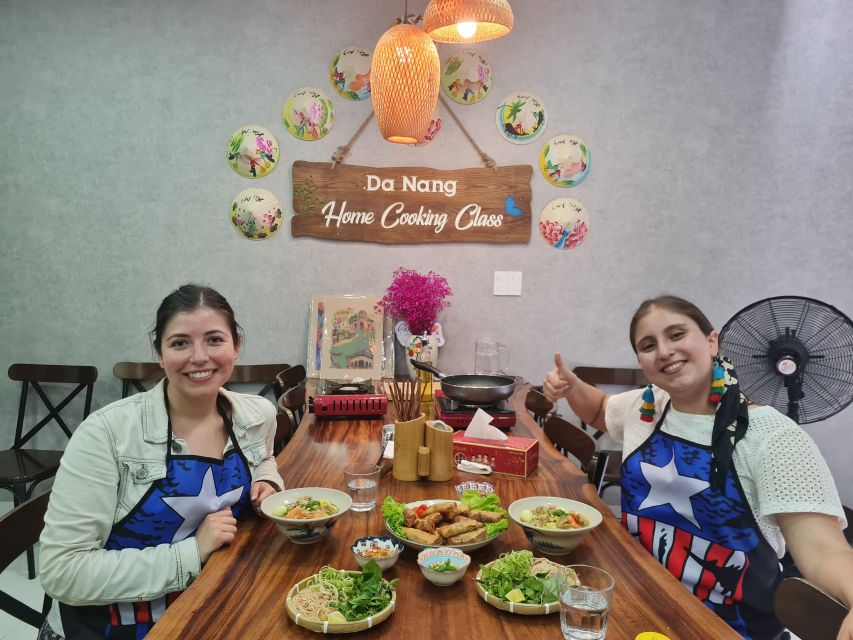
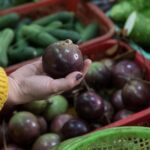
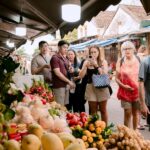
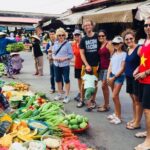
After the farm, you head to the local fresh market to pick up ingredients. This is where you learn the practical “tricks of the trade” that don’t come from a cookbook. You’ll see Vietnamese staples up close and get guidance on how to choose them for the specific dishes you’ll cook.
In a market like this, the value isn’t only what you see—it’s how you’re taught to look. Ingredients that look similar to an outsider can taste very different once they’re cooked. That’s especially true for things like vegetables, herbs, citrusy elements, and seafood used in salads and noodles.
You’ll likely come away with a better sense of Vietnamese flavor basics, like balancing salty, sour, and fresh notes in a plate. The best part is that you can translate what you learn immediately, because the cooking class follows right after.
If you hate shoulder-to-shoulder crowds, plan your timing. One useful piece of advice is to choose a morning tour if you want a calmer market experience compared to peak hours.
Farming Activity: Working Like a Farmer for a Little While
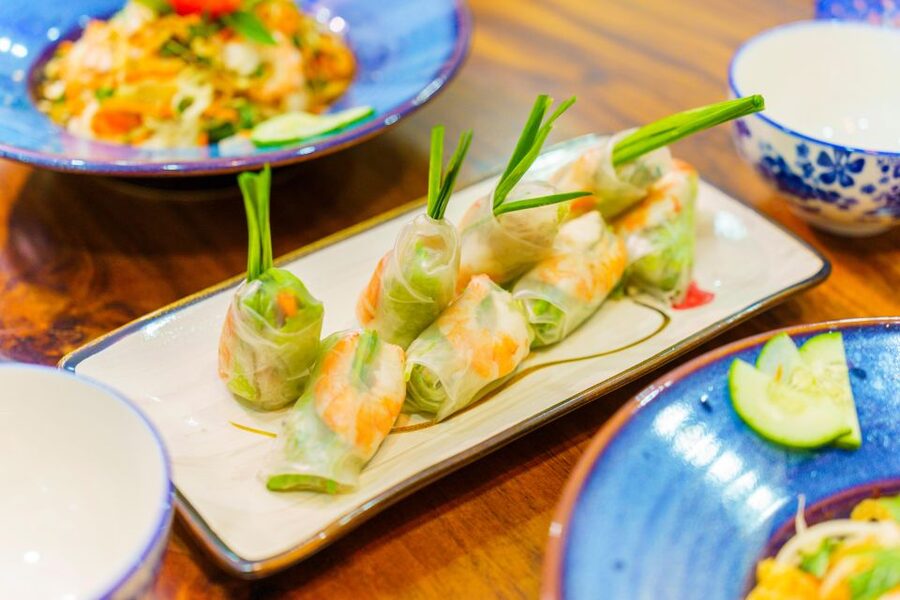
For the full experience, the farm portion isn’t just a photo stop. You get practical time doing activities such as planting and watering. The goal isn’t to train you as an agricultural expert. It’s to help you understand the rhythms and effort behind the ingredients you’re about to cook.
That “hands-on” mindset shows up in the kitchen later. People often remember the farm part because it makes the meal feel earned. When you’ve watered something yourself, you pay attention when it hits the cutting board.
This section also helps if you’re visiting from a place where cooking classes are mostly indoors. Here, you’re getting a different kind of context: how food starts and how the supply chain feels when it’s close to the people cooking.
The Cooking Class: Your Menu Choice for Pho, Noodle, and More
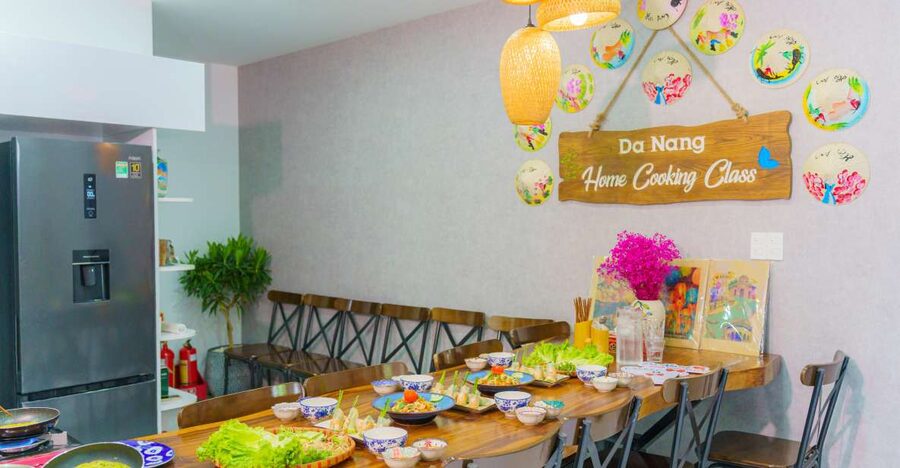
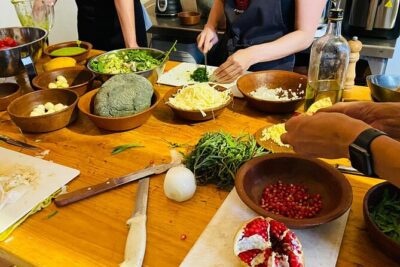
You’ll learn how to cook four traditional dishes, hands-on, with ingredient prep built into the class. Two different menus run during the week, plus you can choose a vegetarian option.
Menu options (what you might cook)
Menu 1 (Mon, Wed, Fri)
- Quang Noodle
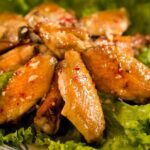
- Fish sauce chicken wing
- Green papaya salad with shrimp
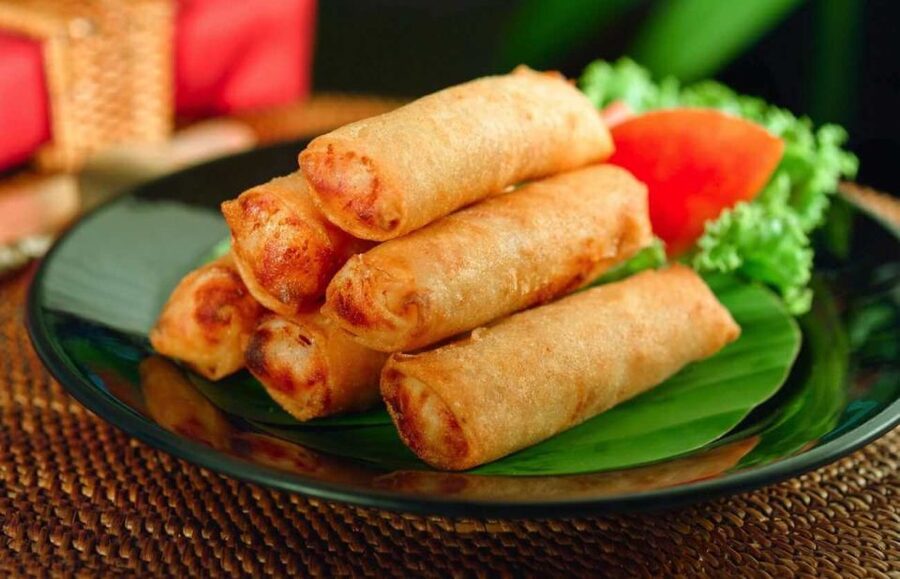
- Deep-fried spring rolls
Menu 2 (Tue, Thu, Sat, Sun)
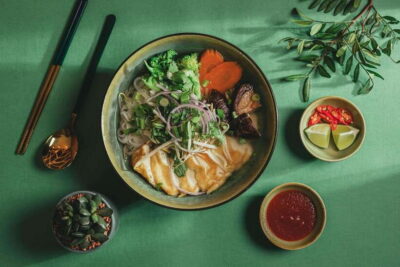
- Beef noodle soup (Pho)
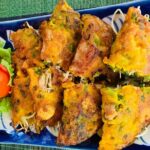
- Crispy Vietnamese Pancakes (Banh Xeo)
- Green mango salad with shrimp
- Fresh spring roll
Vegetarian option (available)
- Quang Noodle or Pho
- Eggplant stir fry
- Mango salad or papaya salad
- Fried spring roll or fresh spring roll
You can also choose a short cooking-only class of about 2.5 hours if you’re short on time. That version skips the farming and market components, so it’s more focused on technique and eating what you cook.
What you’ll actually learn in the kitchen
The class is built around teaching the “how,” not just the “what.” The format is designed around practical steps—so you’re cooking, tasting, and adjusting as you go. Dishes like pho and Quang noodle can feel intimidating if you’ve never made them, but the class is specifically geared to show you what makes the final flavor work, including how to build the balance in broth and toppings.
For crispy items like Banh Xeo and deep-fried spring rolls, you’ll learn the basics that affect texture: heat control and timing. For salads, you’ll understand how fresh fruit and vegetables pair with herbs and seafood (or vegetarian equivalents), and how the balance changes when flavors are combined correctly.
And spring rolls—fresh or fried—are a great skill-builder because they force you to pay attention to wrapping and portioning. You won’t just eat Vietnamese food. You’ll learn how to reproduce it at home.
Herbal Tea Tasting and Dessert: Ending on the Right Note
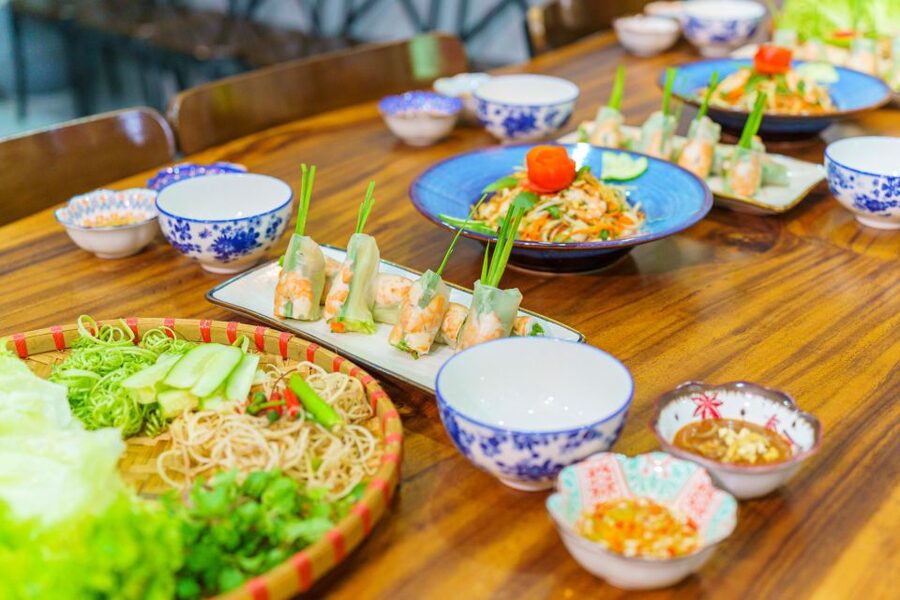
This is one of those details that makes a class feel complete: herbal tea tasting and dessert are included. You’ll have water as well, which matters because cooking classes can make you a little dehydrated if you’re busy tasting and snacking.
The herbal tea is made with organic ingredients, and the tasting helps you notice how Vietnamese meals can shift from savory to aromatic without needing another full course. It’s also a nice moment to slow down and chat with your guide and fellow cooks.
Dessert gives you an easy finish that doesn’t require you to hunt for one more thing after class. You’ll leave with the feeling that you attended a full experience, not just a cooking session.
Value and Logistics: Is This Worth $25?
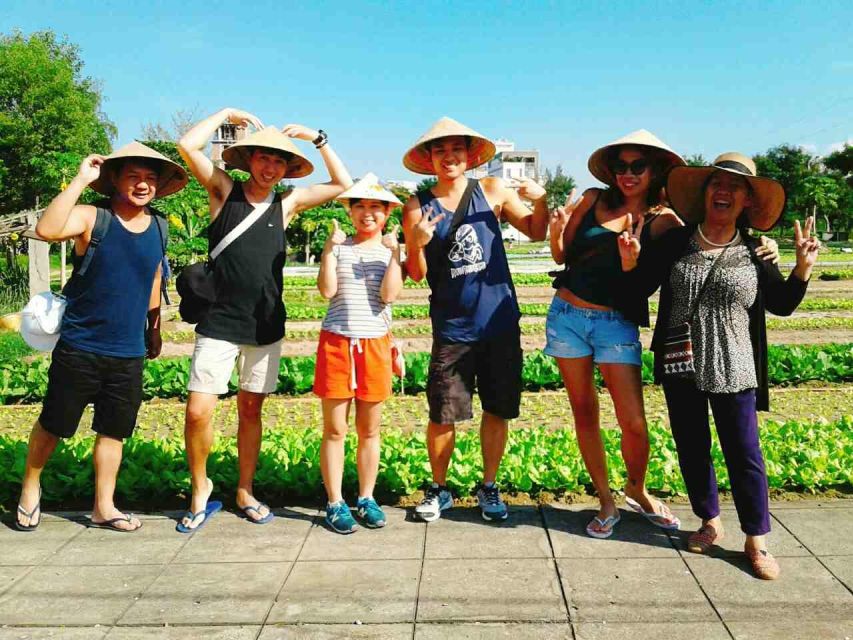
At $25 per person, the price feels reasonable when you count what’s included. You’re getting an English-speaking guide, all ingredients for the dishes, recipes in English, herbal tea, water, dessert, and a hands-on cooking class for four dishes. If you choose the full format, you also get the farming activity and the market tour.
The small group size matters for value too. With around 14 people, it’s easier to get personal attention and keep the class from turning into a demo. That’s often the difference between a class that feels fun versus one that feels like a production line.
The timing range (150 to 270 minutes) lets you choose what fits your day. The short option is good if you’re already planning other Da Nang activities. The full option is best if you want the farm-to-market story and more context for ingredients.
One more optional add-on exists: you can include a coffee making workshop (about 1.5 hours) to deepen your Vietnamese culinary day. That’s a good move if you’re a coffee person or you like learning a second skill while you’re already in food mode.
Quick logistics you should plan for: there’s no hotel pickup or drop-off. So budget a little time to get to the organic farm start point on your own.
What This Class Is Best For (And When to Skip It)
I think this is a great fit if you:
- Want a hands-on Da Nang cooking class with real shopping and real produce.
- Like small groups and direct instruction rather than big-tour bus energy.
- Want to cook specific Vietnamese dishes—Pho, Banh Xeo, Quang noodle, spring rolls—rather than learning vague “Asian cooking.”
- Are traveling with friends or family, including kids, and want a structured, social activity.
You might skip it if:
- You strongly dislike market and outdoor portions and only want a kitchen classroom.
- You need strict hotel-to-class convenience, since pickup isn’t included.
- You’re extremely picky about which dishes you’ll cook, because menus rotate by day.
Also consider the vegetarian option if you eat plant-based. The class can still cover four dishes with vegetarian-friendly versions like eggplant stir fry and vegetarian salad options.
Should You Book Da Nang Cooking: Market, Farming, and Cooking Class?
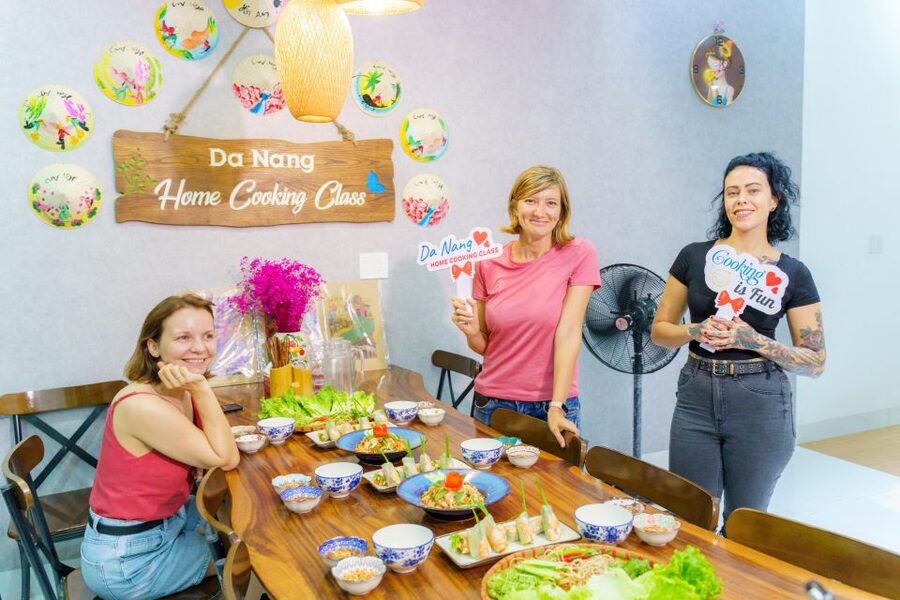
If you want a food day that’s more than eating and more than watching, I’d book it. The farm + market + cooking flow gives you context, and the small group format makes it practical. Plus, the class includes enough extras—herbal tea and dessert—that it feels like a complete experience.
Book it especially if you’ve ever tried to cook Vietnamese food at home and ended up stuck on flavor balance. This kind of guided practice is the fastest way to pick up the real techniques behind dishes like pho, Quang noodle, and spring rolls.
If you’re planning your schedule around a specific dish, check the menu rotation for your day first. And plan transport to the start point since hotel pickup isn’t part of the deal.
FAQ
How long is the cooking class?
The experience runs from about 150 to 270 minutes, depending on which option you choose.
What dishes are cooked?
You cook four traditional dishes, and the exact menu varies by day. Options include Pho, Banh Xeo, Quang noodle, spring rolls, and salads, with a vegetarian menu available.
Is there a vegetarian option?
Yes. A vegetarian menu option is available with choices that include Quang noodle or Pho, eggplant stir fry, and vegetarian salad and spring roll options.
Is the class hands-on?
Yes. It’s a hands-on cooking class, and the group size is small (about 14), so you can participate at cooking steps.
Does the tour include farming and the market?
It depends on your choice. The full experience includes farming and a market tour, while a shorter option focuses only on cooking.
What is included in the price?
Herbal tea, water, dessert, an English-speaking guide, the market tour (for the full experience), farming activity (for the full experience), and all cooking ingredients are included, along with English recipe copies.
Is hotel pickup included?
No. Pick up and drop off at your hotel are not included.
What language is the instructor?
The instructor is English speaking, and the recipes are also provided in English.
Can I add anything else to the experience?
Yes. You can add a coffee making workshop (about 1.5 hours) to your culinary journey.
Is the tour wheelchair accessible?
Yes, it’s wheelchair accessible.