REVIEW · DA NANG
Da Nang: Coffee Making And Cooking Class
Book on GetYourGuide →Operated by Jolie Cooking Class · Bookable on GetYourGuide
Coffee in Vietnam runs on ritual. At Jolie Cooking Class in Da Nang, you learn phin-filter coffee step by step, taste egg, salt, and coconut styles, then roll right into cooking your own meal in a homey setting.
Two things I really like here are the hands-on approach to brewing and the way the lesson ties coffee to Da Nang’s culture. A possible drawback: you will drink multiple coffee styles, so if caffeine hits you hard or you have a heart problem, you should skip this one.
In This Review
- Key things that make this class worth your time
- Why Da Nang coffee feels different
- Phin brewing with Robusta: the technique you can repeat
- Egg, salt, and coconut coffee: stories and taste testing
- Cooking Da Nang dishes at Jolie: from chopping to your own plate
- Timing, meeting point near Dragon Bridge, and what to bring
- Is $50 good value for 4.5 hours of coffee plus cooking?
- Should you book Jolie’s Da Nang Coffee Making And Cooking Class?
- FAQ
- How long is the Da Nang Coffee Making And Cooking Class?
- What does it cost per person?
- Where do I meet for the class?
- What coffee types will I make and taste?
- Is the instruction available in English?
- Should I avoid caffeine beforehand?
Key things that make this class worth your time
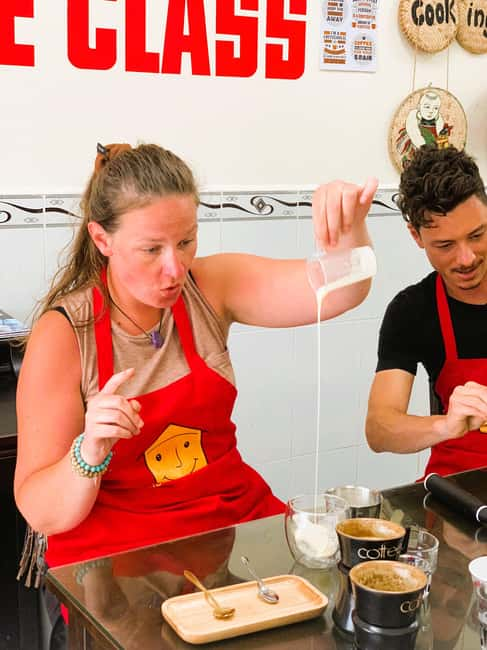
- Phin brewing you practice, not just watch
- Egg, salt, and coconut coffee tasting with the stories behind each
- A slow-brew ritual that turns waiting into part of the fun
- Small-group feel with patient English support from guides like Rosie, Nhan, and Kate
- Cooking with real knife time, then eating what you cooked
- A relaxed home-style vibe, with playful moments like guitar or piano if you can
Why Da Nang coffee feels different
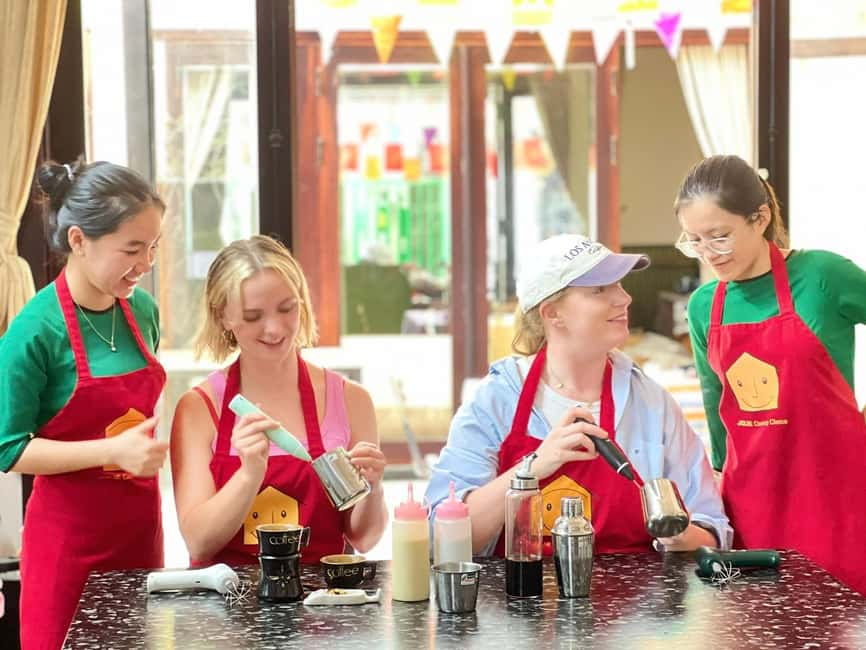
Vietnam isn’t one of those places where coffee is just fuel. In Da Nang, coffee becomes a social rhythm, slow enough that conversations can actually happen. This class leans into that idea right away, so you’re not rushed and you’re not pretending to know what you’re doing.
You start with a warm welcome and a local snack, then you get the basics of how Vietnamese coffee works and why it tastes the way it does. The focus is on the ingredients and the method, not fancy theory. You’ll also hear about the role of Robusta beans and why the phin filter matters so much.
If you come in a casual coffee drinker, you’ll still have fun. You’ll learn terms like phin, understand what Robusta brings to the flavor, and pick up the pacing that makes Vietnamese café culture feel so calm. And if you’re a coffee nerd, you’ll appreciate that the class gives you repeatable technique rather than a quick tasting and out the door.
You can also read our reviews of more tours and experiences in Da Nang.
Phin brewing with Robusta: the technique you can repeat
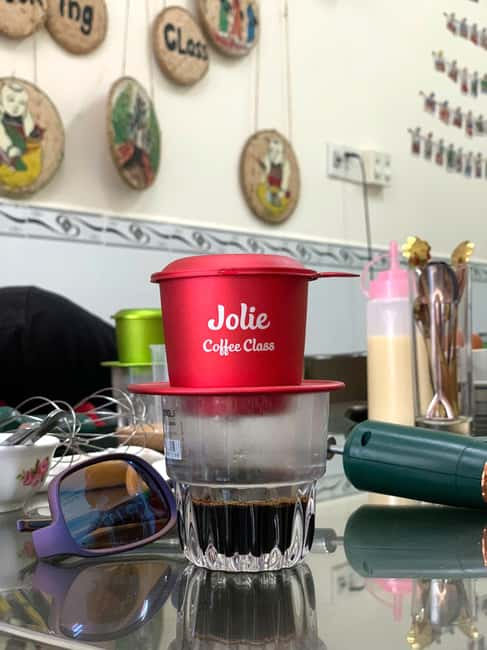
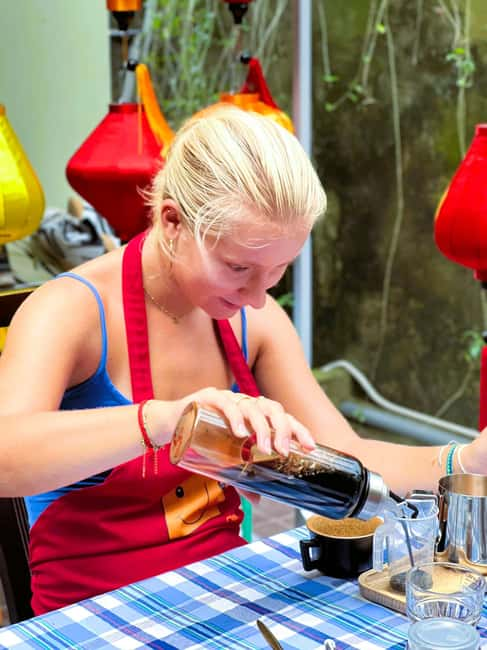
The “main event” is the brewing lesson, and the classroom makes it practical. You’re taught how to use a traditional phin filter and you get time to brew and taste. That’s the big difference between a coffee workshop and a coffee show.
Here’s what you can realistically take away:
- You’ll learn what makes Vietnamese coffee taste distinctly different, starting with Robusta.
- You’ll practice the phin brewing steps so you understand why the coffee takes its time.
- You’ll taste enough to notice how each style lands on the palate.
That slow-brewing part matters. When coffee drips slowly, you get time to pay attention to aroma and strength, not just end up with a cup you chug before your next plan. It also means your palate isn’t overwhelmed at the start, which helps when you move into multiple coffee types.
One small tip from the spirit of the class: don’t overdo caffeine before you go. The workshop’s tasting works best when you still have room to taste. If you’re sensitive, treat your morning like you’re building an appetite for flavor, not just energy.
Egg, salt, and coconut coffee: stories and taste testing
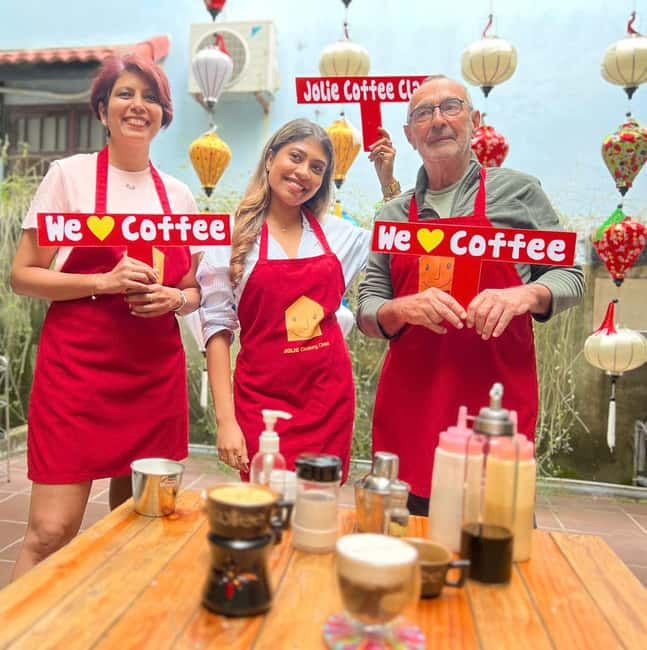
The class doesn’t just serve coffee. You learn the stories behind each variety, and that changes the tasting. Egg coffee, salt coffee, and coconut coffee all have their own personality, and the guide’s job is to help you notice what you’re tasting and why it’s done that way.
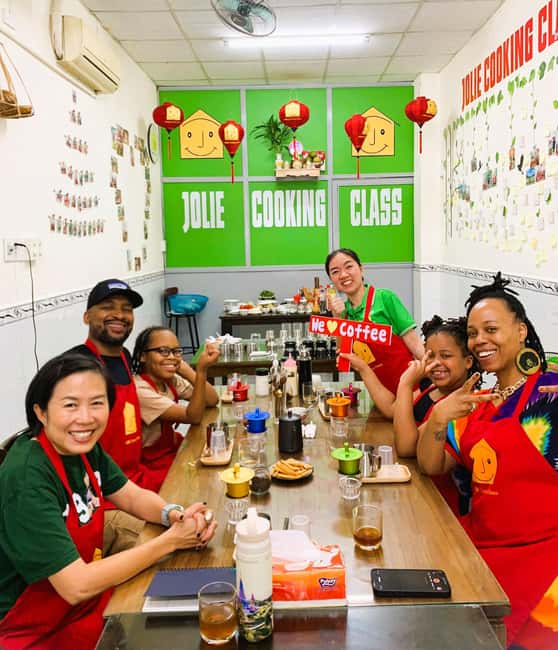
During the tasting, you’ll move through the three types and compare them in a relaxed setting. Expect a slow rhythm where you’re encouraged to pay attention instead of race. You’ll get guidance from your English-speaking instructor, and the tone is friendly and easygoing, with guides like Rosie, Nhan, and Kate described as especially patient and clear.
The most useful part for you is how the class organizes the experience:
- First you learn the brewing foundation (phin and Robusta).
- Then you taste the signature styles (egg, salt, coconut).
- Then you carry that mindset into food, where the pace stays hands-on and calm.
If you love foodie travel but hate lectures, this format works. You’re learning while doing.
Cooking Da Nang dishes at Jolie: from chopping to your own plate
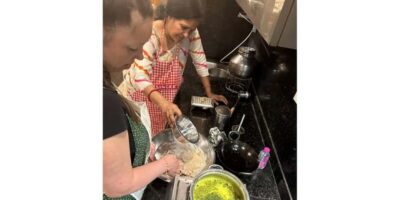
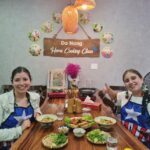
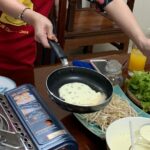
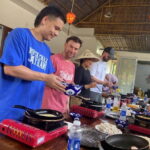
After the coffee block, the class switches gears. You get into the kitchen for the cooking part, and this is where it becomes more than a tasting workshop. You learn traditional Da Nang cooking in a welcoming, home-style setup.
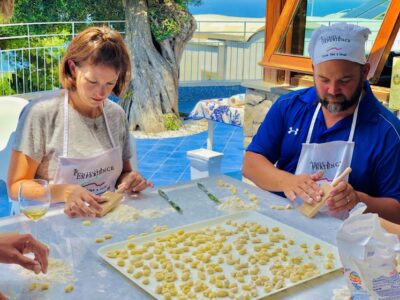
You’re not stuck watching from the sidelines. You get hands-on time, including chopping ingredients and building dishes step by step. The cooking instruction also connects back to what makes Vietnamese cuisine special—herbs, spices, and traditional techniques—so it feels like one continuous lesson rather than two disconnected activities.
What to expect once you’re cooking:
- A clear sequence of steps with an instructor who can explain in English.
- Real participation, including ingredient prep rather than only final plating.
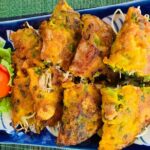
- A meal outcome you can feel proud of, because you make it yourself.
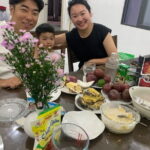
And yes, you’ll want to come hungry. The class atmosphere is explicitly set up so you’re ready for a full food experience. That also makes the timing feel right: you’ve already had a local snack, you’ve had coffee, and now you shift into eating what you cooked.
There’s also a fun, laid-back moment after the meal. If you can, you can play guitar or piano as part of the relaxed home vibe, then you head back to your accommodation. It’s one of those small touches that makes it feel less like a factory tour.
Timing, meeting point near Dragon Bridge, and what to bring
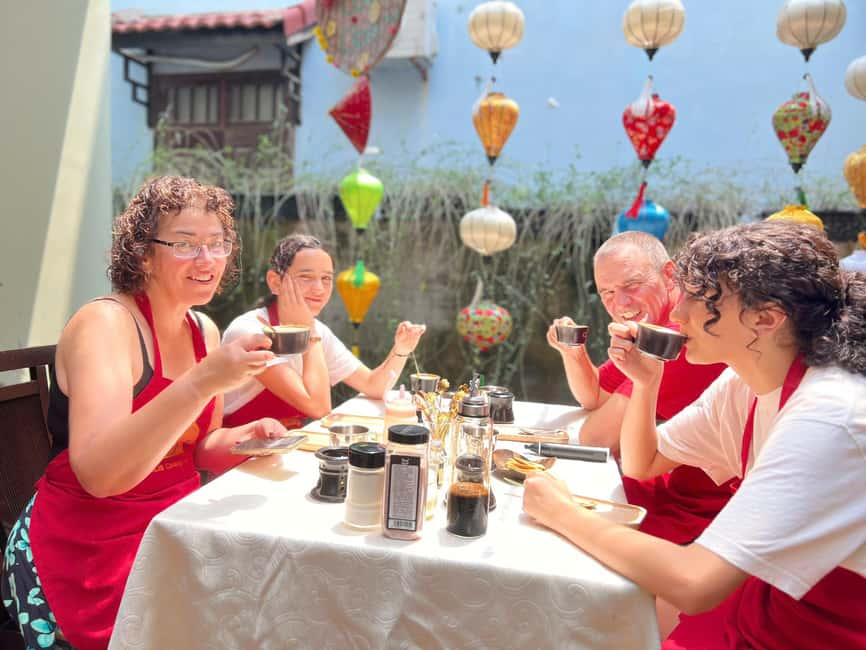
This class runs twice a day, so you can match it to your sightseeing pace:
- Morning session: meet around 8:30 AM, start brewing about 8:45 AM, move to cooking around 10:30 AM, then eat your meal around 1:00 PM.
- Afternoon session: meet around 2:00 PM, start brewing about 2:15 PM, cook around 4:00 PM, then eat around 6:30 PM.
The durations come out to about 4.5 hours, which is a great chunk of time for a hands-on foodie activity without eating up your whole day.
You meet at Jolie Cooking Class at 14 An Trung Dong 6, Da Nang, near Dragon Bridge. So if you’re staying in the central area, it’s easy to plug into your day. Wear comfortable clothes. You’ll be standing, moving, and cooking.
What to bring: a camera. That part is simple, but worth remembering, because the class has a nice rhythm and you’ll want photos of the process and the finished meal.
Two practical notes:
- Don’t show up completely caffeine-loaded. The tasting works better with a calmer baseline.
- If you have heart problems, this isn’t suitable based on the class guidance.

Is $50 good value for 4.5 hours of coffee plus cooking?
At about $50 per person for 4.5 hours, this isn’t the cheapest thing in Da Nang. But it is structured value. You’re paying for two skill-based experiences in one session: coffee brewing plus a hands-on cooking class.
Here’s what the price is buying you in plain terms:
- A guided, small-group setting so you’re actually able to participate.
- Coffee instruction built around Vietnamese methods, including phin brewing and tasting egg, salt, and coconut coffee.
- A cooking session where you prepare food yourself, then eat what you made.
- English instruction, which matters if your Vietnamese kitchen vocabulary is limited.
If you’ve ever tried to piece these experiences together on your own, you’ll understand why this package can be worth it. Learning the brewing technique in particular is hard to figure out from a single menu photo. The class gives you the method, then gives you the chance to taste, compare, and ask questions while it’s still fresh.
So the value question becomes: Do you want to do something active and take home technique? If yes, $50 can feel like a fair trade. If you only want a quick coffee and a light snack, it might feel pricey for what you’re getting.
Should you book Jolie’s Da Nang Coffee Making And Cooking Class?
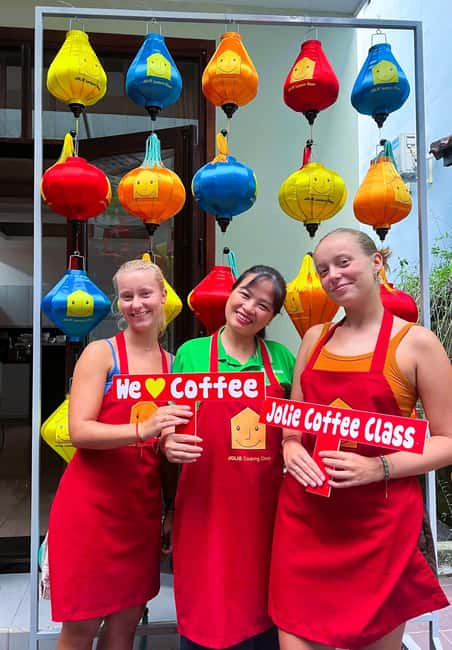
I’d book it if you want an authentic Da Nang food moment with more participation than performance. You’ll get the coffee basics you can repeat later, plus a meal built from your own effort. The small-group format and strong English from guides like Rosie, Nhan, and Kate make it especially good if you’re traveling alone or with a small circle and want attention instead of a crowd.
I’d skip it if caffeine is a big problem for you, or if you have a heart condition. Also, if you dislike hands-on cooking and prefer passive sightseeing, the workshop format may feel like too much work.
If you’re on the fence, use this quick checklist:
- You like coffee enough to taste multiple types
- You want practical technique, not just photos
- You enjoy cooking and don’t mind chopping
- You’re okay spending most of half a day focused on food and brewing
If those are true, this is a smart, satisfying choice in Central Vietnam.
FAQ
How long is the Da Nang Coffee Making And Cooking Class?
The class lasts 4.5 hours.
What does it cost per person?
The price is $50 per person.
Where do I meet for the class?
You meet at Jolie Cooking Class, 14 An Trung Dong 6, Da Nang, near Dragon Bridge (16.059999465942383, 108.23539733886719).
What coffee types will I make and taste?
You’ll learn about and taste Vietnamese coffee styles including Egg Coffee, Coconut Coffee, and Salt Coffee, with phin brewing.
Is the instruction available in English?
Yes, the instructor teaches in English.
Should I avoid caffeine beforehand?
It’s recommended that you do not consume too much caffeine before the class, so you can fully enjoy the coffee tasting session. The activity is also not suitable for people with heart problems.