REVIEW · TAKAYAMA
Japanese Cooking Class with Local Family in Takayama Old Town
Book on Viator →Operated by Hisa Takayama Private Tour Guide · Bookable on Viator
You cook inside a real Takayama home. What makes this class special is the chance to step into Hisa and Bob’s 200-year-old townhouse (a former clinic) and learn Japanese home cooking side by side in their semi-outdoor kitchen. You start with tea and wagashi, then cook a full seasonal meal that’s tailored to what you want to eat, with English-speaking help throughout.
My favorite part is how personal the teaching feels, not scripted. I also like that you’re not stuck watching from the sidelines—you’ll handle ingredients and techniques. The one possible drawback: this is a private home setting, so you’ll do best if you’re comfortable in close quarters and ready for a semi-outdoor workspace.
In This Review
- Quick highlights (what you’ll remember)
- Takayama Old Town cooking, but inside a real home
- Finding the townhouse and what to expect when you arrive
- Tea, wagashi, and the home-cooking lesson before you touch food
- Inside the semi-outdoor kitchen: how the meal comes together
- The menu is seasonal for a reason (not just for romance)
- Talking local life while you cook in Takayama Old Town
- Price and value: what $211.37 is really buying
- Who should book this class—and who might want a different option
- Should you book the Japanese Cooking Class with Hisa and Bob?
- FAQ
- How long is the Japanese cooking class in Takayama?
- Where does the experience start?
- What meals are included?
- Is alcohol included?
- Can the hosts accommodate dietary restrictions?
- Is this a private tour?
- When will I get confirmation, and is there free cancellation?
Quick highlights (what you’ll remember)
- A 200-year-old townhouse that used to function as a clinic in Takayama Old Town
- English-speaking hosts, Hisa and Bob, who explain food and local life as you cook
- Tea and wagashi to start, then an apron-and-kitchen shift into hands-on cooking
- A semi-outdoor kitchen where locals have cooked seasonal meals for generations
- Five seasonal dishes plus a Japanese-style fruit dessert, adjusted to your preferences
- A private experience where only your group participates
Takayama Old Town cooking, but inside a real home
Takayama’s Old Town is full of postcard streets, but the best cultural moments are the ones that happen behind closed doors. This experience gives you that access. You meet on the main street of the historic district, then step into a 200-year-old wooden townhouse that has belonged to the family for generations—long before most visitors knew Takayama had a hidden culinary world.
The house itself is part of the lesson. You’ll walk through the former clinic space (including how the home was used for births) and the traditional living quarters where day-to-day life still makes sense in an old building. It’s not just trivia either; it helps you understand why the kitchen runs on seasonal rhythm and simple, practical routines.
One more thing I like: the hosts don’t treat you like a classroom problem. Hisa and Bob are warm, fun-loving guides who speak fluent English, so you can actually ask questions while you’re working. That matters because Japanese cooking is full of small choices—what you add first, how long you simmer dashi, how you handle ingredients—that are much easier to learn when someone can correct you in real time.
Finding the townhouse and what to expect when you arrive
You’ll start at 93 Kamisannomachi, Takayama, Gifu 506-0846, Japan, and it ends back at the same spot. It’s described as near public transportation, which is a relief in Old Town where walking is inevitable and taxis can be a little slow depending on timing.
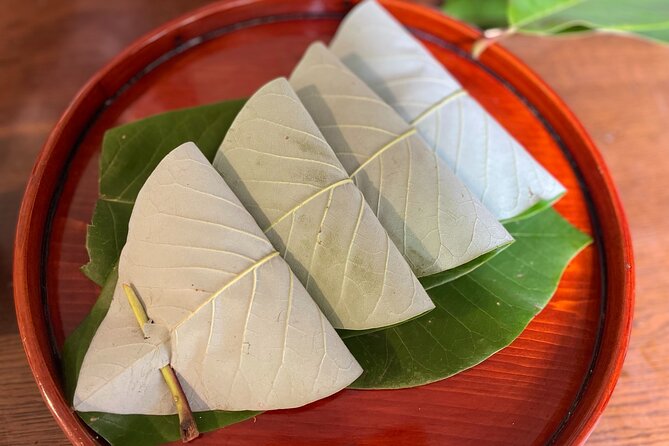
Once you arrive, the tone is relaxed. You’re welcomed with Japanese tea and wagashi (traditional sweets), then you’ll get a short introduction to Japanese home cooking before you put on an apron and move into the kitchen space. That sequence is smart: tea and sweets let you settle in, and the intro helps you connect what you’re about to do with the bigger idea of home cooking in the Hida mountains.
The kitchen setup matters, too. The class takes place in a semi-outdoor kitchen, which feels wonderfully “local” in a way a polished studio never can. It also means you should dress for comfort and be prepared for temperature changes. If you’re traveling in cooler months, layers help.
Finally, this is a private tour/activity. Only your group participates, so there’s no awkward squeezing into someone else’s pace. If you’re a solo traveler, that privacy can be a big quality-of-life upgrade.
Tea, wagashi, and the home-cooking lesson before you touch food
This isn’t one of those classes where you show up and immediately start chopping. You begin with tea and delicate wagashi, then shift into a guided overview of Japanese home cooking—what it’s built around and how ingredients fit together.
That early “why” is one of the things that makes a cooking class stick. Instead of memorizing steps, you learn how Japanese cooking thinks: seasonal ingredients, stock (dashi) as a foundation, and careful seasoning that builds flavor rather than masking it. You’ll also learn about key ingredients along the way, with explanations meant for hands-on cooking, not textbook reading.
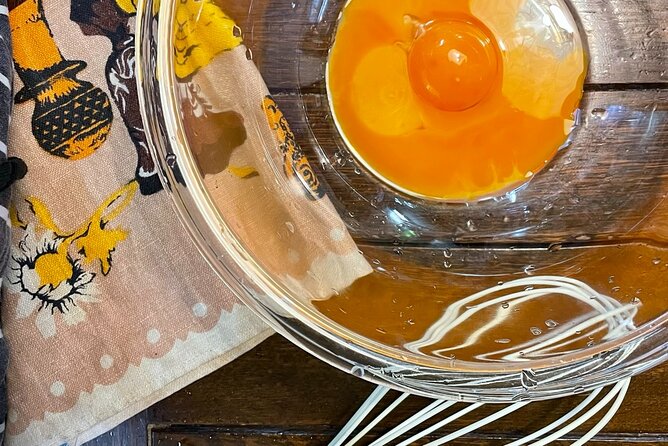
From there, you slip into an apron and step into the semi-outdoor kitchen. Expect a lot of practical instruction: how to prepare basics, what to look for as things cook, and how to use traditional tools. One of the best parts from past class experiences is that the teaching isn’t stiff. When someone flips an egg or shapes rice, it tends to become part of the fun—and that’s how you remember the technique.
If you have dietary restrictions, this is worth noting: the hosts invite you to send requests about food needs ahead of time, and they’re happy to accommodate as much as possible. For me, that’s a sign of a class designed around real cooking, not just following a fixed script.
Inside the semi-outdoor kitchen: how the meal comes together
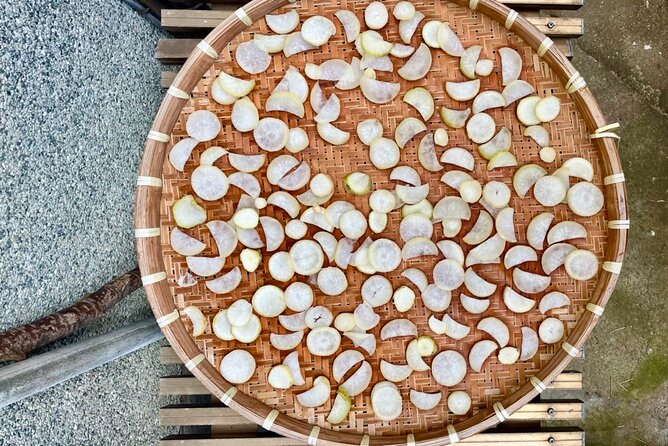
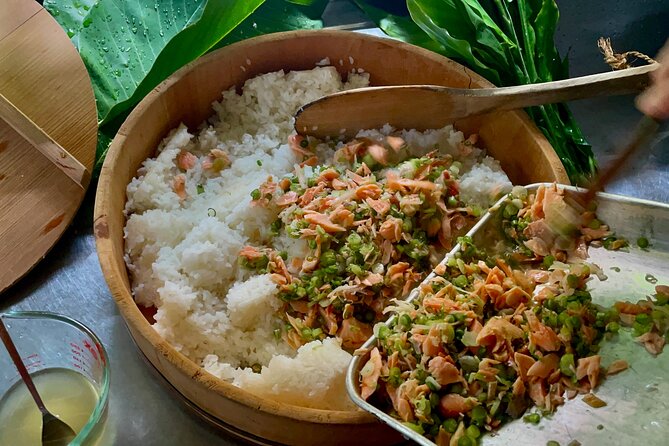
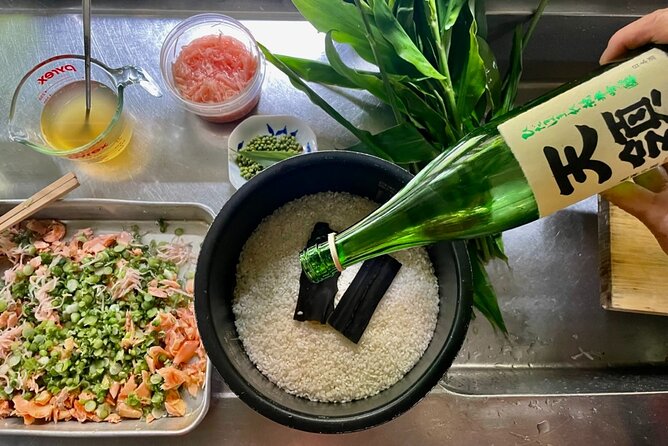
The heart of the class is the cooking itself. You’ll make dashi, explore key ingredients, and then cook five seasonal dishes based on your preferences. Because the menu is seasonal and tailored, your exact lineup may vary by day—but the structure is consistent: foundations first, then a set of dishes that show different sides of home cooking.
Here’s what the flow feels like:
- You start with basics like dashi and core ingredient prep.
- You move into multiple dishes so you get hands-on practice rather than repeating one technique over and over.
- You finish with dessert—fresh seasonal fruit prepared in a distinctly Japanese style.
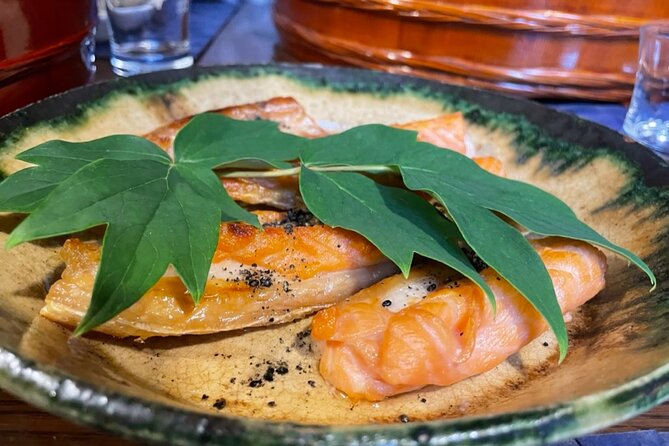
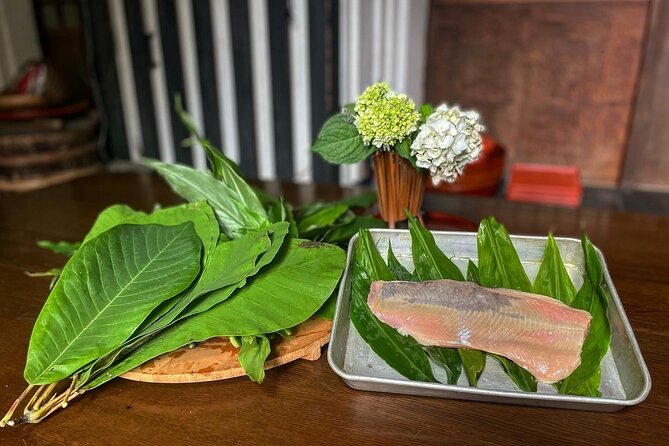
And yes, you’ll likely touch a range of techniques. From examples shared by past participants, classes can include items like sushi rolls, rice ball shaping, Japanese omelette technique, or dumpling and tempura-style cooking. You might also see locally sourced produce and traditional approaches to fish and tofu. The point isn’t just the dish names—it’s the method and how the family cooks from scratch in their own rhythm.
A practical tip: ask questions while you’re standing next to the work surface. The hosts explain tools and ingredients in context, and that’s the fastest way to learn how to recreate flavors back home without turning it into a guessing game.
The menu is seasonal for a reason (not just for romance)
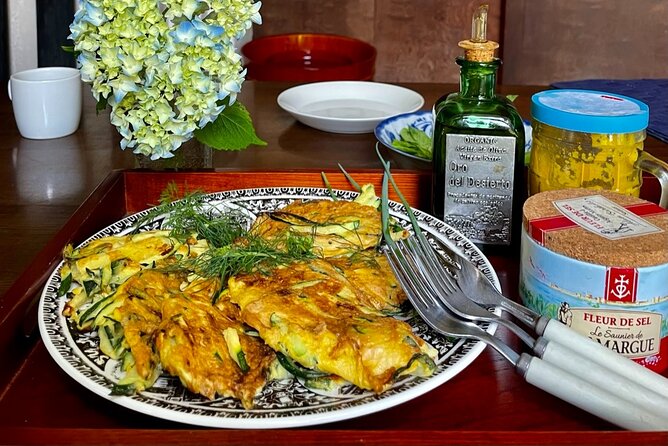
The biggest value here is that the meal isn’t treated like a showpiece. It’s seasonal cooking, shaped by what the Hida region can offer at that time of year. That shows up in the ingredients and in the way the dishes work together—rather than feeling like separate plates with no connection.
You also get flexibility. The class says the five dishes are tailored to your preferences. That means you’re not stuck with a “one menu fits all” approach. If there’s something you want to learn more about—specific ingredient types or cooking styles—this is where the experience can become genuinely personal.
Lunch and dinner options matter, too. If you book the 10:00 AM slot, your lunch is included. If you book the 4:30 PM slot, you’ll have dinner included. Either way, you’ll get coffee and/or tea as part of the experience.
And food quantity is real here. Multiple participants describe meals that are both generous and satisfying, not skimpy tasting portions. You’re cooking and then eating what you make, inside a historic home—so it feels like a full cultural meal, not a snack-and-tour combo.
Talking local life while you cook in Takayama Old Town
Cooking classes can be either food-focused or culture-focused. This one blends both, and the blend is natural because it happens in the home where day-to-day life would happen.
Hisa and Bob share stories about living in the Takayama area and about how their family embraces a slower, seasonal lifestyle in the mountain setting. You also get guided context around the house itself—how the clinic space functioned, and how different parts of the home supported traditional living. Some past participants also noted that there was time to connect food ingredients to how they’re sourced in town, which makes the meal feel less random and more like a local system.
What this does for you as a visitor: it turns Takayama from a place you pass through into a place with texture. You don’t just learn what to eat; you learn why it’s cooked that way and how it fits into a year.
Price and value: what $211.37 is really buying
At $211.37 per person for about 3 hours, the cost isn’t cheap—and that’s okay. You’re paying for access to something you can’t easily recreate: a private cooking lesson in a family home that’s normally closed to the public, taught in English by Hisa and Bob.
In practical terms, the price typically includes:
- A guided welcome with tea and wagashi
- A hands-on cooking session with key instruction (including dashi)
- Cooking five seasonal dishes
- A seasonal fruit dessert
- Coffee and/or tea
- And either lunch (10:00 AM slot) or dinner (4:30 PM slot)
Alcohol isn’t included, so if you care about sake or other drinks, you should treat that as separate from the base package. (In some classes, hosts may offer local sips to try, but the important point is that it’s not built into the included value.)
Why it can still be good value: standard cooking classes often happen in studios with multiple people and less personal teaching. Here, the combination of historic home access, private group format, English explanations, and a full meal you create tends to feel more like a curated evening with real locals than a ticketed activity.
Who should book this class—and who might want a different option
This fits best if you want:
- Japanese home cooking methods, not just a demo
- A private, personal experience rather than a group factory
- A historic setting and local stories tied to what you’re eating
- Diet flexibility, since you can send preferences and restrictions in advance
It’s also a strong choice for foodie travelers, couples, and anyone who’s in Takayama for a day or two and wants one high-impact, memorable evening (or lunch).
You might consider a different option if:
- You prefer large-group activities with more independence and less interaction
- You want a purely restaurant-style meal without the family-home setting
- You’re not comfortable with hands-on cooking in a semi-outdoor space
Should you book the Japanese Cooking Class with Hisa and Bob?
Yes, if you care about doing something you can’t easily copy from a restaurant menu. This class wins on access (a 200-year-old townhouse), on teaching (English-speaking, step-by-step guidance), and on the structure of a full meal (dashi, five seasonal dishes, and dessert).
Book it particularly if your Takayama trip is trying to balance nature and temples with something human and practical—because this is the kind of experience that leaves you with techniques you can use later, plus stories you actually remember.
If you’re deciding between the 10:00 AM lunch and 4:30 PM dinner slots, pick based on your energy and the rest of your day. Lunch is a great “set the tone” meal. Dinner is a cozy reset after Old Town strolling.
FAQ
How long is the Japanese cooking class in Takayama?
It’s approximately 3 hours.
Where does the experience start?
Meet at 93 Kamisannomachi, Takayama, Gifu 506-0846, Japan. It ends back at the same meeting point.
What meals are included?
If you book the 10:00 AM slot, lunch is included. If you book the 4:30 PM slot, dinner is included. Coffee and/or tea are included either way.
Is alcohol included?
No. Alcoholic beverages are not included.
Can the hosts accommodate dietary restrictions?
Yes. You can send requests about food or any restrictions, and the hosts say they are happy to accommodate as much as possible.
Is this a private tour?
Yes. It’s private, and only your group participates.
When will I get confirmation, and is there free cancellation?
You receive confirmation within 48 hours of booking (subject to availability). Free cancellation is available up to 24 hours before the experience’s start time for a full refund.