REVIEW · BANGKOK
Bangkok: Authentic Thai Cooking Class with Local Host
Book on GetYourGuide →Operated by Mahanakorn · Bookable on GetYourGuide
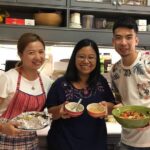
A Thai cooking class beats another night out because spices become a lesson you can taste. This one is run at Mahanakorn Thai Cooking Class near Wat Pak Nam, with hands-on cooking guided in English by Joyce and her team. I really like the fresh ingredients setup and the way the host explains what each spice does so you can actually repeat the flavor at home.
Two things I’d point you toward fast: you cook four dishes in about three hours, and you leave with photos plus a recipe booklet PDF. The only real drawback to keep in mind is timing: you still need to handle your own ride to the meeting point, since transportation isn’t included.
Key details that make this class worth your time
- Small group (up to 8), so you get real attention, not classroom silence
- 4 courses in 3 hours, using fresh ingredients and cooking step-by-step
- English instruction with a host (Joyce) who explains ingredients and methods clearly
- Photos + a PDF recipe booklet so you can recreate the dishes later
- Common vegan/vegetarian adaptations happened in real classes, so ask if that matters to you
In This Review
- Why This Thai Cooking Class Works So Well Near Wat Pak Nam
- What Happens in the 3-Hour Session (From Spice Intro to Dinner Table)
- Step 1: Welcome and the spice-flavor lesson
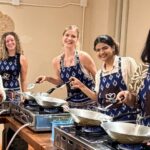
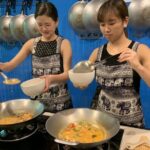
- Step 2: Hands-on cooking under a local chef
- Step 3: Taste along the way, not just at the end
- Step 4: Sit down together to eat your four dishes
- Four Courses You’ll Learn to Cook (And Why These Dishes Teach Thai Flavor)
- The Teaching Style: Small Group, Lots of Ingredient Talk
- Ingredients, Hygiene, and Why the Meal Tastes Better
- Photos, PDFs, and the “Bring It Home” Part That Actually Helps
- Price and Value: Is $38 a Good Deal in Bangkok?
- How to Get There: Wat Pak Nam Walk, BTS, MRT, or Boat
- If you’re near Wat Pak Nam already
- By BTS
- By MRT
- By boat
- What to Bring (So You Don’t Feel Rushed)
- Who Should Book This Class (And Who Might Not)
- Should You Book Mahanakorn Thai Cooking Class?
- FAQ
- FAQ
- How long is the cooking class?
- How many dishes will you cook?
- Is the class beginner-friendly?
- What language is the instructor?
- Is this a small group?
- Where do I meet the group?
- What is included in the price, and what is not?
- What are the cancellation and payment options?
Why This Thai Cooking Class Works So Well Near Wat Pak Nam
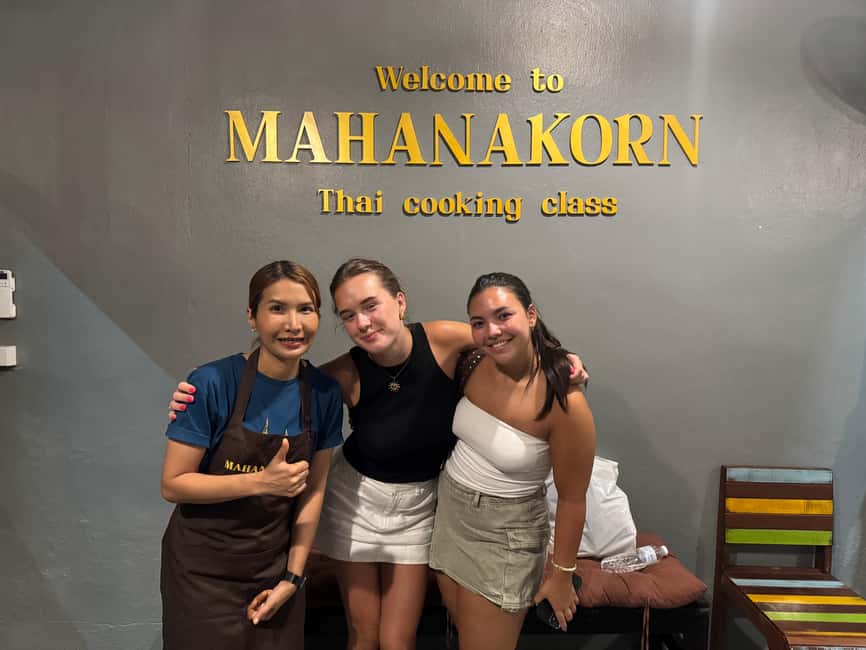
Bangkok has cooking classes everywhere, but not all of them feel tied to the neighborhood. This one lands in the Wat Pak Nam area, and that matters. You get a calmer, local-feeling setting instead of something that feels like a factory for tourists.
The big win is the teaching style. Joyce (English-speaking host/chef-instructor) doesn’t just say mix this, add that. She explains ingredients and spices and how and when to use them. That turns the class from a cooking show into a skill you can carry home.
I also like how the class stays practical. You cook full recipes, then you sit down together and eat what you made. It’s not “snack and photos and bye.” It’s meal-making with real, guided technique.
One small consideration: this is a cooking class, not a full-day excursion. If you want a giant sightseeing itinerary, you might feel shortchanged. But if your goal is to learn Thai cooking in a smart, time-efficient way, 3 hours is a solid sweet spot.
What Happens in the 3-Hour Session (From Spice Intro to Dinner Table)
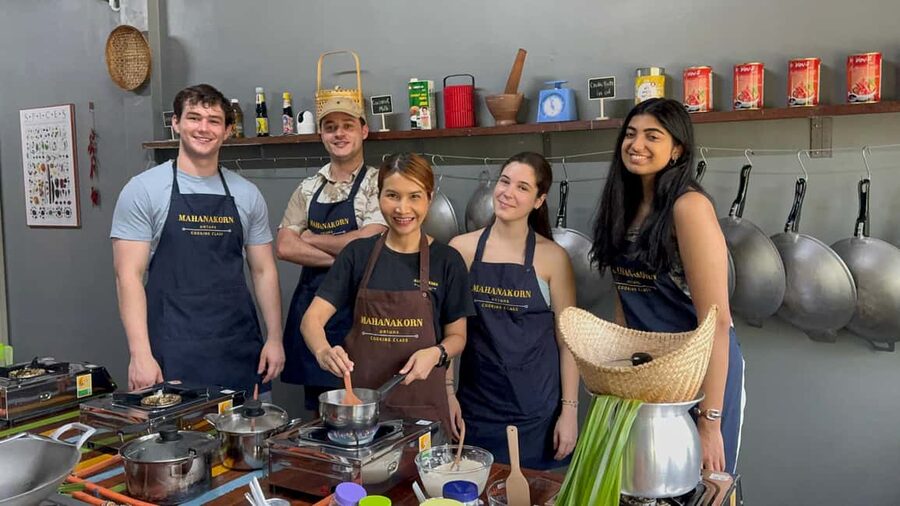
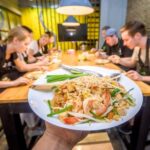
The class is built around a clear rhythm: introduce Thai flavors, cook together hands-on, then share the meal. Most sessions focus on four courses, and in the real dishes people describe, you’ll often see classics like Tom Yum soup, Pad Thai, green curry, and mango sticky rice. The menu can vary, but the structure stays consistent.
You can also read our reviews of more tours and experiences in Bangkok.
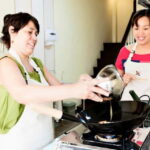
Step 1: Welcome and the spice-flavor lesson
You start with an introduction to Thai cuisine’s spice profile. Expect talk about how Thai flavor is built—sour, sweet, salty, and spicy moving together instead of one-note heat. You’ll also get a guided look at ingredients as you set up to cook.
This part is more useful than it sounds. If you’ve ever eaten Thai food and thought, I can’t recreate that flavor, this is where the mystery starts to clear. People consistently mention that Joyce explains each ingredient and its significance in Thai cooking, not just the recipe steps.
Step 2: Hands-on cooking under a local chef
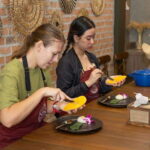
Then the class shifts into active cooking. You’ll chop, stir, and assemble your dishes with equipment and ingredients provided. A standout detail from real sessions: recipes aren’t treated like shortcuts. Some classes include making components from scratch, even down to things like coconut milk and curry paste.
That matters for you because it changes your understanding. When you make curry paste yourself (even if it’s guided), you notice how aroma and flavor deepen as you work. It also helps you avoid the common at-home mistake of relying too much on bottled sauces and bland premixes.
Step 3: Taste along the way, not just at the end
You’re not stuck waiting until the final plating to get feedback. In real classes, the teaching style includes checking flavor along the way, so you can adjust as you go. That is a huge confidence booster if you’re a beginner.
Step 4: Sit down together to eat your four dishes
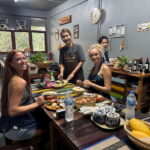
After cooking, you sit down to enjoy the meal. This is when the class clicks. You compare what you did with what you expected, and you start learning what “right” tastes like.
One practical tip: come hungry. One class tip was specifically to avoid eating breakfast beforehand, because you’ll likely need the appetite.
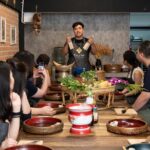
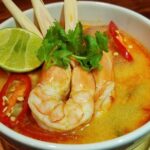

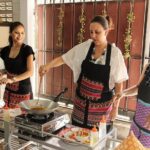


Four Courses You’ll Learn to Cook (And Why These Dishes Teach Thai Flavor)
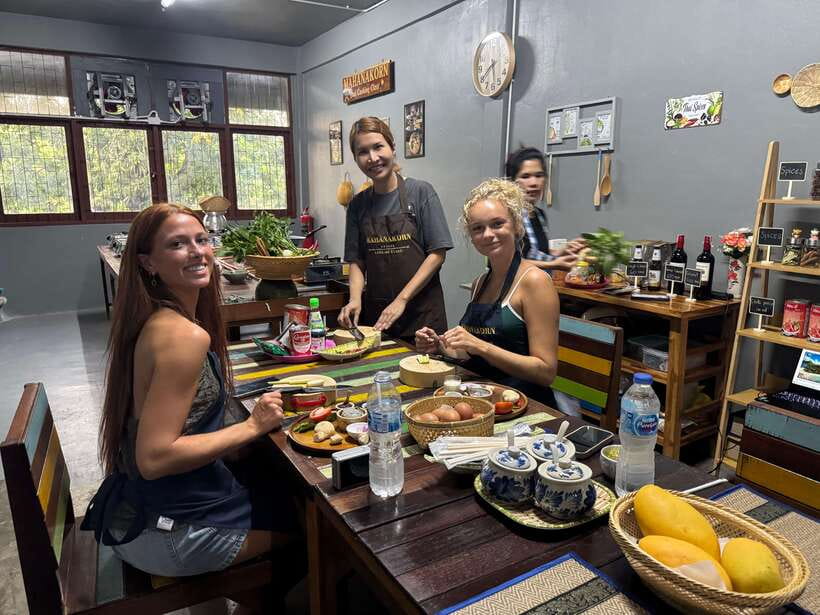
Thai cooking isn’t one technique. It’s a mix of sauces, pastes, balance, and timing. That’s why the four-dish format works.
Here’s what you’ll likely cook based on the consistent dishes described across real sessions:
- Tom Yum soup: A clear lesson in sour-spicy balance and aromatic herbs
- Pad Thai: A practical intro to stir-fry timing and the sweet-salty tang that drives the dish
- Green curry: A hands-on way to understand curry paste flavor depth and coconut-based richness
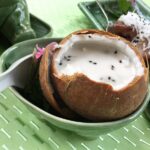
- Mango sticky rice: A simple, satisfying dessert that shows Thai sweetness and texture control
You may also see variants like chicken in a curry sauce or other curry/stir-fry combinations. The core value is the range: soup, noodle/stir-fry, curry, and dessert. That gives you multiple building blocks for Thai flavor.
Also worth noting: classes can be adapted. In real cases, Joyce adapted an entire class to be fully vegan, and other sessions included vegetarian options. If you have dietary needs or allergies, it’s worth mentioning them when you book so the team can plan what’s possible.
The Teaching Style: Small Group, Lots of Ingredient Talk
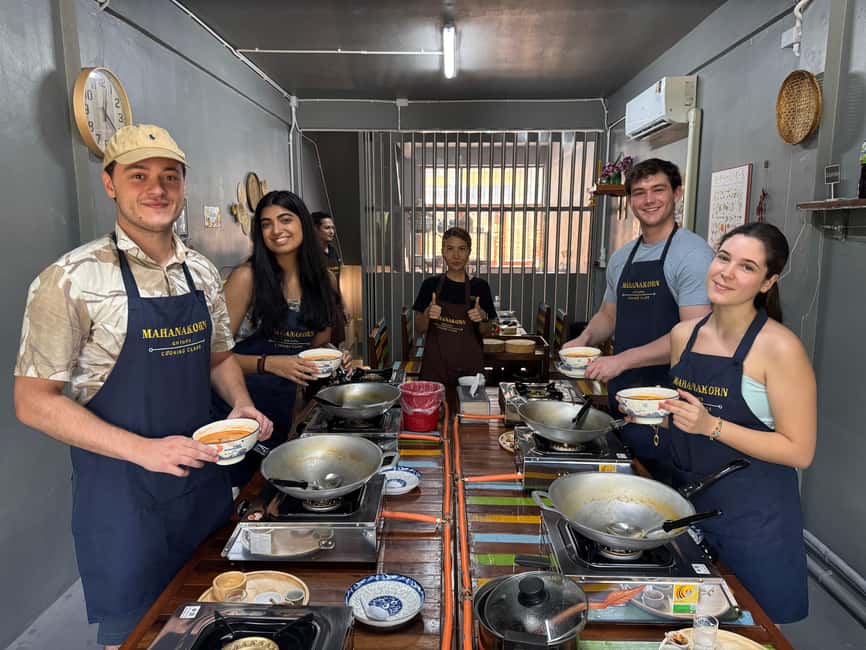
This is a small class, limited to 8 participants. That means you’re not competing for attention, and you’re not just watching. You work at your station, ask questions, and get answers.
In addition, Joyce’s teaching style comes through in the details people highlight. They describe her as warm, welcoming, and funny, and they also mention that she’s very clear about ingredients and methods. It’s not dry lecture. It’s explanation with purpose.
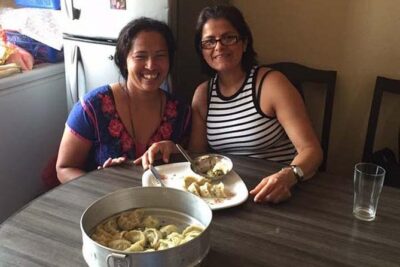
There’s also a personal vibe. Some sessions were effectively private when only one person booked that day. If you like one-on-one teaching, this group size gives you that chance more often than bigger cooking schools.
And because you cook for real, you learn the “why,” not just the steps:
- Which ingredients show up in Thai kitchens
- How spice levels are built
- When to add aromatics for fragrance versus when to let flavors mellow
That last point matters. A lot of Thai cooking success is about timing—especially for herbs and spice pastes.
Ingredients, Hygiene, and Why the Meal Tastes Better
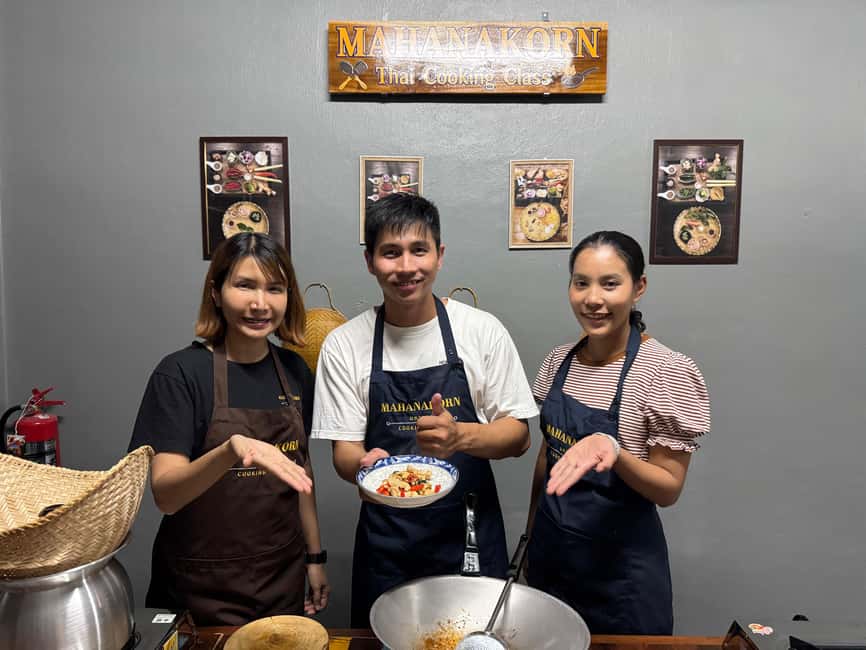
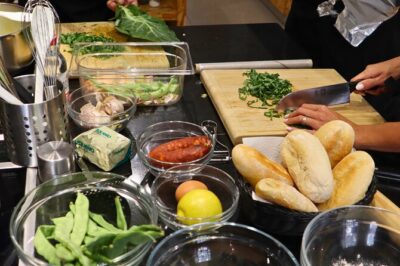
One reason people rave about this class is ingredient quality. The format sets you up with fresh, local ingredients and cooking/hygiene equipment. Even the venue experience shows up in feedback: a clean, well-decorated space with air conditioning.
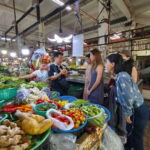
The freshness piece isn’t just about taste. It’s about learning. When you handle real fresh herbs and spices, you start recognizing them by smell and texture. That’s what makes you better at cooking after the class.
If you like to learn by doing, this one gives you that. More than one person mentioned that the ingredients were set up and presented clearly, with everything ready for hands-on cooking. That reduces stress and lets you focus on technique.
Photos, PDFs, and the “Bring It Home” Part That Actually Helps
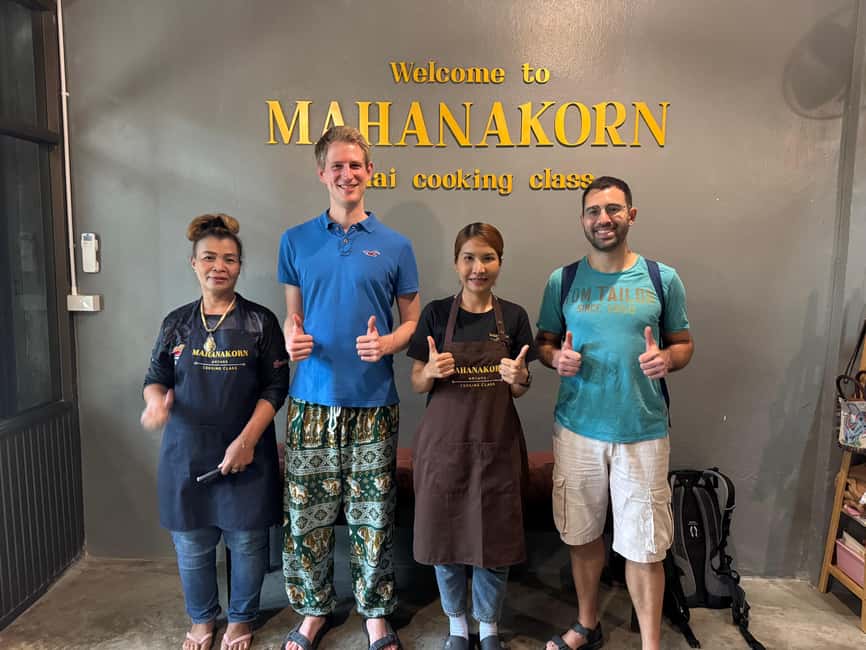
Most cooking classes end when you wipe down your station. This one gives you a take-home memory trail that’s genuinely useful.
Included in the experience:
- Photos from your experience
- A recipe booklet (PDF)
Real classes add extra value: people mention receiving a digital photo album of memories and even getting a Thai cookbook of the day’s recipes. If you’re the type who forgets details fast, these extras make a big difference.
You’ll also leave with a clearer sense of how the dishes should taste. Then, later at home, you can compare your results to what you learned—rather than starting from a random recipe screenshot.
Price and Value: Is $38 a Good Deal in Bangkok?
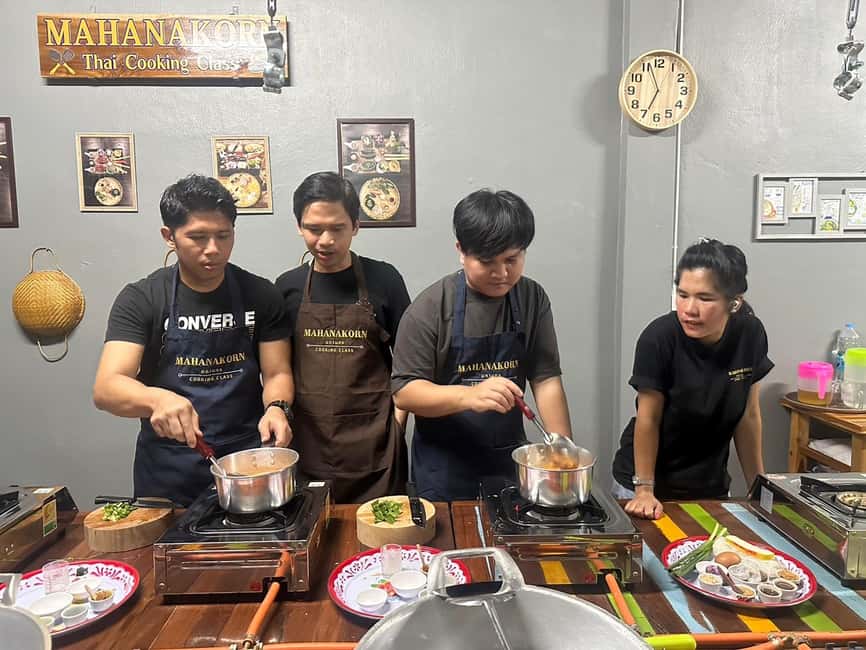
At $38 per person for a 3-hour, four-course Thai cooking class, this lands in the “serious value” zone for Bangkok. Here’s why.
You’re not only paying for someone to explain recipes. You get:
- Fresh ingredient handling and instruction
- Cooking and hygiene equipment
- Bottled water
- A guide
- Photos from the experience
- A PDF recipe booklet
And the key ingredient is learning time. You’re actively cooking, not just tasting. If you compare it to the cost of a nice Thai meal plus a cooking workshop elsewhere, $38 starts to look fair fast—especially with the included take-home materials.
One note: alcohol beverages aren’t included. If you’re used to pairing dinner with drinks, plan on skipping alcohol here or handling it separately.
How to Get There: Wat Pak Nam Walk, BTS, MRT, or Boat
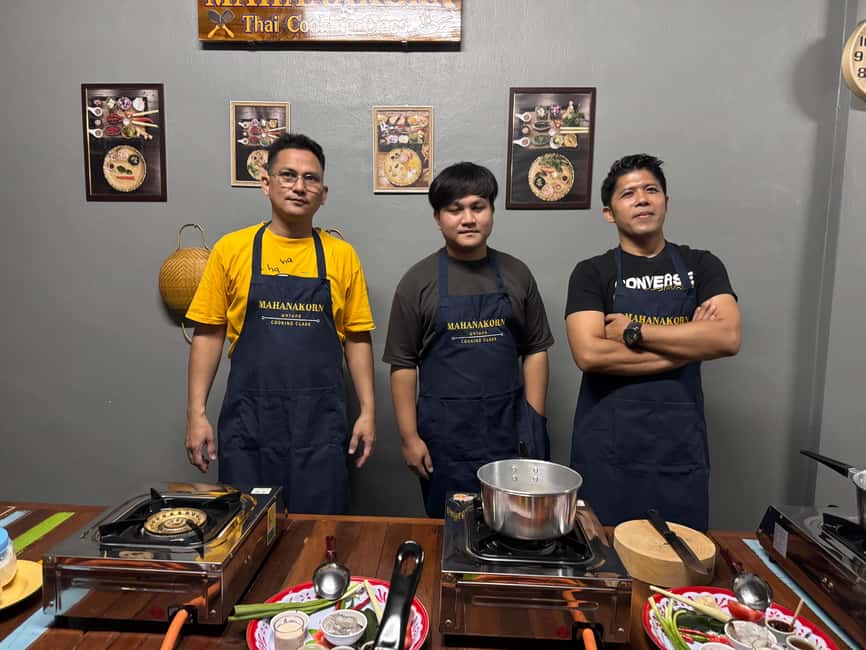
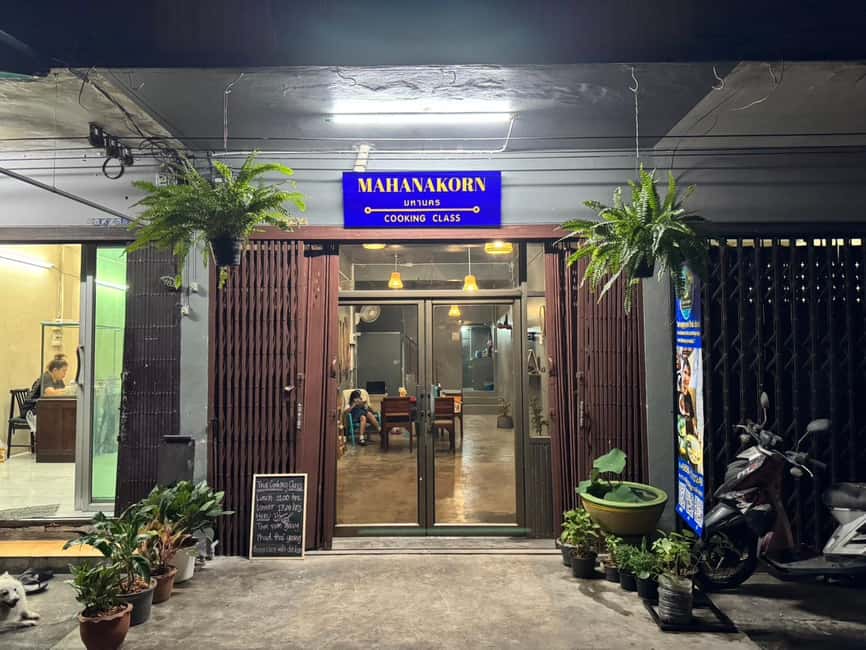
Getting to Mahanakorn Thai Cooking Class is part of your prep, especially because transportation isn’t included.
If you’re near Wat Pak Nam already
If you’re visiting Wat Pak Nam, the walk is about 5 minutes. From the Big Buddha statue, walk out through the temple gates. Turn left onto Ratchamongkhon Prasat Road, keep going straight (it crosses a small bridge). After crossing the canal, Mahanakorn Thai Cooking Class is on your left.
This is the easiest option if you’re already doing temple time that day.
By BTS
Take BTS Skytrain to Wutthakat Station (Exit 2). From there, it’s a short 5–10 minute taxi or motorbike ride to the class.
By MRT
Take MRT to Bang Phai Station, then a short taxi or motorbike ride.
By boat
Take the Chao Phraya River Express to Phasi Charoen Pier, then a short tuk-tuk or taxi ride.
Practical move: if your day includes temple visits, build your schedule so you can walk in. It saves time and keeps you relaxed.
What to Bring (So You Don’t Feel Rushed)
Bring:
- Comfortable shoes (you’ll be moving and standing)
- Camera (or your phone)
- Water
- Comfortable clothes
The class includes bottled water, so you’re covered, but having your own water helps if you’re arriving from a hot walk or waiting for transport.
If you’re camera-ready, you’ll also appreciate the fact that the team takes lots of photos during the session. One consistent detail: people mention getting many pictures, and some mention video/photo capture so they can focus on cooking.
Who Should Book This Class (And Who Might Not)
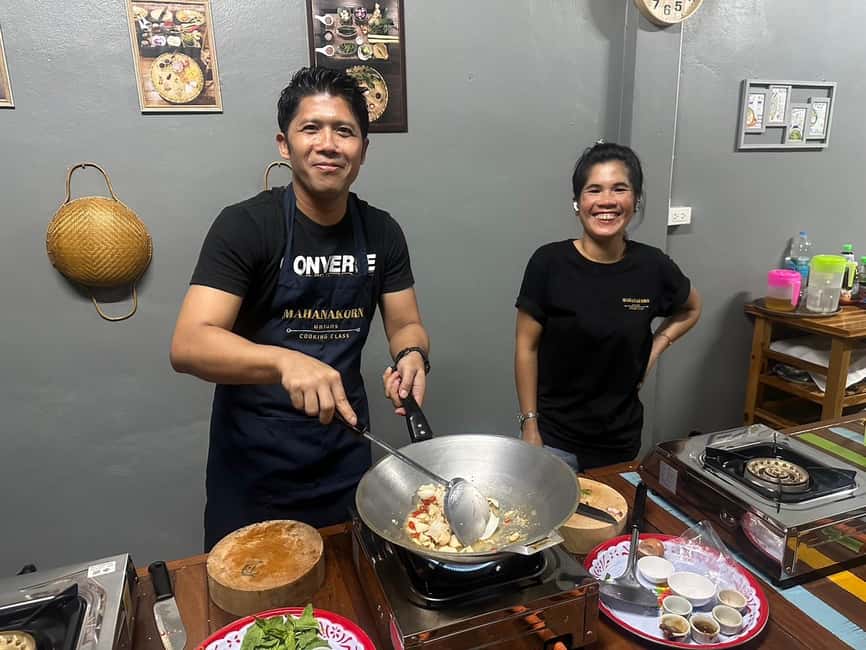
This class is a great fit if you:
- Want to learn Thai cooking basics with hands-on guidance
- Are a beginner who needs clear ingredient explanations
- Prefer small group learning with English instruction
- Like the idea of leaving with a PDF recipe booklet and photos
It’s also a solid option if you care about dietary flexibility. In real classes, Joyce adapted recipes for vegan and vegetarian needs, and some sessions were able to accommodate allergy requests. Still, don’t assume every restriction can be handled—message your needs when you book so they can confirm what’s possible.
You might choose a different activity if you:
- Want a long day of sightseeing (this is focused and time-efficient)
- Want transportation included (you’ll handle that part)
Should You Book Mahanakorn Thai Cooking Class?
Yes—if your goal is to learn Thai cooking in a way you can repeat. The combination of four courses, small group size, English-friendly instruction, and take-home materials is strong value for Bangkok. I especially like the way Joyce explains spices and how to use them, because that’s what turns the experience into real skill, not just a meal.
Book it early in your trip if you can. You’ll start noticing Thai flavors in restaurants afterward, and you’ll understand what you’re tasting.
FAQ
FAQ
How long is the cooking class?
It lasts 3 hours.
How many dishes will you cook?
You’ll cook 4 courses.
Is the class beginner-friendly?
Yes. It’s suitable for beginners as well as food enthusiasts.
What language is the instructor?
The instructor teaches in English.
Is this a small group?
Yes. It’s limited to 8 participants.
Where do I meet the group?
Meet directly at Mahanakorn Thai Cooking Class.
What is included in the price, and what is not?
Included: the Thai cooking class (4 courses), bottled water, cooking and hygiene equipment, a guide, fresh ingredients, photos, and a recipe booklet (PDF). Not included: transportation to and from the activity location, and alcohol beverages.
What are the cancellation and payment options?
You can cancel up to 24 hours in advance for a full refund. You can also reserve now and pay later to keep your plans flexible.