REVIEW · ELLA SRI LANKA
Ella Sri Lanka : Mom’s Kitchen Cooking class
Book on GetYourGuide →Operated by Ella : Mom's kitchen cooking class ( flavours of tradition ) · Bookable on GetYourGuide
Woodfire Sri Lankan cooking feels like a family visit. In Ella at Mom’s Kitchen, you’ll learn traditional rice-and-curry techniques on a real outdoor setup, with lots of time at the stove and a communal meal at the end.
Two things I really like: it’s taught as practical home-cooking you can repeat (not just watching), and the mother-daughter hosts bring a warm, English-friendly teaching style that keeps you moving step by step. The one catch to consider is that it runs as a small 2-hour class in a home-style environment—so if you want a super formal, fine-dining setup, this won’t match that vibe.
In This Review
- Key things to know before you go
- Ella’s Mom’s Kitchen: what you’re really signing up for
- The class flow: welcome, kitchen tour, then hands-on cooking
- Outdoor cooking in Ella: woodfire smell and real technique
- What you’ll cook: curries, sambol, rice, dhal, and poppadoms
- The mother-daughter hosts: why their teaching style matters
- How the skills translate to cooking at home
- Views, nature, and comfort: what the setting feels like
- Price and value: is $20 worth it in Ella?
- Who should book this (and who might want a different style)
- Practical tips so you get the most from the 2 hours
- Should you book Mom’s Kitchen in Ella?
- FAQ
- How long is the Ella Mom’s Kitchen Cooking class?
- How much does it cost?
- How many people are in each class?
- Is the meal included?
- Is the class mostly indoors or outdoors?
- What’s the cancellation and payment flexibility?
Key things to know before you go
- Woodfire + traditional tools: cooking over fire and using methods like grinding and stone rolling
- Small group size (up to 6): more hands-on time and better Q&A
- Several curries plus sides: commonly including sambol, rice, dhal, and poppadoms
- Simple spice strategy: you learn how the same spice base can create different flavors
- Mother-daughter instruction in good English: clear explanations (Irosha is highlighted for strong English)
- You eat what you make: a shared meal right after cooking
Ella’s Mom’s Kitchen: what you’re really signing up for
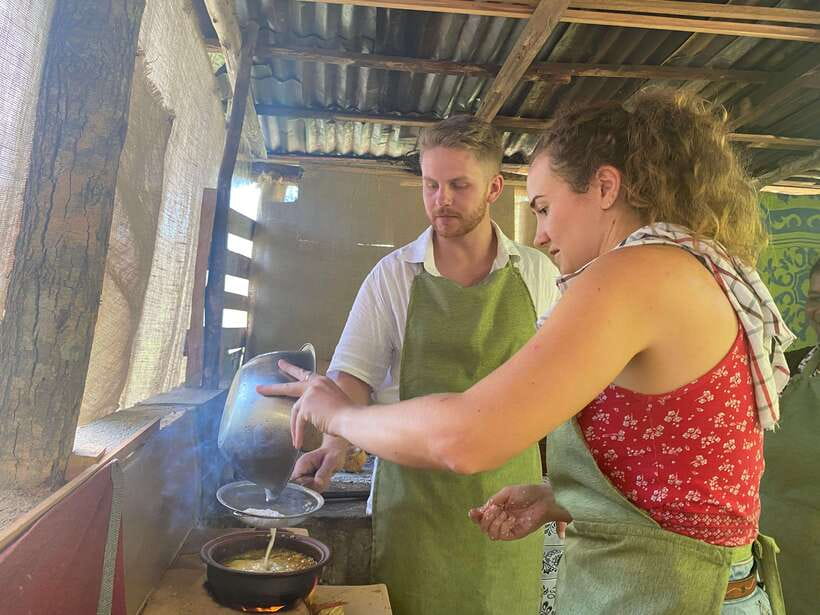
This class is all about doing, not just tasting. At Mom’s Kitchen Cooking class in Ella, you’ll spend about 2 hours learning traditional Sri Lankan cooking in a home-style setting that mixes indoor and outdoor work. The focus is on real ingredients and techniques—things you can understand quickly and then reproduce later.
A big part of the appeal is that the hosts don’t treat this like a performance. They teach you how the pieces fit together: how spices behave, why certain ingredients go in at the right moment, and how you can get satisfying results even when you’re cooking with only a few core ingredients. The small-group format (limited to 6 participants) matters here because it keeps the class interactive instead of crowded.
One more reason it feels special: the hosts are a mother-daughter team, and names come up again and again in the experience description—Kamala (the mother) and Irosha (the daughter). Irosha is described as speaking English very well, and the teaching style is patient, practical, and built around getting you involved.
You can also read our reviews of more tours and experiences in Ella Sri Lanka.
The class flow: welcome, kitchen tour, then hands-on cooking
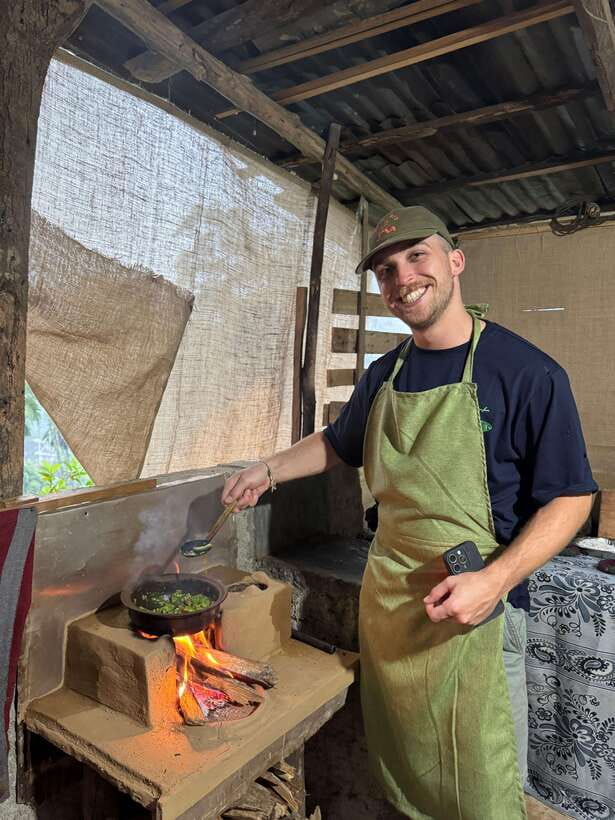
Your experience starts with a warm welcome and a quick setup of what you’ll be doing that day. You’ll get an intro to the dishes you’ll cook and learn the cultural and historical significance behind ingredients and techniques, not just the recipe format.
Next comes a short kitchen tour so you recognize the tools and the ingredient list before you start cooking. This helps more than you’d think. Once you know what you’re working with—spices, fresh local produce, and traditional utensils—you move faster at the stove and feel less like you’re following a maze.
Then the real work begins: you’ll be actively involved in prep and cooking. Expect plenty of tasks that feel physical and satisfying:
- careful chopping and preparation of fresh ingredients
- kneading or working with dough when the menu includes it
- stirring, frying, and building curry flavor step by step
- learning timing tricks that make the difference between “good” and “restaurant-level”
Throughout, there’s room for questions. The pacing also seems designed to handle different comfort levels in the kitchen—people are described as being patient and keeping instructions clear.
Outdoor cooking in Ella: woodfire smell and real technique
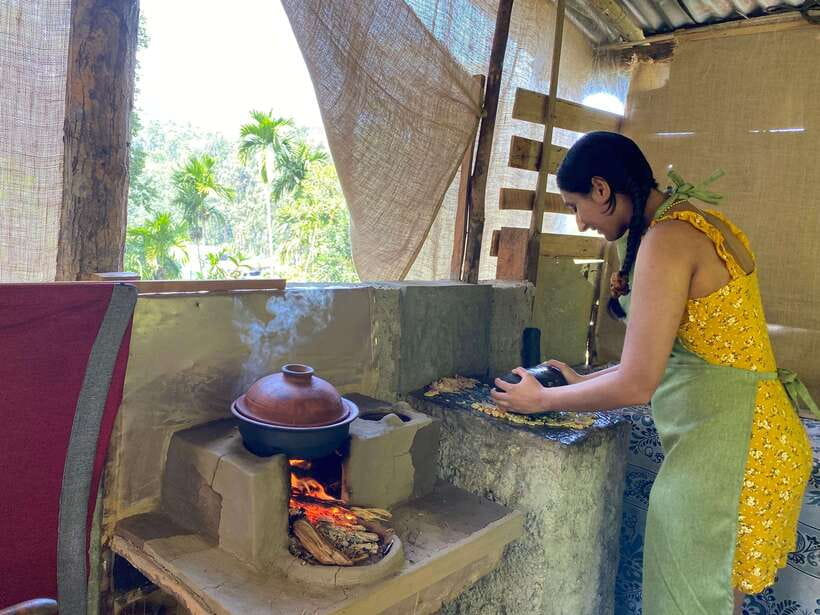
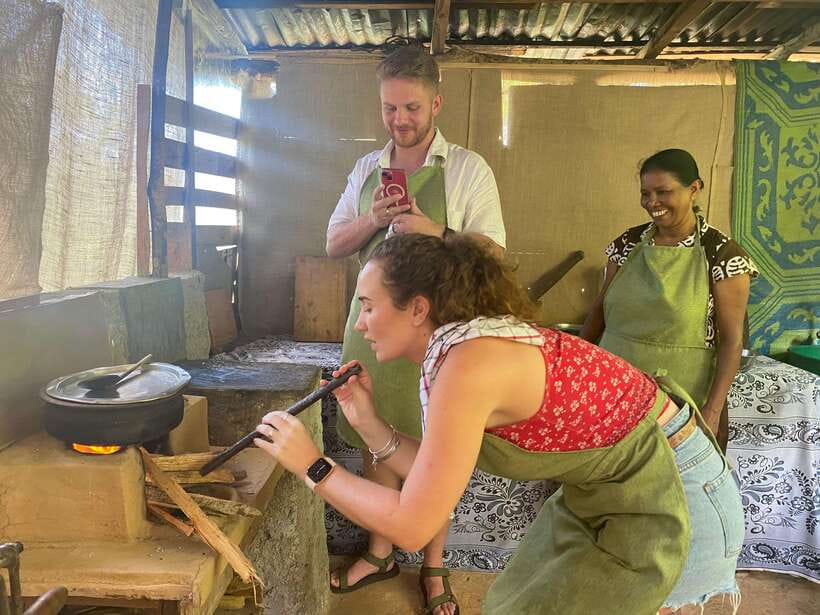
One reason this class earns strong recommendations is the setting. The cooking is described as authentic outdoor kitchen work, often over a woodfire stove, with traditional Sri Lankan techniques. That means you’re not just tasting the flavors—you’re experiencing how the cooking process creates them.
You’ll also get hands-on exposure to traditional tools and methods. Several descriptions mention grinding and stone rolling, which are the kinds of steps that teach technique better than any written recipe. When you handle the ingredients yourself—crushed, ground, or worked—you understand what the final curry is supposed to feel like and look like.
The atmosphere is also tied to the outdoors. One review mentions birds and even a squirrel visiting during dinner. Another notes the class still worked out well even with torrential rain—so you’re not signing up for a fragile, weather-dependent plan that collapses the minute clouds show up.
What you’ll cook: curries, sambol, rice, dhal, and poppadoms
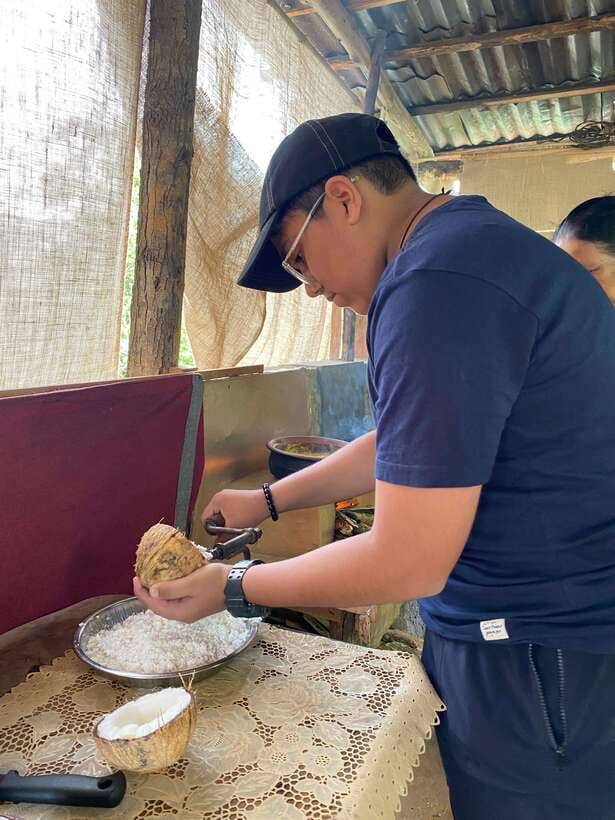
The menu can vary slightly, but the overall structure is consistent: multiple courses, usually centered on curries, plus side dishes that complete the meal.
Here’s what you can reasonably expect to see in the lineup based on the class descriptions:
- Several curries (many people mention multiple curries, commonly around four; others mention five)
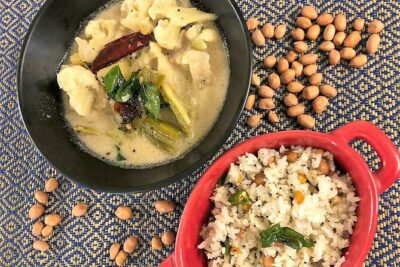
- Coconut sambol (a frequent standout side)
- Rice
- Dhal
- Poppadoms
- Plus additional curry options that can include ingredients like mango, bean, beetroot, and chicken
One of the smartest teaching ideas in this class is that a lot of the cooking uses the same spice foundation, but each dish ends up tasting distinct. That’s exactly what makes this valuable for cooking at home: you learn the logic of the spice base, not just a one-off recipe.
If you love curry culture, this is the kind of class where the smell alone tells you you’re in the right place—garlic in hot coconut oil, spice aromas rising while you stir, and that woodfire heat that changes how things cook. It’s also a good reminder that Sri Lankan flavor isn’t built on complicated ingredient lists. It’s built on technique and timing with a few key players.
The mother-daughter hosts: why their teaching style matters
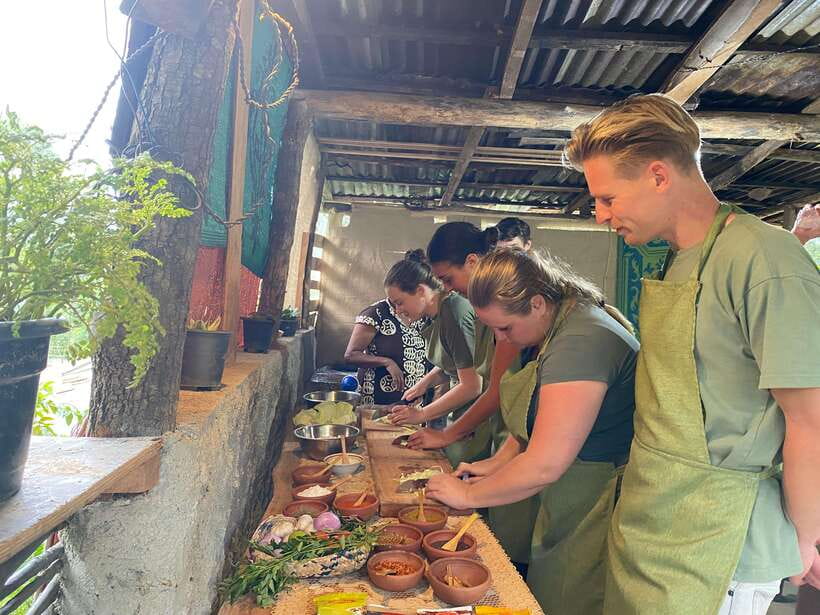
Irosha and Kamala aren’t just friendly. Their presence shapes the quality of the lesson.
First, language support is a real advantage. Irosha’s English is specifically highlighted in multiple descriptions, and the class instructions are described as clear and easy to follow. That matters because cooking classes fail when you don’t understand what’s happening at each step. Here, you’re learning technique you can actually repeat later.
Second, they’re described as patient. If you’ve ever felt flustered in a hands-on class—too hot, too fast, too many steps—this setup sounds designed to prevent that. People report getting involved throughout, not just standing around.
Third, you get more than recipe steps. The hosts explain origins and the cultural nuances tied to ingredients and methods. That doesn’t mean it becomes a lecture. It’s more like why the recipe behaves a certain way, so your cooking makes sense while you’re doing it.
How the skills translate to cooking at home
The best cooking classes change your habits. This one is built to help you reproduce the flavors without needing a full Sri Lankan pantry.
A few things you’ll likely take away:
- Time-saving kitchen tips that reduce fiddly work later
- Understanding how curry flavor layers build—so you aren’t guessing when to add what
- Confidence with traditional techniques (like grinding or using particular textures), so your results don’t feel flat
One detail that’s especially helpful for home cooks: at least one person reports receiving the recipes afterward, shared via WhatsApp. Even if you forget small steps in the moment, having a written reference later can turn this from a fun day into a repeatable skill.
Also, because multiple dishes use a shared spice approach, you’ll probably leave with a stronger grasp of how to adjust spice balance. That’s the difference between following a recipe perfectly and making something taste like you meant it to.
Views, nature, and comfort: what the setting feels like
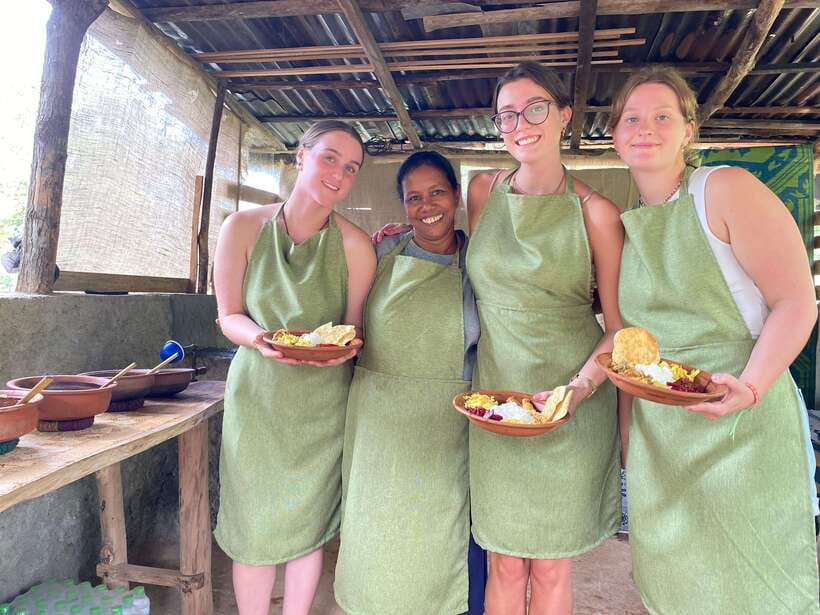
Ella’s outdoors can be gorgeous, and the class leans into that. Many descriptions mention views alongside the cooking setup, with nature all around. It’s not a sterile kitchen studio. It feels more like you’re being invited into someone’s real life—and their real cooking.
That said, it’s still a working cooking space. Plan to get a little messy and expect normal home-kitchen realities: active chopping, hot pans, and moving between prep areas. If you prefer totally controlled conditions, you might find the home-style workflow less predictable than a glossy, commercial kitchen.
The good news: the cooking area is described as clean, and hygiene care is specifically mentioned. So you’re not giving up comfort for authenticity.
Price and value: is $20 worth it in Ella?
At about $20 per person for a 2-hour class that includes meal and locally sourced ingredients, the value is strong—especially because the experience is hands-on and capped at small group size (up to 6).
Here’s how to think about it:
- You’re paying for direct instruction plus ingredients plus the meal result.
- You’re not just sampling—you’re learning how to cook multiple dishes.
- You leave with at least the mental framework (and possibly recipe messages afterward) to recreate the flavors.
Where it might not feel like a bargain is if you only want one simple curry or you’re looking for a long, detailed cooking workshop. But the class is positioned as short and practical: quick to learn, easy to use later.
If you’re already in Ella and want one memorable food-focused activity that also teaches real cooking skills, this is one of the better matches at this price point.
Who should book this (and who might want a different style)
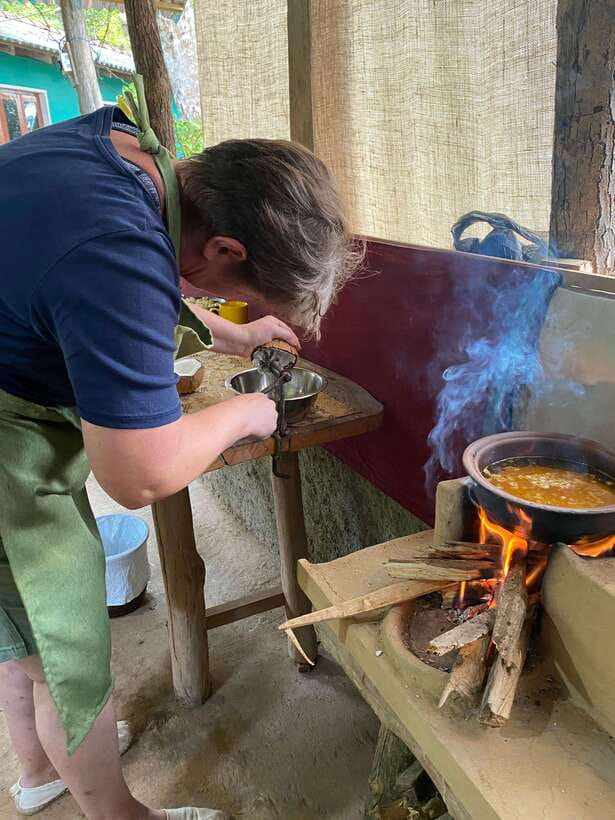
This class is a great fit if:
- you want to cook Sri Lankan curries hands-on
- you like learning technique, not just collecting photos
- you’re traveling in a small group or solo and want real interaction
- you enjoy home-style hospitality and don’t need everything to be perfectly scripted
It might be less ideal if:
- you dislike outdoor cooking setups
- you need a very formal classroom structure
- you only want to watch and taste without chopping/stirring tasks
Also, if you’re traveling with a parent or family member, it can be a fun bonding activity. The mother-daughter team dynamic comes through in the teaching and the welcoming atmosphere.
Practical tips so you get the most from the 2 hours
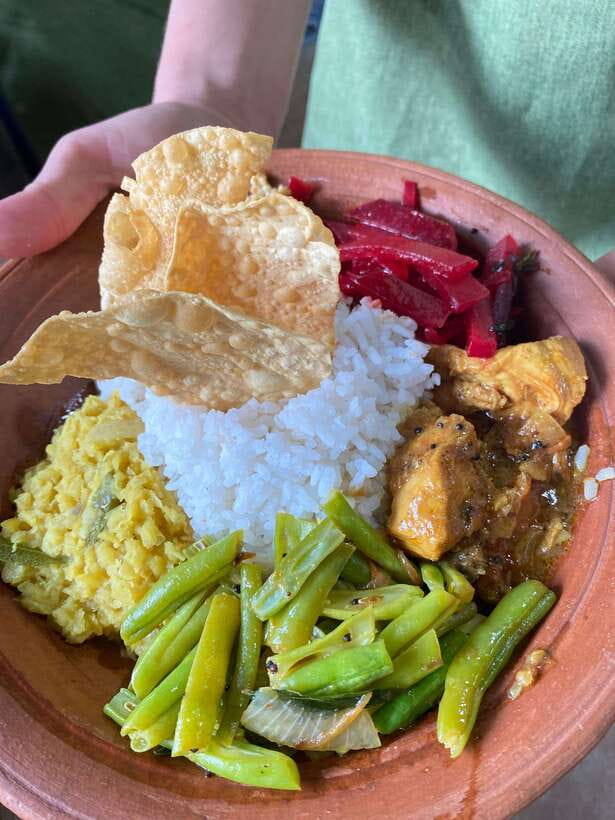
You’ll enjoy this more if you come ready to work a bit and learn quickly. A few practical moves:
- Wear something you can comfortably get warm and slightly messy in.
- Bring your curiosity. Ask what matters most to you: spice balance, timing, or how to recreate texture at home.
- If you want to cook the same dishes later, focus on learning the shared spice base and the order of steps.
- After the class, save any recipe info you receive (like messages shared afterward) so it’s easier to cook again without guessing.
If rain happens, don’t panic. One description specifically notes the class stayed enjoyable even with heavy rain, so the hosts seem prepared to keep the experience going.
Should you book Mom’s Kitchen in Ella?
Yes—if you want a hands-on Sri Lankan cooking experience that feels personal, practical, and genuinely tied to real home cooking. The strong points are clear: woodfire/traditional methods, small group interaction, and a teaching style that makes recipes usable at home. The meal at the end also means you’re not waiting until the end of the day to see results.
I’d skip it only if you’re looking for a long, polished, restaurant-style class where you mainly watch from a distance. Otherwise, this is a smart way to spend a morning or afternoon in Ella: you’ll learn how curry flavor is built, and you’ll walk away with a meal you cooked yourself—plus skills you can actually use.
FAQ
How long is the Ella Mom’s Kitchen Cooking class?
The class lasts 2 hours. Starting times vary, so you’ll want to check availability for the specific schedule.
How much does it cost?
The price is $20 per person.
How many people are in each class?
This is a small group experience limited to 6 participants.
Is the meal included?
Yes. The class includes a meal, so you’ll eat what you help cook.
Is the class mostly indoors or outdoors?
The experience includes an authentic outdoor kitchen setup, with traditional cooking techniques described as being used over fire.
What’s the cancellation and payment flexibility?
You can cancel up to 24 hours in advance for a full refund. There’s also reserve now & pay later to keep your travel plans flexible.