REVIEW · DA NANG
Vietnamese cooking class and coffee making with local girl
Book on GetYourGuide →Operated by Rosie's home · Bookable on GetYourGuide
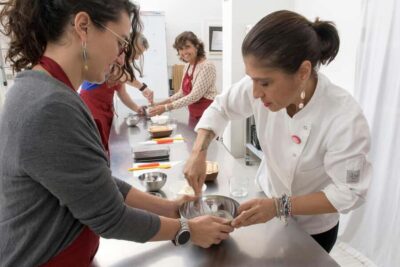
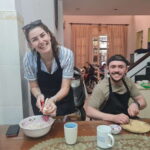
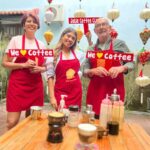
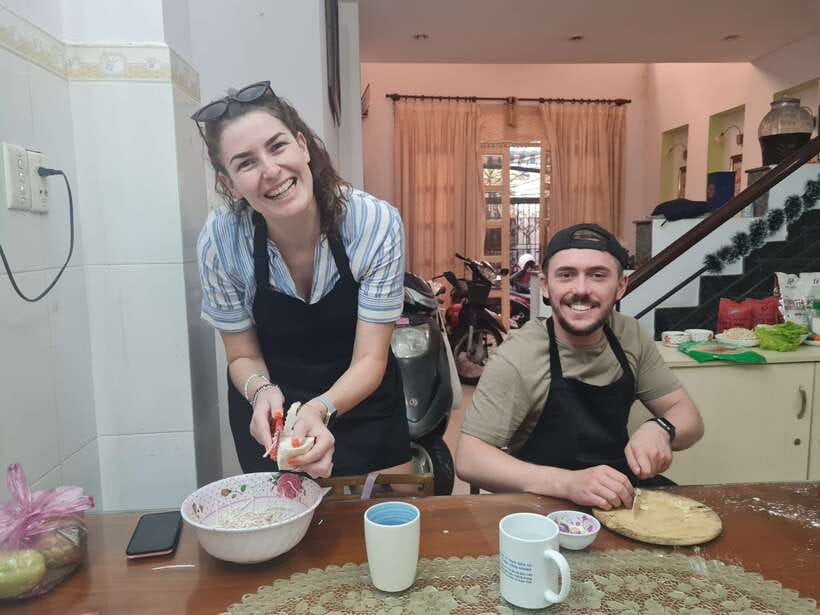
Cooking class with a local host feels personal. In Da Nang, I love how Rosie teaches you hands-on Vietnamese cooking in her own kitchen, not a demo-styled classroom, and you finish by making traditional Vietnamese coffee yourself. Two dishes go from ingredients to your plate with clear guidance, plus you get to relax and eat what you make together.
The other thing I really like is the pacing: you’re not rushed. Rosie keeps the steps simple, and the vibe stays friendly even if you’ve never cooked Vietnamese food before. The setup is small group, limited to 6 people, so you can actually ask questions and get help without waiting your turn.
One thing to consider: the menu includes options like phở, bánh xèo, and Quang noodles, so the exact dishes you cook can depend on what’s planned for your session. If you have a strong must-cook preference, it’s worth messaging ahead.
In This Review
- Quick Highlights You Can Plan Around
- A Da Nang Vietnamese Cooking Class That’s Actually Practical
- What You’ll Cook: The Dishes and the Skills Behind Them
- The first dish: phở, bánh xèo, or Quang noodles
- The second dish: fried spring rolls or fresh spring rolls
- Rosie’s Hands-On Teaching Style (And Why It Works)
- Vietnamese Coffee Making: The Skill You’ll Actually Reuse
- What the Meal Feels Like: Cozy Kitchen, Real Eating Time
- Vegan, Allergies, and Special Requests: How to Make It Work for You
- Price and Value: Is $40 Reasonable for a 2.5-Hour Class?
- Timing in Da Nang: Why the 2.5 Hours Feels Right
- Who This Class Is Best For (And Who Might Skip It)
- Should You Book This Vietnamese Cooking and Coffee Class in Da Nang?
- FAQ
- How long is the Vietnamese cooking class and coffee making session?
- How much does it cost?
- Where does the class take place?
- How many people are in the group?
- Is the class taught in English?
- What dishes are included?
- Do you get Vietnamese coffee or can you choose another drink?
- Can they accommodate vegan or dietary restrictions?
Quick Highlights You Can Plan Around
- Small group (max 6): more one-on-one help during cooking and coffee
- Two iconic dishes: you’ll learn how to make Vietnamese favorites from scratch
- Traditional coffee skill: learn the method behind Vietnamese iced coffee
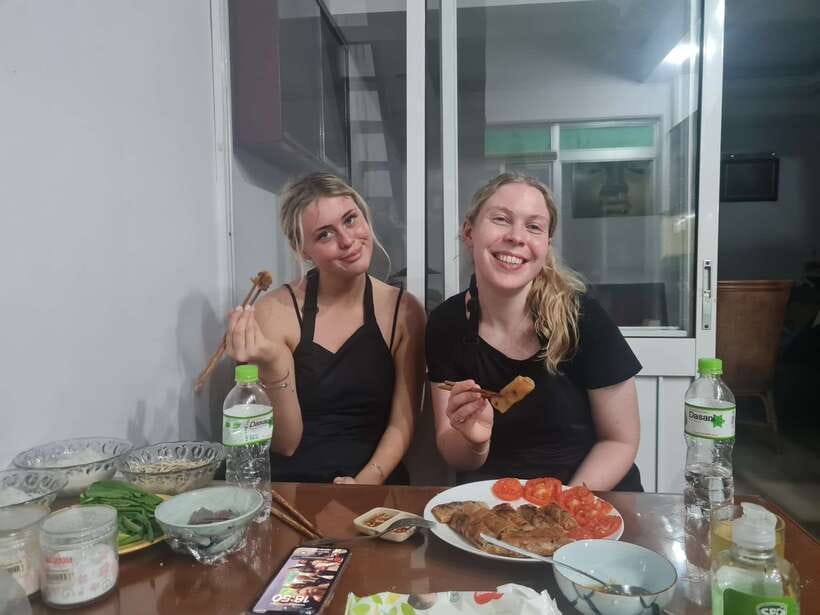
- Eat together in a cozy kitchen: the tasting is part of the class, not an afterthought
- Dietary options: vegan/vegetarian is available, and restrictions can be accommodated
- English guidance: the host works in English, with careful step-by-step instruction
A Da Nang Vietnamese Cooking Class That’s Actually Practical
If you’re in Da Nang and you want more than a quick street-snack stop, this is one of the better formats. You’re not just tasting Vietnamese food—you’re learning what makes it work: how ingredients combine, when to adjust, and how to build the flavors you already love from local restaurants.
It’s also a smart choice if you like food but hate guesswork. A lot of cooking classes throw you into chaos. Here, you’ll be guided through each step, using fresh local ingredients, and you’ll get to sit down right after and eat your own meal. That rhythm matters: you’re learning in the moment, not trying to remember instructions days later.
And yes, cooking with a local host adds another layer. Rosie’s home kitchen setting gives the class a lived-in feel, not a staged studio. That’s usually when the best questions come up—like why certain flavors are used, or what makes Vietnamese coffee different from other coffee styles.
You can also read our reviews of more tours and experiences in Da Nang.
What You’ll Cook: The Dishes and the Skills Behind Them
Your class centers on making two Vietnamese dishes that people genuinely talk about for good reason. The menu is designed so you’ll get both savory “main event” comfort and the satisfying crunch/comfort of spring rolls.
The first dish: phở, bánh xèo, or Quang noodles
You’ll learn to cook one of these iconic options:
- Phở (beef noodles)
- Bánh xèo (Vietnamese pancake)
- Quang noodles
This is a nice mix because they teach different techniques. Phở is all about flavor balance and building a broth-based noodle experience. Bánh xèo is about batter and cooking until it gets crisp while staying flavorful and tender inside. Quang noodles are their own style, so you’ll learn a different Vietnamese noodle identity rather than just repeating the same dish with a different name.
Even if you’re not the type who wants to become a “noodle expert,” it’s still valuable. You’ll come away with a sense of how Vietnamese cuisine is structured—comfort foods that are deeply flavored, but not complicated when broken into steps.
The second dish: fried spring rolls or fresh spring rolls
Next up, you’ll make spring rolls in one of two styles:
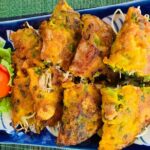
- Fried spring rolls
- Fresh spring rolls
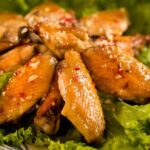
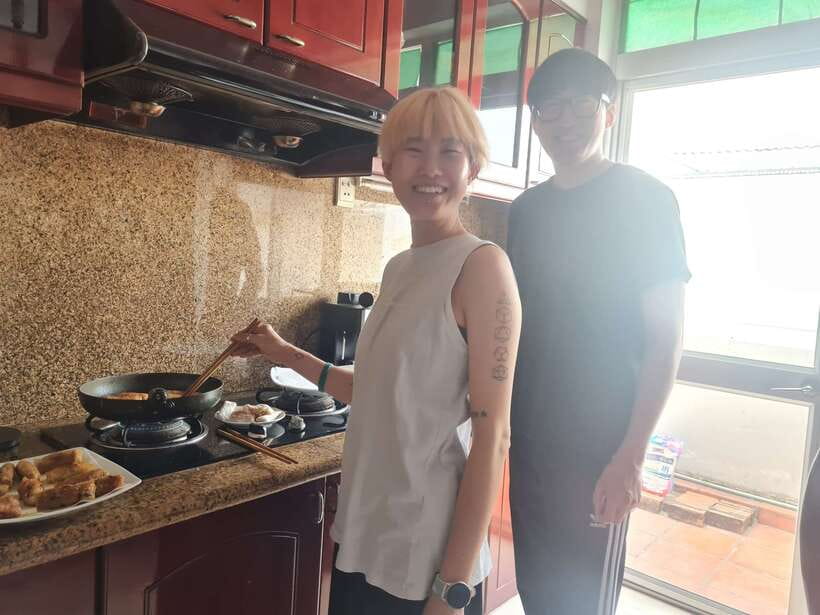
This part is often where people get the most satisfaction quickly. Fried spring rolls are about getting the filling right and cooking with the right heat so you get a crisp exterior. Fresh spring rolls are about assembly—rolling tightly, balancing herbs and fillings, and making sure everything tastes clean and fresh.
Either way, spring rolls teach you a very Vietnamese skill: balancing textures. You want something soft inside, something crisp or fresh outside, and flavors that don’t fight each other.
Rosie’s Hands-On Teaching Style (And Why It Works)
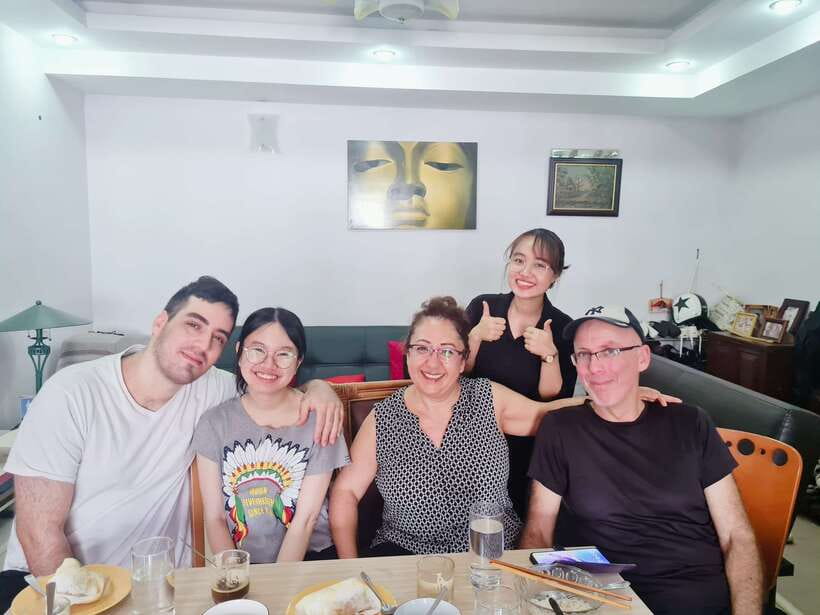
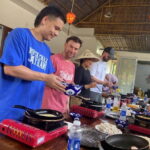
Rosie leads the cooking from her own kitchen, and the reviews point to what you’ll likely experience in the moment: careful guidance through all the steps. That means you’re not left to interpret Vietnamese recipes with guesswork. You’ll be shown what to do, then you’ll do it, with help along the way.
The class format also encourages conversation. Rosie is friendly and social, so it tends to feel more like learning with a patient friend than being stuck behind a counter. When you get stuck—cutting something a certain way, assembling, timing a cooking step—there’s real support.
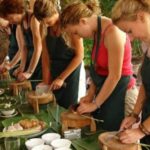
Also, because it’s limited to 6 participants, you’re not just watching someone else work. You’re working. That’s the big difference between a true cooking class and an eat-and-watch experience.
Vietnamese Coffee Making: The Skill You’ll Actually Reuse
The coffee portion is one of the reasons this class stands out. You’ll learn traditional Vietnamese coffee making during the experience (and yes, it’s not just a sip and a shrug).
Vietnamese coffee usually means a strong base coffee style paired with sweetened milk, and the method matters. In this class, you’ll go through the steps rather than just getting handed a drink. That’s what turns it from “nice” into “useful.”
If coffee isn’t your thing, you’re covered. The menu includes passion fruit juice, and you can request other drinks if possible. That flexibility helps if you’re bringing friends with different tastes.
One more practical note: Vietnamese coffee is strong by design. If you’re sensitive to caffeine, plan accordingly and go slow during the tasting.
What the Meal Feels Like: Cozy Kitchen, Real Eating Time
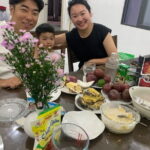
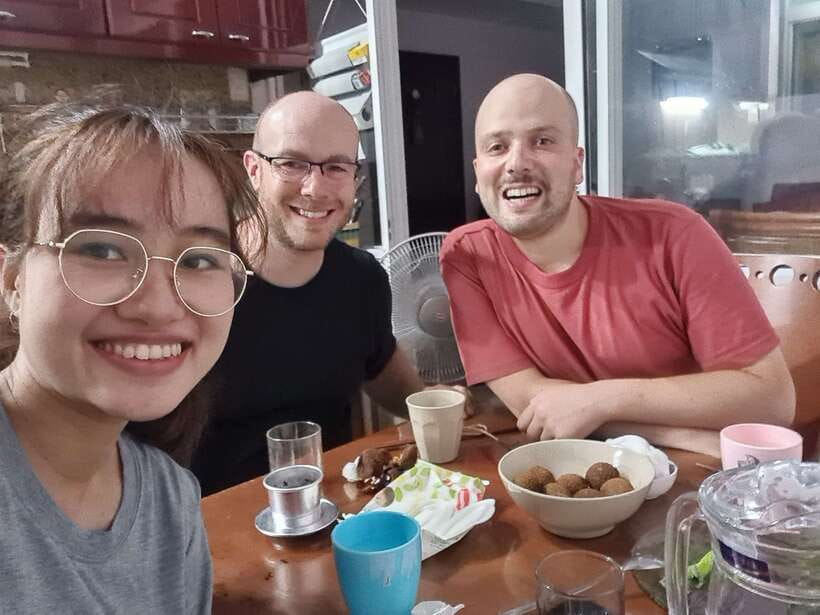
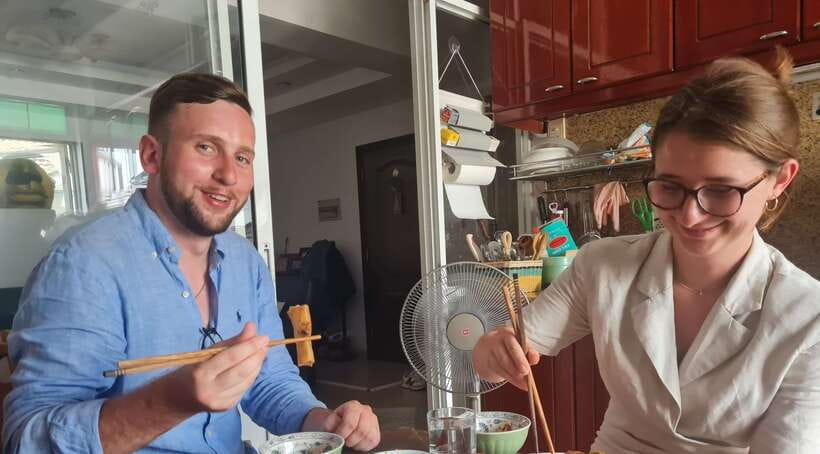
After you’ve cooked, you sit down together and enjoy what you made in Rosie’s kitchen. This part is underrated, because it’s where the class clicks.
You get to compare what you did with what you expected. If your spring roll wrapping turned out thick or your bánh xèo cooked a bit longer than you meant, you can adjust in your head for next time. And because you’re eating with the group, it becomes a social meal, not a solitary homework assignment.
This is also where the value of “small group” shows up again. You won’t be stuck sharing one cutting board with six people. You’ll have space to cook and space to enjoy the meal after.
Vegan, Allergies, and Special Requests: How to Make It Work for You
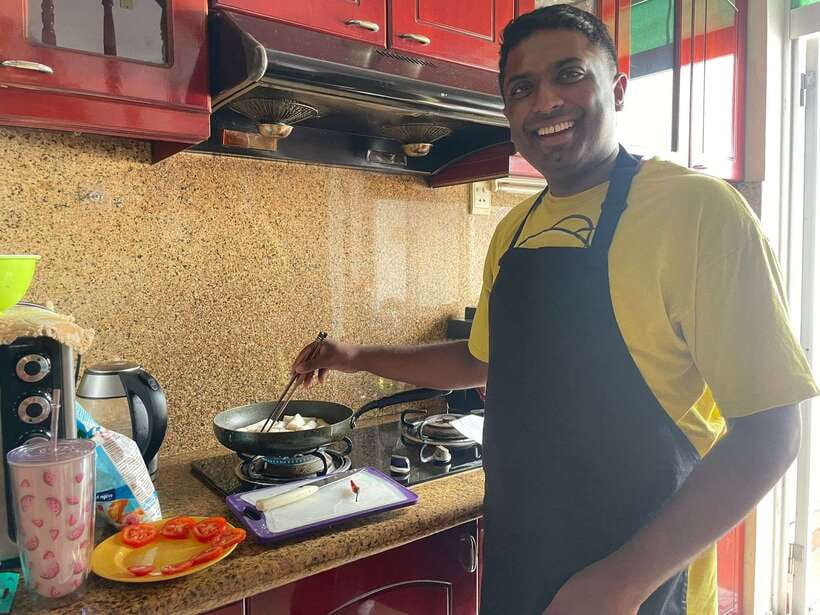
This experience is not one-size-fits-all. Vegan/vegetarian options are available, and Rosie can adjust if you share food restrictions or allergies ahead of time.
Here’s the best practical advice: message your dietary needs clearly. Don’t just say “vegetarian.” Tell them what you avoid and how strict you need it to be.
Also, there’s a helpful data point from the experiences shared: Rosie has made recipes gluten free for at least one guest. So if you have celiac or gluten sensitivity, it’s worth asking directly rather than assuming it can’t be done. The key is to communicate early so adjustments can be planned.
Price and Value: Is $40 Reasonable for a 2.5-Hour Class?
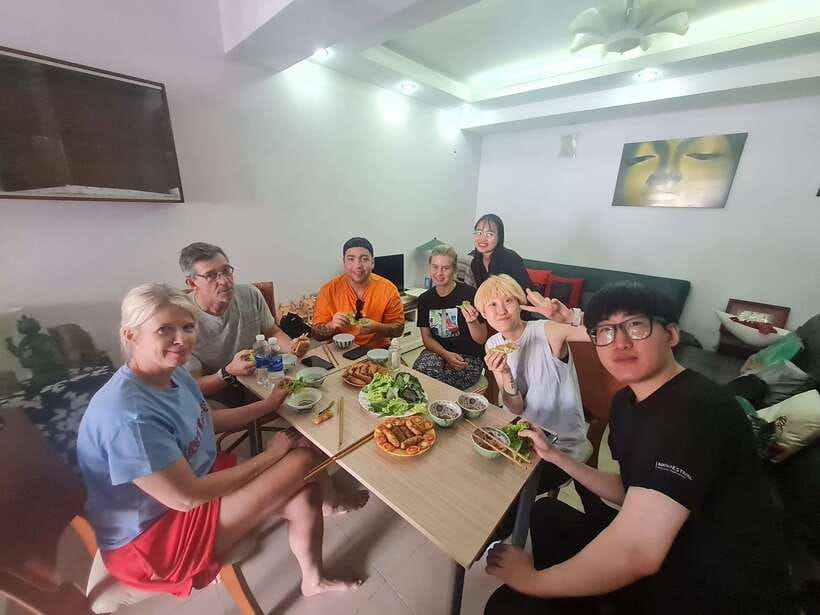
At $40 per person for about 2.5 hours, this class is priced like a serious local experience, not a touristy production. The value comes from the amount of teaching time and the fact that you cook and eat.
You’re getting:
- Guided cooking for two Vietnamese dishes
- Traditional Vietnamese coffee making (or another drink option)
- A small-group setting with limited participants
- A shared meal that’s included, using what you cooked
For me, the question isn’t only “is $40 cheap?” It’s whether you’re paying for an activity you’ll actually use again. Cooking skills and coffee method are reusable. That turns it into more than entertainment.
If you compare it to going out and paying for two restaurant meals plus coffee, this also makes sense because you’re not just consuming—you’re learning how to recreate parts of it.
Timing in Da Nang: Why the 2.5 Hours Feels Right
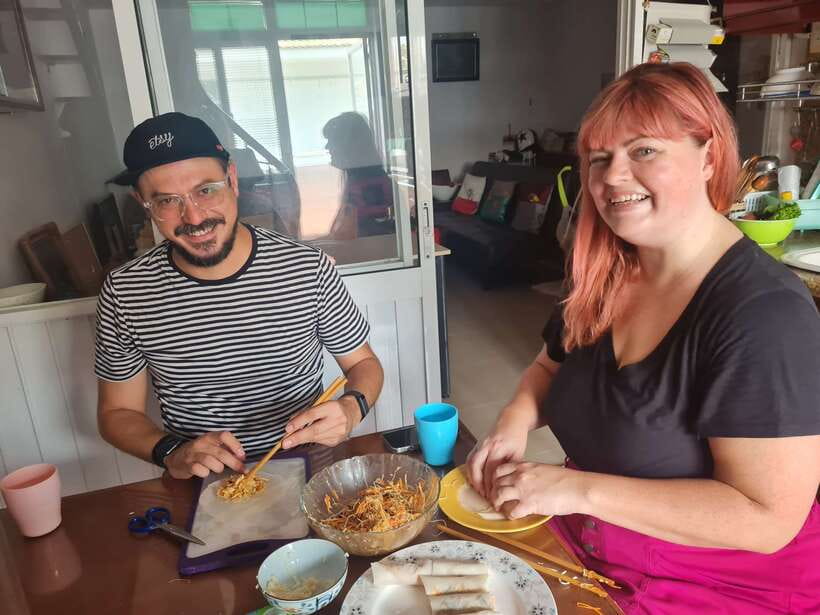
Two and a half hours is long enough to matter, but not so long you start fading halfway through. You’ll likely have enough time to:
- Get comfortable with the steps
- Cook without rushing
- Learn the coffee method
- Finally enjoy the meal together
If you have a packed day in Da Nang, this is a great “anchor” activity. It gives structure to the day and keeps you from bouncing between spots with no real plan.
Just check availability for starting times, since the schedule can vary.
Who This Class Is Best For (And Who Might Skip It)
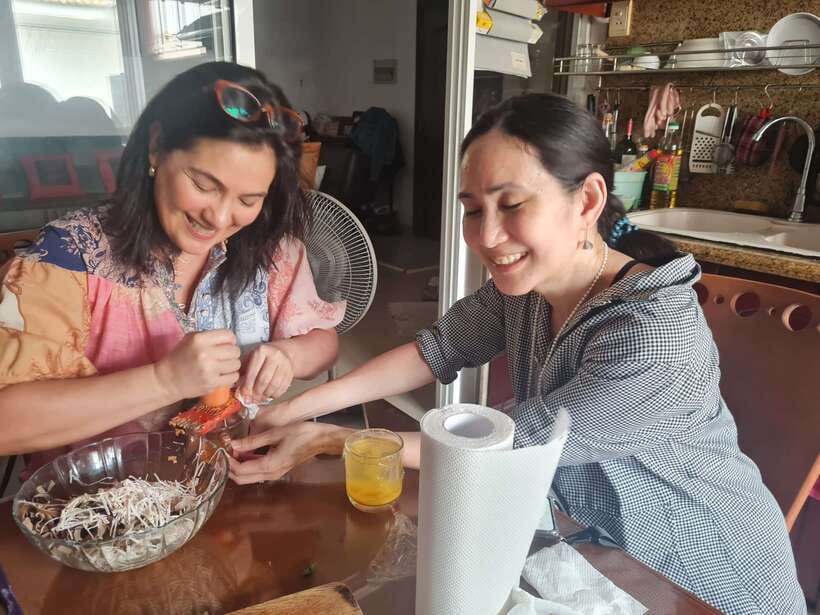
This experience is a great fit if you:
- Want an authentic Da Nang Vietnamese cooking class with a local host
- Like hands-on learning, not just eating
- Enjoy both savory dishes (noodles and spring rolls) and Vietnamese coffee
- Prefer a small group where you can ask questions
You might skip it if:
- You want a purely sightseeing-style tour (this is focused on cooking)
- You need a very specific dish with certainty and can’t be flexible
- You’re very short on time and only have a quick meal window
Should You Book This Vietnamese Cooking and Coffee Class in Da Nang?
Yes, I’d book it if you want real skills in a calm, friendly setting. Rosie’s step-by-step guidance, the small group size, and the fact that you learn both cooking and Vietnamese coffee making make it a smart use of your time.
But do book with one mindset: treat it like learning, not just a meal. Ask questions. Watch what you’re doing, then do it again the way you were shown. That’s when you’ll leave with the most value—skills you can repeat later, not just photos of food.
If you have dietary restrictions, message ahead and confirm what can be adjusted. With that done, this is the kind of experience that turns Da Nang from a place you visit into a place you understand a bit better—one dish at a time.
FAQ
How long is the Vietnamese cooking class and coffee making session?
The experience runs for about 2.5 hours.
How much does it cost?
It costs $40 per person.
Where does the class take place?
It takes place in Rosie’s home kitchen in Da Nang.
How many people are in the group?
It’s a small group limited to 6 participants.
Is the class taught in English?
Yes, the host provides English guidance.
What dishes are included?
The menu includes one choice from: phở, bánh xèo, or Quang noodles, plus either fried spring rolls or fresh spring rolls.
Do you get Vietnamese coffee or can you choose another drink?
Vietnamese coffee is included, along with passion fruit juice. If you prefer something else (or if you don’t want coffee), you can request an alternative if possible.
Can they accommodate vegan or dietary restrictions?
Yes. Vegan/vegetarian options are available, and you should share any allergies or restrictions ahead of time so the host can adjust if possible.