REVIEW · CATANIA
Catania: Pizza Cooking Class
Book on GetYourGuide →Operated by Futuro e Lavoro · Bookable on GetYourGuide
You’ll shape dough and then share the results. This Catania pizza cooking class is interesting because the pizzaiolo runs a tight station, you make pizza and scacciata catanese, and the lesson ends with a tasting plus a cannolo show cooking. I like that it’s organized for real participation, not a passive food show, and it stays small (up to 8 people) so you’re not lost in a crowd.
The second thing I really like is the teaching style. The instructor (often called Simona/Simone in feedback) is praised for clear, thorough explanations and for answering questions without rushing you. One drawback to consider: with a 3-hour format, you’ll learn the core techniques and get hands-on practice, but you won’t walk away feeling like a full-on pizzaiolo master who can teach others.
In This Review
- Key highlights you’ll care about
- Catania’s pizza lesson: why this feels practical, not touristy
- How the class starts: station setup and a teacher who stays with you
- Pizza prep in a hands-on rhythm you can repeat at home
- Scacciata catanese: the second dough project (and a real change of pace)
- Degustazione: tasting, then knowing what to aim for
- Cannolo show cooking: the wafer-filling technique you’ll actually use
- Teaching quality in a small class: what the best reviews point to
- Price and value: is $101.96 worth it in Catania?
- Who should book this cooking class (and who might not love it)
- Should you book the Catania pizza cooking class?
- FAQ
- How long is the Catania pizza cooking class?
- How large is the group?
- What will I make during the class?
- Is instruction available in English?
- What’s the price per person?
- Can I cancel if my plans change?
Key highlights you’ll care about
- Small group (up to 8) means more hands-on time and more help when you have questions
- Two Sicilian specialties: pizza and scacciata catanese (not just one dough-and-cheese routine)
- Degustazione is built into the class, so you don’t just cook—you taste what you made
- Cannolo show cooking teaches the wafer-filling technique, not just the story behind it
- Italian and English instruction, so you can follow along even if your Italian is still in progress
- Home-recipe payoff: the lesson is structured so you can recreate the flavors later
Catania’s pizza lesson: why this feels practical, not touristy
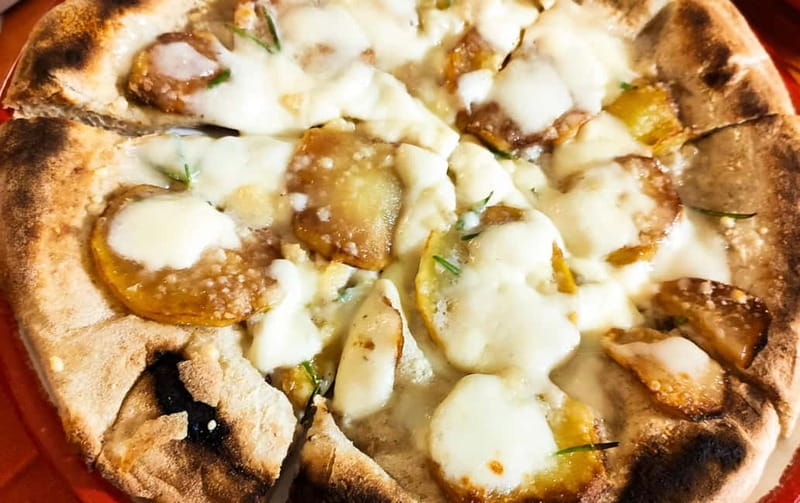
Catania is loud, bright, and very much itself. This cooking class matches that energy in a good way: you do the work, you learn the method, and you finish with food in front of you. It’s the kind of activity that gives you something more useful than photos—your hands remember the steps.
I like the way it’s set up around a pizzaiolo who takes care of the station. That matters because pizza-making is part cooking, part choreography. When ingredients and workflow are organized for you, you spend your time learning instead of playing ingredient detective.
Also, the course doesn’t stop at pizza. You’ll prepare scacciata catanese and then move into a degustazione (tasting). The cannolo portion is handled as a show cooking, with instruction on how to fill the wafers, so even if you’re not doing every step yourself, you still learn a key technique.
You can also read our reviews of more tours and experiences in Catania.
How the class starts: station setup and a teacher who stays with you
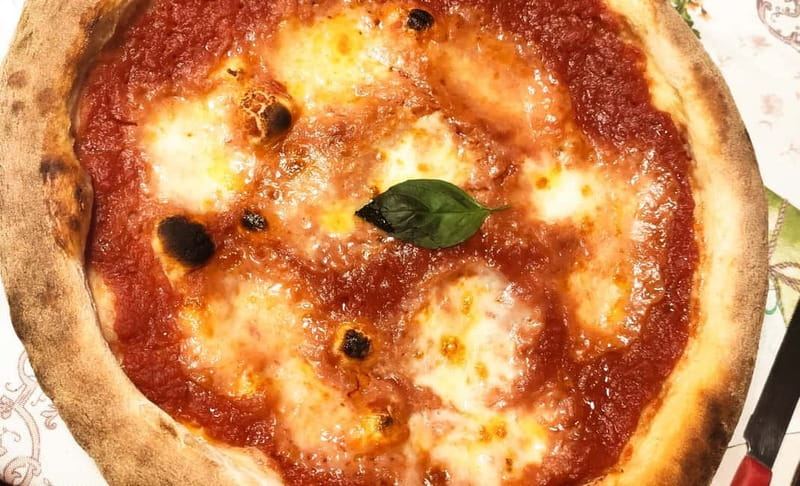
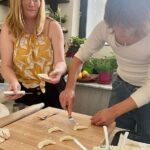
From the start, you’re not dropped into an empty kitchen and told good luck. Your pizzaiolo prepares the station with what you need, and the lesson is designed to run with the instructor guiding the flow. That’s a big deal for first-timers because pizza-making can go sideways fast if you’re missing one ingredient or step.
This is also where the small group size earns its keep. With a maximum of 8 participants, you’re more likely to get corrections when your dough handling (or shaping) needs adjustment, rather than waiting your turn while others get help.
If you learn better by asking questions, you’ll probably enjoy this format. Feedback repeatedly highlights instructors who are attentive and enthusiastic. In a class like this, good attention means you don’t just hear what to do—you understand why.
Pizza prep in a hands-on rhythm you can repeat at home
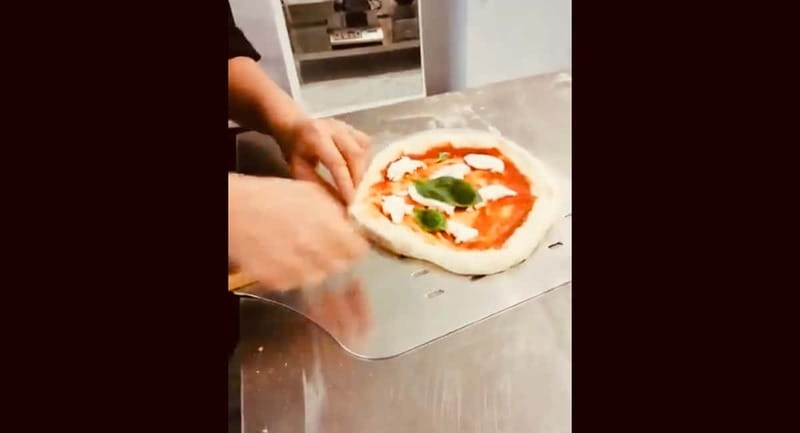
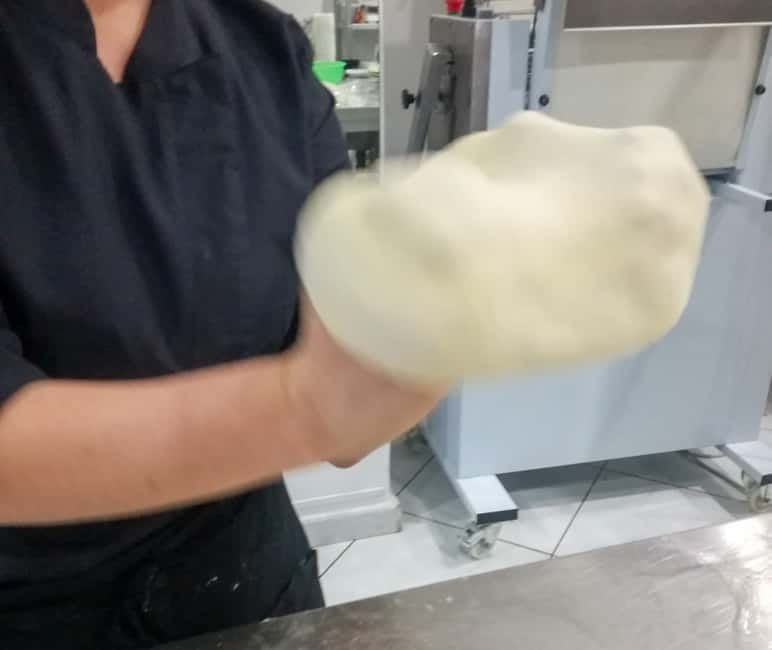
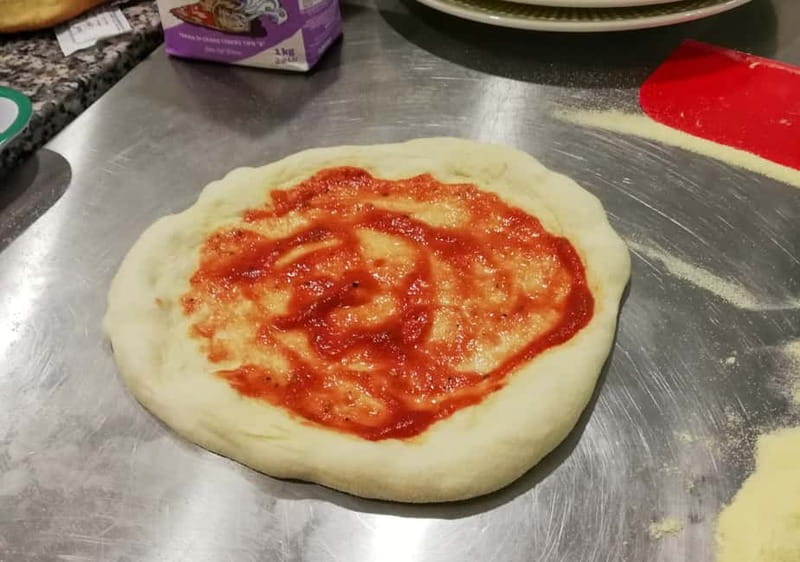
The core of the experience is straightforward: you’ll do preparazione pizza and then cook it. What makes this more valuable than a generic cooking demo is that it’s built around you actively preparing the pizza, not simply watching someone else do it.
Sicilian pizza is about taste and texture, and this class keeps you focused on typical Sicilian ingredients and flavors. You’ll follow the pizzaiolo’s guidance and learn how to put the pizza together in a way you can bring back home—because the class is explicitly designed for you to re-create it later for friends and family.
Practical takeaway: treat this as a technique-and-process lesson. Even if your kitchen or oven setup isn’t identical to the one you use in class, you can still copy the logic: how you build the pizza, how you work with the dough, and how you think about balance in toppings and flavor.
Scacciata catanese: the second dough project (and a real change of pace)
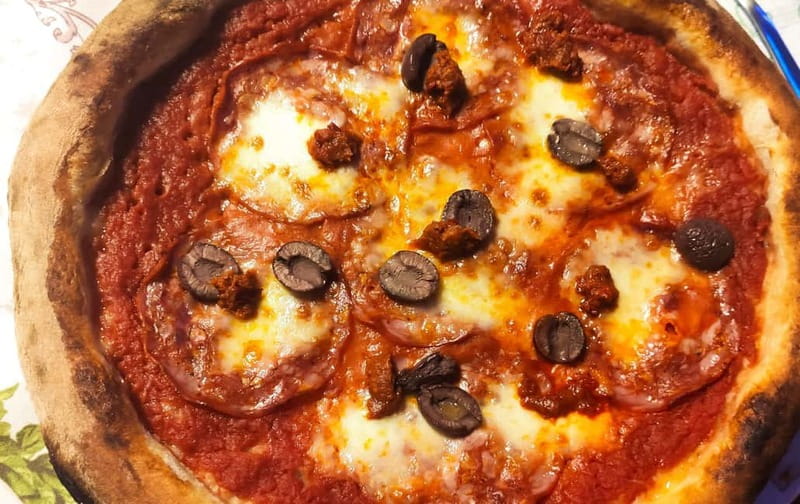
After pizza, you shift to preparazione scacciata catanese. That’s not a minor add-on. Scacciata is its own identity, and learning it gives you a second Sicilian skill instead of one repeatable template.
This is also a great pacing move. Doing two related but distinct items keeps the lesson from turning into one long stretch of the same task. You’ll likely find it helps your brain stay engaged—and if you’re a visual learner, watching the differences between pizza and scacciata assembly can make the concepts stick.
One thing to remember: classes like this move as a group. If you’re the type who wants to slow down and savor every step, you may feel a little speed here. But that’s also why it works in 3 hours—the lesson is designed to fit a complete arc: make, cook, taste, learn more.
Degustazione: tasting, then knowing what to aim for
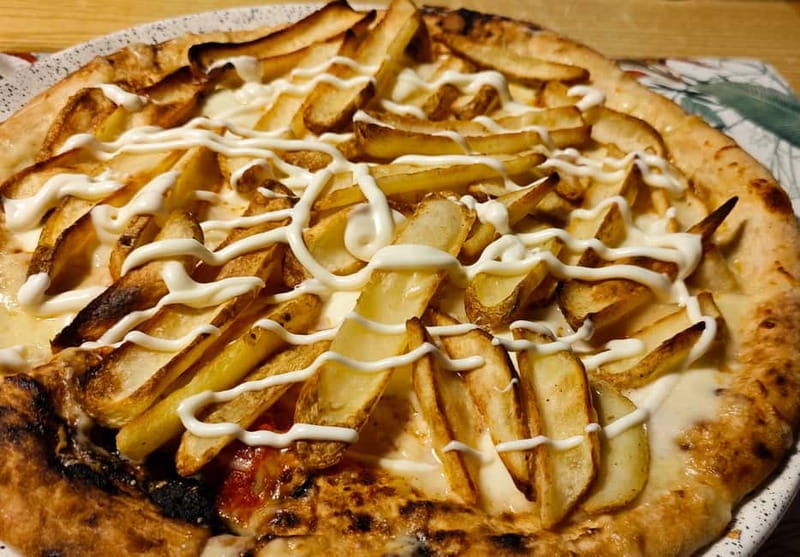
A degustazione (tasting) is included, so you get to evaluate what you made while it’s still fresh. This is the part that turns cooking from a task into learning. When you taste your own work, you start connecting flavors and textures to the choices you made during prep.
The “value at home” piece is strongest here. Once you’ve tasted the results, you’re better prepared to replicate the same balance later. You’ll have a real reference point instead of vague memory like it was good or it was cheesy.
Also, tasting makes it easier to ask the right questions. If something tastes a bit off—too salty, not enough flavor, or just not the texture you expected—you’re in the moment and can get guidance while the class context is still fresh.
Cannolo show cooking: the wafer-filling technique you’ll actually use
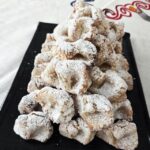
After you’ve handled pizza and scacciata, the class shifts to show cooking: the pizzaiolo shows you how a famous Sicilian cannolo is prepared. The key learning goal is the technique of filling the wafers.
Even if you’re not doing every step yourself, the “how to fill” part is practical. Cannolo filling is where people often get stuck later at home—either the texture doesn’t behave or the filling leaks. Learning technique during a guided demonstration helps you understand the method, not just the outcome.
And cannolo is a nice cultural bridge. You start with savory Sicilian specialties, then close with a beloved dessert. That contrast makes the lesson feel complete, like you covered more than one lane of Sicilian food.
Teaching quality in a small class: what the best reviews point to
This class has a strong reputation with a 4.9 rating from 18 reviews, and the praise is consistent. The most credited factor is the instructor’s teaching—especially being thorough and attentive, with clear explanations and lots of engagement.
Names like Simona/Simone show up in feedback, and that matters because it tells you what kind of experience you’re buying: a person who explains, corrects, and keeps the atmosphere friendly. I’d expect that in practice you’ll feel comfortable asking questions, and you won’t get treated like you’re in the way.
Another repeated positive theme is the overall experience being fun, with delicious food and a tasting that lands well. That combination is what you want from a short class: you learn enough to feel capable, and you eat enough to end happy, not hungry.
Price and value: is $101.96 worth it in Catania?
At $101.96 per person for a 3-hour class, you’re paying for more than ingredients. You’re paying for guided instruction, hands-on pizza preparation, scacciata prep, included tasting, and a cannolo show cooking focused on the wafer-filling technique. You’re also paying for the small-group setup (limited to 8), which is often where classes either become personal—or become crowded and forgettable.
So is it “worth it”? For me, yes if you value doing rather than watching. If your ideal vacation includes one memorable skill you can repeat, this hits that goal. And because the class is structured around learning techniques and home re-creation, it’s not only a one-off meal.
It’s also a good pick if you don’t want to spend a full day. Three hours can fit into a busy itinerary in Catania. You’ll still get a full arc: make, cook, taste, then learn dessert technique.
Who should book this cooking class (and who might not love it)
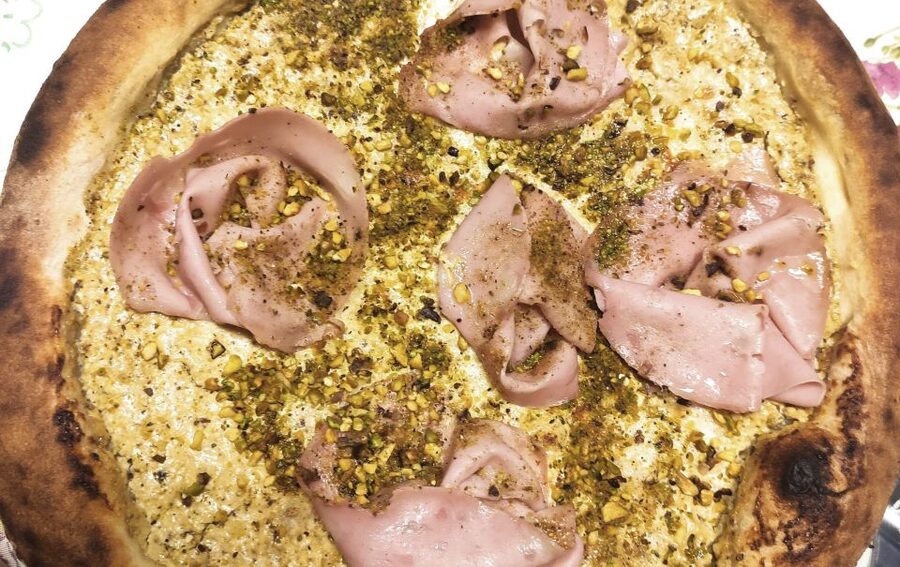
This fits best if you want Sicilian food skills with guidance. If you’re traveling with limited time but want something more meaningful than a restaurant meal, this delivers. It’s also a solid match for mixed skill levels because the pizzaiolo prepares the station and stays with you through the lesson.
You might not love it as much if you’re looking for a super in-depth, all-day workshop. The format is 3 hours, and the experience intentionally covers multiple items—pizza, scacciata, tasting, then cannolo technique—so it’s efficient rather than slow.
If you want English support, you’ll be happy that instruction is offered in Italian and English. That reduces the “I can’t follow” stress, which is huge when you’re cooking.
Should you book the Catania pizza cooking class?
I think you should book it if you want a hands-on, small-group food experience with real technique, not just a guided walk through ingredients. The most persuasive reason is the combination of pizza + scacciata + tasting + cannolo wafer filling, all in one compact lesson.
Book if you care about learning how to recreate flavors later, and if you’ll enjoy a teacher who stays engaged. With the strong ratings and the consistent praise for thorough, attentive instruction (often credited to Simona/Simone), you’re likely to feel supported from dough to dessert.
Skip it if you’re the type who wants deep mastery of one single dish only, because this course is designed to give you breadth in a short window.
FAQ
How long is the Catania pizza cooking class?
It lasts about 3 hours.
How large is the group?
It’s a small group limited to 8 participants.
What will I make during the class?
You’ll prepare pizza and scacciata catanese, then enjoy a tasting. There is also a cannolo show cooking focused on the wafer-filling technique.
Is instruction available in English?
Yes. The instructor provides Italian and English.
What’s the price per person?
The price is listed as $101.96 per person.
Can I cancel if my plans change?
Yes. You can cancel up to 24 hours in advance for a full refund, and you can reserve and pay later to keep plans flexible.