REVIEW · CATANIA
Cooking class fresh pasta
Book on GetYourGuide →Operated by Futuro e Lavoro · Bookable on GetYourGuide
Fresh pasta skills are the best souvenir. This hands-on cooking class in Sicily teaches you to make dough from scratch in a professional kitchen laboratory, then turn it into classic shapes and sauces.
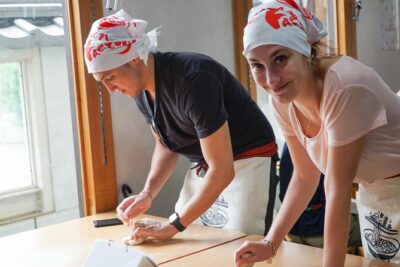
What I love most is the real practice: you’re not just watching; you’re kneading, rolling, shaping, and cooking with guidance.
I also really like that the menu is built around Sicilian flavors you can name and repeat: you’ll learn ragù, Norma, and Sicilian pesto, then taste everything you made with Sicilian wine.
One drawback to consider is time: with a 3-hour format, the pace is friendly but efficient, so you won’t get an ultra-slow, step-by-step “master every tiny detail” lesson.
In This Review
- Key Highlights You’ll Care About
- Why Making Fresh Pasta Feels Like a Real Sicily Experience
- The Dough Workshop: Egg Pasta + Durum Wheat Sicilian Style
- Rolling and Shaping: Tagliatelle, Stuffed Pasta, Maltagliati
- Sauce Skills: Ragù, Norma, and Sicilian Pesto
- From Lab to Table: Cooking Completion and Tasting With Wine
- Price and Value: What You’re Really Paying For
- What the Best Class Moments Usually Look Like
- Who Should Book This Class (and Who Might Not)
- Should You Book Cooking Fresh Pasta in Sicily?
- FAQ
- FAQ
- How long is the cooking class?
- What will I learn to make?
- Is the class hands-on?
- What languages are offered?
- What’s included in the price?
- Is there a refund if plans change?
- Who runs the experience?
Key Highlights You’ll Care About
- Two dough styles: classic egg pasta dough plus a typical Sicilian durum wheat dough
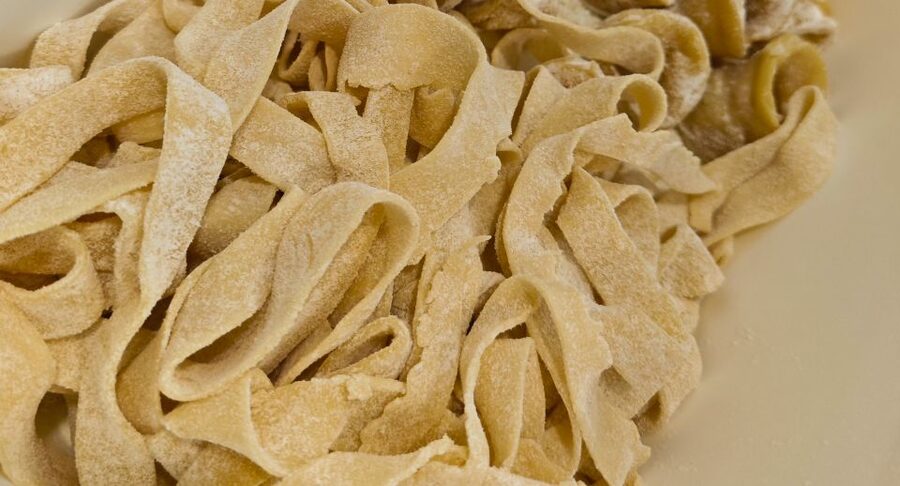
- Three pasta types: tagliatelle, stuffed pasta, and maltagliati
- Three Sicilian sauces: ragù, Norma, and Sicilian pesto
- Hands-on cooking all the way from dough to finishing
- Sit-down tasting of what you made, paired with Sicilian wine
- English and Italian instruction for smoother learning if you’re not fully fluent
Why Making Fresh Pasta Feels Like a Real Sicily Experience
Pasta is the queen of Italian cooking, but Sicily adds its own personality fast. Here, you’re not just learning a generic “Italian pasta” method. You’re learning how Sicilian kitchens think: dough texture matters, sauces match the shape, and local flavors like durum wheat and Sicilian pesto get treated seriously.
This matters for you because it turns a meal into a skill. You’ll leave with technique you can actually use at home—especially the dough-handling lessons that explain why some pasta feels silky and others turns rubbery.
The class is taught by a professional chef, in a dedicated cooking lab. That setting is a quiet advantage: you’re more likely to get proper tools, stable surfaces, and clear instruction than you would in a casual demonstration. If you want your time in Sicily to leave more than photos behind, this kind of class does the job.
You can also read our reviews of more tours and experiences in Catania.
The Dough Workshop: Egg Pasta + Durum Wheat Sicilian Style
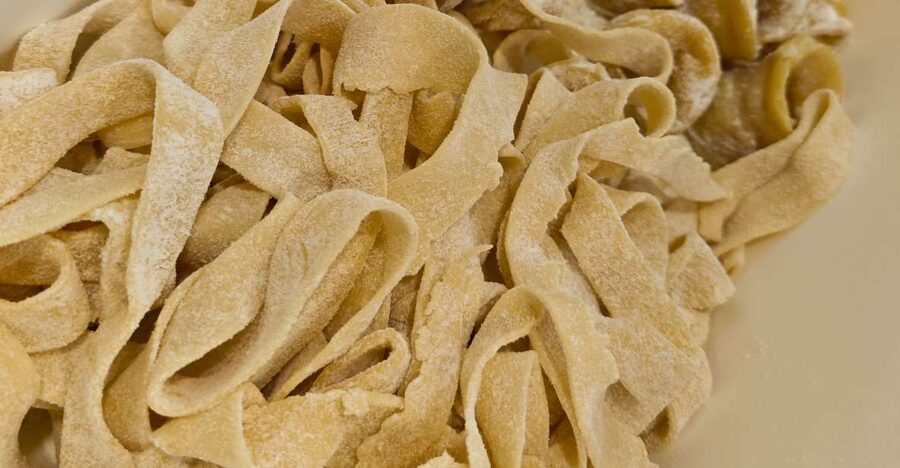
The first phase focuses on dough. You’ll make two types of fresh pasta dough:
- a classic egg pasta dough
- a typical Sicilian durum wheat dough
This is one of the most useful parts of the whole experience. Different doughs behave differently. Egg dough tends to feel smoother and more elastic, while durum wheat dough can bring a firmer bite and a distinctive texture. When you physically work both, you learn why Italians talk about pasta texture like it’s a personality trait.
You also learn how dough moves from mixing to forming to readiness. That means you’re not only memorizing a recipe. You’re learning cues: how the dough comes together, how it feels under your hands, and what “ready” looks like before rolling or shaping.
The chef guides you through the process in an English/Italian teaching environment. That language setup helps a lot because pasta-making is technical. If you can understand the explanation in your comfortable language, you spend less time guessing and more time adjusting in real time.
Rolling and Shaping: Tagliatelle, Stuffed Pasta, Maltagliati
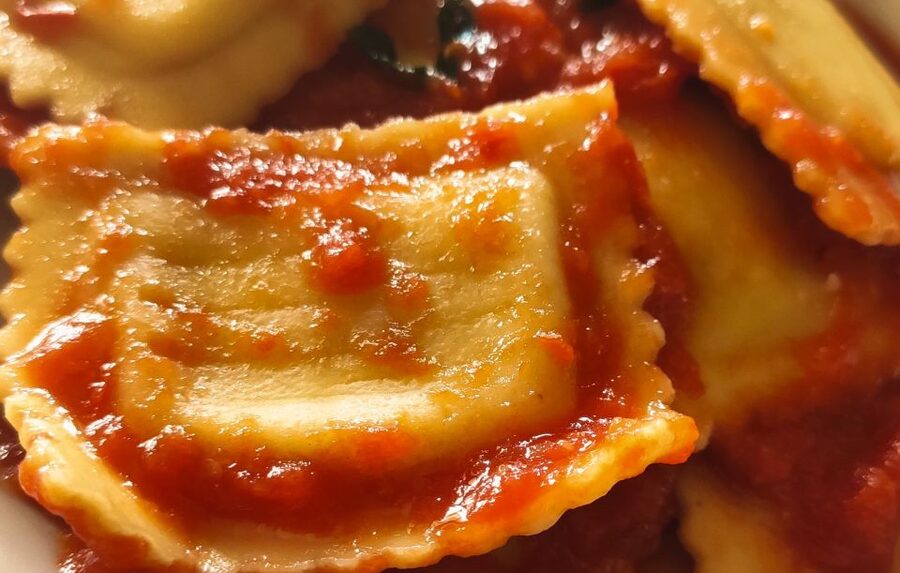
After dough comes the fun part: pasta construction. The class covers multiple shapes, and each one teaches you something different about technique and sauce pairing.
You’ll make:
- Tagliatelle, a ribbon shape that catches sauce well
- Stuffed pasta (filled pasta), where sealing and portioning matter
- Maltagliati, irregular-cut pasta that adds a homemade, rustic texture
This variety is valuable. If you only made one shape, your learning would stay narrow. Here, you get practice across three different workflows: cutting and portioning noodles, assembling filled pasta, and working with a more freeform cut style.
In practical terms, it also means you can recreate a dinner at home without needing the full range of Italian pasta equipment. You can adapt the techniques you learned to what you have—whether that’s a rolling pin, a basic cutter, or just a careful knife for rustic shapes.
Sauce Skills: Ragù, Norma, and Sicilian Pesto
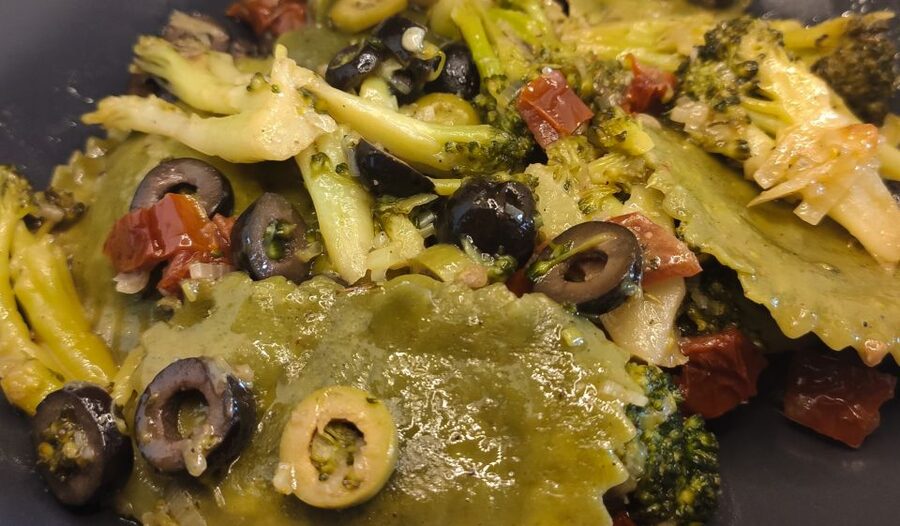
Once your pasta is made, the class shifts to seasoning and sauce. This is where Sicilian identity really shows up on your plate.
You’ll learn to prepare:
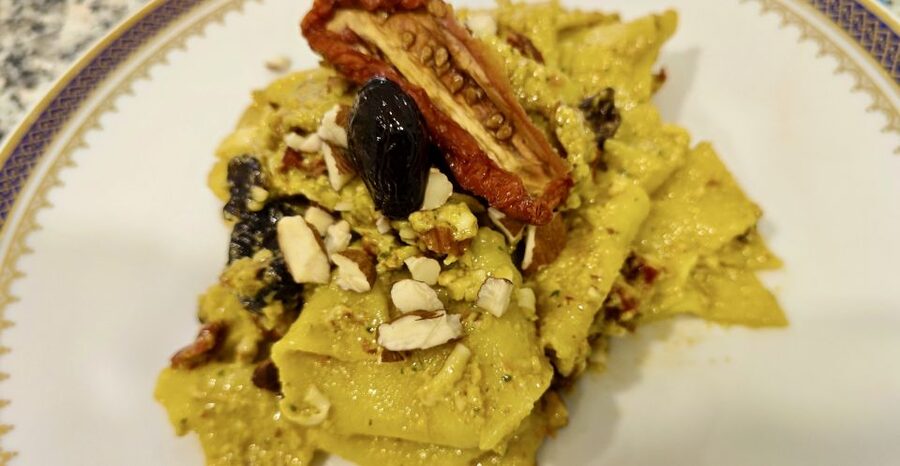
- Ragù
- Norma
- Sicilian pesto
Even if you’ve cooked Italian sauces before, the lesson structure helps you understand timing and balance. Ragù teaches depth and patience—building a sauce that clings rather than runs. Norma (a Sicilian classic) tends to rely on bold, comfortable flavors, and learning it in class gives you a real sense of how it should taste and how it should coat pasta.
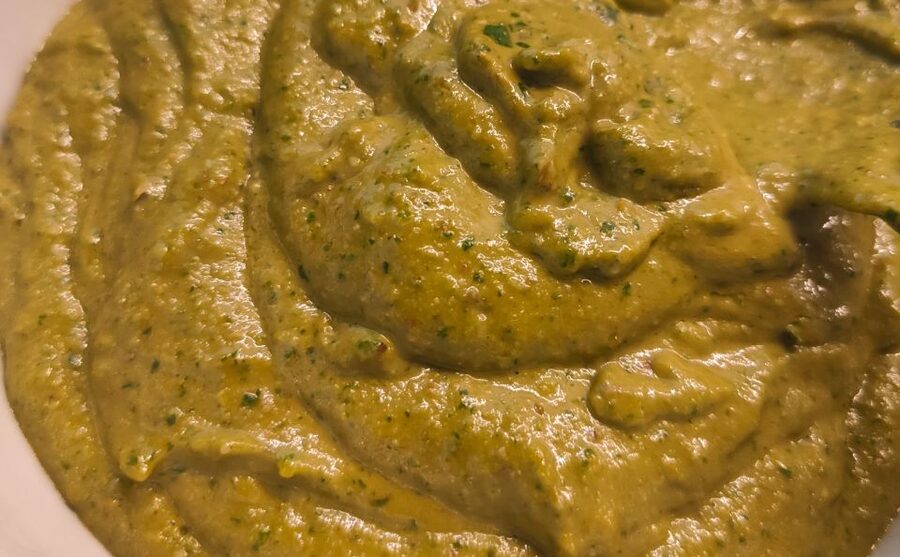
Then there’s Sicilian pesto, which is often less about the generic idea of pesto and more about regional character. The class gives you a method you can repeat. That’s the key: you’ll taste what you made, and you’ll know what the sauce is supposed to feel like.
The big “transferable” value here is pairing. You learn how these sauces work with fresh pasta shapes you just created, so when you cook at home later, you’re not starting from scratch. You already have a mental map of which sauce fits which texture.
From Lab to Table: Cooking Completion and Tasting With Wine
Here’s where the class turns into the meal. Even though you do the hands-on work—dough, shaping, sauce prep—the chef finishes cooking so you can sit down and enjoy.
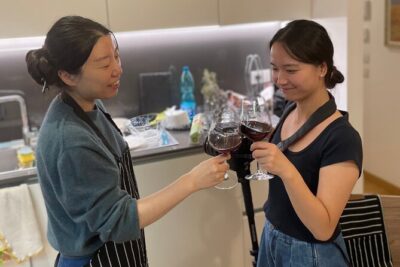
You’ll taste the foods you made, and it’s paired with excellent Sicilian wine. This matters because pasta can be deceptive. A dish can look correct and still taste off if timing or consistency is wrong. Eating it soon after learning the process helps you lock in what success tastes like.
One detail worth noting from experience accounts is that some guests have reported getting a bottle of wine to take home. Since that isn’t listed as a guaranteed inclusion in the core description, treat it as a nice possible extra rather than something you should count on every time.
If you like cooking classes that end with a real dinner—rather than a tiny snack—this format fits. You leave with full-belly satisfaction and a clearer sense of how the whole workflow ties together.
Price and Value: What You’re Really Paying For
At $112.15 per person, this class isn’t a budget activity, but it can be good value if you care about skill, not just entertainment.
You’re paying for several things that add up fast:
- a professional chef instructor (English/Italian)
- a dedicated cooking lab environment
- guided creation of three different types of pasta
- guided creation of three sauces (ragù, Norma, Sicilian pesto)
- a final sit-down tasting paired with wine
The value equation changes depending on your travel style. If you prefer food experiences where you take home knowledge you’ll use, this price starts to make sense. You’re essentially buying both a meal and a technique workshop.
If you’re the type who just wants to eat, you might be happier with a long dinner at a Sicilian restaurant and skipping the hands-on part. But if you want a memory that lives beyond one night—dough, shaping, and sauce methods included—this is the kind of experience that earns its cost.
What the Best Class Moments Usually Look Like
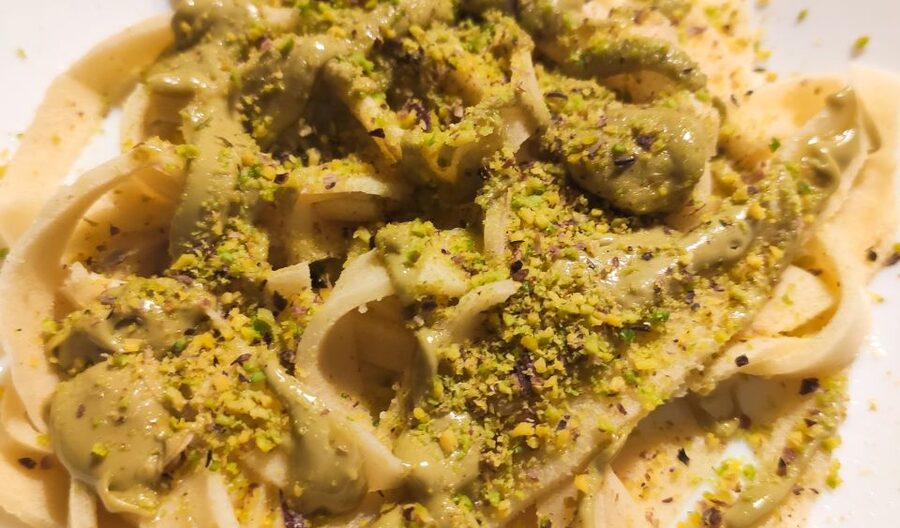
Based on what people emphasize when talking about this class, the strongest moments tend to be simple but specific.
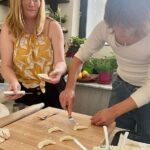
First, guests consistently mention how hands-on and fun the process is, with instructors that help you succeed. Pasta dough can intimidate you before you touch it. In class, that anxiety drops fast when you get clear guidance and correction before you ruin a batch.
Second, people highlight the generous portions at the table. That’s not always true with cooking classes. Here, the tasting feels like a real meal built on your work.
Third, there’s a big focus on learning, not just eating. One guest experience notes they learned useful tips even though they had made fresh pasta before. That tells you the class aims for technique, not only first-time instruction.
The facility itself also gets praise for being clean and functional, which matters when you’re working with flour and raw dough. A stable setup makes your learning smoother.
Who Should Book This Class (and Who Might Not)
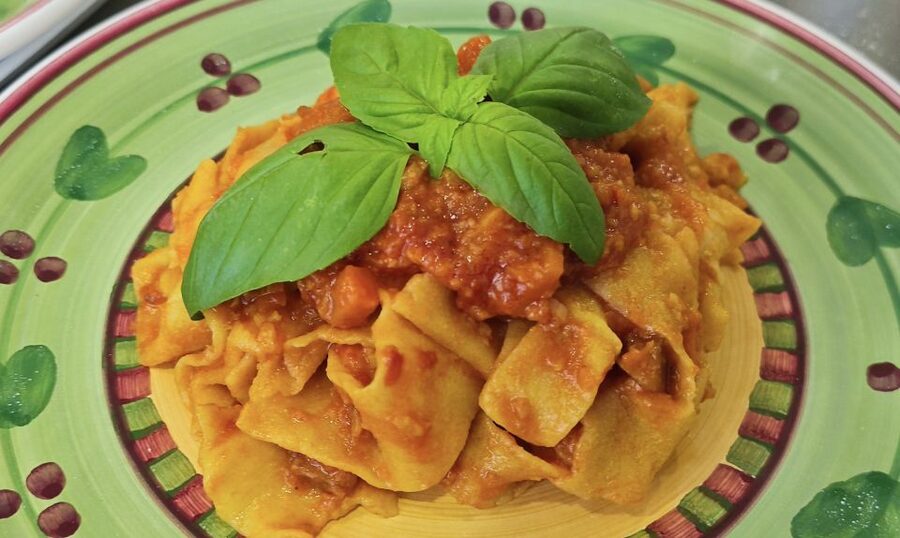
This experience is a strong fit if you:
- want a hands-on food activity in Sicily
- enjoy Italian cooking and want technique you can recreate at home
- like Sicilian classics like Norma and Sicilian pesto
- prefer an instructor-led class with English/Italian support
You might consider skipping if you:
- hate getting flour on your hands and clothes
- want a long, slow class with lots of free time for wandering afterward
- prefer purely observational experiences (since this is built around making)
That said, even if you’re a beginner, the structure is forgiving: you’re learning dough, then shapes, then sauces, then tasting. It’s logical, step-by-step, and the chef finishes cooking so the meal lands well.
Should You Book Cooking Fresh Pasta in Sicily?
Yes, you should book if you want a real skill souvenir. This class gives you multiple pasta types, multiple sauces, and a tasting tied directly to what you made. At $112.15, you’re buying a professional-led workshop plus a Sicilian wine-paired meal, and that mix is hard to beat for value if you’ll actually use the technique later.
If your goal is only to eat impressive Sicilian food, you may find simpler meal-based experiences better aligned. But if you want to leave with dough knowledge, sauce confidence, and a dinner you can recreate, this is one of those activities that turns travel into something practical.
FAQ
FAQ
How long is the cooking class?
The duration is listed as 3 hours.
What will I learn to make?
You’ll make fresh pasta and sauces. The pasta includes tagliatelle, stuffed pasta, and maltagliati, and the sauces include ragù, Norma, and Sicilian pesto.
Is the class hands-on?
Yes. The lesson includes making the pasta dough and preparing the seasonings, then tasting what’s made.
What languages are offered?
The instructor teaches in English and Italian.
What’s included in the price?
Included is the realization of three different types of pasta with the guide of a professional chef, along with a tasting of the foods made and Sicilian wine.
Is there a refund if plans change?
Free cancellation is available up to 24 hours in advance for a full refund.
Who runs the experience?
The provider is Futuro e Lavoro.