REVIEW · DA NANG
Da Nang: Cooking Class and tasting Pho with Local Girl
Book on GetYourGuide →Operated by Sky Travel · Bookable on GetYourGuide
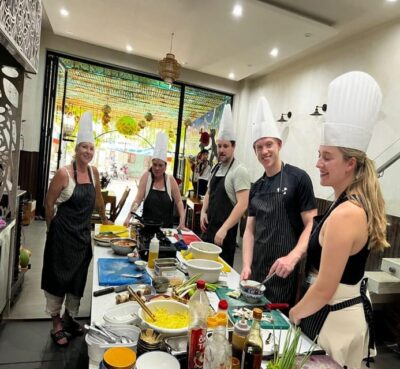
Pho night starts in a Da Nang home. This hands-on class is all about making Pho and gỏi cuốn with a local chef, then eating right away in a real home setting. I especially like two things: learning how to choose fresh ingredients (and the Vietnamese names for them), and getting real guidance in a small group format. One practical heads-up: there’s no hotel pickup, so you’ll need to reach the meeting point on your own.
You’ll spend about 2.5–3 hours cooking, tasting, and asking questions in English. Expect ingredients prepped for you, plus active cooking time so you’re not just watching. You also get unlimited passion juice, which turns lunch into more of a relaxed hang than a rushed meal.
In This Review
- Key Highlights You’ll Notice Fast
- Pho, Spring Rolls, and Passion Juice in a Real Da Nang Kitchen
- Timing That Fits Without Swallowing Your Whole Day
- Meeting Opposite 279 Mai Dang Chon: Simple, Central, and Easy to Find
- What You Learn: Ingredients First, Then Cooking
- Hands-On Gỏi Cuốn (Spring Rolls): Where Technique Matters
- The Main Event: Pho (Beef or Chicken Noodles)
- Passion Juice: An Easy Win That Keeps It Fun
- Lunch or Dinner Included, Plus Recipe Take-Home
- Vegetarian Options: Real Substitutions, Not Just a Side Salad
- Small Group Format: Why Up to 8 People Feels Different
- Price and Value: Why $30 Makes Sense Here
- Who This Experience Is Best For (And Who It Isn’t)
- Before You Go: Notes That Help You Have a Smoother Class
- Should You Book This Da Nang Cooking Class?
- FAQ
- What dishes will I cook in the Da Nang cooking class?
- How long is the experience?
- Is the class taught in English?
- How many people are in the group?
- Is hotel pickup and drop-off included?
- Do you offer vegetarian options?
- Is there any extra charge on Vietnamese public holidays?
Key Highlights You’ll Notice Fast
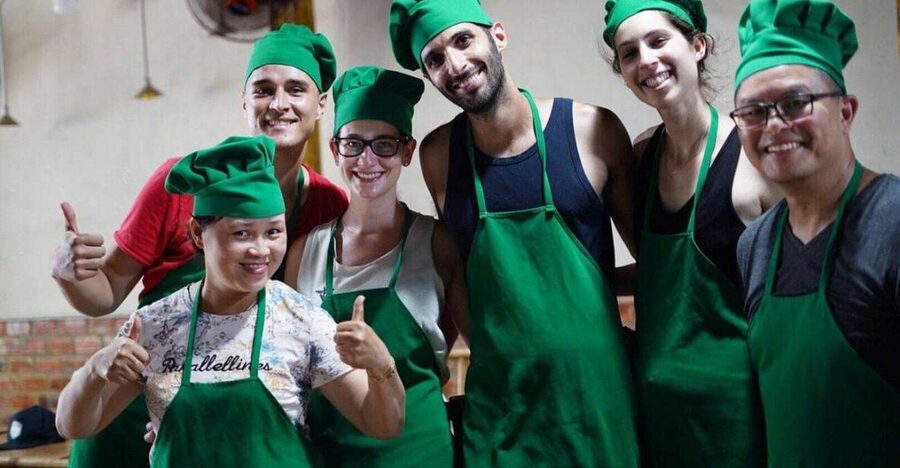
- Small group of up to 8 means you’re not lost in the crowd.
- Hands-on cooking with spring rolls and Pho, plus passion juice.
- Ingredient tips + Vietnamese names help you shop smarter later.
- Unlimited passion juice keeps the vibe easy and enjoyable.
- Vegetarian substitutions are available using veggies like tofu and eggplant.
- Recipe included so you can try your best version at home.
Pho, Spring Rolls, and Passion Juice in a Real Da Nang Kitchen
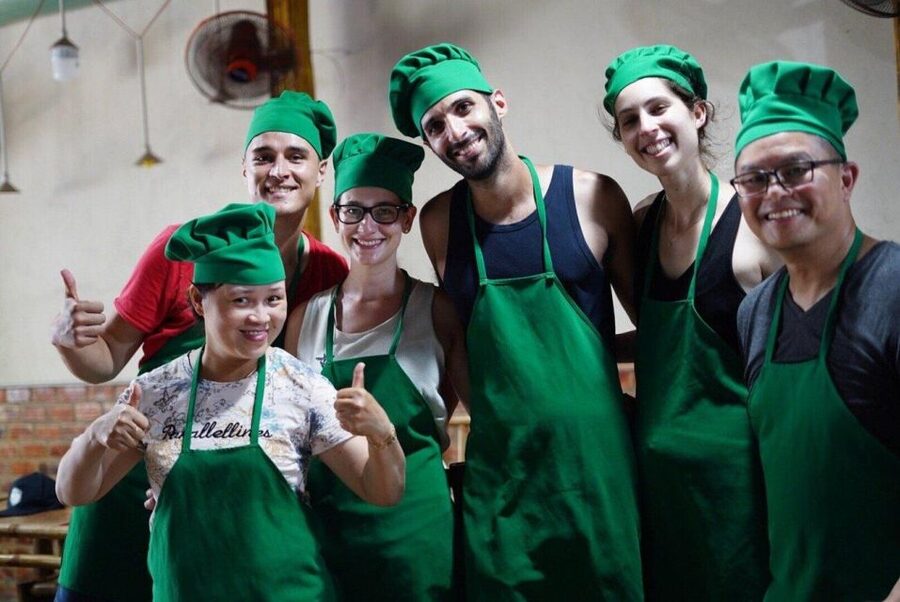
Da Nang has great food, but sometimes it’s hard to turn that into actual skills. This cooking experience is built to do just that: you’ll learn a few core dishes the way local cooks think about them, not just how they end up on a plate.
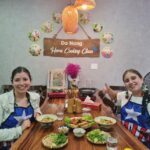
The biggest appeal is the mix of learn-it, do-it, eat-it. You’re not there only for a meal. You’re there to understand what goes into the flavors—what to look for, what each ingredient does, and how to shape the dish so it tastes right. And because the group is capped at 8, you usually get enough attention to ask the questions you’d ask in a kitchen at home.
I also like that the class is focused. You’re not spending the full afternoon doing tiny steps and hoping it adds up. You get a tight session—about 2.5–3 hours—where you’ll cook and then eat a small feast.
You can also read our reviews of more tours and experiences in Da Nang.
Timing That Fits Without Swallowing Your Whole Day
This is a short class by design. You should plan for 2.5–3 hours, which makes it a good option when you want one food-focused activity without breaking your schedule.
Here’s how it helps your trip:
- You can fit it around sightseeing, beach time, or dinner plans.
- You don’t have to commit to a whole day of planning and travel time.
- You’ll still leave with a full, satisfying meal and recipes.
One consideration: because you’ll need to get to the meeting point, choose a start time that doesn’t force you into a stressful commute. If your day is packed, you’ll have a much better time if you treat this as your main event.
Meeting Opposite 279 Mai Dang Chon: Simple, Central, and Easy to Find
The activity starts at Opposite 279 Mai Dang Chon Street, Ngu Hanh Son District, Da Nang. You’ll also return back to the same meeting point at the end.
No hotel pickup or drop-off is included, so plan your transport accordingly. If you’re staying in the center, you may find it fairly easy to reach by taxi or rideshare. If you’re farther out, leave a little buffer time so you arrive without rushing.
This part matters because it sets your tone for the whole class. When you show up calm, you can focus on learning rather than tracking time.
What You Learn: Ingredients First, Then Cooking
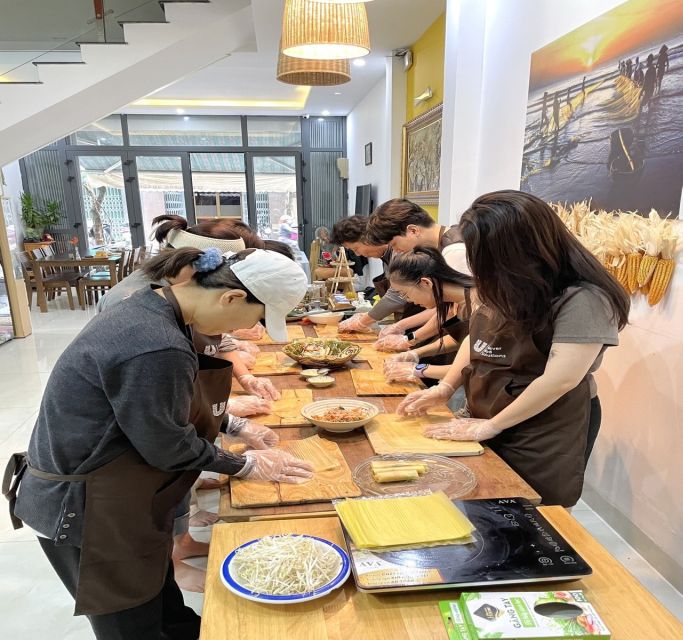
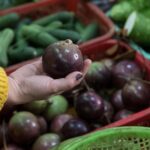
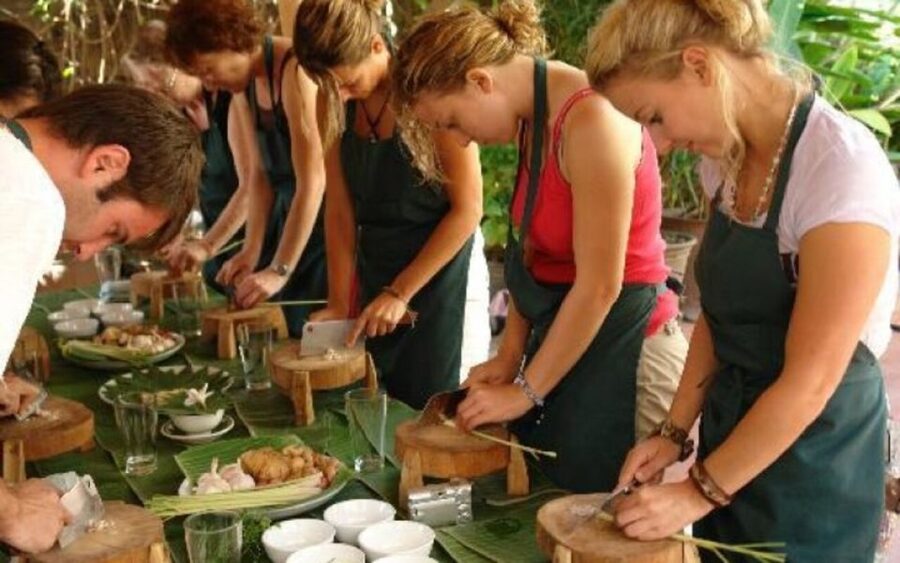
The chef prepares all ingredients, which keeps the class moving and makes it realistic to finish within 2.5 hours. But you still do real learning during the prep phase. You’ll be shown how to choose the best ingredients, and you’ll hear their interesting Vietnamese names.
That might sound small, but it’s huge if you want more than a one-off meal. Knowing what to look for (and what to call it) helps you:
- avoid guessing when you cook later,
- shop more confidently,
- and get closer to the real flavor profile instead of making substitutions blindly.
This class also includes an English instructor, so you’re not stuck doing kitchen math and guessing what’s supposed to happen next.
Hands-On Gỏi Cuốn (Spring Rolls): Where Technique Matters
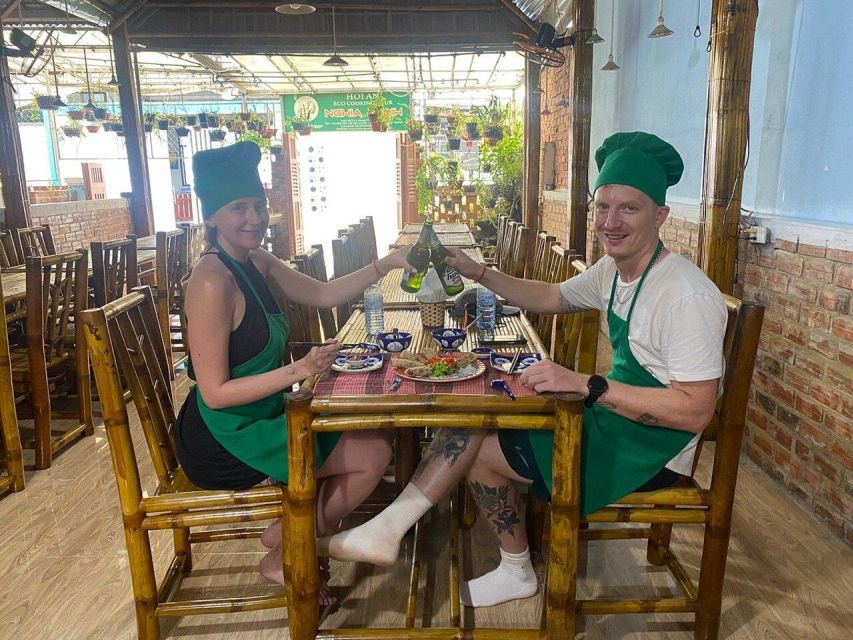
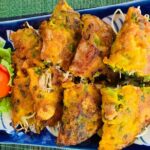
One of the core dishes is Gỏi cuốn (spring rolls). The class format is hands-on, so you won’t just assemble your plate. You’ll actively work on the dish, guided by the chef.
What’s valuable here is technique. Spring rolls are a dish that can go wrong fast—texture, filling balance, and wrapping can all affect the final result. Even without knowing every step in Vietnamese, you’ll pick up the practical rhythm of making them the way a local cook expects.
A detail I’d watch for: the way the chef explains the dish likely isn’t only about the ingredients. It’s about how you handle them and how you check that the roll is coming together right. That’s the kind of lesson you can use again later when you cook at home.
From the experience format, you should also expect some additional tasting and guidance alongside the main cooking tasks, because these classes usually build in short pauses to help you understand what you just made.
The Main Event: Pho (Beef or Chicken Noodles)
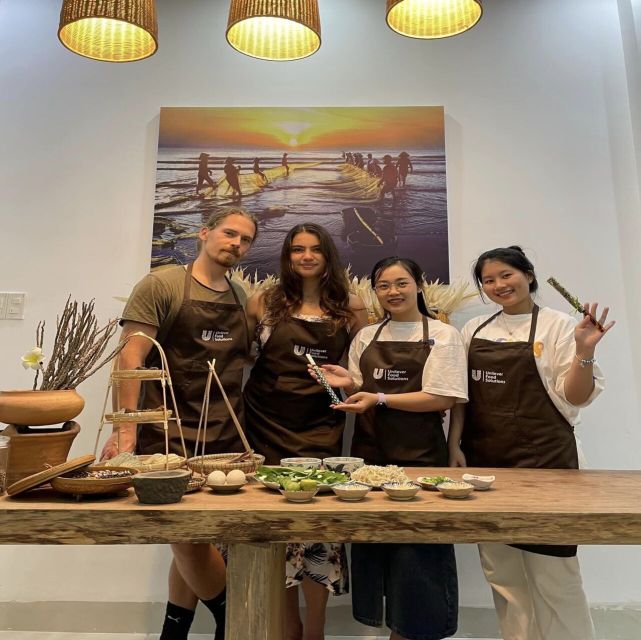
Pho is the star dish. You’ll learn to make it with the chef, and the class includes Pho with beef or chicken noodles, depending on what the menu offers that day.
Here’s why this matters for you as a cook-in-training:
- Pho is a flavor system, not just a noodle soup.
- If you learn what makes the broth taste right and how the dish comes together, you can improve your homemade versions a lot faster.
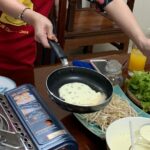
In this class, you’ll get hands-on experience cooking Pho and then tasting what you made. You’ll also learn a local way of enjoying it, not just eating it quickly to make room for dessert.
One review I saw highlighted that the flavors came out fantastic when following the chef’s instructions. The good news for you: you don’t need to be a skilled cook to get there. The chef prepares the ingredients, and your job is to focus on the parts that shape the dish.
Passion Juice: An Easy Win That Keeps It Fun
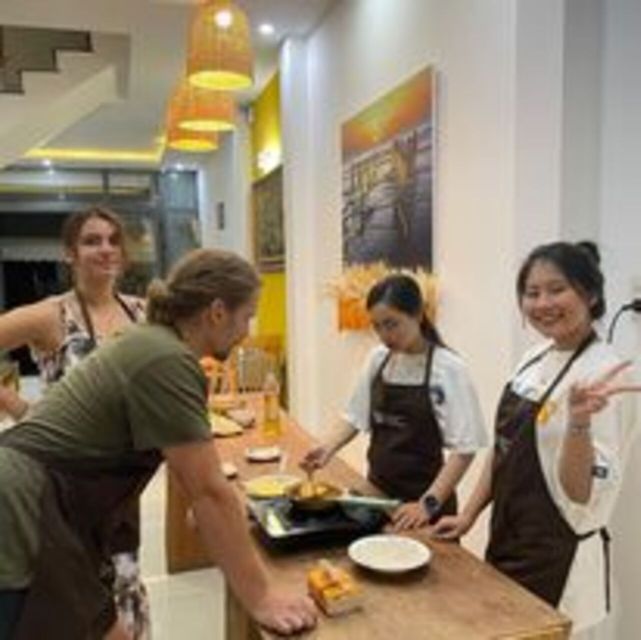
You’ll also make passion juice and you get unlimited servings during the class. This is one of those add-ons that feels small at first, but it changes the energy.
Unlimited drink means:
- you can slow down for a few bites,
- taste and adjust your expectations,
- and keep the meal comfortable while you work.
A fresh passion fruit drink is a great match for Vietnamese dishes because it balances heavier flavors. It also makes the whole experience feel more like a shared meal than a strict cooking lesson.
Lunch or Dinner Included, Plus Recipe Take-Home
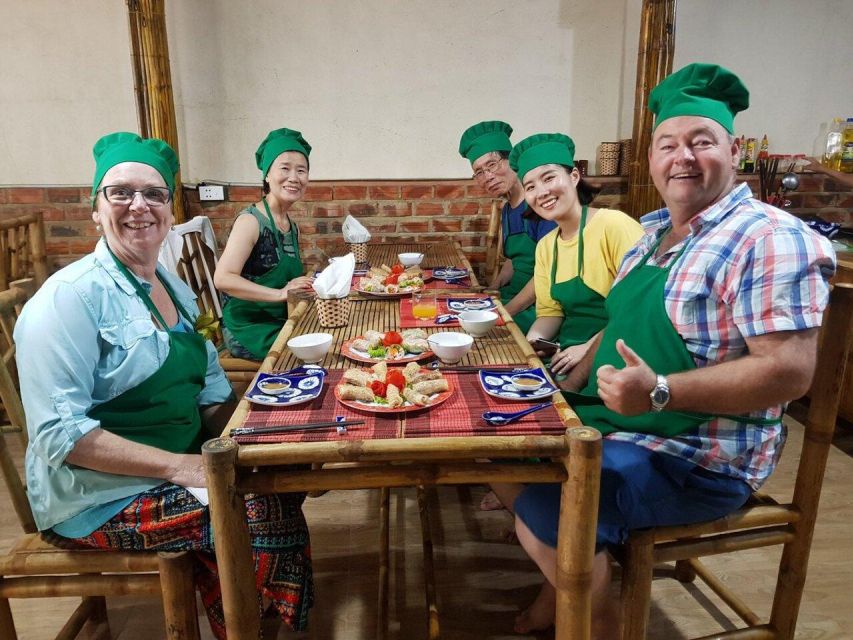
Your class includes lunch/dinner and the cooking recipe. That recipe isn’t just a nice souvenir. It gives you a path to repeat the dishes at home.
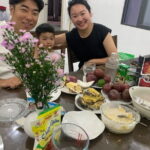
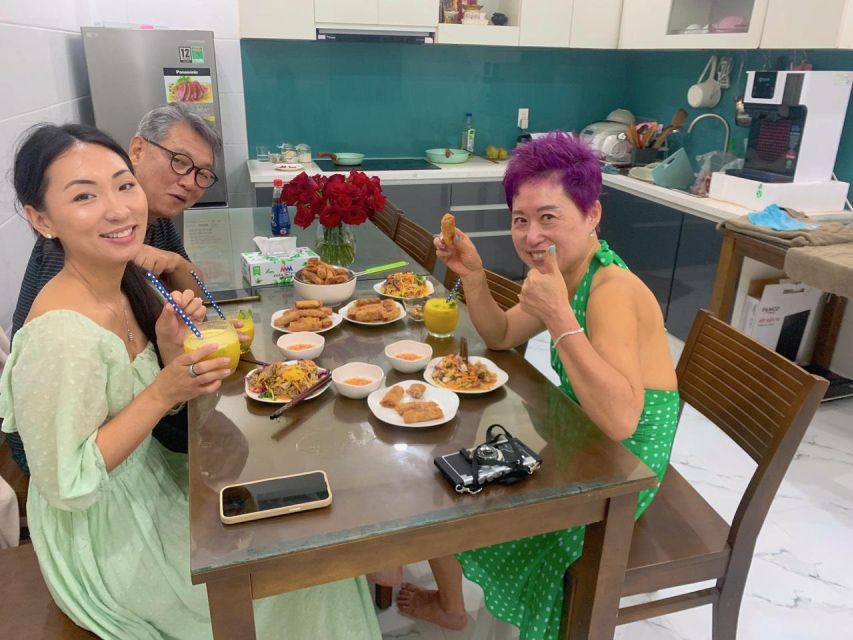
What to expect at the table: you’ll eat what you made as part of the experience, so the class closes with a payoff. Instead of hoping it tasted good in the moment, you get to taste right away and understand what worked.
If you want to make this more practical at home, take notes during the class on anything the chef emphasizes—ingredient choices, timing, and how the finished dish should look or taste.
Vegetarian Options: Real Substitutions, Not Just a Side Salad
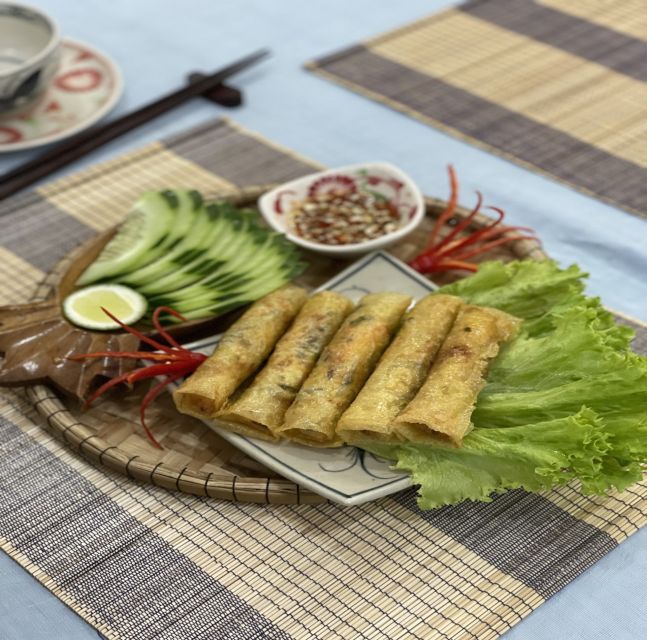
If you’re vegetarian, the chef will adjust ingredients so you can still participate. The data specifically mentions substitutions like mushrooms, tofu, and eggplant.
That matters because it keeps the experience from turning into a passive workaround. You’ll still cook Vietnamese dishes that align with your diet, and you’ll still learn the same overall process and flavor logic.
So if you’re traveling with dietary needs, this is worth considering because the class is designed to adapt instead of forcing a separate plan.
Small Group Format: Why Up to 8 People Feels Different
This class is limited to 8 participants. That’s a sweet spot. You get enough room to work, and the chef can actually help as you cook.
In practice, a small group usually means:
- more chances to ask why something is done a certain way,
- less confusion when steps change,
- and faster feedback when you wrap a roll or assemble a dish.
For solo travelers, that also helps with the social side. You’ll meet new people while you cook, and the pacing makes it easier to chat without feeling like you’re stuck waiting your turn.
Price and Value: Why $30 Makes Sense Here
The price is $30 per person, for a class lasting 2.5–3 hours, including ingredients, unlimited passion juice, lunch/dinner, and a recipe.
On paper, it’s easy to compare this to a regular meal. But the value is in what you get along with the food:
- You’re paying for instruction on Vietnamese cooking techniques.
- You’re paying for guidance in choosing ingredients (and learning Vietnamese names).
- You’re leaving with a recipe you can use later, not just a memory.
Also, because the group is small and the class is hands-on, you’re not paying for a passive show. You’re paying to participate.
One cost consideration to keep in mind: there’s an extra-charged 150,000 VND per person (cash) if you book on a Vietnamese public holiday. If your dates include one of those days, plan for the cash amount so it doesn’t surprise you.
Who This Experience Is Best For (And Who It Isn’t)
This class fits best if you want food skills, not just food.
- You like hands-on cooking.
- You want to bring Vietnamese flavors home.
- You enjoy a small-group setting where you can ask questions.
It’s also great if you’re the type who likes eating, then immediately learning how to recreate it. Pho and spring rolls are broad enough that the skills transfer to your own kitchen.
You might consider passing if:
- you strongly prefer hotel pickup and a fully packaged schedule,
- you want a long multi-course cooking day (this is intentionally short),
- or you don’t enjoy active cooking tasks and prefer only tasting.
Before You Go: Notes That Help You Have a Smoother Class
A few practical points based on what’s stated:
- The instructor teaches in English.
- Pets aren’t allowed.
- The menu may change a bit depending on availability of local ingredients, so don’t expect the exact same lineup every day.
- Children under 4 are free and do not join cooking, but they can share the meal with parents. (So bring them for the food part, not the cooking part.)
Also, since there’s no pickup, make sure you know how you’ll get there ahead of time. Your easiest route can change with traffic.
Should You Book This Da Nang Cooking Class?
If your goal is to go home with more than photos, I’d book it. The combination of hands-on Pho and spring rolls, ingredient guidance with Vietnamese names, unlimited passion juice, and a take-home recipe is a strong mix for a short time block.
It’s especially a good fit if you want a local-chef experience in a small group and you don’t mind making your own way to the meeting point. Treat it as a cooking skill session first, and a meal second—and you’ll get the most out of it.
If you’re booking on a Vietnamese public holiday, double-check the extra cash fee ahead of time so you can enjoy the class without last-minute stress.
FAQ
What dishes will I cook in the Da Nang cooking class?
You’ll cook Vietnamese dishes such as spring rolls (Gỏi cuốn), Pho (beef or chicken noodles), and passion juice. The menu may change slightly depending on local ingredient availability.
How long is the experience?
It lasts about 2.5 to 3 hours. Starting times vary, so you’ll want to check availability for the schedule.
Is the class taught in English?
Yes. The instructor teaches in English.
How many people are in the group?
This is a small group limited to 8 participants.
Is hotel pickup and drop-off included?
No. Hotel pickup and drop-off are not included, and the activity ends back at the meeting point.
Do you offer vegetarian options?
Yes. If you are vegetarian, the chef will change ingredients into veggies such as mushrooms, tofu, and eggplant.
Is there any extra charge on Vietnamese public holidays?
Yes. There’s an extra 150,000 VND per person (cash) if you book on a Vietnamese Public Holiday.