REVIEW · OTRANTO
Otranto: Cooking Class at a Local’s Home
Book on GetYourGuide →Operated by Cesarine · Bookable on GetYourGuide
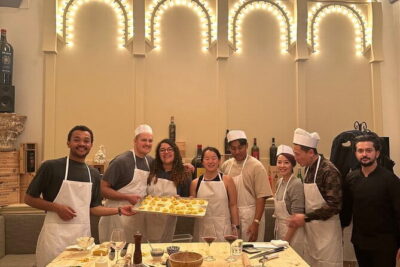
You’ll learn Italian cooking where families actually eat. In Otranto, this class takes place in a local home with a certified home cook and a private-group feel, so the lesson is personal and relaxed. I especially like the clear flow of starter, pasta, and dessert and the fact that you taste everything at the table, not just sample a bite or two.
You’ll get hands-on instruction for three authentic regional recipes, along with wine and coffee to match the meal. One thing to consider: the address is shared after booking, so you’ll want to plan for a quick message check once you reserve and be ready to arrive at a residential meeting point.
In This Review
- Key Things I’d Put First
- Otranto Cooking Class Setup: What the 3 Hours Feels Like
- Meeting in a Local Home (and Why It Changes Everything)
- The Menu You’ll Cook: Starter, Pasta, Dessert
- Starter Course: Learning Flavor Foundations
- Pasta Course: Getting the Sauce and Timing Right
- Dessert Course: The Sweet Finish That Sticks
- Wine, Coffee, and the Table Moment
- Your Host and Instructor: Certified, Bilingual, Family-Style
- Price and Value: Why $164.26 Can Make Sense
- Who This Cooking Class Suits Best (and Who Might Hesitate)
- What to Do Before You Go
- Should You Book This Otranto Cooking Class?
- FAQ
- Where is the meeting point?
- How long is the cooking class?
- What time does the class usually start?
- What will I cook and eat?
- Are wine and other drinks included?
- Do they offer dietary options?
- Is it a private group?
- What languages are used?
- Is there free cancellation?
Key Things I’d Put First
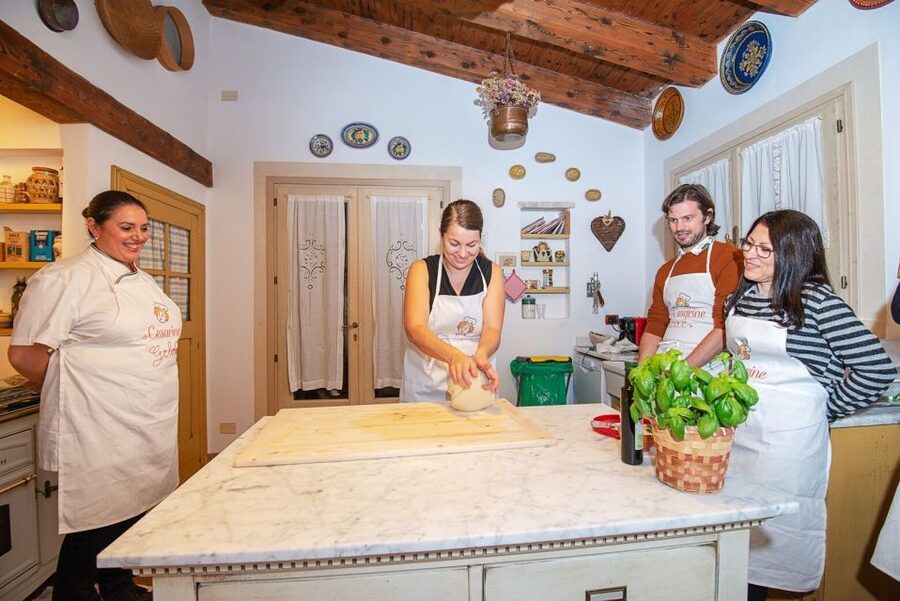
- Private-group cooking with a real home cook (not a demo, not a showroom)
- Three recipes taught step-by-step: starter, pasta, dessert
- Wine at the table, plus water and coffee, built into the experience
- Family style eating that turns the class into a shared meal
- Host support for dietary needs when you request in advance
- Hands-on take-home skills you can actually repeat later
Otranto Cooking Class Setup: What the 3 Hours Feels Like
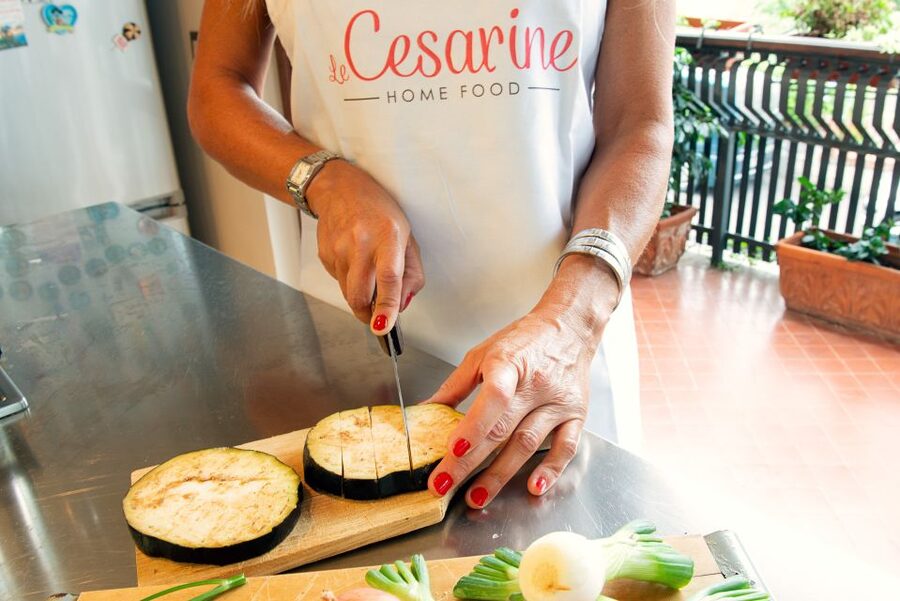
This is a three-hour class in a local family home in Apulia. The schedule usually runs at 10:00 AM or 5:00 PM, and the provider can be flexible if you share your travel needs ahead of time. With a private group, you’re not stuck “waiting your turn” while someone else gets most of the attention.
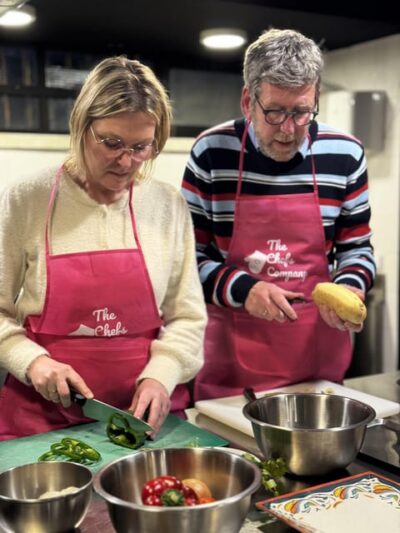
The vibe is kitchen-real. You’ll have a workstation set up with utensils and all the ingredients you need, so you aren’t hunting for supplies or doing guesswork. That matters, because the goal here is to learn technique and flavor, not to spend your time searching for one missing ingredient.
Also, you’re not just learning; you’re eating what you make. The class ends back at the meeting point, and the whole experience is designed around sitting together, tasting, and getting comfortable asking questions.
Meeting in a Local Home (and Why It Changes Everything)
Your meeting point is a residential address, and for privacy reasons you’ll receive the full address of your host after booking. Once you book, you’ll be contacted with the exact meeting point information. Plan to check your confirmation voucher details and message the host using the contact info provided there.
That address setup is more than a logistical note. It’s the reason this doesn’t feel like a staged cooking show. You’re stepping into someone’s routines—where family recipes live, where cookbooks have real stains from real use, and where you can ask why a sauce gets cooked a certain way or how they judge doneness without overthinking it.
Practical tip: treat this like a dinner invite. Arrive a few minutes early, bring your curiosity, and don’t stress about needing perfect Italian. The instructor speaks Italian and English, so you can follow along and ask questions in a way that feels natural.
The Menu You’ll Cook: Starter, Pasta, Dessert
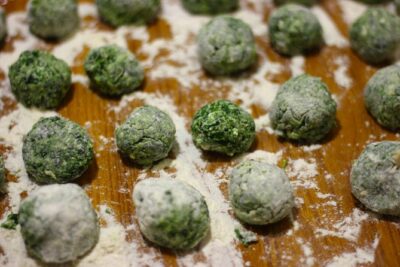
The class is built around three local recipes: a starter, a pasta course, and a dessert. You’ll learn these recipes while the cook guides you through the key steps, then you’ll taste what you’ve made as part of the shared meal.
Here’s why this structure is such good value. A lot of cooking classes focus on one dish. This gives you a full arc—something to start with, something that shows the heart of Italian cooking (pasta), and a sweet finish. Even if you’re a beginner, you’ll leave with a more complete “Italian meal” framework rather than a single recipe you might not know how to serve.
And because the food is all part of one sitting, it’s easier to connect flavors across courses. You might notice how the starter sets up the palate for the pasta, or how the dessert balances the meal. That’s the kind of instinct you can reuse later when you cook at home.
Starter Course: Learning Flavor Foundations
The starter is where you learn the basics of regional flavor—how ingredients work together and how small technique choices affect taste. You’ll work at your station with the ingredients ready, and the instructor will explain what to focus on while you cook.
For you, the win is speed and clarity. If you’re intimidated by Italian cooking, the starter helps you get confidence fast. You’re learning principles, not just repeating steps.
Pasta Course: Getting the Sauce and Timing Right
The pasta course is the heart of the lesson. This is where technique usually matters most: how to handle dough or shape, how to treat the sauce components, and how to time everything so the pasta and sauce land together.
Even if your cooking background is basic, this part tends to click because it’s interactive. You can see what the cook does, ask questions, and then apply it to your own workstation.
Also, pasta lessons are one of the best ways to understand Italian cooking style. Italians cook with a strong sense of balance and timing. You’re not making a complicated dish for its own sake—you’re building something that tastes right as a whole meal.
Dessert Course: The Sweet Finish That Sticks
For dessert, you’ll make and taste a local sweet. The reviews point to one standout: the tiramisu is often described as the best people have ever tried. That tells you the dessert here isn’t an afterthought. It’s part of the lesson and part of the meal, with enough attention to leave you feeling proud of what you made.
Dessert is also where you get a sense of how Italian families think about texture—creaminess, structure, and that final chilling or resting step that makes the dessert behave correctly.
Wine, Coffee, and the Table Moment
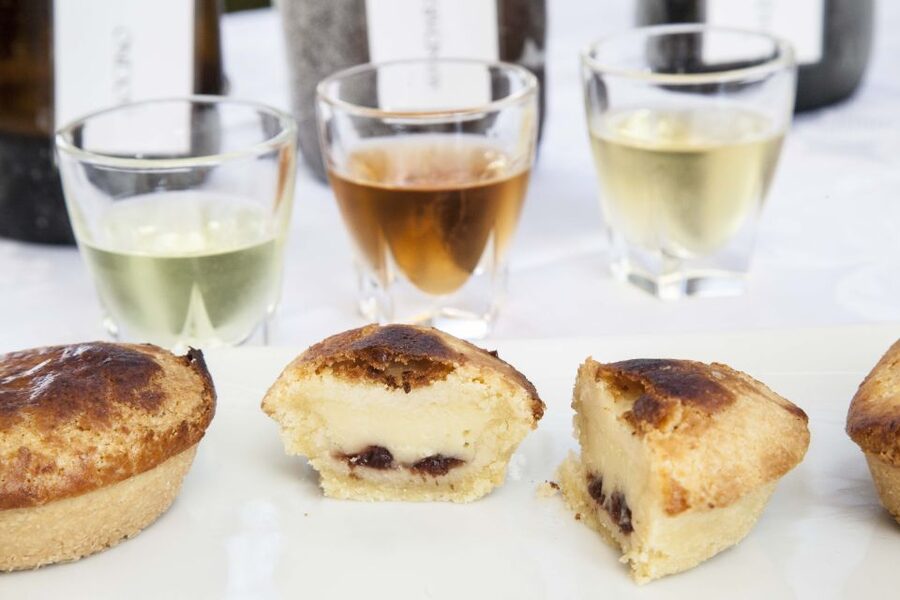
You’ll taste the courses you prepare with beverages included: water, local wines, and coffee. The wine pairing isn’t just for ambiance. It makes the meal feel like what it is in Italy: part of social time, not a separate activity.
This is where the class becomes more than cooking. You’re gathered around the table with the host and instructor, sharing food that’s literally in front of you. One review described it as time standing still during a family sharing around the kitchen, and another highlighted a lunch with the family plus homemade limoncello.
That limoncello detail is worth noting because it signals the kind of personal touch the host brings. It’s not a generic “tourist treat.” It’s the sort of small local finish that makes you remember the day long after you’ve forgotten what time you arrived.
Your Host and Instructor: Certified, Bilingual, Family-Style
The class is offered through Cesarine, a network known for home-based hospitality. The instructor is listed as Italian and English, and you’ll learn from a certified home cook.
From the way people talk about their hosts, the most praised aspect is the family warmth—learning in a kitchen that feels lived-in, and meeting someone like Lidia (mentioned in the reviews) who guides the experience with confidence and friendliness. That kind of host matters because you’ll likely ask questions as you cook, and you’ll want the answers to feel practical rather than scripted.
Expect the teaching to feel like a conversation: the cook shows you what they do, explains the why behind the steps, and then helps you make it happen at your own station.
Price and Value: Why $164.26 Can Make Sense
The price is $164.26 per person for about 3 hours, including:
- the cooking class itself
- tasting of three local dishes (starter, pasta, dessert)
- water, local wines, and coffee
This is where the math becomes clearer than it first looks. You’re not paying only for instruction. You’re paying for ingredients (already portioned and set up), a bilingual host, private-group time, and the meal plus drinks built into the experience.
If you’ve ever done a cooking class where you end up with a tiny tasting and a bag of recipes, this is the opposite. Here, you leave fed, with techniques you can repeat, and with enough structure to recreate a full meal at home. That’s what turns the cost into real value.
If you’re traveling as a couple or small group and want a more personal, less crowded experience, the private-group format supports that goal. If you’re trying to save money at all costs, a market meal or casual cooking demo might be cheaper—but it won’t give you the same hands-on arc and table experience.
Who This Cooking Class Suits Best (and Who Might Hesitate)
This class is a strong fit if you:
- want authentic Apulian cooking without a restaurant setting
- like hands-on learning more than watching
- enjoy wine and a proper sit-down meal
- travel with someone and want a private-group experience
You might want to think twice if you:
- prefer big public venues with set start points (this is a home address)
- don’t want to handle a residential meeting location
- have very tight time windows and need an exact schedule fixed far in advance
(The start times are usually 10 AM or 5 PM, and the provider may be flexible if you arrange it.)
What to Do Before You Go
You won’t need to study a recipe beforehand, because ingredients and utensils are provided. Still, do two simple things to make the day smoother:
- Plan to message promptly after booking so you get the address details on time.
- If you have dietary needs (vegetarian, vegan, gluten free, and more), request catering in advance so the host can adapt the recipes appropriately.
If you’re the type who likes to remember what mattered, bring a small notebook or notes app and write down the parts that make the biggest difference—like sauce timing, texture checks, and plating steps.
Should You Book This Otranto Cooking Class?
Book it if you want one of the most direct ways to understand Apulia through food: cook three courses, taste them with local wine, and learn from a bilingual home cook in a real family kitchen. The strongest selling point is the combination of hands-on instruction and the shared table moment—you don’t just learn, you sit down and enjoy.
Skip it only if you’re uncomfortable with the home setting or you need a very rigid, public meeting experience. Otherwise, this is the kind of day that turns into a story you’ll keep telling: the kitchen, the meal you helped make, and the small local touches like limoncello that make the memory feel personal.
FAQ
Where is the meeting point?
The class is in a local family home. For privacy, the full address is shared after booking. You’ll get the exact meeting point details through your confirmation voucher.
How long is the cooking class?
It lasts about 3 hours. The experience provider can have different starting times depending on availability.
What time does the class usually start?
It usually starts at 10:00 AM in the morning or 5:00 PM in the afternoon, but the provider can be flexible if you coordinate in advance.
What will I cook and eat?
You’ll cook and taste three local dishes: a starter, pasta, and dessert. Beverages are included.
Are wine and other drinks included?
Yes. The included beverages are water, local wines, and coffee.
Do they offer dietary options?
Yes. The local provider can cater to dietary requirements on request, including vegetarian, vegan, and gluten free options.
Is it a private group?
Yes, this is listed as a private group.
What languages are used?
The instructor speaks Italian and English.
Is there free cancellation?
Yes, you can cancel up to 24 hours in advance for a full refund.