REVIEW · THESSALONIKI
Private Greek Home Cooking Class in Epanomi with Erna
Book on Viator →Operated by Traveling Spoon · Bookable on Viator
You cook, you eat, you learn real Greek flavor. This private class takes place in Erna’s seaside village home outside Thessaloniki, where you help make northern Greek favorites with fresh seasonal ingredients.
I love the hands-on part, especially when you’re working right alongside Erna as dishes come together step by step. I also like that the experience doesn’t stop at cooking—you sit down for the full meal, with Greek wine, then finish with coffee and homemade loukoumi.
One thing to plan for: there’s no hotel pick-up, and the activity starts and ends back at the meeting point in Epanomi.
In This Review
- Key things to know before you go
- Step into Erna’s seaside home outside Thessaloniki
- How the 3-hour experience really plays out
- The dishes you’ll make: northern Greece, not just “Greek salads”
- Starter ideas
- Main dishes and sides
- Dessert finish
- Why the seasonal menu is a good thing
- A closer look at the skills: from wine leaves to purslane
- The purslane tzatziki lesson
- Leafy herbs pie: why it matters
- The meal, the wine, and the notebook-style notes
- Price and value: what $125 buys you (and why it can be worth it)
- Practical tips so you get the most out of the kitchen time
- Who should book this class in Epanomi
- Should you book this private Greek home cooking class with Erna?
- FAQ
- How long is the private Greek home cooking class?
- Is this a private experience?
- What language is the class taught in?
- Is the meal included?
- Is alcohol included?
- Do I need to arrange my own transport?
- Where do I meet the host?
- Can I request a vegetarian menu?
- Will the menu change?
- Are allergies accommodated?
- Can I cancel and get a full refund?
Key things to know before you go
- Private class in Epanomi: it’s just your group in Erna’s home
- Northern Greek sides you can actually repeat: seasonal ingredients and practical cooking steps
- Ingredient notes you can keep: Erna shares a notebook-style write-up you can take home
- Wine with the meal: included as part of the sit-down dining
- Vegetarian option available: tell the host when booking
- Meet at the Epanomi school: plan your own transport to the address provided
Step into Erna’s seaside home outside Thessaloniki
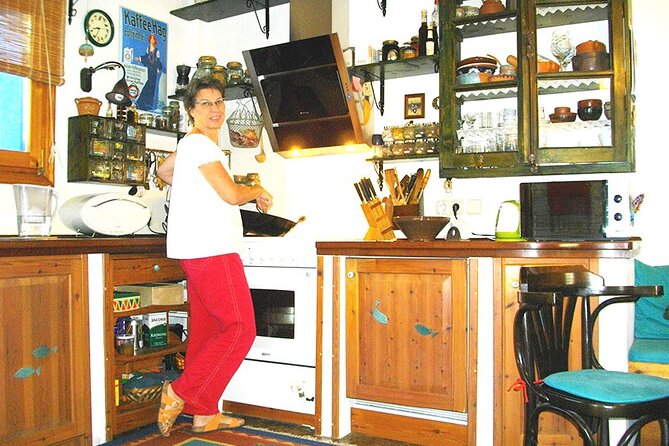
This is the kind of Greek cooking experience you’ll remember because it feels like a real visit, not a performance. You join Erna (and her husband, Thanos) in their home in Epanomi, a village area just outside Thessaloniki, and you’re treated like a welcomed participant from the start.
The meeting point is at the Model Vocational High School of Epanomi (Nicoláou, Sarvani 2, Epanomi 575 00). From there, you’ll head into the home setting where the day unfolds. Since there’s no hotel pick-up, I suggest you map the meeting address early and give yourself a little buffer time—Epanomi isn’t a “just hop out of the taxi” kind of stop if you’re arriving on your own.
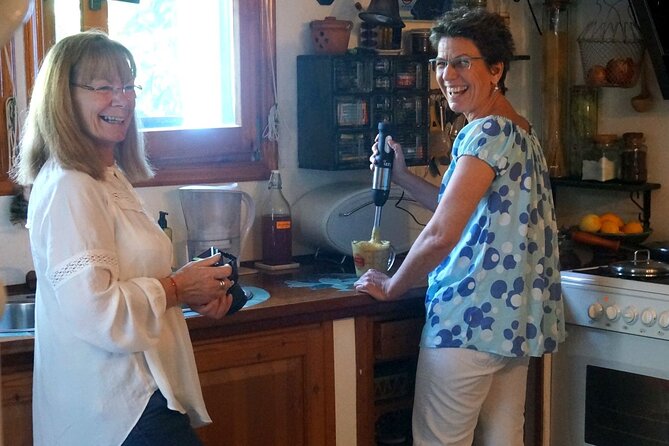
Once you’re inside, you’ll notice the atmosphere is more kitchen hangout than classroom. Erna keeps the pace friendly and approachable, and you spend the day cooking, eating, and talking as food moves from raw ingredients to a full table spread.
You can also read our reviews of more tours and experiences in Thessaloniki.
How the 3-hour experience really plays out
The total time is about 3 hours. Cooking takes about 1–2 hours, and then you shift into the meal and the relaxed finish.
Here’s the flow in plain terms:
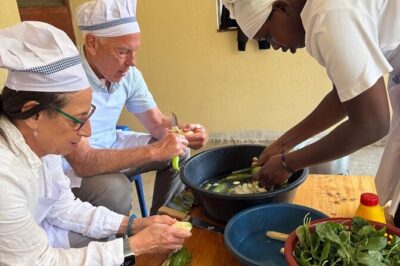
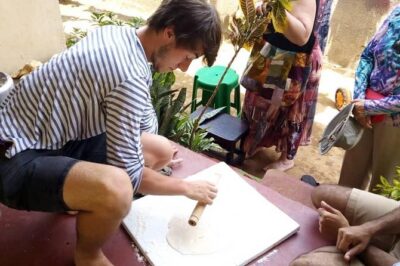
First, you start cooking with Erna’s guidance. This is where the work is hands-on: you’re not just watching a demo, and you’re not left completely on your own either. Erna’s approach is warm and practical, and the rhythm is built for real people to follow along.
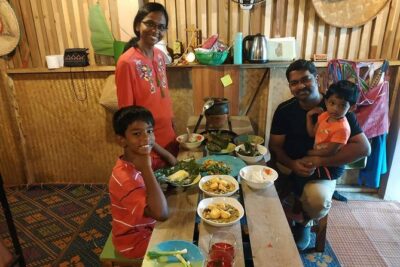
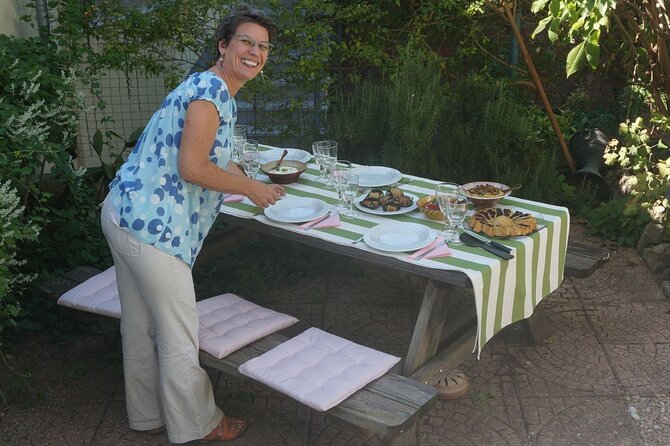
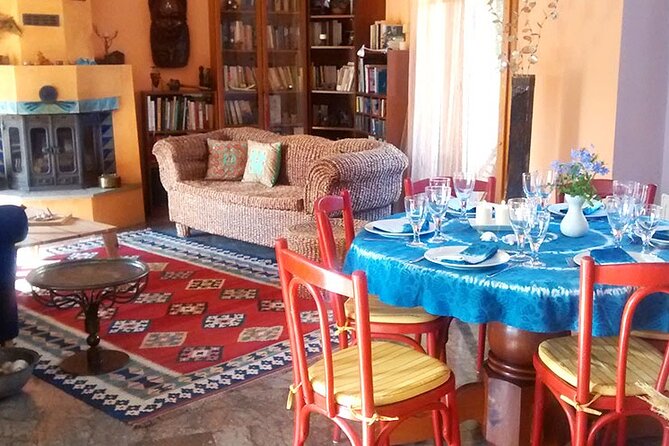
Next comes the sit-down part. After the cooking, you eat the dishes you helped create, plus additional items prepared by Erna. Depending on the weather, you’ll dine in the dining room or in the garden—so you get that homey change of scenery instead of staying in one spot the whole time.
Finally, you wrap with coffee and homemade loukoumi (traditional sweets). It’s a soft landing. You’re not hustled out; you get a chance to swap stories with your hosts and soak up the slower pace that’s hard to find on tight tourism schedules.
The dishes you’ll make: northern Greece, not just “Greek salads”
The menu centers on northern Greek flavors and seasonal ingredients. You can expect several traditional dishes and sides, with some standout choices that go beyond the usual tourist hits.
Based on what you’re told to expect, here are some of the items that can appear:
Starter ideas
You might start with fava beans or olive bread. Both are simple, but in a cooking class they matter because they set the tone for texture and seasoning—what tastes right, what balances, and what doesn’t.
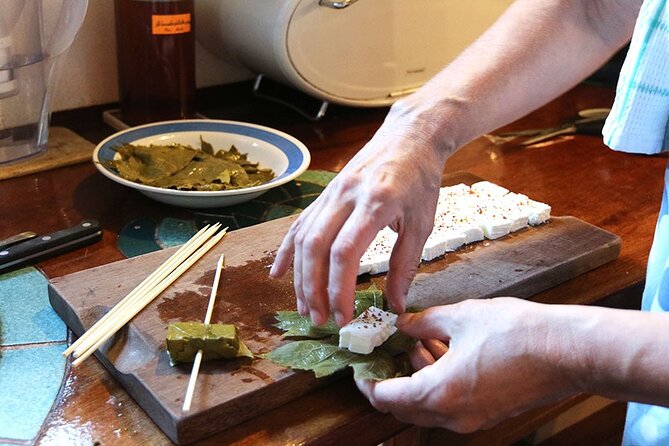
You may also work with a dish that uses feta or anchovies wrapped in wine leaves. Wine leaves are one of those ingredients that sound exotic until you see how they’re handled—then they stop feeling intimidating and start feeling doable.
Main dishes and sides
A strong theme here is herbs. You may prepare fried aubergines stuffed with herbs and cheese, where the core skill is stuffing and getting the filling flavorful before it ever hits the pan.
Another highlight is a different take on tzatziki. Instead of the usual cucumber-heavy version, you’ll make a tzatziki-style sauce using purslane (the wild green). The method described includes straining yogurt with garlic, then adding olive oil, lemon, and that peppery wild herb. That combination is a big part of what makes this class feel tied to the season and local tastes.
The class also leans into leafy greens and pies. You might make a traditional pie with leafy herbs—including leafy varieties like amaranth, dock weed, and dandelion. If you like food that tastes a little like it’s “from a place,” this is where you get it.
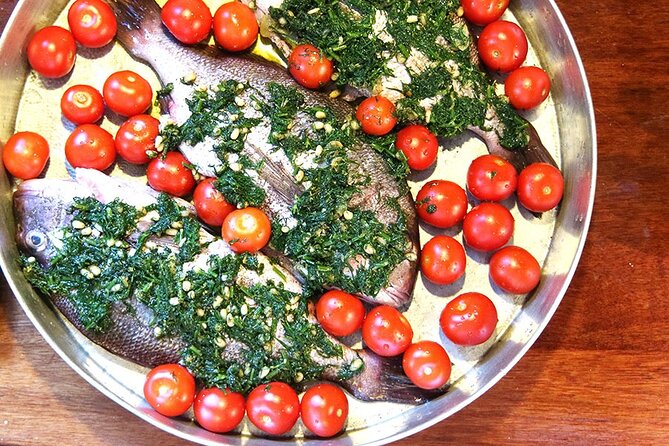
Fish is also on the menu possibilities, with fish served with herbs and pine nuts. That pairing is practical to understand: salty, nutty richness plus herbs equals depth without needing complicated tricks.
Dessert finish
For dessert, you might end with pomegranate gelee or fig strudel in red wine sauce served with Greek yogurt. Even if you don’t copy the dessert exactly at home, it’s useful for learning how Greek desserts balance fruit sweetness with gentle dairy cooling.
Why the seasonal menu is a good thing
Because the menu can vary by season, you won’t get the same list no matter when you book. That’s actually a plus for you: it means you’re cooking with what’s fresh right now, and you’re learning techniques that translate even when ingredients shift.
A closer look at the skills: from wine leaves to purslane
This class is built around “real cooking moves,” not fancy jargon. You’ll likely do a mix of prep, stuffing, stuffing-and-frying, assembling, and seasoning—plus tasting along the way so you understand what to adjust.
The purslane tzatziki lesson
If you’re used to standard tzatziki, the purslane version is the moment the class becomes memorable. Purslane has a peppery bite, so it changes the whole attitude of the sauce. You’ll learn how to work with it alongside strained yogurt, garlic, olive oil, lemon, and the herb’s bite.
When you taste it, you’ll understand why this class focuses on “northern Greece” rather than only the most famous national dishes. It’s local flavor logic, and that’s the kind of learning you can use later.
Leafy herbs pie: why it matters
The pie with leafy herbs like amaranth, dock weed, and dandelion is a great example of cooking that uses what’s available. You’re not just following a recipe—you’re seeing how greens are cleaned, handled, and folded into something that turns them into comfort food.
This also helps you break the stereotype that Greek food is only grilled meat and salads. You’ll see how serious greens can be when they’re treated with care.
The meal, the wine, and the notebook-style notes
Cooking is only half the win here. The other half is what happens when you finally sit down.
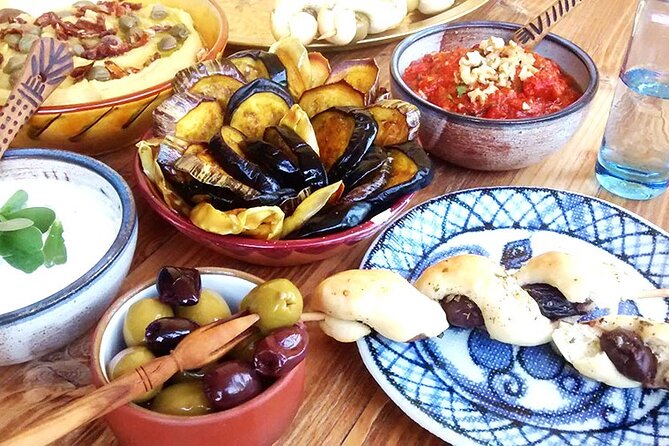
You’ll eat a full meal made from what you prepared, along with extra dishes prepared by Erna. Greek wine is included, which makes this feel like a proper host-led dinner rather than a quick tasting. If weather allows, the garden dining setting adds that relaxed home pace—no rush, no rotating tables, no need to keep your eyes on a clock.
One detail that stood out from the experience style: Erna takes time to write down ingredients in a notebook and leaves space between the pages so you can make notes about measurements and instructions you want to remember. In the kitchen, she also doesn’t focus on strict teaspoon-and-tablespoon precision. If you cook at home, you’ll probably find that refreshing, because you’ll use the tasting and texture cues you already understand.
So you don’t just leave with a good meal. You leave with a practical memory aid.
Price and value: what $125 buys you (and why it can be worth it)
At $125 per person for about 3 hours, this isn’t a cheap “sample bites and move on” activity. The value comes from three things:
First, it’s private. Only your group participates, and you get one-on-one attention while you cook. That matters because cooking classes can be frustrating when a host is juggling too many people.
Second, it includes the full homecooked meal plus alcoholic beverages, all fees and taxes. Many food experiences charge extra once you add the meal element, so bundling this together improves the math.
Third, you’re learning dishes tied to place and season—like purslane tzatziki and herb pies—stuff you’re unlikely to recreate well from a generic recipe video. Even if you only make one or two dishes again, that’s still “value per meal,” not just value per bite.
If you like food and want something more personal than a restaurant dinner, this is the kind of booking that can pay off emotionally as well as practically. Also, it’s typically booked around 68 days in advance, so I’d plan ahead if your dates are firm.
Practical tips so you get the most out of the kitchen time
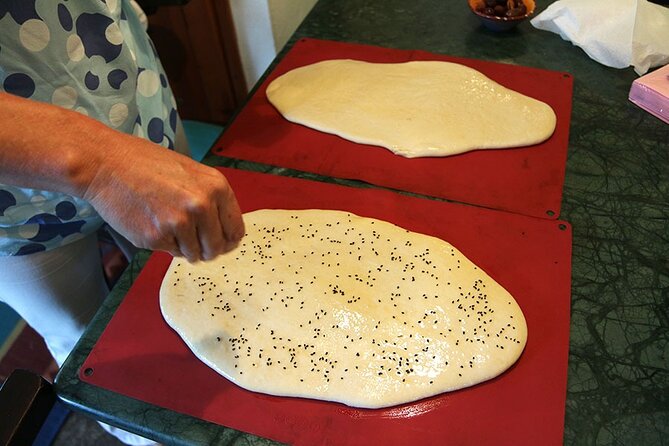
This is a hands-on class, so small choices make your experience smoother.
- Arrive ready to cook: bring comfortable clothes and shoes you don’t mind getting a little kitchen dust on.
- Tell them about dietary needs early: there are vegetarian options available if you request it at booking, and you should advise the host about any allergies, dietary restrictions, or cooking preferences.
- Have questions in your back pocket: ask about how they choose ingredients season to season and how they adjust flavors to suit different tastes.
- Think “notes, not exact copies”: Erna’s style includes ingredient write-ups and room for your own measurements, but cooking is treated like a feel-based craft too. If you love precise recipes only, you might need to be ready to translate.
- Plan your transport to Epanomi’s meeting point: since there’s no pick-up, your arrival plan is part of the success of the experience.
- Be ready for wine and then coffee: it’s part of the full dining rhythm, so pace yourself if you’re sensitive to alcohol.
Who should book this class in Epanomi
This works best if you want an authentic, home-led food experience. It’s a good fit for:
- couples and small groups who like private attention
- food lovers who want to learn dishes from northern Greece
- people who enjoy conversation over a meal and don’t mind getting a little involved in cooking
- anyone comfortable with the idea that dishes can shift based on seasonal ingredients
It might be less ideal if you’re looking for a strictly structured, timed “production line” cooking class with exact recipes for every step. Erna’s approach sounds more heart-led and flexible—great for learning, but different from very rigid formats.
Should you book this private Greek home cooking class with Erna?
If you want a Greek meal with context—where you learn why certain herbs, greens, and sauces work—you should strongly consider booking. The biggest strengths are the private home setting, the chance to cook meaningful dishes like purslane tzatziki and leafy-herb pie, and the fact that you get a full meal plus included wine and loukoumi afterward.
I’d book this when:
- you care more about cooking and hospitality than checking off a landmark
- you’re traveling in a small group and want real interaction
- you want practical notes you can take home, not just a plate of food
Pass on it only if the lack of pick-up would be a deal-breaker for your day, or if you need strict, precision-measurement teaching with no improvisation in the cooking style.
FAQ
How long is the private Greek home cooking class?
It’s approximately 3 hours total, including about 1–2 hours of cooking and then time to eat and finish with coffee and loukoumi.
Is this a private experience?
Yes. It’s private and only your group participates.
What language is the class taught in?
The experience is offered in English.
Is the meal included?
Yes. You’ll have a homecooked meal after the cooking, with dishes you helped prepare.
Is alcohol included?
Greek wine and other alcoholic beverages are included.
Do I need to arrange my own transport?
Yes. There is no hotel pick-up or drop-off. The activity starts at the meeting point in Epanomi and ends back there.
Where do I meet the host?
The meeting point is at Model Vocational High School of Epanomi, Nicoláou, Sarvani 2, Epanomi 575 00, Greece.
Can I request a vegetarian menu?
Yes. A vegetarian option is available if you advise at booking.
Will the menu change?
It can. The menu may vary depending on the season.
Are allergies accommodated?
You should advise the host at the time of booking about any allergies, dietary restrictions, or cooking preferences.
Can I cancel and get a full refund?
Free cancellation is available. You can cancel up to 24 hours in advance of the experience start time for a full refund.