REVIEW · THESSALONIKI
Thessaloniki: Greek Cooking Class, Market Visit and Lunch
Book on GetYourGuide →Operated by Active Thess Holidays · Bookable on GetYourGuide
Food shopping, then cooking, then eating sets the tone for this Thessaloniki food-focused outing. You start with quick tastings and ingredient picking, then move straight into hands-on cooking and a proper sit-down lunch.
I love that you shop at Kapani Market with a guide, choosing the vegetables you’ll cook with instead of just watching. I also love the practical payoff: you make classics like tzatziki, stuffed vine leaves (dolmadakia), and a sweet finish with chocolate salami.
One thing to consider: the cooking time and how hands-on it feels can depend on group energy. If you’re hoping for more complex, pastry-style techniques, you may find the menu more straightforward than you’d like.
In This Review
- Key highlights at a glance
- From Aristotelous Square to a Real Market-Then-Meal Day
- Kapani Market: picking produce like a local errand
- Modiano Market: a second stop for local cheese
- The cooking lesson: tzatziki, dolmadakia, stuffed veg, and more
- What you’ll do during the hands-on part
- How “hands-on” it feels
- Eating your work: lunch in a traditional tavern
- Price and value: is $108 worth 3.5 hours?
- Who should book this cooking class?
- Should you book this Thessaloniki Greek cooking class?
- FAQ
- What’s the duration of the Thessaloniki Greek cooking class?
- Where do we meet for the tour?
- What markets are included?
- What dishes will we cook and eat?
- Is the tour guided, and what language is it in?
- How much does it cost?
- Is lunch included?
- Are there flexible booking and cancellation options?
Key highlights at a glance
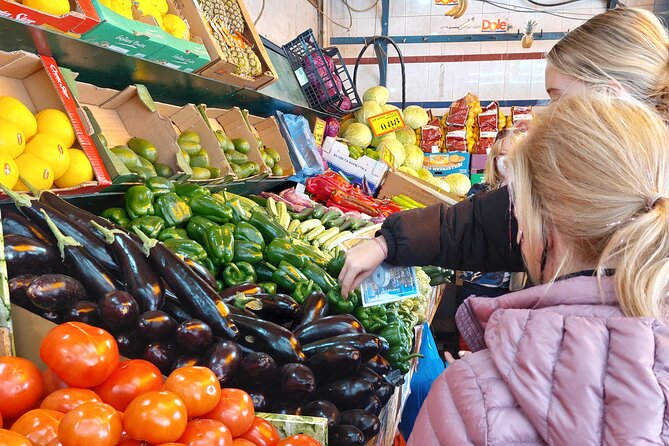
- Kapani Market ingredient picking: choose vegetables to match what you’ll cook later
- Quick olive tasting to start: a simple way to get your palate ready
- Clear, guided recipes: you cook Greek favorites with help from the pro cook
- A full meal you made: appetizers, salads, mains, plus dessert served at a tavern
- Modiano Market cheese tasting: a second market stop for extra local flavor cues
From Aristotelous Square to a Real Market-Then-Meal Day
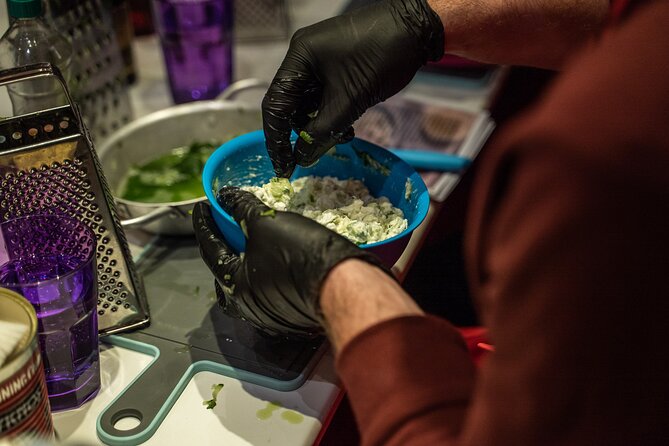
This is the kind of food experience that makes sense right away. You meet in Aristotelous Square, in front of the Electra Palace Hotel, then the schedule flows from tastes to shopping to cooking to lunch. It’s built to show you how Greek meals actually come together: buy the ingredients, use them immediately, and sit down to eat what you made.
The 3.5-hour format is also a big part of the value. You’re not spending half a day commuting between scattered activities. You get a complete food story in one block, which matters in Thessaloniki, where it’s easy to overpack your schedule.
If you care about learning recipes you can repeat at home, this style works well. You’re not just sampling dishes. You’re cooking them, with a guide who helps you get the steps right.
You can also read our reviews of more tours and experiences in Thessaloniki.
Kapani Market: picking produce like a local errand
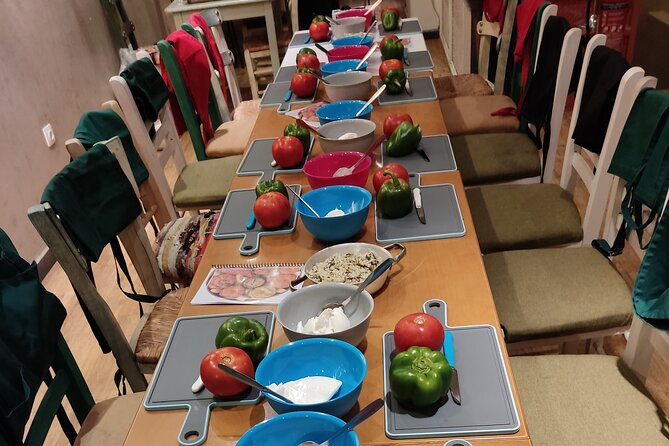
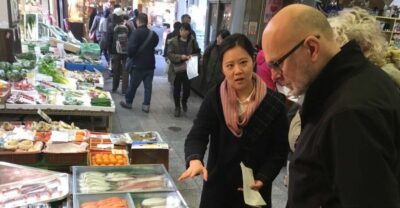
The first real stop is the Central Market of Thessaloniki, Kapani. The idea here isn’t fancy. It’s daily life. You’ll start with a quick tasting of Greek olives, then you’ll choose together the vegetables you’ll use in your cooking.
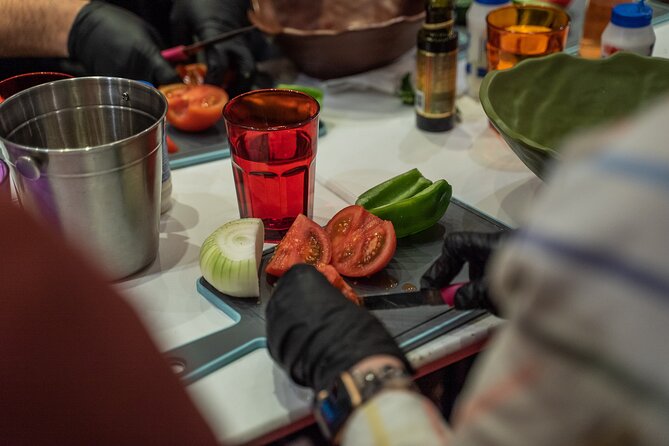
This part is surprisingly useful, even if you’re not a “market person.” When you pick the produce yourself, you understand what the recipe depends on. Later, when you’re making things like Greek salad or stuffed vegetables (peppers and tomatoes), you’re not guessing. You’re connecting the final plate to the ingredients you actually saw and selected.
Kapani is also where you get that live, street-level sense of what’s available locally. You’ll be engaging with traders and navigating stalls as part of the group, with a host guiding what to look for.
From past experiences, the guide’s tone can make or break this section. Some groups have been led by Maria, and her approach has been described as friendly and easygoing, which helps when you’re walking a busy market and trying to follow along. Another group mentioned Ellie as the guide, praising her knowledge of the area and her ability to explain what’s around you.
Either way, the goal stays the same: you leave Kapani with ingredients in hand and context in your head.
Modiano Market: a second stop for local cheese
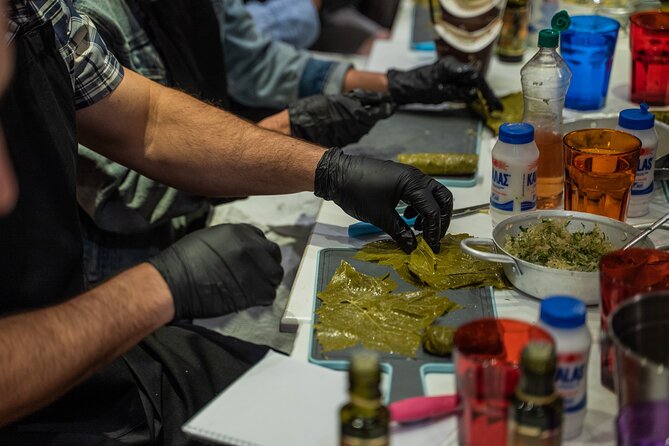
After Kapani, the experience shifts to Modiano Market, where you’ll taste local cheese. This is a nice change of pace from produce-focused shopping. Cheese tasting doesn’t require cooking skills, so it helps you reset your energy before the hands-on part begins.
Think of Modiano as a “flavor checkpoint.” It reinforces the idea that a Greek meal isn’t just about one dish. It’s about components that fit together—produce, dairy, sauces, and fillings. Even if you’re not buying a basket of items, you’re learning what to expect in the final menu.
It also makes the overall day feel longer and more layered without adding time. Two markets in 3.5 hours is a smart structure.
The cooking lesson: tzatziki, dolmadakia, stuffed veg, and more
Now comes the main event. With the help of a professional cook and an English-speaking guide, you learn how to prepare traditional Greek dishes while actually cooking them yourself.
The menu is clearly set up for you to practice a range of techniques and flavors, not just one sauce:
- Tzatziki (a yogurt, cucumber, and garlic dip)
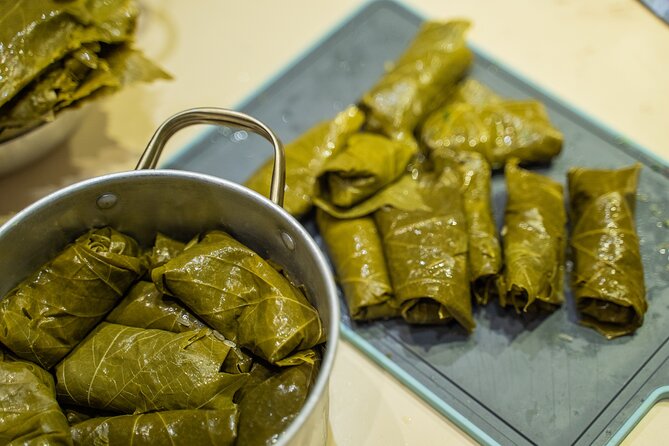
- Dolmadakia (stuffed vine leaves)
- Greek salad
- Stuffed vegetables (peppers and tomatoes)
- Chocolate salami for dessert
That list matters, because it covers the basics of a Greek table:
- creamy and cooling (tzatziki),
- wrapped and savory (dolmadakia),
- bright and fresh (Greek salad),
- hearty and filling (stuffed peppers and tomatoes),
- and a sweet, playful finish (chocolate salami).
What you’ll do during the hands-on part
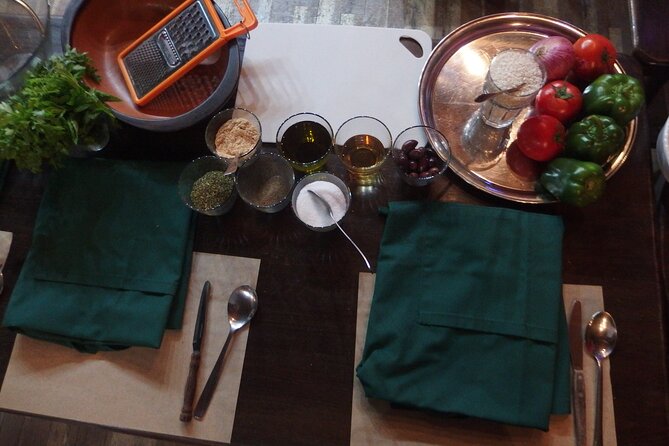
You’ll be preparing your own appetizers, salads, and main courses. The format is learning-by-making, so expect instruction, then active participation. The guide or cook helps with the steps, and you follow along closely as you put things together.
One tip if you want to learn faster: pay attention to what they say about ingredient roles, not only what to do with your hands. Some participants specifically called out learning the origins of ingredients and recipes, which usually comes from the way a guide connects the dish to what you were buying in the market.
How “hands-on” it feels
Not every cooking class has the same level of involvement, and one review noted that the hands-on portion felt a bit limited for their tastes. If you’re the type who wants to do every step start-to-finish with lots of technique feedback, go in with realistic expectations: it’s a group class in a set time window, so not every step will be slow-motion and personal.
Still, the overall feedback has been strongly positive—multiple reviews praised the fun of cooking together and the quality of the final food.
Eating your work: lunch in a traditional tavern
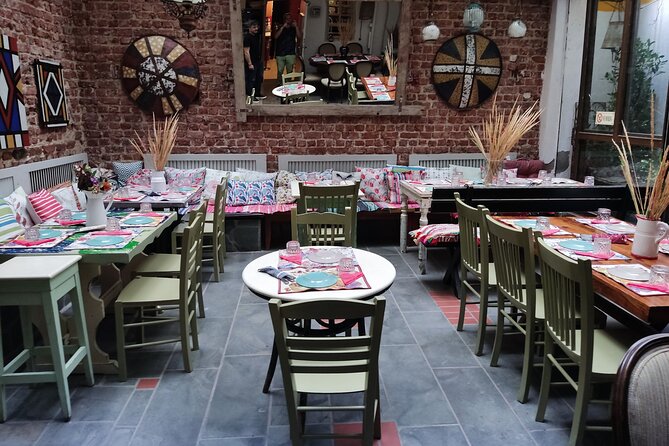
Once your dishes are ready, you’ll savor what you made in a traditional tavern. This matters more than it sounds. Cooking classes sometimes end with food you barely get to taste properly, or you eat standing up while rushing to the next step. Here, the structure is designed so you sit down and enjoy your creations.
Your meal includes the dishes you helped prepare: appetizers, salads, main courses like tzatziki, dolmadakia, Greek salad, and stuffed vegetables, plus dessert with chocolate salami.
This is where the experience pays off emotionally. You get to compare the steps you followed to the finished flavors. And because you bought the ingredients at Kapani, there’s a built-in sense of satisfaction.
One practical benefit: after lunch, you’re not left hunting for food somewhere else. You leave fed and informed, which makes it easier to keep exploring Thessaloniki later the same day.
Also, service quality shows up in reviews. Several comments mentioned attentive, friendly staff in the restaurant, which usually means fewer awkward moments like trying to flag someone for water or a dish you’re excited to try.
Price and value: is $108 worth 3.5 hours?
At $108 per person for about 3.5 hours, you should think of this as paying for three things at once:
1) market access with guided picking (Kapani plus Modiano tasting),
2) hands-on cooking with a professional cook, and
3) a full sit-down lunch including multiple dishes and dessert.
If you were to price it out separately, you’d likely spend money on at least one guided activity plus a meal. Here, the ingredients and preparation are bundled into the cost, which is why many people feel it lands in the sweet spot for value.
The best-case scenario is when you leave with more than just photos. You come away with repeatable recipes—enough detail to cook tzatziki, make stuffed vegetables, and handle dolmadakia at home. Reviews also mentioned learning what ingredients are and how they connect to the recipe, which is exactly what gives you long-term value.
The one “value” concern is time. If you want a deep, multi-lesson cooking course with advanced technique practice, 3.5 hours may feel short. But for a single experience that combines market + cooking + lunch, the structure is efficient.
Who should book this cooking class?
You’ll probably love it if:
- you enjoy food markets and want to shop for real ingredients, not just browse,
- you want to learn a small set of Greek dishes you can actually recreate,
- you like guided, friendly instruction from a live host (guides such as Maria or Ellie have been praised in past runs),
- you want lunch included and done well, without planning extra meals.
It’s also a good fit for couples and small groups who want a shared activity that ends in eating together.
You might think twice if:
- you expect a highly advanced cooking-technical workshop with complex pastry skills,
- you’re extremely sensitive to how hands-on each participant gets (some people have mentioned wanting more time directly cooking).
Should you book this Thessaloniki Greek cooking class?
If you want a straightforward way to understand Greek food through market choices and hands-on cooking, this is an easy yes. The pricing feels fair for the combination of Kapani shopping, Modiano cheese tasting, a guided cooking session, and a full lunch that includes both savory dishes and dessert.
Book it if your travel style includes tasting, learning, and eating what you make. Pass if you’re chasing a long, advanced course or if you’d be disappointed by a less hands-on pace than you imagined.
If you do book, show up hungry and curious. This kind of day goes best when you treat the market part as the start of the recipe—not just a warm-up.
FAQ
What’s the duration of the Thessaloniki Greek cooking class?
The experience lasts 3.5 hours.
Where do we meet for the tour?
You meet in Aristotelous Square, in front of the Electra Palace Hotel.
What markets are included?
You visit Kapani Market (the Central Market) and Modiano Market, including a local cheese tasting at Modiano.
What dishes will we cook and eat?
The included dishes are tzatziki, dolmadakia (stuffed vine leaves), Greek salad, stuffed vegetables (peppers and tomatoes), and dessert chocolate salami.
Is the tour guided, and what language is it in?
Yes. It includes a live tour guide in English.
How much does it cost?
The price is listed as $108 per person.
Is lunch included?
Yes. You’ll savor the dishes you prepare in a traditional tavern as part of the included lunch.
Are there flexible booking and cancellation options?
The listing includes free cancellation up to 24 hours in advance for a full refund, and it also offers reserve now & pay later.