REVIEW · KYOTO
Nishiki Market Food Tour with Cooking Class
Book on GetYourGuide →Operated by Cooking Sun · Bookable on GetYourGuide
Your donburi starts before you ever cook. This private Nishiki Market tour pairs a fluent English guide (you might meet Chie, Chei, Momo, or Mio) with hands-on cooking at the studio, so you leave understanding what you ate and why. I especially like that you can choose your donburi style and cook your own bowl using market-fresh ingredients included in the price. One heads-up: this isn’t a free-for-all eating marathon—some folks will want more time for extra bites on their own.
Nishiki is famous, but the real value here is the way a guide helps you get your bearings fast—from etiquette (yes, rules about eating and walking) to pointing out stalls that locals still recognize. Then you’ll get the cozy cooking class, a recipe, and planned tastings like free Japanese pickles, plus optional sake tasting. The whole thing runs about 150 minutes, so the pace is tight, but it’s controlled because it’s private.
In This Review
- Key things that make this tour worth your time
- Nishiki Market with an English guide who helps you shop smarter
- From market to kitchen: how the timing stays realistic
- What you’ll cook: donburi choices and how customization works
- The tastings that set you up for the meal
- Your donburi class: what the studio experience feels like
- Price and value: why $109 can be a smart deal here
- Pacing advice: how to make the most of your 150 minutes
- The small drawbacks to consider before you book
- Who this tour is best for
- Should you book the Nishiki Market Food Tour with Cooking Class?
- FAQ
- How long is the Nishiki Market food tour and cooking class?
- Where do we meet for the tour?
- Is this a private tour?
- What donburi options can I choose from?
- Are the ingredients included in the price?
- Is sake tasting included?
- What is the cancellation policy?
Key things that make this tour worth your time
- English-led market walk that helps you spot the stalls you’ll want to revisit
- Donburi cooking using ingredients you buy, with ingredients included
- Three bowl options: Kaisen-don (seafood), Ten-don (tempura), Oyako-don (chicken & egg)
- Free pickles tastings during the tour, plus sides you can sample
- Optional sake tasting of three different types
- A private cooking class where you can ask questions at your pace
Nishiki Market with an English guide who helps you shop smarter
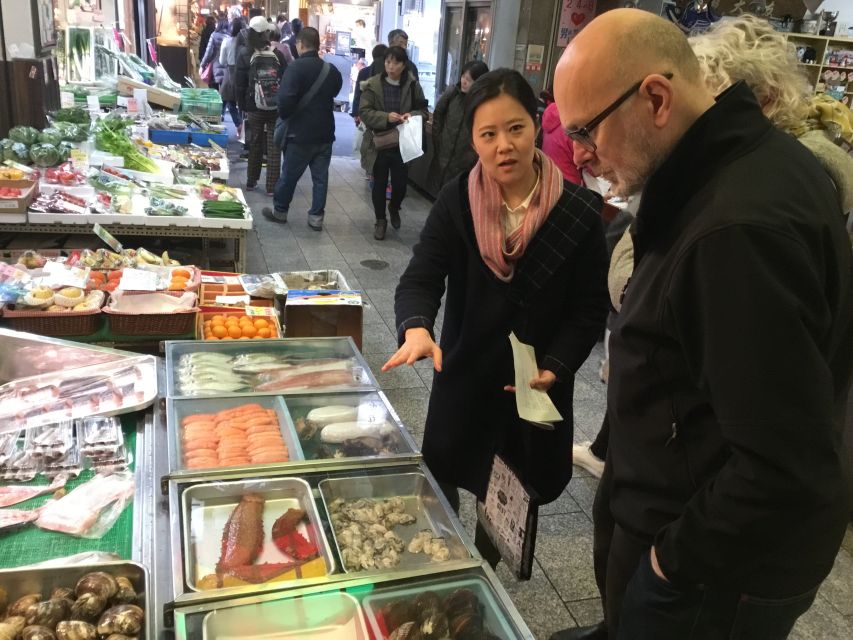
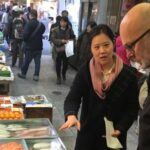
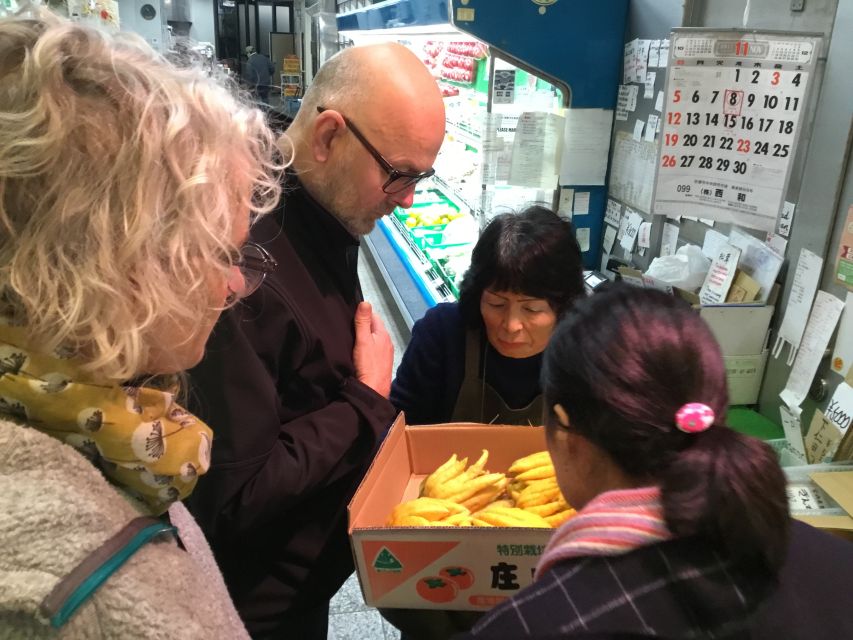
Nishiki Market can feel like sensory overload. The lanes are narrow, the smells hit fast, and everything looks snack-worthy. The difference on this tour is simple: you’re not trying to decode labels and customs on your own. You start at the western side entrance, then you walk through the market with a fluent English local Japanese guide who translates what matters and answers the questions that pop into your head.
One of the most useful parts is where the guide sets your focus. Several guides on this experience are known for pointing out the original-style stalls (not just the most tourist-forward counters) and explaining what each place is famous for. That matters, because Nishiki is packed, and if you don’t know where to look, you can burn time buying random things you never quite figured out.
You’ll also get practical etiquette tips. A common example: whether you can eat while walking. That kind of guidance saves you from accidental faux pas in a place where people are serious about how things are done.
And yes, you can ask questions as you go. The guide may even help coordinate clarification with shop staff, which turns the market from a photo stop into a place where you actually learn what you’re looking at.
You can also read our reviews of more tours and experiences in Kyoto.
From market to kitchen: how the timing stays realistic
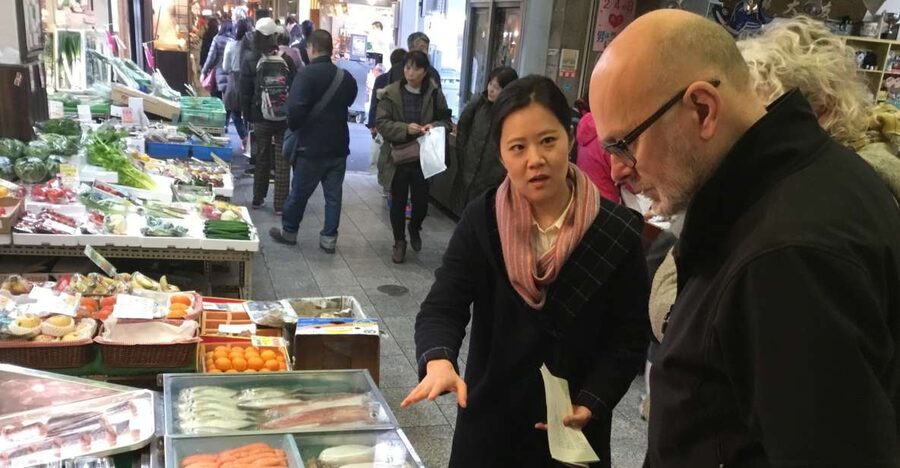
This experience is scheduled for 150 minutes total, and the structure is built for comfort. You usually spend about 1 hour in Nishiki Market, then about 1 hour cooking and eating at the studio. That split is important. If you only do the market, you can leave hungry and confused. If you only do cooking, you miss the ingredients story.
The pace is private, so you’re not stuck matching a larger group’s tempo. Want to linger at a sauce stand a little longer? You can. Need more explanation about an ingredient you don’t recognize? You can ask.
One more detail that makes the day smoother: taxi transfer from the market to the studio is included. That’s not a flashy perk, but it reduces stress when you’re carrying items and when the market crowd makes walking slower than you’d expect.
What you’ll cook: donburi choices and how customization works
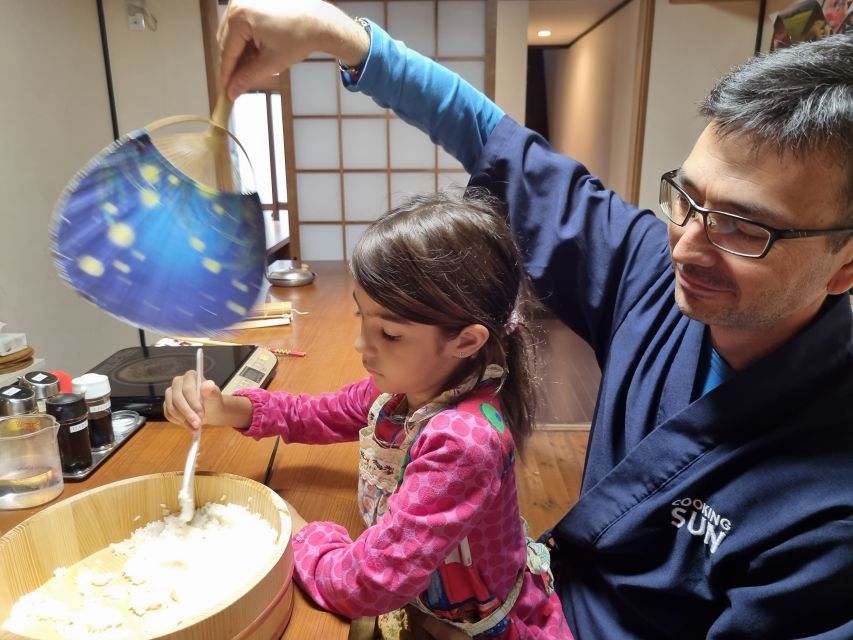
The cooking class is built around donburi—rice bowls topped with your main ingredients and sauces. The key advantage is that you cook your own bowl, and you’re cooking based on what you picked up during the market tour.
You’ll choose between three options:
- Kaisen-don (seafood bowl)
- Ten-don (tempura bowl)
- Oyako-don (chicken & egg bowl)
Each option comes with a guided recipe, and ingredients are included in the tour price. That removes one common travel-class headache: guessing how much the ingredients will cost you if you don’t already know what to buy.
Customization is also a big part of why people rate this so highly. If you request a substitution—like one guest asking for tofu instead of chicken for their dish—the guide works to accommodate when possible. You may also be able to tailor what you add by leaning on the guide’s knowledge of sides and pairing. The goal is simple: you shouldn’t have to blindly accept what the kitchen assumes you want.
If you care about cooking skills, pay attention to technique. More than one guest noted instruction on making things look good, not only taste good, plus guidance on sauce use. That’s the difference between eating a finished dish and learning how to replicate it at home.
The tastings that set you up for the meal
This tour doesn’t just send you into a cooking class. It feeds you along the way, in a way that helps you understand the flavors before you build your bowl.
Inside the market, you’ll get free Japanese pickles tastings. These aren’t just a snack; they help calibrate your palate. Pickles in Japan often cut through richness, and that’s exactly the balance you’ll want when you’re handling sauces and toppings later.
You’ll also have samples during the tour. People mention having Japanese sides sampled alongside meal ingredients, and that the guide helps with substitutions when needed—again, making the class feel personal rather than scripted.
Then there’s sake. A tasting of three different types of sake is optional. If you enjoy pairing alcohol with food, it’s a fun way to connect flavors to ingredients and regional preferences. If you don’t, you can skip and focus on the bowl.
Your donburi class: what the studio experience feels like
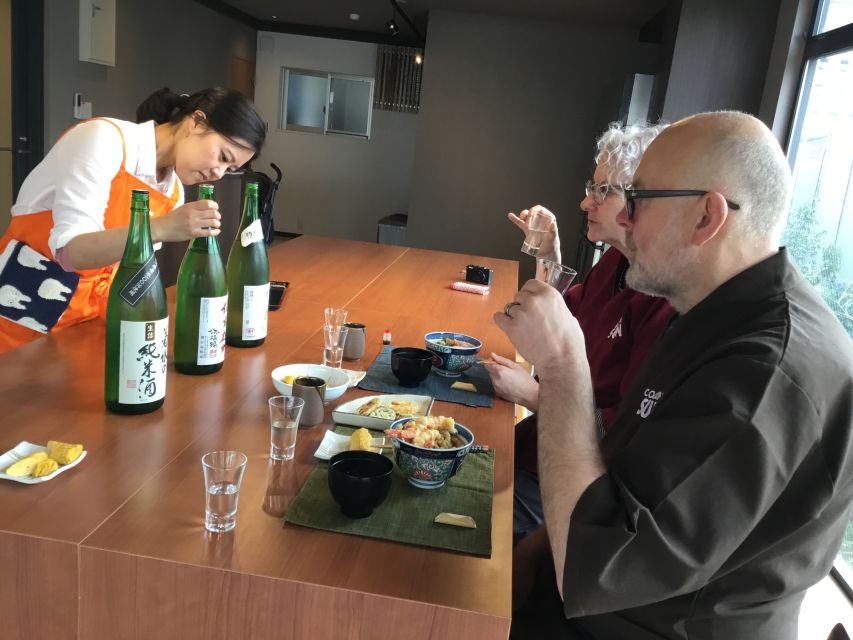
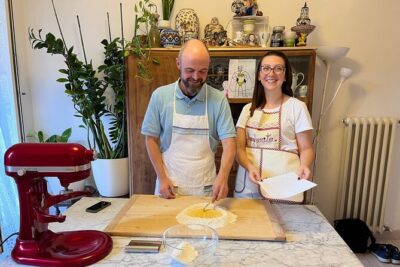
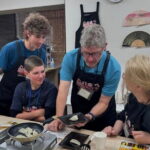
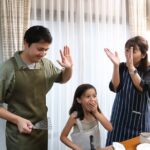
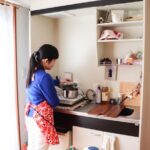
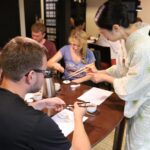
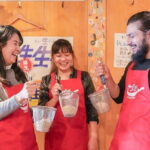
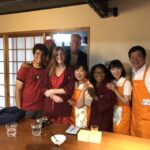
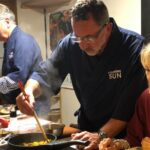
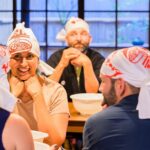
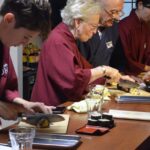
The cooking happens in a dedicated kitchen studio for classes. It’s described as cozy and welcoming, and the flow tends to be: you arrive, you get briefed, and you start preparing shortly after.
Because the group is private, instruction stays centered on your questions and your comfort level. That’s a big deal for travelers who don’t cook often. You’re not watching a screen and trying to figure out what everyone else already understands. You’re working step-by-step with a teacher present.
Guests have also mentioned that the kitchen is clean and well-stocked, which matters because some cooking tours feel like you’re improvising with mismatched tools. Here, it reads like a real classroom setup designed for this exact activity.
A practical note: this type of cooking lesson is most rewarding if you plan to ask how to recreate key components later—especially if you want to take home skills, not just recipes. Several guests highlighted learning to make basics like dashi, which is a foundation for lots of Japanese flavor profiles.
Price and value: why $109 can be a smart deal here
At $109 per person, this isn’t the cheapest food experience in Kyoto-style neighborhoods. But it can be good value because you get several things that are usually sold separately:
- A private market tour with an English-speaking guide
- Ingredients for your donburi cooking (not just a recipe card)
- A recipe provided with the class
- Planned tastings during the market
- Taxi transfer from the market to the studio
- A private cooking session, which usually takes more staff time than a large group class
If you compare it to doing Nishiki Market on your own and then paying for a separate cooking workshop, the bundled format matters. You’re paying for guidance at two stages: first figuring out what to buy, then learning how to cook it.
What’s not included is also clear: you may want to eat extra foods on your own beyond the planned samples. That can be a plus if you’re hungry and want to top up. It’s also the main place where expectations can clash—this experience is focused on the market-to-bowl flow, not unlimited tasting.
Pacing advice: how to make the most of your 150 minutes
Because the schedule is tight, you’ll get better results if you approach it with a plan.
Here’s how I’d handle it:
- Come curious, not overwhelmed. When you see an ingredient you don’t recognize, ask. That’s where the market tour turns from browsing into learning.
- Decide your donburi choice early. If you already know whether you want seafood, chicken/egg, or tempura, you’ll spend less mental energy once you’re in the kitchen.
- Use the guide’s suggestions. People have been pleased when guides steer them toward what to buy and what to revisit. Follow those cues; it saves time.
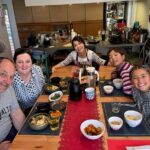
- Expect a lunch-style meal, not a buffet. The tastings help, but your main “big win” is the bowl you cook.
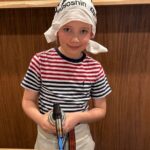
For families and kids, the class has a reputation for staying engaging. That’s partly because cooking hands-on tasks keep attention from drifting. If you’re traveling with children, this structure is one reason it can work better than a purely observational tour.
The small drawbacks to consider before you book
No experience is perfect, and a couple themes show up that can help you decide.
- Ingredient quality can vary by option. One guest felt a specific ingredient (fatty tuna) wasn’t great. If you’re picky or sensitive to fish textures or flavors, ask your guide what to expect for the dish you choose.
- Some want more market time for tasting. A couple people felt the market portion had less explaining or sampling time than they hoped. If your priority is only maximum eating, you might feel slightly capped.
- Cooking time is the main event. The market walk is valuable for context, but it’s not meant to replace a full independent shopping day.
Who this tour is best for
This experience fits best if you want a guided pathway through Nishiki Market and you like learning by doing.
You’ll probably love it if:
- You’re going to Nishiki for the first time and want help navigating what matters
- You like cooking and want skills you can repeat at home
- You prefer private pacing over group herding
- You want a meal that ties directly back to market shopping
- You enjoy food culture details like etiquette and how shops specialize
If you only want a long list of random snacks and zero structure, a different kind of Nishiki food crawl might suit better.
Should you book the Nishiki Market Food Tour with Cooking Class?
Book it if you want the best of two worlds: market context plus a real cooking lesson with market ingredients included. The private format, the donburi choices, the free pickles, and the optional sake tasting create a day that feels both fun and purposeful—especially if you like questions and want to understand Japanese food beyond the basics.
Skip or choose carefully if you’re mainly chasing maximum snack quantity in the market, or if you have strong preferences about specific fish ingredients and don’t want any surprises. In that case, ask about what’s going into your chosen bowl before you finalize.
If your goal is to leave with both a full stomach and a clear sense of how to recreate what you ate, this is a solid pick at $109. You’re paying for guidance, ingredients, technique, and a meal you made yourself. That’s the part that sticks.
FAQ
How long is the Nishiki Market food tour and cooking class?
The experience lasts about 150 minutes.
Where do we meet for the tour?
You meet at the western side entrance of Nishiki Market.
Is this a private tour?
Yes. It’s a private group experience.
What donburi options can I choose from?
You can choose one of three options: Kaisen-don (seafood), Ten-don (tempura), or Oyako-don (chicken & egg).
Are the ingredients included in the price?
Yes. Ingredients for your donburi cooking are included.
Is sake tasting included?
A sake tasting of three different types is optional.
What is the cancellation policy?
You can cancel up to 24 hours in advance for a full refund.