REVIEW · PARIS
Paris: 2.5-Hour French Pastry Cooking Class
Book on GetYourGuide →Operated by LES SECRETS GOURMANDS DE NOEMIE · Bookable on GetYourGuide
French pastry sounds fancy, but this class makes it practical. Chef Noémie runs a small-group, hands-on baking session in a private loft, and you get clear step-by-step coaching plus personal tips. I like that you leave with English recipe copies and a real technique foundation, not just a sugar souvenir. One thing to know: it is hands-on, but some steps may be best done while watching, so full-time bench time isn’t guaranteed for everyone.
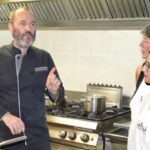
What makes this different is the teaching style. Noémie is a graduate of the Lenôtre Culinary Institute, so the lesson covers both the how and the why behind classic French desserts like Paris-Brest, molten chocolate cake, and Grand Marnier soufflés (season decides what you’ll make). After baking, you sit down in the loft-style atelier for tea or coffee and taste everything you made, with time to ask questions.
If you want only quick shortcuts and zero technique talk, this probably won’t be your fit. But if you want to understand pastry like a pastry chef—enough to repeat it at home—this is a strong value for your time in Paris.
In This Review
- Key Highlights You’ll Feel in the Class
- Chef Noémie’s Private Loft Atelier: A Real Classroom Feel
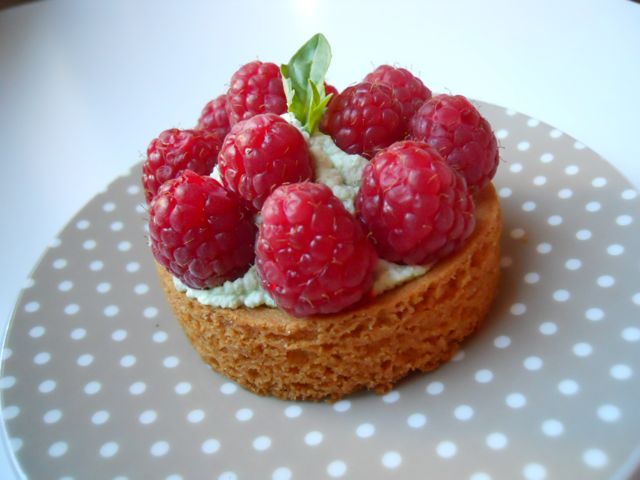
- What You’ll Bake: 2–3 Classic French Desserts by Season
- The Real Itinerary Inside 150 Minutes
- 1) Welcome, setup, and a pastry game plan
- 2) Step-by-step hands-on baking
- 3) Focus on technique: getting texture and timing right
- 4) The payoff: sit, taste, and ask questions
- Hands-On vs. Watch Time: What Participation Really Looks Like
- Price and Value: Is $141 Worth 150 Minutes?
- Getting There Without Stress (And What to Bring)
- Who This French Pastry Class Is Best For
- Should You Book This French Pastry Cooking Class?
- FAQ
- How long is the Paris French pastry cooking class?
- How many people are in the group?
- What desserts will we make?
- Is the class hands-on?
- What’s included in the price?
- Where is the meeting point, and how do I get there by metro?
- Is there free cancellation?
- Can I reserve without paying right away?
Key Highlights You’ll Feel in the Class
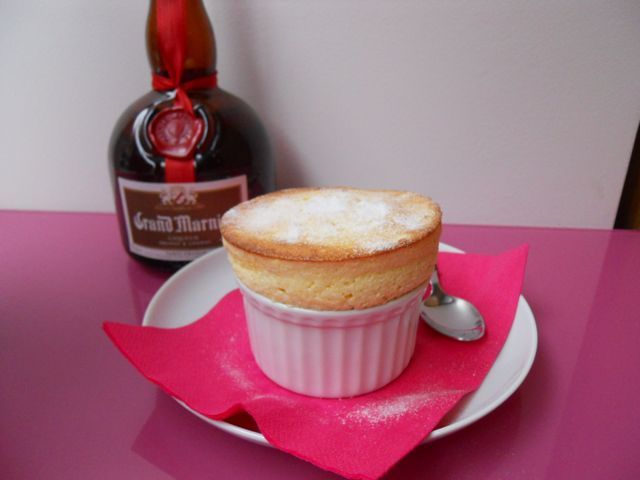
- Chef Noémie from Lenôtre Culinary Institute teaches the pastry method, not just the recipe.
- Small group capped at 8 people, so you actually get feedback.
- 2.5 hours, guided step-by-step while learning 2 or 3 famous French desserts.
- English recipe copy + apron included, so you can recreate results later.
- Tea or coffee tasting in the loft atelier after your bake, with chat time.
- English-language instruction with a live guide throughout.
Chef Noémie’s Private Loft Atelier: A Real Classroom Feel
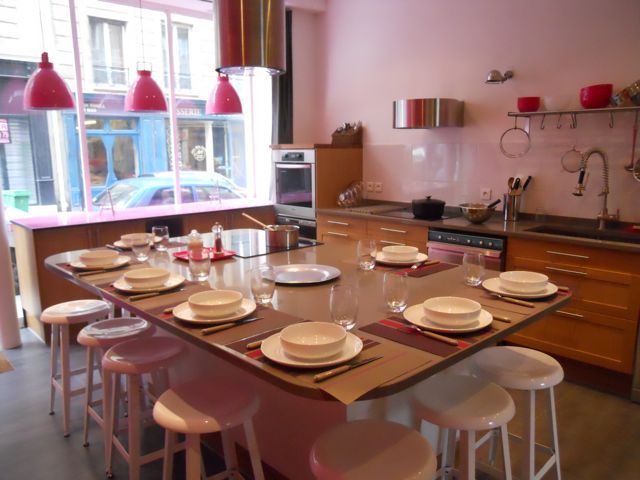
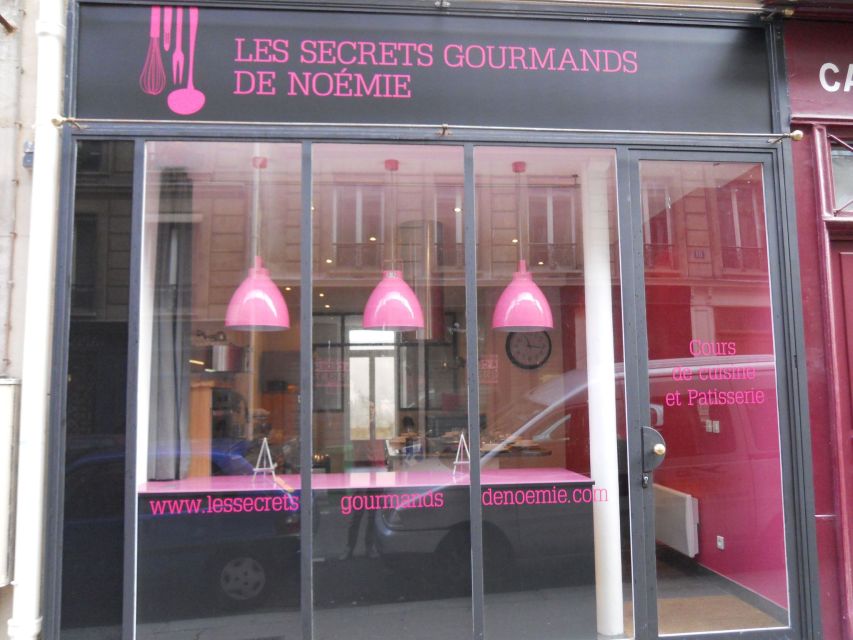
The class meets at 92 rue Nollet, 75017 Paris in the 17th arrondissement, in a loft-style atelier that feels like a proper cooking school rather than a demo show. The meeting point matters here because you’re not just dropping in for a show and leaving. You’re arriving in a kitchen environment where you can work, ask questions, and build confidence.
One of the smartest choices in this setup is the group size: up to 8 participants. In a room that small, you don’t get lost in the crowd. You can see what’s happening at your station, and the chef can circle back when your dough, batter, or piping isn’t behaving the way the recipe expects.
Noémie’s background also shapes the lesson. Lenôtre Culinary Institute is one of those names you associate with serious patisserie training. In practical terms, it means she can explain pastry in a structured way: what to look for, what texture should change to, and what common mistakes usually come from. That matters because French pastry often fails for predictable reasons—temperature, overmixing, undercooking, or not timing crucial steps.
Also, the studio is presented as a calm, organized space. You’re not fighting chaos or missing tools. You get an apron, you work through the process, and you finish by tasting what you made—so the lesson ends with real payoff, not just a packaging moment.
You can also read our reviews of more tours and experiences in Paris.
What You’ll Bake: 2–3 Classic French Desserts by Season
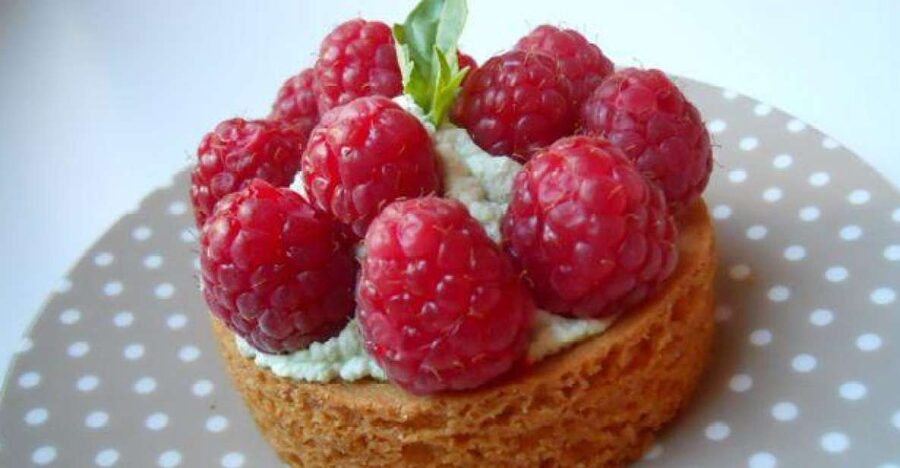
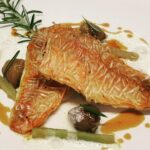
You’re not locked into one single dessert. The class is built around learning 2 or 3 famous French desserts, with the exact picks depending on the season. That flexibility is good news because it keeps the lesson aligned with what ingredients and textures will behave best at the time of year.
The desserts listed for this experience include:
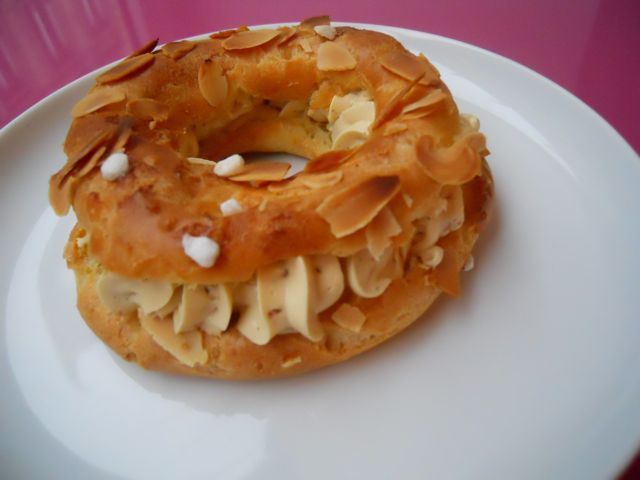
- Paris-Brest
- Molten chocolate cake
- Grand Marnier soufflés
Even if you’re only dreaming of one item, I like that the program is designed to teach you how pastries are connected. For example, multiple desserts rely on shared pastry fundamentals—techniques and temperature control—so you can transfer what you learn even if your favorite dessert isn’t the one made that day.
In other words, you’re not just collecting outcomes. You’re collecting technique. And that’s how you end up feeling capable in your own kitchen afterward.
The Real Itinerary Inside 150 Minutes
This experience runs for 150 minutes. While the exact minute-by-minute schedule isn’t listed, the structure is consistent: arrive, prep, bake, finish, taste, and get questions answered.
1) Welcome, setup, and a pastry game plan
You’ll be greeted by Chef Noémie and guided into the work area. Expect the chef to frame what you’re making and why each step matters. This isn’t just to be chatty—it’s the key to getting good results, because French pastry is mostly timing and texture.
2) Step-by-step hands-on baking
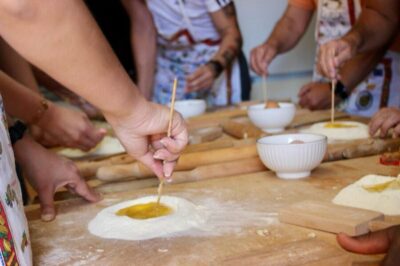
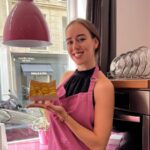
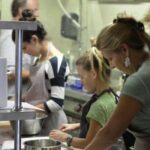
During the lesson, you’ll be coached through the process for the desserts chosen that day. The class is described as hands-on, with guided step-by-step instruction throughout, which is exactly what you want as a beginner. You’ll learn the techniques behind the recipes rather than memorizing instructions like a robot.
A helpful detail is that you’re in a small group, limited to 8 people, so the chef can slow down when someone needs a clearer explanation. In past classes like this, people often rotate through tasks like measuring, mixing, and using pastry tools (especially for anything involving piping or shaping). Even if the exact turn-taking varies by your group, the goal is the same: you should participate, not just watch.

3) Focus on technique: getting texture and timing right
French desserts can feel mysterious until someone points at the right signs. In a class like this, you’re looking for changes you can see and sense: batter thickness, dough consistency, how pastry shells behave, how a soufflé rises, or how molten centers stay molten.
That’s where Noémie’s teaching style likely helps. She’s trained at Lenôtre, so the lesson tends to explain not only what to do, but what to check along the way. That approach turns recipes into skills.
4) The payoff: sit, taste, and ask questions
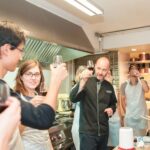
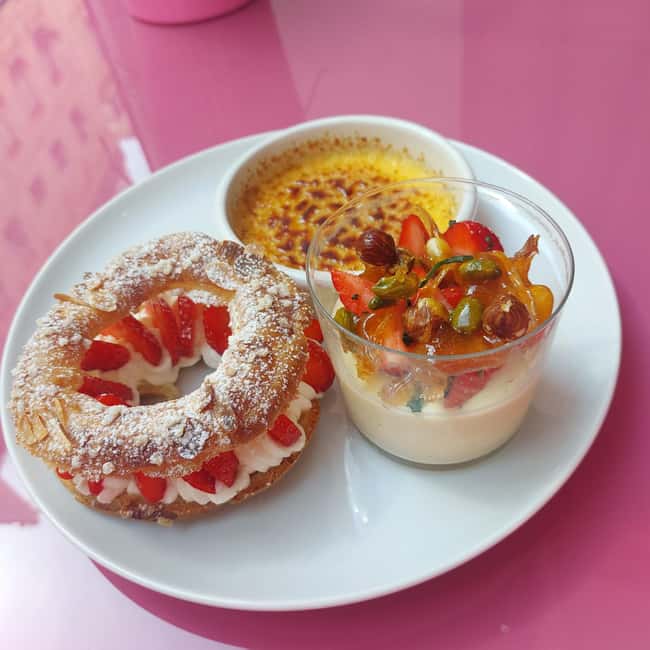
After baking, you’ll sit down and taste everything you made with tea or coffee. This is more than dessert. It’s how you calibrate your palate and your expectations. If something looks slightly different from the target, you can ask why—then connect it to what happened during prep and baking.
And yes, there’s time to chat with Chef Noémie. That question time is where you often get the best take-home value, like what to do if your oven runs hot, how to store leftovers, or what to practice next.
Hands-On vs. Watch Time: What Participation Really Looks Like
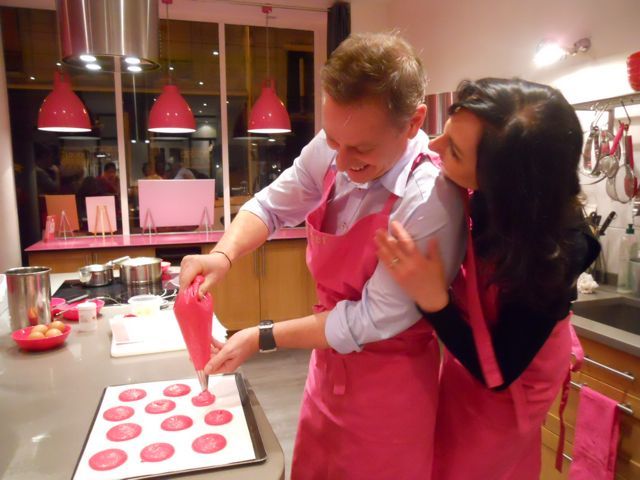
This class is billed as hands-on, and that’s the right expectation. Still, one practical note: in many cooking classes (especially with multiple steps and shared oven timing), there can be moments where you watch while another step finishes or bakes. It doesn’t mean you’re not learning; it means the chef is managing timing and throughput so everyone gets good results.
What you can reasonably hope for is active participation in the core tasks: mixing, preparing components, shaping, and doing the parts that benefit from your attention. With a class limited to 8 participants, you’re less likely to feel like a spectator.
If you prefer constant standing at the counter, you might find you spend short stretches observing. But if you want to build confidence and understand what changes during the process, the balance is usually a benefit. You learn how the chef thinks, not just what buttons to push.
Price and Value: Is $141 Worth 150 Minutes?
The price is $141 per person for a 150-minute class. On paper, that can sound steep compared with a casual pastry workshop. In practice, it prices like a serious instructor-led session with ingredients, tools, and a limited group.
Here’s how the value adds up:
- Small group size (max 8) means you’re not fighting for attention.
- Chef Noémie’s training (Lenôtre Culinary Institute) suggests high coaching quality.
- Inclusion of tea or coffee turns the session into a full “bake and eat” experience.
- English recipe copy + apron adds tangible take-home value if you plan to bake later.
- You’re making 2 or 3 classic desserts, not just assembling one item.
If you’re the type of traveler who wants one memorable Paris activity and you’d rather invest in learning a skill than another guided walking loop, this is a solid buy. If you’re only interested in eating sweets and don’t care about technique, you may prefer a cheaper tasting-focused option.
My rule of thumb: pay more when the class teaches you repeatable skills. This one is built around exactly that.
Getting There Without Stress (And What to Bring)
The meeting point is 92 rue Nollet, 75017 Paris.
If you’re using the metro, Line 13 works well, with stations Brochant or La Fourche. By bus, the Legendre stop is served by routes 66, 54, and 74, and Parc Martin Luther King is served by route 31. There’s also a listed navette option: Navette Péreire Pont Cardinet with a Pont Cardinet stop.
Bring yourself with a normal Paris mindset: arrive a bit early, dress for a kitchen (comfortable shoes help), and plan to be present for hands-on work. Also note the rules: no smoking and no pets.
Who This French Pastry Class Is Best For
This class is a great match if you want a structured, skill-building activity that still feels fun. It’s especially useful for:
- Beginner bakers who need clear guidance and feedback.
- Food travelers who want an authentic Paris experience beyond famous landmarks.
- Families where kids can participate with guidance; the class is described as suitable for different ages in the learning environment.
- Couples and friends who want a shared project and then get to eat it together.
It may be less ideal if you dislike recipes altogether or expect a purely passive experience. This is about making and learning.
Should You Book This French Pastry Cooking Class?
I think you should book it if you want a genuinely practical Paris experience. You’ll get expert instruction from Chef Noémie, learn 2 or 3 classics chosen for the season, and finish with a tasting that confirms what you learned. The small group size is the hidden win here—it keeps the class personal.
Book it soon if you’re visiting during a time when you specifically want one of the listed desserts, since the selection can shift with the season. And if you’re the kind of traveler who likes coming home with a skill you can repeat, this is a stronger use of your time than another one-off food stop.
If your main goal is only sampling sweets with zero technique focus, then consider a simpler tasting activity instead. But for anyone who wants to leave Paris knowing how to make French pastry logic work, this class is a very good bet.
FAQ
How long is the Paris French pastry cooking class?
The class runs for 150 minutes (about 2.5 hours).
How many people are in the group?
It’s a small group limited to 8 participants.
What desserts will we make?
You’ll bake 2 or 3 famous French desserts. Examples listed include Paris-Brest, molten chocolate cake, and Grand Marnier soufflés, and the chef chooses what to make based on the season.
Is the class hands-on?
Yes. It’s described as a hands-on baking class with guided, step-by-step coaching. Still, like most baking sessions, some parts of the timing may involve short watch moments while items bake or set.
What’s included in the price?
The class includes English-language recipe copies, tea and coffee, and an apron.
Where is the meeting point, and how do I get there by metro?
The meeting point is 92 rue Nollet, 75017 Paris. By metro on Line 13, you can use Brochant or La Fourche stations.
Is there free cancellation?
Yes. You can cancel up to 24 hours in advance for a full refund.
Can I reserve without paying right away?
Yes. It offers reserve now & pay later, meaning you can book your spot and pay nothing today.