REVIEW · HOI AN
Farming & Cooking Class in Hoi An – Small Group Tour
Book on Viator →Operated by Cooking Class in Tra Que Organic Vegetable Village · Bookable on Viator
Hoi An’s best kind of cooking class starts with dirty hands. You’ll visit the local market for ingredients, then head to Tra Que Organic Vegetable Village to farm with a local farmer before you cook and eat what you make.
Two things I really like: the hands-on farming (not just watching) and the small-group feel with an English-speaking guide and local chef. You’ll also get a break with a traditional foot massage before dinner, which helps the day feel more like a gentle cultural experience than a rushed class.
One consideration: this runs about 5 hours and includes outdoor time and active tasks, so wear shoes you don’t mind getting a bit dusty. If weather is bad, the experience may need changes since it requires good weather.
In This Review
- Key highlights you’ll care about
- Why this Tra Que cooking class feels more real than most
- From hotel pickup to the market: the flavor plan starts early
- Cycling through rice fields and quiet villages to Tra Que
- Tra Que vegetable village: herbs, garden walks, and real farming tasks
- The foot massage with medicinal herbs: a calm break that works
- Cooking time: papaya salad, spring rolls, banh xeo, and clay pot fish
- A quick guide to what you’re making
- Vegetarian and special diet
- Lunch: eating what you made (and why that matters)
- Price and value: what $38 buys you in real terms
- Who this tour is best for
- Practical tips so your half-day stays fun
- Should you book the Farming & Cooking Class in Hoi An?
- FAQ
- How long is the Hoi An Farming & Cooking Class?
- Do they pick me up from my hotel?
- What’s included in the price?
- What dishes will I learn to make?
- Can I request a vegetarian or special diet?
- How many people are in the group?
- What happens if the weather is bad?
- What’s the cancellation refund window?
Key highlights you’ll care about
- Market-first tasting mindset: you pick ingredients from the local market before stepping into the kitchen
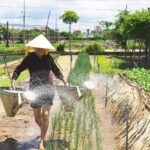
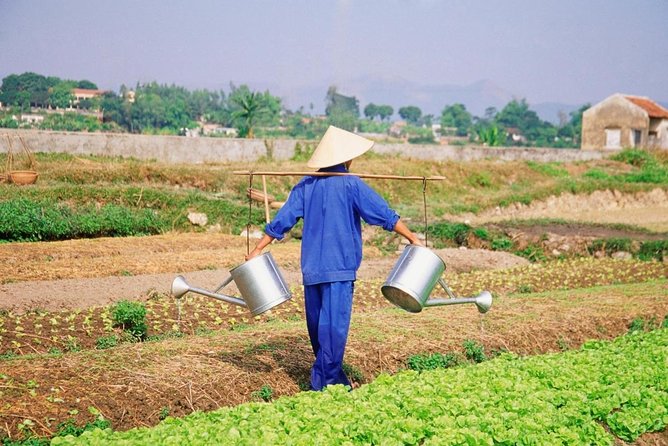
- Tra Que farming time: hoeing soil, collecting seaweed, transplanting, and watering with a farmer
- Chef-led, hands-on cooking: you prepare papaya salad, spring rolls, banh xeo, and fish in clay pot
- You eat your work: lunch includes the dishes you cook, not a separate restaurant meal
- Traditional foot massage reset: medicinal herb massage before cooking starts in earnest
- Max 15 people: small group pace with individualized instruction
Why this Tra Que cooking class feels more real than most
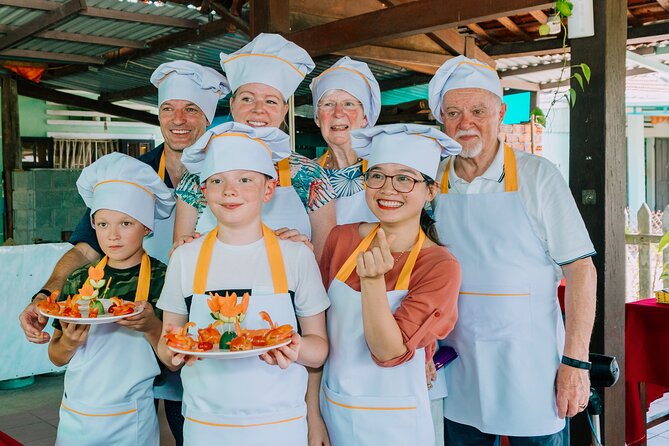
In Hoi An, cooking classes can blur together: show up, chop a few things, eat a set menu, leave. This one adds two chunks that matter—the ingredient hunt and the farm work—so you understand why the food tastes the way it does.
The market visit keeps you grounded in what Vietnamese cooks actually use day to day. Then Tra Que gives you a direct sense of place: this is vegetable-growing country, so the herbs and greens you’ll see later in your dishes don’t feel like props.
Also, the experience is built around pacing. You cycle and walk between spaces, take a break after farming, and then cook for real with demonstrations and instruction.
You can also read our reviews of more tours and experiences in Hoi An.
From hotel pickup to the market: the flavor plan starts early
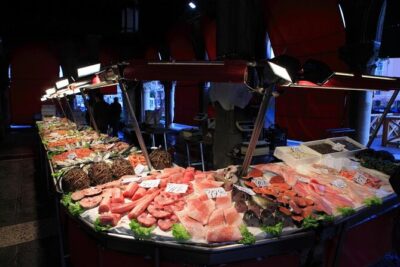
Your day usually begins with hotel pickup and then a local start in the market area. A guide meets you first, and the plan is simple: you learn what’s in season, what people use, and how different herbs and vegetables show up across Vietnamese cooking.
What I like about doing this before the kitchen is that you stop treating food as a list of ingredients. You start connecting the dots: a herb you smell at the market isn’t just “green stuff,” it’s a key flavor note for dishes like papaya salad and other local favorites.
You’ll also get a sense of how locals shop and what they prioritize. Even if you’re not a “market person,” this part is worth your attention because it sets you up to cook with more confidence later.
Cycling through rice fields and quiet villages to Tra Que
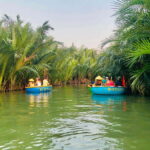
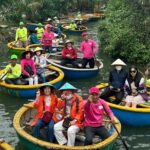
Between Hoi An and Tra Que, you get some movement and scenery. The tour includes cycling through rice fields and peaceful villages and then a walk through the garden once you arrive.
This matters more than it sounds. A lot of cooking classes happen in one location, with no context. Here, the transport and walking connect the day’s story: produce → farm → kitchen.
Also, you’ll be more mentally ready to get involved when you arrive at the vegetable village. You’re not just dropping into an activity; you’ve been traveling through the same landscape that produces the food.
Tra Que vegetable village: herbs, garden walks, and real farming tasks
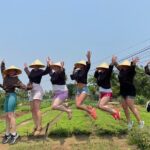
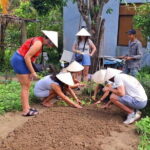
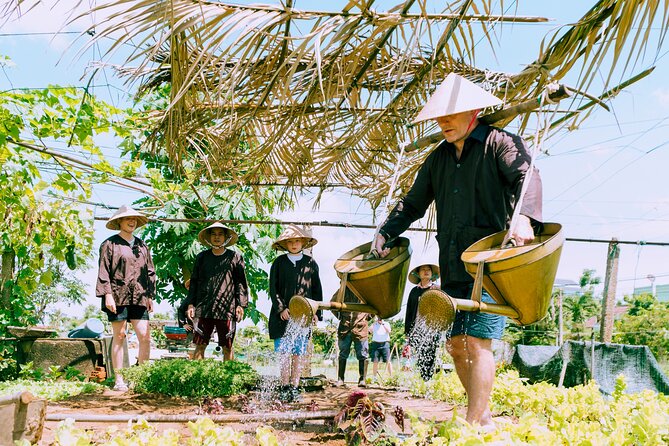
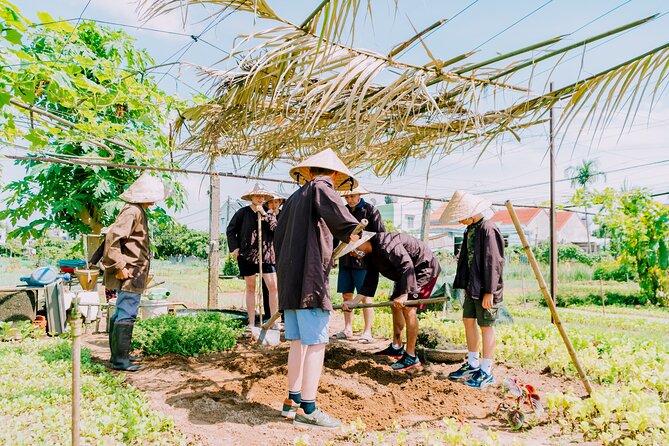
The heart of the experience is Tra Que Vegetable Village. You’ll explore the garden and learn how they grow the herbs and vegetables used in the cooking class. Then you get to participate in farming activities with a local farmer.
Based on how the day is described, you may get hands-on with tasks such as:
- Hoeing soil
- Collecting seaweed
- Transplanting
- Watering
This is the part that earns the strongest reaction. It’s not heavy labor for hours, but it’s active and you’ll feel like you helped create the ingredients you’re about to cook. If you’ve ever wanted to try farming the way a beginner actually can—without needing to already know the tools—this fits that sweet spot.
You’ll also see the farming space in a way that sticks. In one review, the experience included planting spinach, and that kind of “tiny contribution” moment helps you remember the day without needing to be an expert.
One more detail I appreciate: you’re walking through a garden specifically to discover culinary herbs and vegetables. That means you can spot them later in your dishes with less guesswork.
The foot massage with medicinal herbs: a calm break that works
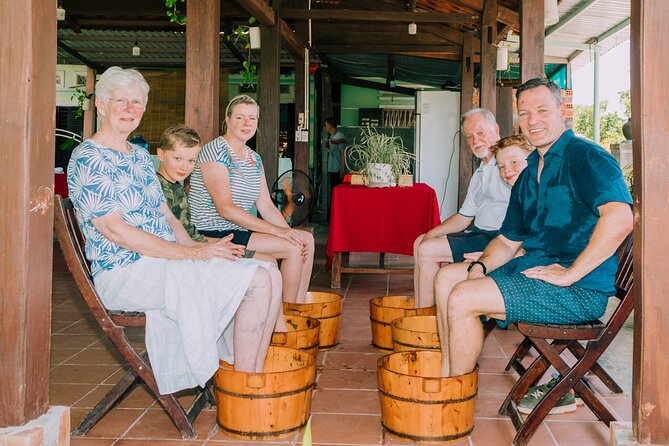
After the farming, the tour includes a break and then a traditional foot massage described as a health treatment with medicinal herbs.
This is a smart reset. Farming tasks like hoeing and walking can make your legs feel it. A massage right before cooking helps you switch modes: from physical effort to attentive cooking without rushing.
Don’t overthink it: you’re not required to be “relaxed yoga calm” for this part. Think of it as practical recovery so you can enjoy the next activity.
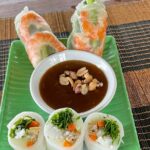
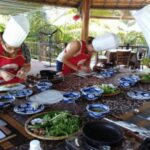
Cooking time: papaya salad, spring rolls, banh xeo, and clay pot fish
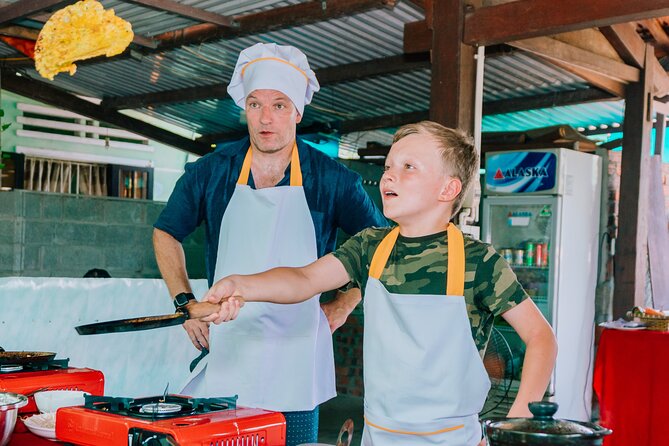
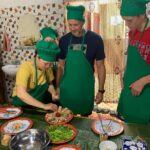
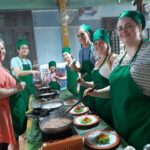
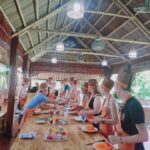
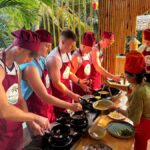
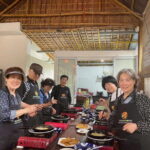
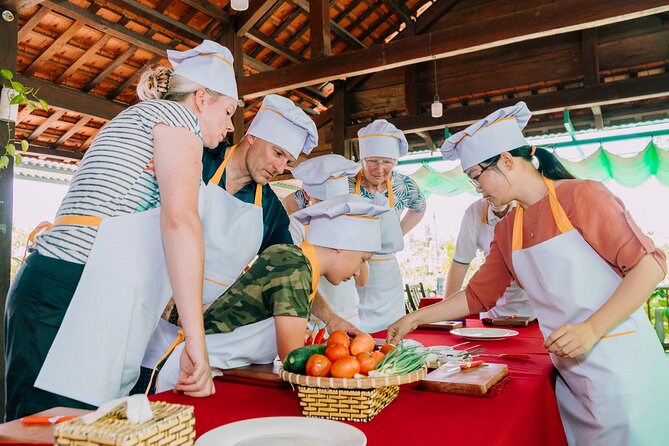
Now you get to the kitchen—where the day becomes food, not just learning. The cooking lesson is described as two hours and it includes demonstrations plus hands-on cooking and individualized instruction.
You’ll learn how to prepare several classic dishes, including:
- Green papaya salad
- Spring rolls
- Banh Xeo (Vietnamese crispy pancake)
- Fish in clay pot
- Other local dishes depending on the class flow
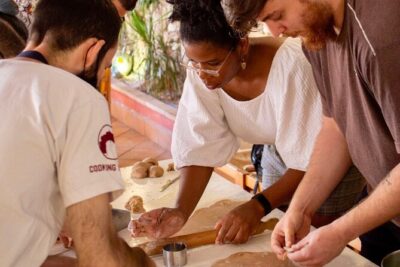
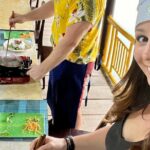
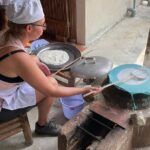
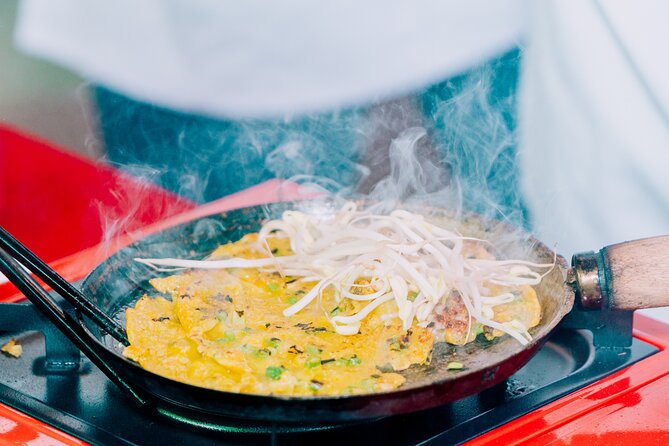
Here’s what you should expect, in practical terms. The chef teaches the process, but you’re not only standing there. Reviews specifically mention people chopping ingredients and cooking at the same time, and even flipping their own pancakes for banh xeo.
That hands-on element is a big part of the value. You don’t just watch techniques; you perform them, make adjustments, and taste the result. And when it tastes good, you remember why you did each step.
A quick guide to what you’re making
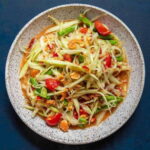
- Green papaya salad: tangy, fresh, and built on a balance of sweetness, sour, and herbs. You’ll learn how the flavors come together rather than treating it like a random salad recipe.
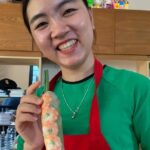
- Spring rolls: you’ll practice wrapping and assembling, and you’ll understand how texture comes from the ingredients and technique.
- Banh xeo: this is where you’ll feel the satisfaction. It’s a crispy pancake, and reviews note the fun of cooking and flipping it yourself.
- Fish in clay pot: it’s a comfort dish that highlights gentle cooking and savory depth, and it adds variety beyond the more common fried or noodle-based dishes.
Vegetarian and special diet
The tour notes that vegetarian and special diets are available on request. That’s important because it means the class isn’t only built for one fixed menu.
If you eat vegetarian or avoid certain ingredients, communicate it ahead of time so they can plan the dishes you’ll cook.
Lunch: eating what you made (and why that matters)
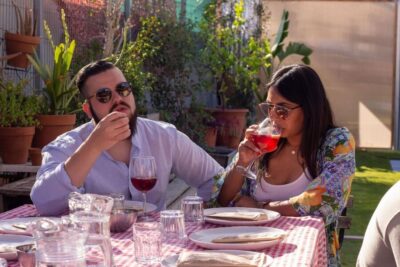
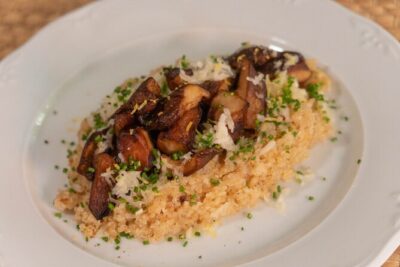
At the end, you enjoy eating what you’ve made. Lunch is included, and the food you cooked becomes the meal—not something you watch go to another table.
This is a surprisingly big deal for cooking classes. When you eat your own results, you can connect taste to technique. If your papaya salad is a little sharper than you expected, you’ll remember what you did with the dressing. If your pancake has the right crunch, you’ll remember the cooking timing and batter behavior.
The tour pacing also includes a rest after the meal before heading back to your hotel. That keeps the day from feeling like a nonstop checklist.
Price and value: what $38 buys you in real terms
At $38 per person, this tour has a solid value story—especially because it bundles more than “cooking.”
You get:
- Lunch
- Pickup and private transportation
- English-speaking guide and local chef
- Bottle of mineral water
- Traditional foot massage
- Farming with a farmer
When you compare that to the cost of booking a cooking class alone, the key advantage is the farm component plus massage plus the guided market start. You’re paying for a full half-day experience that combines food skills with cultural context and a bit of physical participation.
The small-group cap—maximum 15 travelers—also matters. A class at this price point can feel crowded if they oversell the kitchen. Here, the structure is designed to keep you closer to the chef and guide.
Also, you can choose a morning or afternoon option. That helps you fit it around beach time, old town wandering, or other Hoi An plans.
Who this tour is best for
This experience is a strong match if you want your cooking class to feel like you’re learning a place, not just making dishes. I’d especially recommend it if you enjoy:
- Cooking with instruction (not just a demo)
- Hands-on activities like farming and gardening
- Cultural extras like the market visit and foot massage
It can also work well for couples or solo travelers because the group size is kept small. If you’re traveling with friends, you’ll likely get better attention from the chef and guide because the class isn’t a huge crowd.
If you’re short on time and want only the food part, this might feel like “too much lead-in.” But if you’re the type who likes understanding where ingredients come from, it’s one of the better value options in Hoi An.
Practical tips so your half-day stays fun
A few small things help this day go smoothly:
- Wear closed-toe shoes you don’t mind getting a little dirty during farming
- Bring a hat or light layer for sun while you’re cycling and walking
- If you request a special diet, send that info in advance so they can plan dishes for you
- Bring your energy for a hands-on cooking period—chopping, assembling, and cooking are part of the fun
One more pro tip: pay attention during the market portion. The herbs you learn there can make it easier to cook the same dishes later without guessing what goes where.
Should you book the Farming & Cooking Class in Hoi An?
If you’re deciding between a basic cooking class and one with real context, I’d book this. The combination of market shopping, Tra Que farming, and cooking multiple signature dishes is exactly what makes the experience feel worth your time.
Choose it if you want:
- More than recipes—you want the why behind the flavors
- Hands-on cooking where you actually make things
- A small group and local instruction
Skip it only if you dislike outdoor activity or you want a strictly low-effort, sit-and-watch tour. Otherwise, this is one of the most memorable half-days in Hoi An because you leave with both meals and skills.
FAQ
How long is the Hoi An Farming & Cooking Class?
It runs for about 5 hours.
Do they pick me up from my hotel?
Yes. Pickup is offered, and the tour includes private transportation.
What’s included in the price?
The tour includes lunch, private transportation, an English-speaking guide/local chef, bottle mineral water, a traditional foot massage, and farming with a farmer.
What dishes will I learn to make?
You’ll learn to prepare green papaya salad, spring rolls, banh xeo (Vietnamese crispy pancake), and fish in clay pot, plus other local dishes.
Can I request a vegetarian or special diet?
Yes. Vegetarian and special diets are available on request.
How many people are in the group?
The tour has a maximum of 15 travelers.
What happens if the weather is bad?
This experience requires good weather. If it’s canceled due to poor weather, you’ll be offered a different date or a full refund.
What’s the cancellation refund window?
You can cancel for a full refund if you cancel up to 24 hours in advance. If you cancel less than 24 hours before the start time, the amount paid isn’t refunded.