REVIEW · MARRAKESH
Marrakesh: Private Cooking Class & Local Market Shopping
Book on GetYourGuide →Operated by Ateliers d'Ailleurs · Bookable on GetYourGuide
Tajine starts with a trip to the souk. This private 4-hour class in Marrakech pairs a guided market walk with a hands-on cook time with a chef, so you’re not just watching—you’re learning Arabic ingredient/spice names and making your own tagine to eat right after. The setting matters too: you end up eating at a charming Riad in the heart of the city, not in some warehouse kitchen.
One thing to keep in mind: the experience length and shopping feel can vary, especially the time spent gathering ingredients and how well the interpreter and the cooking lead line up. In some cases, the hands-on portion may feel shorter than expected, and not everyone can get fully involved in every step.
In This Review
- Key highlights you’ll actually care about
- Why this Marrakech tajine + market combo works
- Where you meet: Café France at Djemaa El-Fna
- The market walk: herbs, spices, and the names behind the flavors
- A quick reality check on shopping time
- Back in the kitchen: how the tajine gets built
- Language and communication note
- Eating in a Riad: the meal part is the payoff
- Seasonal timing (including Ramadan)
- Timing and group dynamics in a private class
- Is $81 per person good value?
- Who this Marrakech class fits best
- Should you book this private cooking class?
- FAQ
- What dish do you learn to cook?
- How long is the experience?
- Where do you meet for the class?
- Is this a private group?
- What language will the guide speak?
- Do you eat the meal you cook?
- Are recipes provided after the workshop?
- Is photography included?
- Can I cancel and get a refund?
Key highlights you’ll actually care about
- Arabic names for common ingredients and spices you’ll recognize again when you shop or cook at home
- A real tagine workflow led by a professional chef, using the ingredients you picked
- Souk lessons on herbs and spices plus how spices have been moving through Morocco for thousands of years
- Specific local products you may see like Taliouine saffron, Meknes mint/olives, and Fez oranges and lemons
- A sit-down meal in a Riad where you eat what you made
- Private-group pacing, so you’re less likely to feel rushed or lost
Why this Marrakech tajine + market combo works
In Marrakech, it’s easy to eat Moroccan food and still feel like you never learned the method. This class closes that gap by starting with ingredient shopping in the souk, then moving straight to a chef-led cooking setup. You pick items for your dish, then you cook with them—so the flavors make sense later.
Two things I like about the way this is built. First, you’re taught the Arabic names for ingredients and spices you’ll see in the market, which makes shopping easier on your own afterward. Second, you don’t just get a snack—you get a full meal in the Riad after cooking, with recipes sent after the workshop so you can repeat at home.
The value is in the pairing. A market tour alone is cultural, but it won’t teach you technique. A cooking class alone teaches steps, but sometimes you don’t understand why you’re using one spice over another. Here, you get both.
You can also read our reviews of more tours and experiences in Marrakesh.

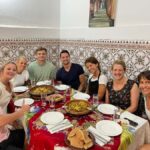
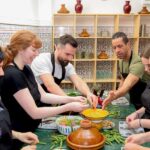
Where you meet: Café France at Djemaa El-Fna
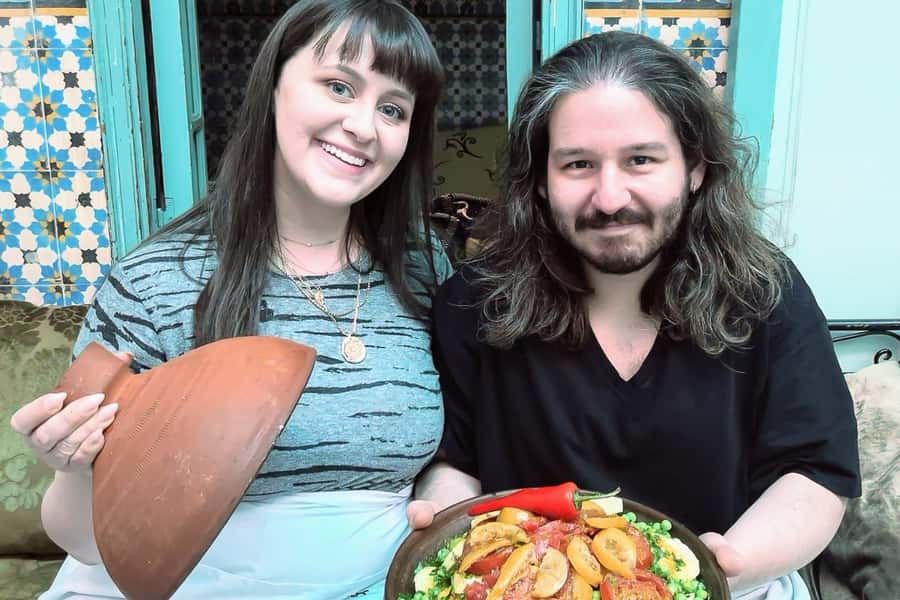
You meet outside Café France in Djemaa El-Fna, the main square that you’ll likely pass at least once during your stay. The meeting point is a three-storey café on the right side as you enter the square through the main entrance.
This location is convenient, but it can also feel chaotic if you arrive late. Djemaa El-Fna is busy, so give yourself a little extra buffer. If you’re trying to look organized, do it early: check your map before you step into the crowd.
What to bring is simple. Wear comfortable shoes because the souk walk can involve uneven surfaces and standing time. If you have a strong preference about dietary needs (like vegetarian), plan to mention it at the start so the cooking part can be adjusted.
The market walk: herbs, spices, and the names behind the flavors
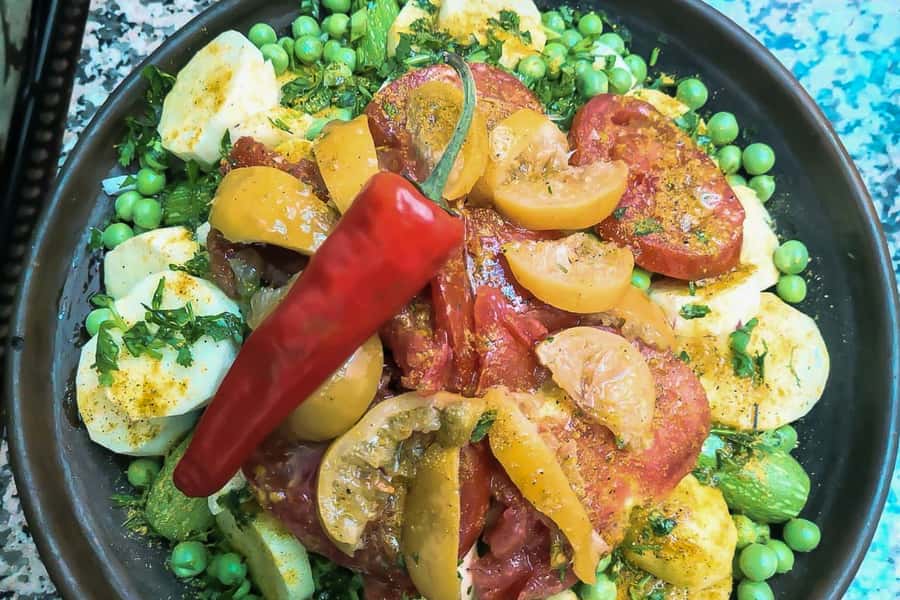
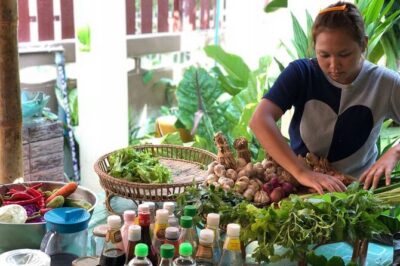
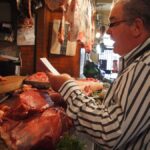
This is where the class earns its keep. You head into the souk to select the meats, veggies, herbs, and spices that shape Moroccan cuisine. The guide doesn’t treat spices like vague seasonings—they explain the value of herbs and spices and how you use them in cookery.
You’ll also learn names you can actually use. The class highlights Arabic names for common ingredients and spices, so you can spot them again later when you’re browsing stalls or ordering in a restaurant. That turns Marrakech cooking from a mystery into a skill.
You may also encounter locally cultivated products that have strong regional identities, like:
- Taliouine saffron
- Meknes mint and olives
- Fez oranges and lemons
Even if you don’t buy everything, the point is context. Learning what’s local and why it matters helps you taste the difference when you try Moroccan food elsewhere.
A quick reality check on shopping time
The market part is often the most memorable section, but how much you get to browse can vary. In some experiences, the shopping component felt like the least satisfying part due to communication gaps and unclear direction on ingredient choices. If your ideal day is lots of shopping and hands-on selection, consider setting expectations that the focus is still on cooking, not shopping for personal souvenirs.
Back in the kitchen: how the tajine gets built
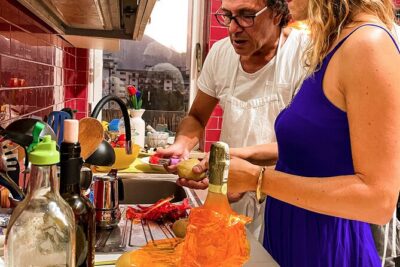
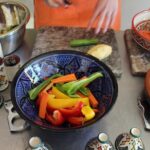
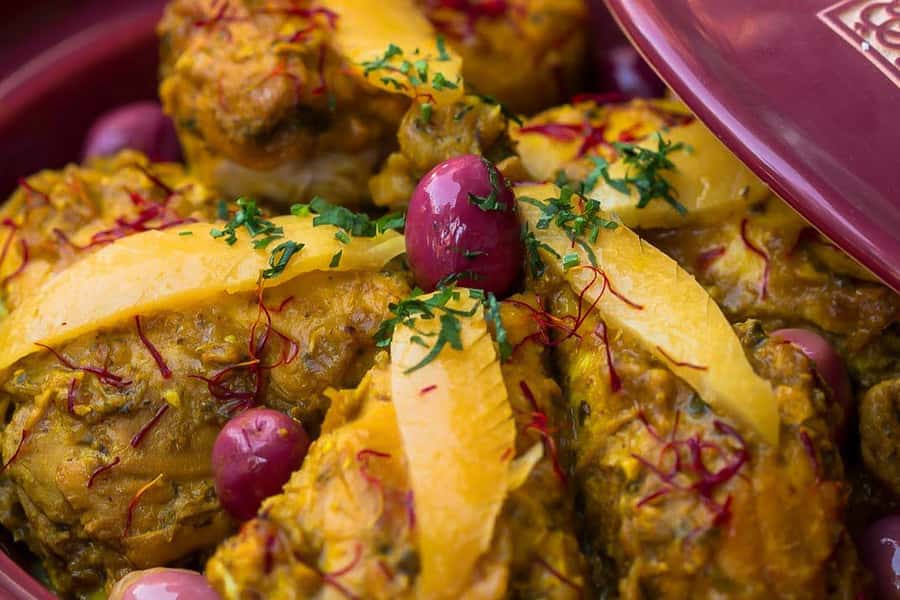
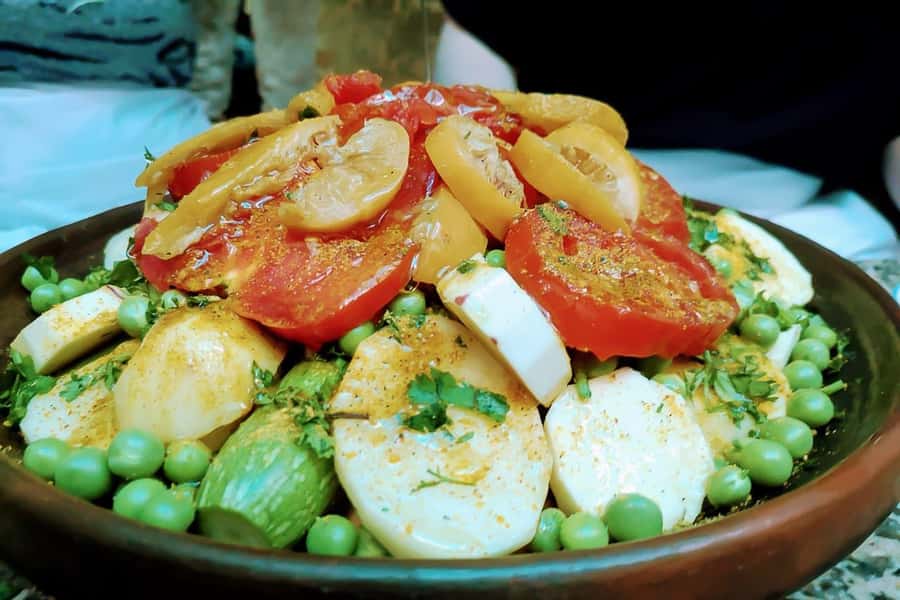
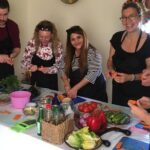
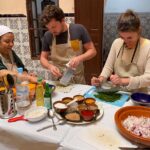
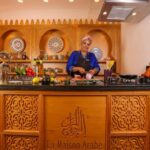
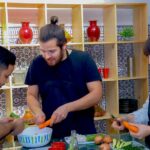
Once you’re done shopping, the chef takes over and you move into the hands-on workshop phase. The centerpiece is a traditional Moroccan tajine, and you’ll learn the practical method behind it—how to season, how to balance ingredients, and how the dish comes together.
This part matters more than people think. Tajine flavor isn’t just about one spice; it’s about timing, proportions, and layering. The class is designed to show you the logic, not only the end result.
You’ll also have a chance to connect what you bought to what you cook. That’s why those souk lessons on herbs and spices are helpful. When you’re chopping or seasoning later, you understand what you’re aiming for.
Language and communication note
The tour offers Arabic, English, and French live guidance through a local guide and interpreter support. That said, the quality of communication can depend on how smoothly the interpreter works with the cooking instructor. On a good day, it flows. On a less smooth day, you might feel like some steps are harder to follow closely.
Eating in a Riad: the meal part is the payoff
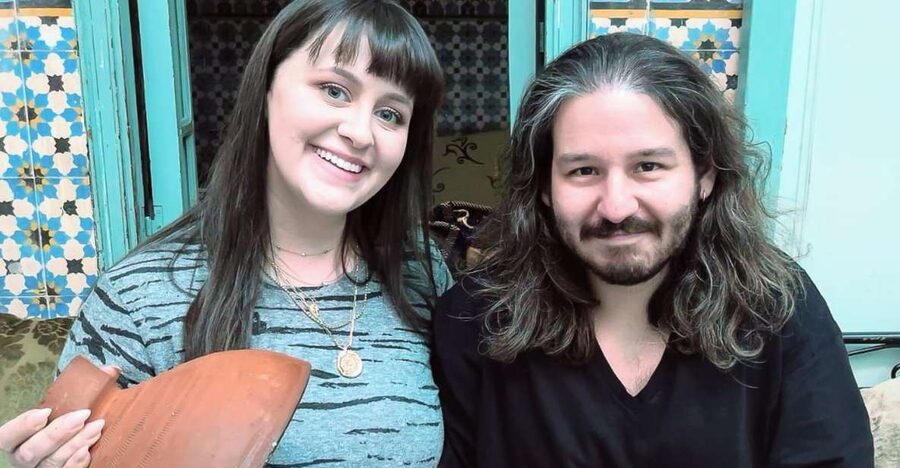
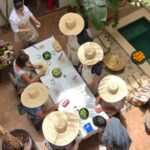
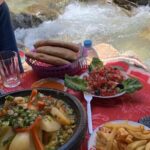
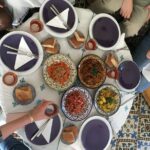
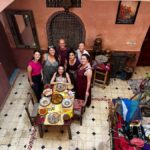
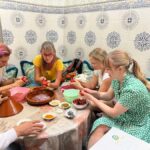
After cooking, you eat the meal you prepared. That sounds obvious, but it’s a big deal in practice. Too many cooking experiences end with you cooking but eating somewhere else or later, and the connection breaks. Here, you stay with the meal experience.
The Riad setting also changes the mood. In one shared experience style, the host created a lively, family-like atmosphere while you cooked, then took more focus during eating. That means if you like quiet conversation while you dine, you may want to expect some structure at the table.
You’ll also get the practical takeaway: after the workshop, recipes are sent to you. That’s useful because it lets you recreate the dish without guessing at ingredient amounts.
Seasonal timing (including Ramadan)
If you’re visiting during Ramadan, this experience can be adjusted to accommodate the situation, based on reported experiences. If your dates fall during Ramadan, ask about timing so you don’t end up hungry or confused about schedule expectations.
Timing and group dynamics in a private class
This is sold as a private group and runs for about 4 hours. In real-world pacing, though, some experiences have run closer to 3 to 3.5 hours end to end. That doesn’t automatically mean you’ll miss key parts, but it’s worth planning as if the day might be slightly shorter than the headline.
Group involvement can also vary. Even in a private group, there are moments where one person is doing a task while others watch. In one experience, the class felt hands-on but not every participant could fully join every step. So if you’re the type who likes to be fully hands-on from start to finish, tell your guide what you prefer at the beginning.
The upside of a private setup is that you can usually get questions answered. If you want substitutions (like vegetarian), there’s evidence the class can accommodate when you request it early enough.
Is $81 per person good value?
At $81 per person for roughly 4 hours, the value comes from what’s bundled, not just the cooking. You’re paying for:
- a local English or French-speaking guide
- a chef-led cooking session
- lunch or dinner
- recipes sent after the workshop
- photography
When you compare it to doing a market stroll plus a separate meal plus a class later, it starts to make sense. You also save time. You don’t have to figure out which stalls to trust or what ingredients to buy for a tajine at home—you get guided choices and a method to follow.
The only value-risk is if the shopping time feels rushed or the communication isn’t tight. If you’re traveling with tight time constraints, you’ll want to keep your schedule flexible so the class doesn’t feel like it’s cutting into your day.
Who this Marrakech class fits best
This experience fits well if you want more than food photos. You should book it if you:
- want to learn how a tajine is actually built
- care about the spice/ingredient names so you can shop and cook better later
- prefer a more personal group size rather than a large tour crowd
- like sitting down to a meal in a real Riad setting
It might be less ideal if your top priority is a long, shopping-heavy souk experience. Even when the market part is excellent, the class is built around cooking, and some experiences have shown that ingredient selection communication can be uneven.
Also consider your comfort level with a home-host style of meal time. Some hosts shift into “this is family dinner now” mode, taking more charge at the table. That can be warm and fun, but it may not match everyone’s idea of a relaxed dining atmosphere.
Should you book this private cooking class?
If you want a practical Marrakech takeaway—how to buy the right things, how to cook a tajine, and how to understand the spice logic—then yes, this is a strong choice. The biggest strength is the full loop: market → kitchen → meal, plus recipes afterward.
Before you book, I’d do two quick checks:
1) Tell them any dietary needs at the start (especially if you’re vegetarian).
2) If you’re the kind of traveler who expects every minute to be spent shopping and cooking, plan for some variation in pacing and step-by-step involvement.
Overall, this is the kind of experience that makes you feel like Marrakech followed you home—one tajine method at a time.
FAQ
What dish do you learn to cook?
You learn how to cook a traditional Moroccan tajine, using ingredients selected during the market shopping.
How long is the experience?
It’s listed as a 4-hour experience.
Where do you meet for the class?
You meet outside Café France in Djemaa El-Fna, on the right side as you enter the square through the main entrance. It’s a three-storey café.
Is this a private group?
Yes, it’s described as a private group.
What language will the guide speak?
The experience offers live tour guidance in Arabic, English, and French.
Do you eat the meal you cook?
Yes. Lunch or dinner is included, and you get to enjoy what you prepared after cooking.
Are recipes provided after the workshop?
Yes. Recipes are sent after the workshop.
Is photography included?
Yes, photography is included.
Can I cancel and get a refund?
There’s free cancellation up to 24 hours in advance for a full refund, and the option to reserve now and pay later is offered.