REVIEW · FEZ
Cooking Class in Fez with familly
Book on Viator →Operated by Morocco Cooking · Bookable on Viator
Fez turns cooking into a living lesson. In this small-group class, you meet a chef in town, visit the market to choose ingredients, then cook and eat a full Moroccan meal you made yourself. It’s hands-on, not showy, and it leaves you with practical dishes you can repeat at home.
What I like most is how much of the class happens outside the kitchen. You go to the local souk area to see ingredients up close, and you even get chances to taste street snacks and treats along the way. The second big win is the food variety: tagines, salads like Zaalouk/Bakoula, and breads such as Malaoui and Harsha, plus choices like chicken, vegetables, fish, and dried fruits.
One thing to consider: the timing is about 3 hours, so you’ll pack in a lot. If you want a slower, long meal with zero pressure, this format may feel busy.
In This Review
- Quick take: what makes this cooking class work
- Cooking Class in Fez: the point is learning, not watching
- Where you start in Fez and how you’ll get oriented fast
- The souk visit: choosing ingredients like you actually live here
- The cooking station: Moroccan classics you can repeat at home
- Tagines: chicken, vegetables, fish, and dried fruit combinations
- Salads: Zaalouk, Bakoula, and fresh tomato-cucumber
- Breads: Malaoui, Harsha, and more
- The hands-on part: what you’ll actually do
- Eating together in Fez: the meal is the lesson
- The human touch: Hannae and her mom set the tone
- Price and value: is $52.29 worth it?
- Who this class suits best (and who might want a different style)
- A small caution: communication can matter
- Tips for making the most of your cooking class
- Should you book this cooking class in Fez?
- FAQ
- What dishes and foods does the class include?
- How long is the cooking class?
- Where does the tour start in Fez?
- How big is the group?
- Is there time after the class to explore Fez?
- Is free cancellation available?
Quick take: what makes this cooking class work
- Market-to-kitchen flow: you shop ingredients before you cook, so flavors make sense.
- Small group (max 15): more attention when you’re chopping, baking, and seasoning.
- Choice-driven menu: you can discuss preferences for tagines, salads, and breads.
- Hands-on technique focus: you learn methods, not just recipes.
- You eat what you make: meal is the payoff, served after cooking.
- Local warmth: from real-world welcome moments like tea and sweets to help during the cook.
Cooking Class in Fez: the point is learning, not watching
Fez is the kind of city where food feels tied to daily life. This class leans into that. You don’t just follow steps at a station and call it done. You start with ingredients, learn what they are and why they matter, then cook them into Moroccan classics.
The format is also practical. You get a half-day activity (about 3 hours), and the rest of your day stays open. That matters in Fez, where the medina can be a time sink. After class, you can still explore at your own pace without losing your whole afternoon.
Also, this is set up for small groups, maximum 15 travelers. That’s big enough for a social meal, but small enough that your questions don’t vanish into the crowd.
You can also read our reviews of more tours and experiences in Fez.
Where you start in Fez and how you’ll get oriented fast
Your day starts in central Fez. The listed starting point is Cafe Restaurant RCIF on Boulevard Ben Mohammed El Alaoui, Fes 30000, Morocco. The overview also says you meet your guide at your hotel in Fez, so your exact meetup method may depend on your confirmation.
Here’s what to do to keep it smooth:
- Aim to be punctual for the meetup time.
- If you’re staying in the medina, leave a little buffer time to reach the meeting area.
- Watch for your booking confirmation message, since it’s where the details should be clarified.
In real life, Fez can mean tight streets and quick turns. Starting with a clear meeting point helps you get your bearings fast and get cooking without delays.
The souk visit: choosing ingredients like you actually live here
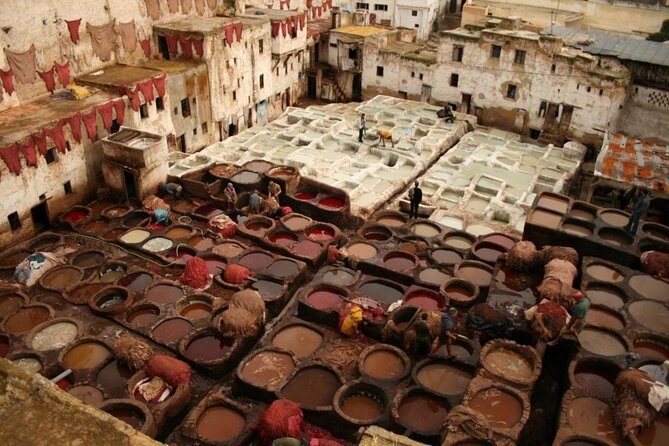
Before you cook, you’ll go to the local market to pick ingredients. The class describes this as a short excursion to the markets “away from the typical tourist paths,” which is exactly what you want for food shopping—less theater, more everyday stock.
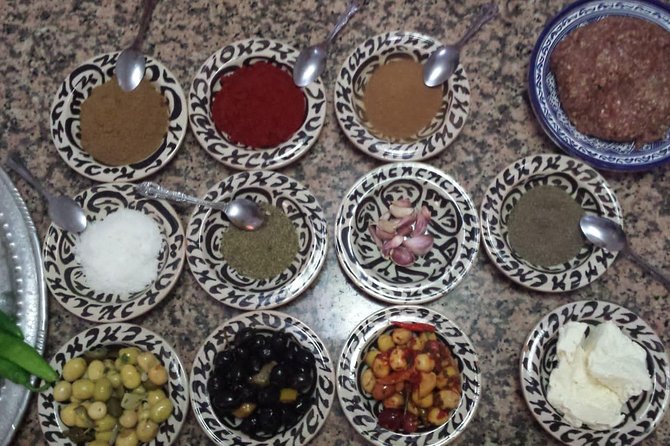
You’ll look for items used in Moroccan cooking, including ingredients that show up in the class menu:
- For tagines: vegetables, dried fruits, and proteins like chicken or fish
- For salads: components that match classic dishes such as Zaalouk and Bakoula
- For breads: flour and staples needed for types like Malaoui and Harsha
During the market walk, you can also sample street foods and local treats. I like this part because it teaches you two things at once. First, what the ingredients look like. Second, how people actually eat and snack on the street. That makes the cooking session feel less like a workshop and more like a map to how Moroccan meals build flavor.
One practical note: market time is active time. Wear comfortable shoes, and expect you’ll be walking and moving through crowded aisles.
The cooking station: Moroccan classics you can repeat at home
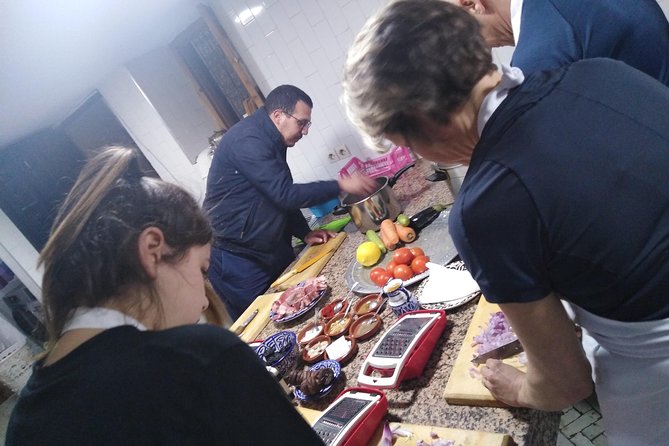
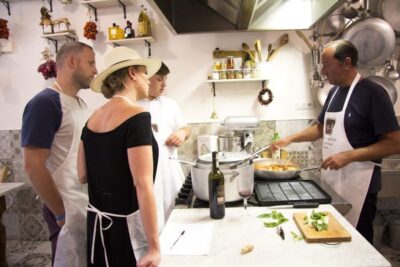
Back at your cooking station, the class becomes very tangible. You’ll be guided by an expert chef, and you can discuss preferences for what you’ll prepare. That’s a smart setup, because Moroccan cooking isn’t one single “universal” tagine. It changes by ingredient choices, seasoning, and what’s in season.
Tagines: chicken, vegetables, fish, and dried fruit combinations
You’ll likely cook a tagine style dish using items like chicken and vegetables, with options that may include fish and dried fruits. Tagines are as much about layering as they are about the final taste. You start with aromatics and vegetables, build flavor step by step, and finish with a dish that smells like slow-cooked patience.
In a five-star review, the highlight was a tagine with chicken and meatballs. The process started with chopping veggies and roasting them on a fire, then moving into the meal. That’s exactly the kind of method learning you want: you’re seeing how heat and prep affect taste.
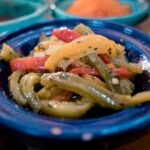
Salads: Zaalouk, Bakoula, and fresh tomato-cucumber
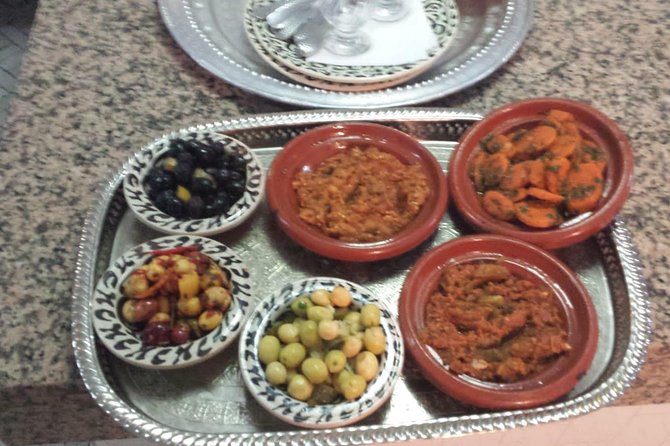
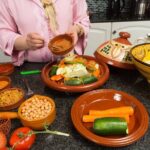
Moroccan meals often balance warm dishes with cool, acidic, or herbal sides. This class includes traditional salads such as:
- Zaalouk
- Bakoula
- fresh tomato and cucumber salad
Even if you’re not a salad person, these matter because they teach contrast. You’ll taste how vegetables turn silky and seasoned in cooked salads, and how raw salads add bite and freshness next to a rich tagine.
Breads: Malaoui, Harsha, and more
You may also bake breads like Malaoui and Harsha. Bread lessons are often the most memorable part of cooking classes because they feel doable at home. When you learn the dough handling and basic baking approach, you can recreate the experience later.
Breads also connect directly to Moroccan dining culture. You don’t eat tagine “with utensils only.” You eat as part of the whole table ritual—hands, bread, sauce, and sharing.
The hands-on part: what you’ll actually do
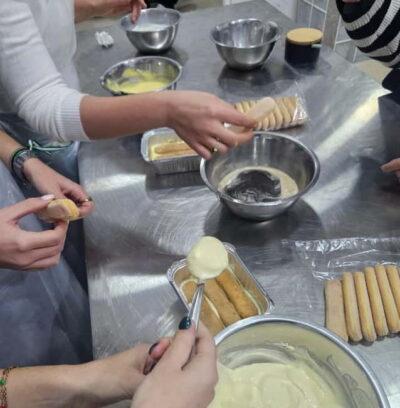
You’re not just tasting. You’re prepping—chopping veggies, working at your station, and following techniques during cooking. A review described starting with chopping and roasting on fire, then sitting down together afterward.
That hands-on structure is why the class feels authentic rather than performative. You learn by doing the work, even if your style ends up a little different than the chef’s. That’s fine. The goal is to understand why the steps matter.
Eating together in Fez: the meal is the lesson
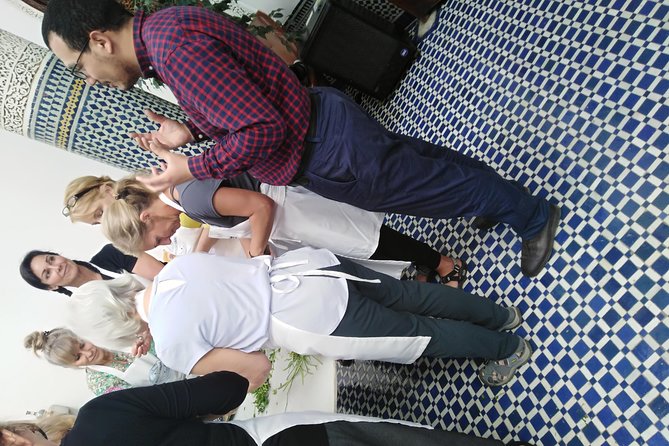
After the cooking session, you sit down to enjoy what you prepared. This is where the class earns its keep. It’s one thing to cook. It’s another to taste your own dish while it’s still fresh and hot.
You’ll eat with the other people in your small group, which keeps the vibe friendly. One review mentioned enjoying the meal with the group after cooking together. It’s that simple: you share the payoff, compare notes, and leave with a fuller sense of how Moroccan flavors work as a set.
Also, food tastes better when you’ve chosen it at the market and chopped it yourself. That link between shopping, cooking, and eating is the secret sauce here.
The human touch: Hannae and her mom set the tone
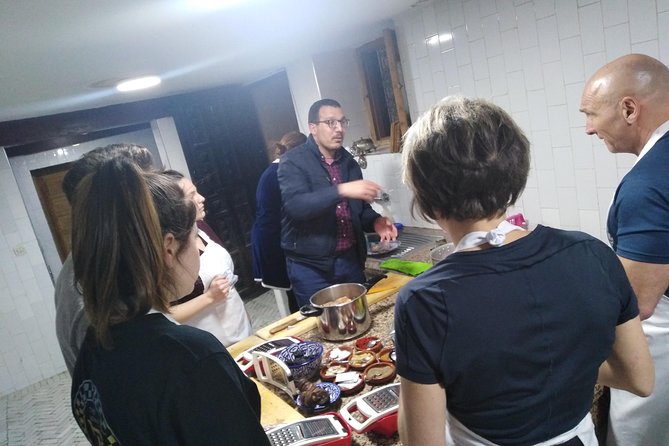
One of the most praised parts is the warmth of the people running the class. A standout review specifically called out Hannae and her mom as kind and welcoming. They greeted the group with tea and sweets, then guided the cooking.
That kind of welcome matters more than it sounds. When the hosts are relaxed and generous, you ask questions more easily. You learn faster and you feel comfortable making mistakes while you chop, mix, and shape dough.
If you care about a genuinely friendly experience—less rigid, more like a family-style lesson—this is a good sign.
Price and value: is $52.29 worth it?
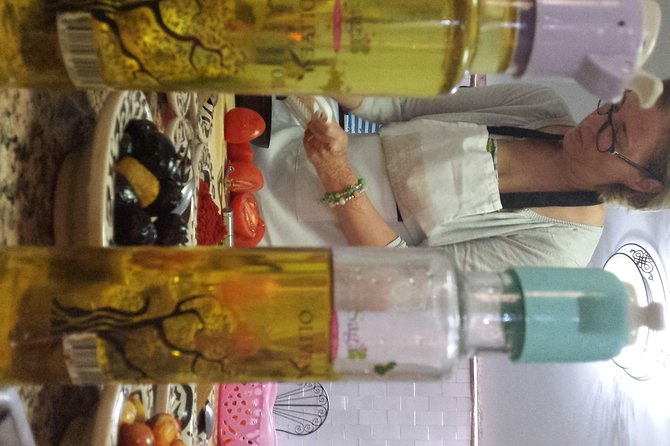
At $52.29 per person for about 3 hours, this class can be good value because you’re getting multiple things together:
- a market visit to choose ingredients
- guided hands-on cooking instruction
- preparation of classic dishes (tagine, salads, and breads)
- the meal you cook
- a small-group limit (max 15), which usually means better attention
If you were to do these separately—chef-guided market tour, then a cooking workshop, then a food experience—you’d almost certainly pay more. Here, the pricing is built around one clean package: shop, cook, eat.
You also have group discounts mentioned as a feature. If you’re traveling with friends or family, it can get even better.
Who this class suits best (and who might want a different style)
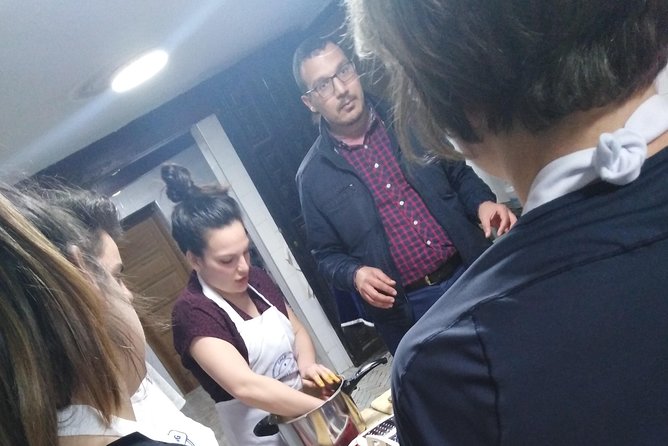
This cooking class is ideal if you:
- want a practical souvenir you can cook again at home
- enjoy markets and want to learn what ingredients look like in person
- prefer smaller groups over large tours
- like hands-on work more than passive sightseeing
It’s also a strong option if you want a break from all-day medina wandering. You’ll spend your half-day doing something focused, then you can roam freely after.
If you’re extremely limited on time or you dislike any cooking prep (chopping, mixing, hands-on steps), you might feel rushed in a 3-hour format. But if you’re game for real cooking tasks, you’ll likely be happy with the pace.
A small caution: communication can matter
There’s at least one unhappy experience tied to pickup timing and communication. In that case, the provider explained the issue happened because the group was in the desert without internet access, which led to difficulty contacting them. The refund was processed afterward.
So here’s the practical takeaway: if you plan to travel with spotty connectivity, double-check how you’ll reach your guide before the class. Bring a plan for communication, even if it’s just having the confirmation details saved offline.
Tips for making the most of your cooking class
Bring a calm attitude. Cooking in another country works best when you treat it like a workshop, not an exam.
Also:
- Ask your chef questions while you cook. You’ll get answers tied directly to the dish you’re making.
- Pay attention to spice balance and how the chef explains timing. Those “why” moments make home-cooking possible.
- Take notes during the class. The format encourages taking notes so you can recreate flavors later.
And yes: eat slowly once you sit down. This meal is part of learning.
Should you book this cooking class in Fez?
If you want a half-day activity that’s genuinely food-focused—market ingredients, hands-on cooking, and a meal you made—then book it. The small group size, the range of dishes (tagines, Zaalouk/Bakoula, tomato-cucumber salad, and breads like Malaoui and Harsha), and the warm hosting from people like Hannae and her mom all point to a solid, authentic experience.
I’d skip it only if you’re not interested in cooking prep or you hate structured time blocks. Otherwise, this is a smart way to spend a precious afternoon in Fez: practical skills now, tasty memories later.
FAQ
What dishes and foods does the class include?
The class includes traditional Moroccan dishes such as tagines (with options like chicken, vegetables, fish, and dried fruits), salads such as Zaalouk and Bakoula plus fresh tomato and cucumber salad, and baking breads such as Malaoui and Harsha.
How long is the cooking class?
It’s about 3 hours.
Where does the tour start in Fez?
The listed meeting point is Cafe Restaurant RCIF on Boulevard Ben Mohammed El Alaoui, Fes 30000, Morocco, and the overview also says you meet your guide at your hotel in Fez.
How big is the group?
The class has a maximum of 15 travelers.
Is there time after the class to explore Fez?
Yes. The class runs for about half a day, and the rest of your day is free.
Is free cancellation available?
Yes. You can cancel up to 24 hours in advance for a full refund.