REVIEW · FEZ
Full Day Fes Cooking Class Experience
Book on Viator →Operated by Marvels Tours · Bookable on Viator
The best days in Fez smell like spices. This full-day cooking class pairs a market shopping stop with hands-on prep, then ends at a shared meal in a 14th-century Moroccan house. I love the way you can choose from real Moroccan favorites, and I especially love that you sit down together at a round table to eat what you made.
One thing to think about: you’re choosing from set menu options and typical Moroccan pastries/breads, so if you’re chasing ultra-specific dishes, you’ll want to confirm they match what you’re hoping to learn.
You also get practical help. Door-to-door round-trip transfers from your hotel or riad mean you can focus on cooking instead of logistics, and the class caps at 15 people, so the chef can actually pay attention. With a price of $63.43 per person for a full day that includes transport, market time, ingredients, and lunch, it’s a solid value if you enjoy learning by doing.
In This Review
- Key Things To Know Before You Go
- Morning Pick-Up at 9:30 and Choosing Your Moroccan Menu
- The Market Stop: Learning Spices You’ll Actually Use
- Cooking Together: Tagines, Kefta, Chicken Maqalli, and More
- Bread at the Table: Khubz, Harcha, Baghrir, and the Farran Option
- Pastry Time: Cookies, Baklawa, and Sweet Finishes
- Lunch in a 14th-Century Home: Round-Table Eating and Garden Atmosphere
- Why Door-to-Door Transfers and a 15-Person Limit Change the Day
- Price and Value: What You’re Paying for at $63.43
- Who Should Book This Fez Cooking Class?
- Should You Book This Fez Cooking Class?
- FAQ
- What is the duration of the Full Day Fes Cooking Class?
- What is included in the price?
- How many people are in the class?
- Can I choose what to cook?
- Is bread baking part of the experience?
- If I need to cancel, do I get a refund?
Key Things To Know Before You Go
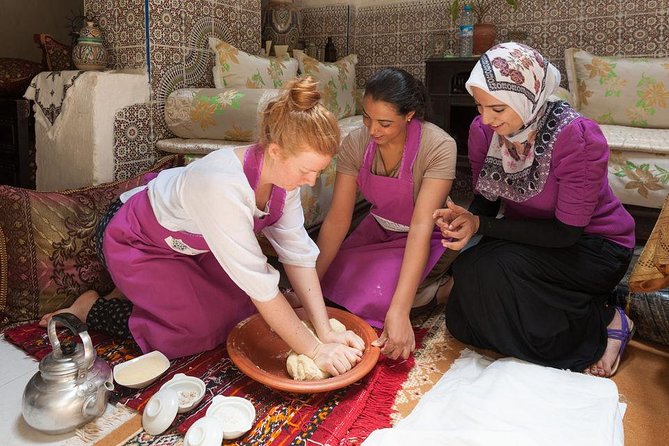
- Small group limit (15 max): easier pace, more time for questions, and less waiting around.
- You choose your dishes first: you’ll talk through meal and pastry options with the chef before cooking starts.
- Market stop is part of the lesson: you shop for ingredients and learn spices like ras el hanout, saffron, and turmeric.
- Bread and pastries are part of the fun: you can make breads such as khubz, harcha, and baghrir, plus sweets like cookies and baklawa.
- You eat in a 14th-century home: round-table lunch adds a real sense of place, not just a cooking demo.
- Includes transfers: air-conditioned vehicle with pickup and drop-off from your hotel or riad.
Morning Pick-Up at 9:30 and Choosing Your Moroccan Menu
The day starts at 9:30 am in Fez. You’ll be picked up and driven by a professional driver in an air-conditioned vehicle, then brought to your master chef to talk through what you’ll make.
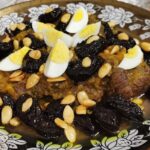
Before you cook, you’ll choose from a menu of Moroccan classics. On the savory side, options include Tagine, Kefta with Tomato Sauce and Eggs, Djaj (chicken) Maqalli, preserved lemons, and Meshwi (grill). You can also pick Lamb with Prunes, Couscous with seven vegetables, and Pastilla, plus Moroccan traditional soups like Harira and herbal soup. If you’d rather go lighter, there are Moroccan salads too, such as Ttaktkouka (chopped cucumber, tomatoes, and onions), Bakoula, and options like rice and tuna salad, potato salad, and green bean salad.
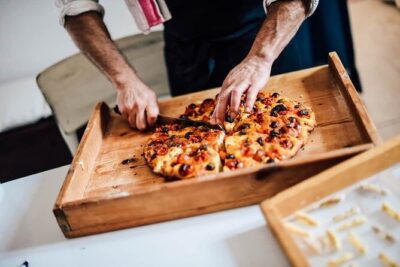
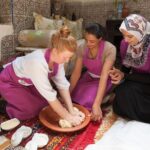
There’s also a pastry and bread track, which is a big part of the experience if you like getting your hands on dough. You can make breads such as ordinary khubz, khubz with olive, harcha (Moroccan semolina bread), Malawì bread, and Baghrir. You may even be able to bake bread at the local farran (oven), which turns the day from cooking into a full food-cycle experience. For sweets, you’ll have the option to make things like cookies and baklawa, plus other treats.
You can also read our reviews of more tours and experiences in Fez.
The Market Stop: Learning Spices You’ll Actually Use
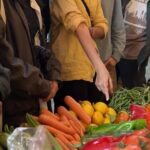
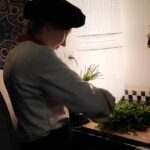
After your chef chat, you head to the local market to buy ingredients. This isn’t just a quick photo stop. You’re there for the shopping part of the lesson, so you can connect spices to dishes as you cook later.
This is where the day becomes real for me. You get hands-on exposure to Moroccan spice staples like ras el hanout, anise, fenugreek, sesame seeds, cinnamon, saffron, ginger, and turmeric. You’ll see them in the kinds of mixes and forms that show up across Moroccan cooking, not in a tidy kitchen-shelf version.
Practical tip: keep an eye on the spice blends you’re seeing, especially ras el hanout. It’s common for it to show up across multiple dishes, so when you learn what’s in it, you’ll be able to taste differences more clearly when you sit down to eat.
Cooking Together: Tagines, Kefta, Chicken Maqalli, and More
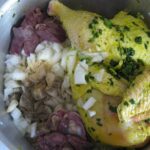
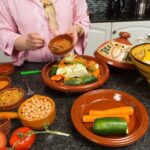
Once ingredients are in place, you roll up your sleeves and cook with help from the chef. The class focuses on learning techniques you can use again, not just following steps.
Your specific dishes depend on what you chose in the morning. But the lineup gives you a good range of Moroccan flavors and textures:
- Tagine: slow-cooked comfort, built around aromatics and tender ingredients.
- Kefta with tomato sauce and eggs: seasoned ground meat with a soft, egg-topped finish.
- Djaj (chicken) Maqalli: chicken with a savory Moroccan profile, often linked to preserved lemon flavors.
- Preserved lemons: a signature ingredient that adds tang and depth to savory dishes.
- Meshwi (grill): smoky, direct heat flavors.
- Lamb with prunes: sweet-salty balance you usually don’t get in everyday home cooking.
- Couscous with seven vegetables: hearty, vegetable-forward, and very Moroccan in spirit.
- Pastilla: layered pastry cooking that feels special even when you’re learning it step-by-step.
- Harira and herbal soups: warming soup options that show how Moroccan meals start off slowly.
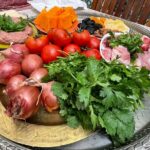
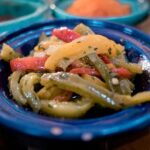
- Moroccan salads: like Ttaktkouka, plus other mix-and-stir styles such as rice and tuna salad, potato salad, and green bean salad.
Even if you only cook one main dish, you’ll benefit from watching how the chef handles timing and seasonings for the rest. In cooking classes where everyone makes wildly different meals, you usually lose the thread. Here, your menu choices still keep the day cohesive.
Also, you’ll be working alongside the chef in an intimate setup. With a group size capped at 15, you’re not stuck waiting for equipment or hoping someone notices your question.
Bread at the Table: Khubz, Harcha, Baghrir, and the Farran Option
One of the smartest parts of this class is that it gives bread real attention. Moroccan meals often hinge on bread, but many cooking classes treat it like an afterthought. Here, bread options are baked into the schedule and the menu.
You can make several styles, including:
- Khubz (Arabic bread) and khubz with olive
- Harcha (Moroccan semolina bread)
- Malawì bread
- Baghrir
There’s also an extra bread moment: you can take what you’ve made to the farran, the local oven, for baking. If you love the smell of bread cooking, this is the sort of detail that makes the day feel like more than a workshop. You get the satisfaction of preparing the dough and then seeing it turned into bread with the right heat.
Pastry Time: Cookies, Baklawa, and Sweet Finishes
After savory cooking, the class gives you a chance to make Moroccan sweets. This is the portion that often feels like dessert plus a skill lesson at the same time, because pastry work rewards attention and patience.
You can try making cookies, baklawa (baklava), and other sweet treats as part of the pastry options. If you’re the type who always watches dessert recipes more than main dishes, this section will help you understand what changes when you work with Moroccan pastry textures and sweetness levels.
And yes, there’s a reason this belongs in a Fez cooking class. Breads and sweets are part of Moroccan hospitality, and learning a few basics here helps you spot them later when you walk past bakeries or tea spots.
Lunch in a 14th-Century Home: Round-Table Eating and Garden Atmosphere
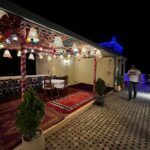
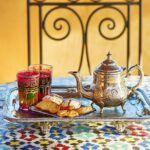
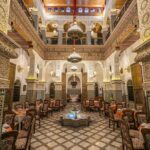
When the cooking wraps up, you sit down for lunch at a round table. The setting is in a traditional Moroccan house built in the 14th century, and it includes a lovely garden, so the meal doesn’t feel like you’re eating in a back room.
This matters more than it sounds. A cooking class can turn into a frantic kitchen grind, where the food disappears before you’re ready to taste it. Here, the round-table setup creates a slower pace. You get to eat, compare what different group members made, and pick up small lessons from watching how everything lands on the plate.
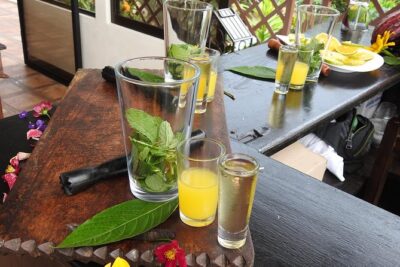
Also, the class includes Moroccan mint tea, and you’ll likely have it as part of the meal flow. It’s a simple touch that reinforces the culture of the day: food, conversation, and comfort.
Why Door-to-Door Transfers and a 15-Person Limit Change the Day
Value in a cooking class isn’t only about the food. It’s about the time you lose to getting there and the attention you get once you arrive.
In this case, the experience includes:
- pick-up and drop-off from your hotel or riad
- an air-conditioned vehicle and a professional driver
- a local master-chef and ingredients
- lunch
That door-to-door piece is a big deal in Fez. Old-city navigation can be tricky, and walking with luggage or trying to meet people in the right spot often turns a day trip into a mini project. With transfers handled, you start on time and stay relaxed.
Then there’s the group size. A max of 15 travelers means you’re not competing for space or tools. You’ll have a better chance to get real help when your kefta, dough, or sauce needs a quick adjustment. It also makes the day feel more personal, like you’re joining a family-style cooking session rather than watching a chef perform.
Price and Value: What You’re Paying for at $63.43
At $63.43 per person, this day is priced like an activity that includes real production value. You’re not just paying for instruction. You’re paying for transport, ingredient shopping, the cooking lesson, and lunch.
Here’s what you get in the included cost:
- transportation in an air-conditioned vehicle
- pick-up and drop-off at your hotel/riad
- market visit
- ingredients
- learn how to prepare Morocco classic dishes
- lunch
- local master-chef
You can also see why this adds up. Market shopping isn’t free, and ingredients aren’t symbolic in a hands-on class. Add door-to-door transfers and the kitchen time with a chef, and the price starts to make sense for a full-day cultural activity.
Not included: extras. So if you’re planning to buy extra spice jars, drinks beyond what’s included, or souvenirs, budget separately.
One more note: the experience uses a mobile ticket, so you won’t need to scramble for paper vouchers at the last minute.
Who Should Book This Fez Cooking Class?
This is a great match if you want:
- a market-to-table day, not just a kitchen lesson
- hands-on cooking plus bread and pastry options
- an intimate group size where questions don’t get lost
- a sit-down lunch in a traditional home setting
From the tone of the experience itself, it also sounds like it’s built for warm, welcoming hospitality. The best comments focus on how friendly the hosts and chef experience feels, with humor and personal family-style stories that connect food to daily life in Fez. If that kind of warmth matters to you, you’ll likely enjoy the day even more.
You might want to think twice if:
- you only want one specific dish and don’t see it in the menu options
- you strongly prefer a fully customized menu with no choice involved
- you’re very sensitive to group pacing (though the 15-person cap helps)
Should You Book This Fez Cooking Class?
I think this is a solid yes for most visitors who want a memorable food day in Fez. The combination of ingredient shopping, hands-on cooking, and a traditional round-table lunch in a 14th-century house makes it feel like more than a checklist activity. And the door-to-door transfers remove the most annoying part of day trips in the medina.
If you like cooking, you’ll enjoy the variety: tagines, kefta, chicken maqalli, soups like harira, salads like ttaktkouka, plus bread and sweets. If you mainly care about eating, the lunch still delivers because you’ll be tasting what you helped prepare.
One reason to be careful is the set menu structure. If you have one must-learn dish or a dietary requirement that isn’t clearly covered in the options list you’re given, confirm before booking.
FAQ
What is the duration of the Full Day Fes Cooking Class?
It runs for approximately 1 day, with a start time of 9:30 am.
What is included in the price?
The price includes air-conditioned transportation, pick-up and drop-off from your hotel or riad, a professional driver, a market visit, ingredients, instruction from a local master-chef, and lunch.
How many people are in the class?
The class is limited to a maximum of 15 travelers.
Can I choose what to cook?
Yes. You can choose from different meal options (like tagine, kefta with tomato sauce and eggs, chicken maqalli, lamb with prunes, couscous with seven vegetables, pastilla, soups, and salads) and also select pastry and bread options.
Is bread baking part of the experience?
You can make Moroccan breads such as khubz, khubz with olive, harcha, Malawì bread, and Baghrir. There is also an option to take your bread to a local farran (oven) for baking.
If I need to cancel, do I get a refund?
No. The experience is non-refundable and cannot be changed for any reason.