REVIEW · AREQUIPA
Cooking Class Typical Food in Arequipa
Book on GetYourGuide →Operated by Inspires Viagens · Bookable on GetYourGuide
A kitchen class in Arequipa beats most food tours. You get hands-on preparation of classic Peruvian dishes and Arequipeño favorites, not just a lecture. The only real thing to watch is the menu changes by availability, so you may not get your exact top pick.
I like that you cook a full small menu: starter, main, and dessert, using local ingredients and traditional methods. You also get a safe, large kitchen setup plus a chance to share the experience and swap tips with other people while you take photos in the garden-like setting. If you’re expecting a super-custom route or one specific dish every time, plan for flexibility.
In This Review
- Key things that make this class worth your time
- Why this Arequipa cooking class feels practical (not just fun)
- Picking the menu: Traditional Peruvian, Arequipeño, or Marine
- Traditional Peruvian menu (if you want the hits)
- Arequipeño menu (if you want local personality)
- Marine menu (if you’re craving the coast vibe)
- What the 2-hour experience actually feels like
- Inside the kitchen: tools, safety, and how to make the most of it
- The dishes you’ll learn: more than names on a menu
- Causa: layered comfort and structure
- Lomo saltado: the stir-fry mindset with Peruvian seasoning
- Queso soltero: creamy, spicy, and surprisingly approachable
- Rocoto relleno: handling heat and stuffing technique
- Ceviche: freshness, acidity, and timing
- Pescado a la chorrillana: sauce work and fish tenderness
- Dessert: the sweet ending that makes the whole class stick
- Tasting what you cooked, plus the social side
- The photos and the setting you’ll want to remember
- Price and value: what $57 includes (and what to double-check)
- Who this cooking class suits best in Arequipa
- Should you book it? My straight answer
- FAQ
- Where is this cooking class held?
- How much does the class cost?
- How long is the experience?
- What are the start times?
- What menus are available?
- What dishes are included in each menu?
- Are ingredients included?
- Is there an instructor and what languages do they speak?
- Will you taste the food you cook?
- Is free cancellation available?
Key things that make this class worth your time
- Starter, main, and dessert included: you’re not leaving with just one dish under your belt
- Menu options with real regional identity: Traditional Peruvian, Arequipeño, or Marine style
- Instructor in English and/or Spanish: you can follow along without guessing
- Tasting your own food: you eat what you make, not just watch others do it
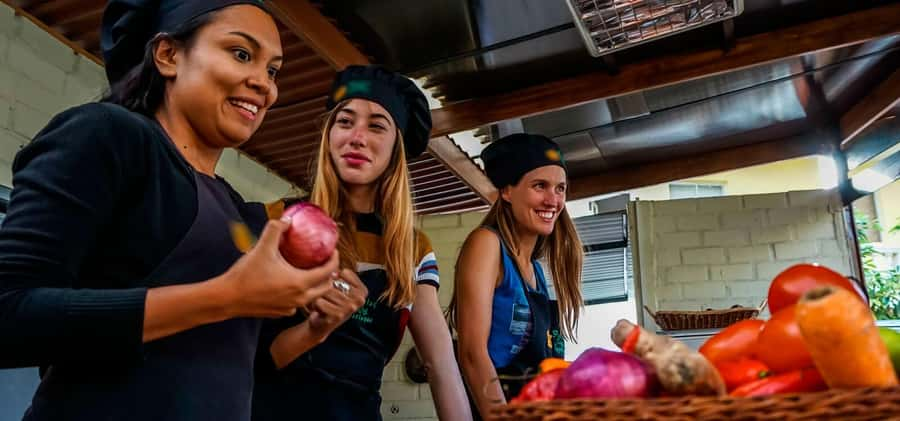
- Safe, large kitchen environment: better for hands-on cooking than tiny cramped setups
Why this Arequipa cooking class feels practical (not just fun)
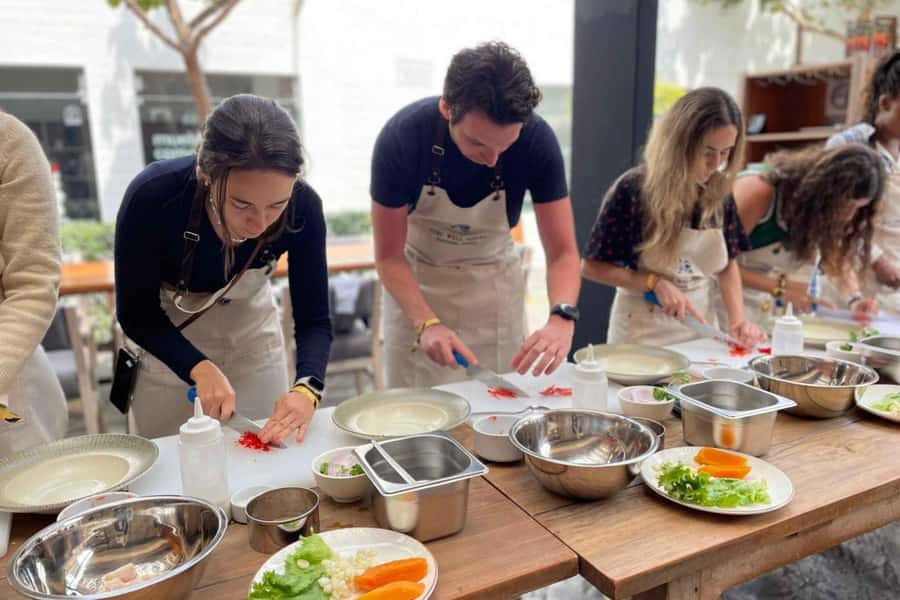
Cooking classes can go two ways: either you learn, or you mostly stand around while someone else does the work. This one aims for the first option. The structure is simple—follow practical instructions, prepare a Peruvian menu step-by-step, and finish by tasting your results.
I also like that it’s anchored in the food people actually eat: Peruvian favorites like lomo saltado and ceviche show up, and the Arequipa-specific dishes like queso soltero and rocoto relleno are part of the rotation. That combo matters because it keeps the class from feeling generic.
One more small but important detail: they provide soft drinks and water. It sounds basic, but it helps you stay focused on cooking instead of constantly getting up for refills.
You can also read our reviews of more tours and experiences in Arequipa.
Picking the menu: Traditional Peruvian, Arequipeño, or Marine
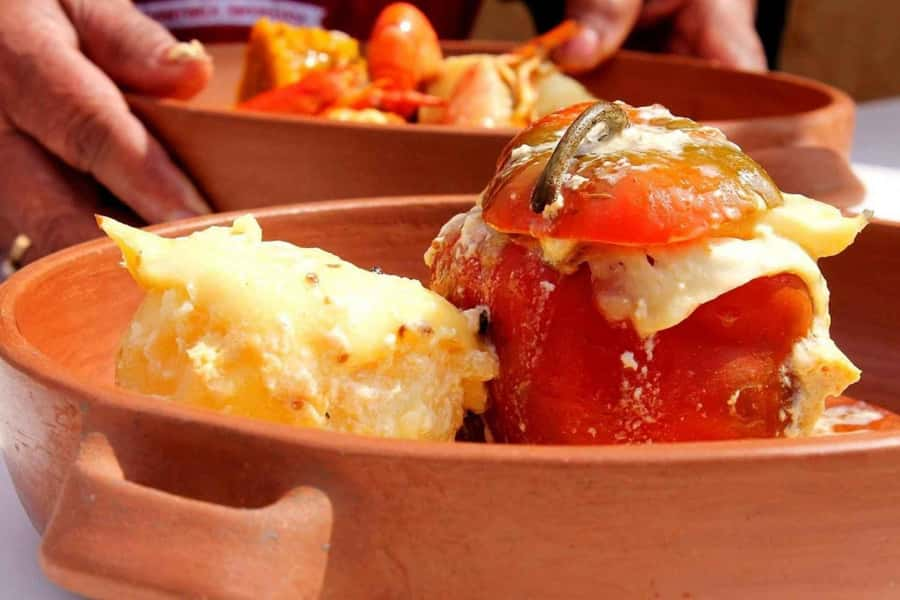
This class offers different menus based on what’s available. You’ll choose among three paths, and the dishes are a strong clue to the style you’ll learn.
Traditional Peruvian menu (if you want the hits)
You can get a menu featuring causa, lomo saltado, and dessert. If you’re new to Peruvian food, this is the set that gives you the broadest flavor map—creamy, crispy, savory, and then sweet.
Lomo saltado is the kind of dish that helps you understand the Peruvian balance of stir-fry style cooking with bold seasonings. And causa is a great starter because you see how technique changes texture and flavor without needing anything fancy.
Arequipeño menu (if you want local personality)
This menu leans hard into Arequipa. Expect queso soltero and rocoto relleno, plus dessert.
Queso soltero is a classic that helps you understand how cheese and spice can work together without turning heavy. Rocoto relleno, on the other hand, is about heat and stuffing technique—how you handle a chile ingredient and build flavor from the inside out.
Marine menu (if you’re craving the coast vibe)
This option includes ceviche, pescado a la chorrillana, and dessert.
Ceviche is fast-learning because you see how acidity and freshness work as a system. Pescado a la chorrillana then adds another skill set—cooking fish with a sauce and timing so it stays tender.
What the 2-hour experience actually feels like
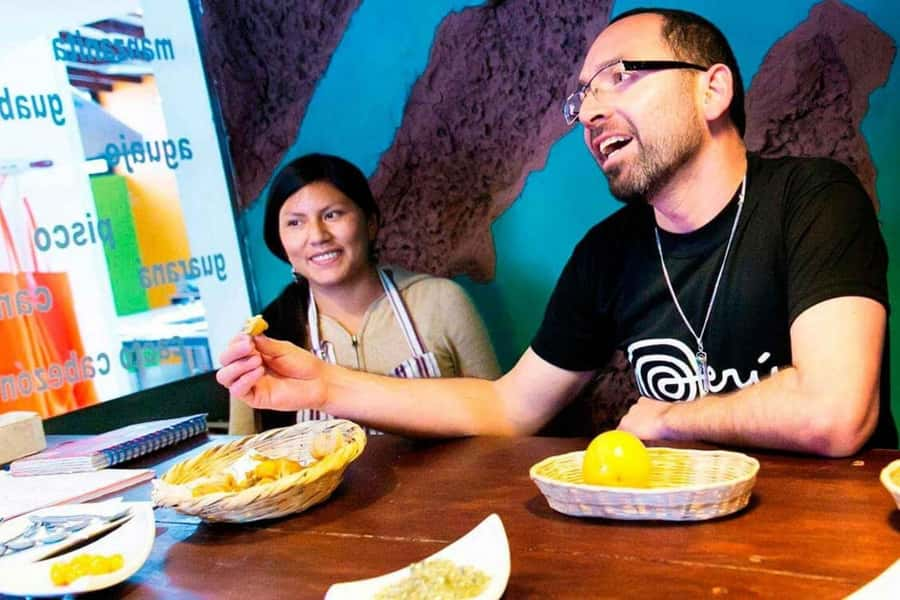
The duration is listed as about 2 hours, and the scheduled block is 1 hour and 45 minutes. The class runs at 11:00 a.m. and 4:00 p.m., Monday through Saturday. In practice, plan your day so you can arrive hungry and leave ready to eat again.
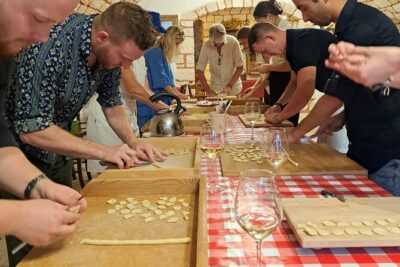
The “hands-on” promise matters most at the middle of the session—when you’re actively assembling and cooking. The class is designed so you follow practical instructions while using local ingredients and traditional methods, not just watching someone demonstrate.
You’ll also have time to share and exchange experiences with other visitors. That social part can be surprisingly useful: cooking questions get answered quickly when people swap what worked and what didn’t.
Inside the kitchen: tools, safety, and how to make the most of it
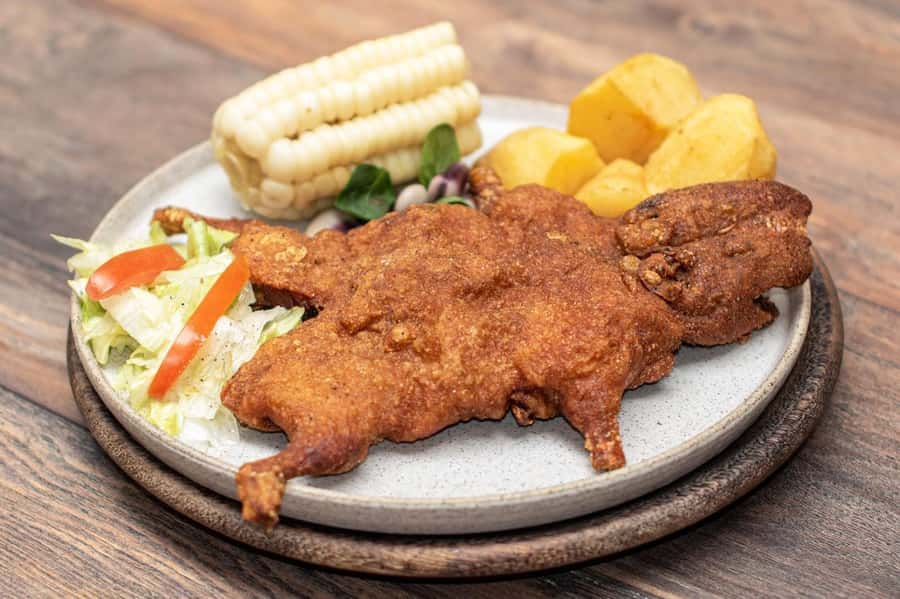
You’ll cook in a large and safe kitchen environment. That’s a big deal for a hands-on class, because cramped spaces often mean you spend more time waiting than cooking.
Since ingredients for starter, main course, and dessert are included, you won’t waste time hunting for basics. It also means you can focus on technique—chopping, combining, seasoning, and assembling—based on what the instructor shows.
The instructor is available in English and/or Spanish. If you’re more comfortable in one language, use it early. Ask any clarification questions before you start a step—especially when a dish has timing or texture goals.
The dishes you’ll learn: more than names on a menu
Here’s how these menu options translate into skills you can actually use later.
Causa: layered comfort and structure
Causa is the starter that teaches you about building texture and consistency. You learn how ingredients come together into a cohesive base, and how presentation matters because it’s a layered dish.
Even if you don’t replicate it perfectly at home, you’ll remember the principle: texture is the main ingredient.
Lomo saltado: the stir-fry mindset with Peruvian seasoning
Lomo saltado is a confidence booster. It’s a dish that rewards attention and heat control. You learn how to balance savory flavor, the way components cook together, and how seasoning can make everything taste like one dish instead of separate parts.
If you enjoy cooking with quick steps, this is the one that feels most like a repeatable home routine.
Queso soltero: creamy, spicy, and surprisingly approachable
Queso soltero is the dish that helps you understand how “comfort” and “kick” can coexist. It’s a good entry point if you like cheese-forward flavors but still want something distinctly Peruvian.
This kind of recipe is also ideal for practice because once you understand the structure, you can adjust to your own pantry at home.
Rocoto relleno: handling heat and stuffing technique
Rocoto relleno brings a different challenge: working with a pepper that has real heat and character. You’ll practice how to prepare the chile as part of the whole dish and how the filling becomes the flavor engine.
If you’re nervous about spice, don’t guess—follow the instructor’s guidance and taste as directed.
Ceviche: freshness, acidity, and timing
Ceviche teaches the logic of freshness and timing. When you understand what changes as acidity sets the flavor, you get it more than you memorize it.
This is one of the most memorable items in the marine menu because it’s hands-on and reactive—you can see the transformation as you work.
Pescado a la chorrillana: sauce work and fish tenderness
Pescado a la chorrillana shifts you into sauce and tenderness territory. Fish is unforgiving if it’s overcooked, so the lesson becomes about knowing when to stop.
It’s also a useful skill for home cooking because it’s not just about fish—it’s about building flavor with the right motion and timing.
Dessert: the sweet ending that makes the whole class stick
Dessert is included in every menu. That matters for memory: when the class ends with something you helped make, you remember the steps better because your brain tags the whole experience as complete.
If you’re bringing someone with mixed tastes—one person likes savory, the other wants sweet—this format is a good compromise.
Tasting what you cooked, plus the social side
At the end, you get tasting of the prepared food. This is the moment that turns lessons into a real meal instead of a class assignment.
The tasting also helps you calibrate. If something is too salty, too spicy, or not quite how you expected, you understand why—and you’re more likely to adjust correctly next time.
And because you’ll be sharing the experience with other visitors, the kitchen becomes a place for quick comparisons: what step surprised someone, what technique made a difference, and what to try differently.
The photos and the setting you’ll want to remember
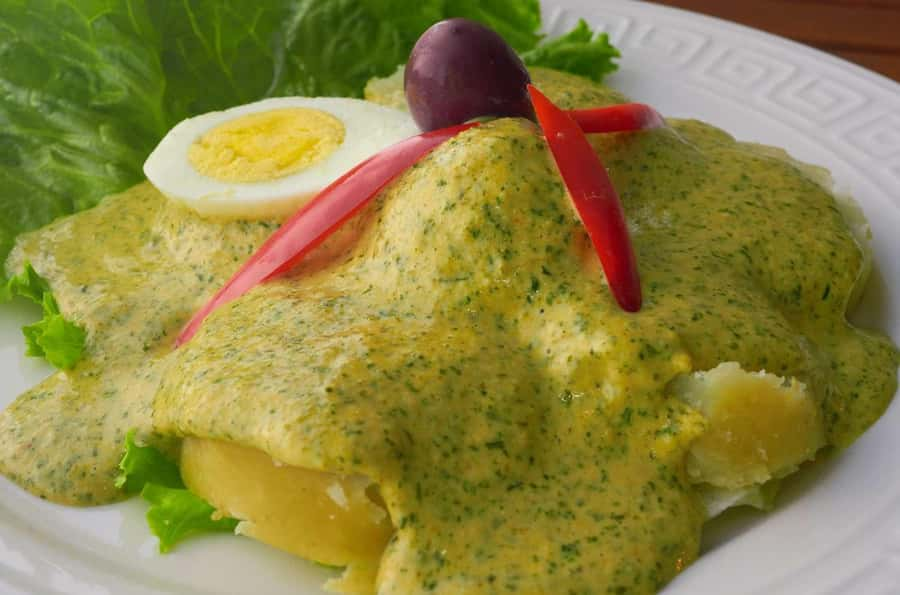
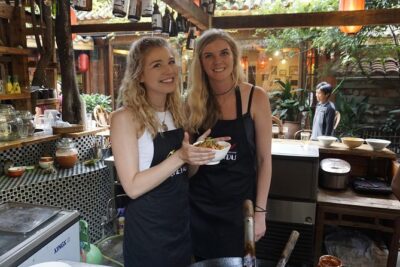
The activity takes place in a beautiful kitchen environment in a large garden. You’ll have chances to enjoy the setting and take unforgettable photos.
This matters more than you’d think. Food looks better when you can capture it in good light and a calm space, and it also makes your notes and memories easier when you’re back home.
Price and value: what $57 includes (and what to double-check)
The price is $57 per person, and the class is about 2 hours. The good value angle is that ingredients for starter, main course, and dessert are included, along with soft drinks and water. You’re paying for guided cooking plus a full meal you actually eat.
The fair warning is tied to how cooking classes can vary in hands-on time. One thing to consider before you book: with a price like this, you should expect real participation, not just basic chopping. If you’re the type who wants to do the majority of the work, go in ready to be active—and if anything isn’t clear beforehand, ask what roles you’ll have at each step.
If you treat the session like a skill-building workshop, $57 can feel like a solid deal. If you only want a quick demo, you might feel like the cost is too high for the time you spend cooking.
Who this cooking class suits best in Arequipa
This works best if you’re in Arequipa for food and want more than eating—you want learning. It’s also a nice choice if you’re staying flexible about specific dishes, since menus can change based on availability.
You’ll probably enjoy it most if:
- you like classic Peruvian dishes and want to cook them yourself
- you want a mix of savory and sweet with a real tasting at the end
- you prefer a small “meal experience” over a long walking tour
If you’re very sensitive to spice, rocoto relleno is the one to watch. You can still take the class—you just need to follow the instructor’s approach and taste as you go.
Should you book it? My straight answer
Book this class if you want a hands-on Arequipa food experience built around a full Peruvian menu: starter, main, dessert, cooked with local ingredients and taught by an instructor in English and/or Spanish. The kitchen setup, the included ingredients, and the tasting make it feel like value instead of a gimmick.
Skip it or choose carefully if you’re the type who expects a specific dish every time or you worry the class might feel light on real prep work. With the menu changing by availability, you’ll get the most out of it when you’re open to what’s on the day.
If your goal is to leave with recipes you can actually cook at home, this is the kind of class that makes that possible.
FAQ
Where is this cooking class held?
It’s in the Arequipa Region of Peru.
How much does the class cost?
The price is $57 per person.
How long is the experience?
The duration is listed as 2 hours, with a scheduled time of 1 hour and 45 minutes.
What are the start times?
Classes run at 11 a.m. and 4 p.m. from Monday to Saturday.
What menus are available?
There are three menu types depending on availability: Traditional Peruvian, Arequipeño, or Marine.
What dishes are included in each menu?
Traditional Peruvian: causa, lomo saltado, dessert. Arequipeño: queso soltero, rocoto relleno, dessert. Marine: ceviche, pescado a la chorrillana, dessert.
Are ingredients included?
Yes. Ingredients to prepare the starter, main course, and dessert are included.
Is there an instructor and what languages do they speak?
Yes. An instructor is included and speaks English and/or Spanish.
Will you taste the food you cook?
Yes. There is tasting of the prepared food.
Is free cancellation available?
Yes. You can cancel up to 24 hours in advance for a full refund.