REVIEW · AREQUIPA
Arequipa: Peruvian Cooking Class
Book on GetYourGuide →Operated by Tangol · Bookable on GetYourGuide
Purple corn turns into your welcome drink. In Arequipa’s historic center, you kick off a hands-on cooking class at Casa de Avila Hotel with Chicha Morada, then cook with a professional chef in Spanish and English. It’s a nice mix of food, local flavor, and a very practical cooking lesson.
I love that you’re not just watching—you’re making a real meal. You’ll prep two traditional dishes step by step, using ingredients and cookware provided, and you’ll even learn some context about Peruvian food as you go. The class is small (max 12), so instructions tend to stay clear and useful.
One thing to keep in mind: menu choices need to be confirmed carefully, especially if you have allergies or dietary needs. A couple of past participants mentioned issues with menu matching and the session running a bit fast, so double-check expectations when you arrive and again during booking.
In This Review
- Key things I’d bank on
- Chicha Morada at Casa de Avila: Why This Class Feels Local
- Picking Your Menu in Arequipa: Andean, Traditional, or Seafood
- The Two Dishes You’ll Make: Real Skills, Not Just Tasting
- Andean Menu: Solterito and Rocoto Relleno
- Traditional Menu: Causa and Lomo Saltado
- Seafood Menu: Ceviche and Pescado a lo Macho
- What Actually Happens During the 2 Hours
- Chef Coaching in Spanish and English (How to Get the Most)
- Price and Value: Is $63 Worth It in Arequipa?
- Logistics That Matter: Timing, Comfort, and Where to Meet
- Menu Changes, Allergies, and the One Thing to Double-Check
- Who This Is Best For (and Who Should Skip It)
- Should You Book This Arequipa Cooking Class?
- FAQ
- Where is the meeting point for the Arequipa cooking class?
- How long is the cooking class?
- What’s included in the price?
- Is roundtrip transportation from my hotel included?
- Do I get to choose what menu we cook?
- Are vegetarian options available?
- Can the menu be adapted for allergies or dietary restrictions?
- What language will the chef/instructor use?
- Is the activity wheelchair accessible?
- Is there free cancellation?
- What should I wear or bring?
- Is this suitable for children?
Key things I’d bank on
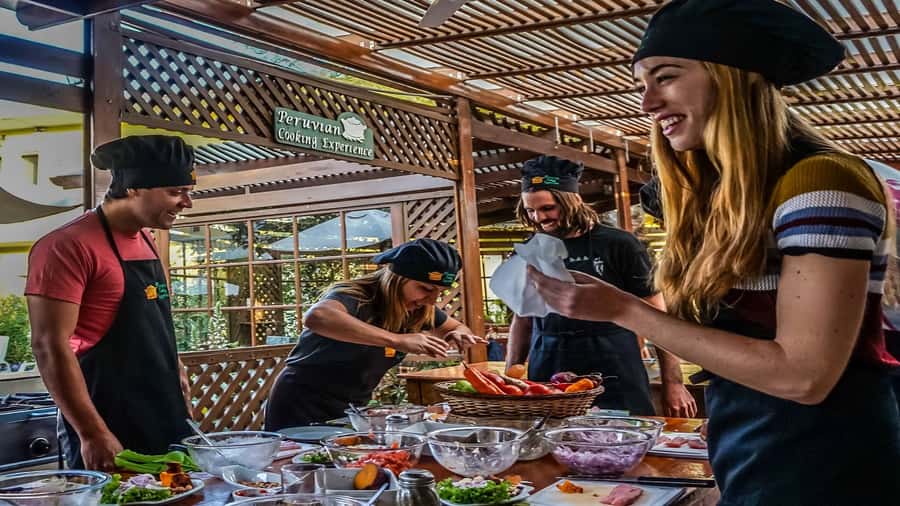
- A welcome Chicha Morada made from purple corn (sweet, nonalcoholic) that sets the mood right away
- Two-course cooking output: you actually take home the results on your plate
- Three menu paths (Andean, Traditional, Seafood) so you can choose your vibe
- Bilingual, step-by-step chef coaching in Spanish and English
- Small-group format with a practical flow and hands-on time
Chicha Morada at Casa de Avila: Why This Class Feels Local
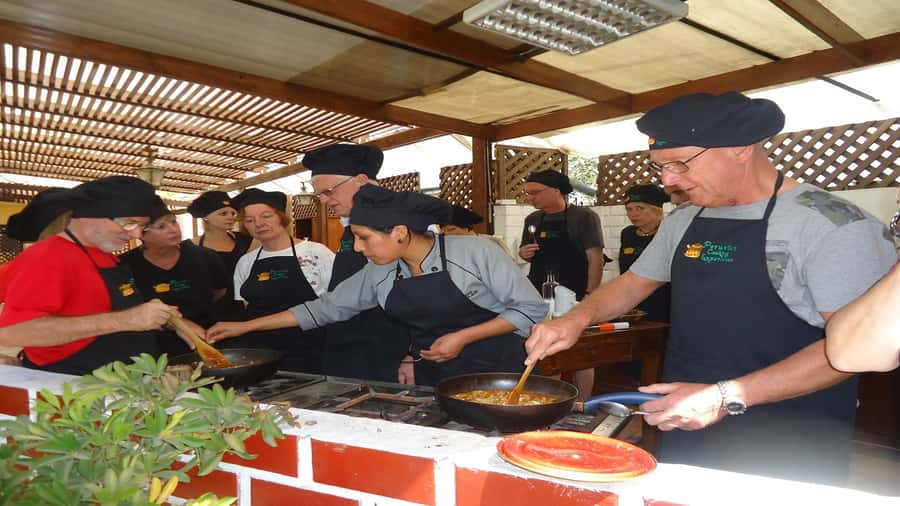
Arequipa already has a postcard quality. The cooking class takes advantage of that by starting you in the historic center at Casa de Avila Hotel, right where your walk-and-explore day usually begins. Then you jump straight into the fun part: food.
You’ll arrive at the meeting point, get a welcome drink called Chicha Morada, and you’re not left floating around with a menu flyer. The drink is sweet, made with purple corn, and it’s nonalcoholic—perfect as a first taste while everyone gets settled.
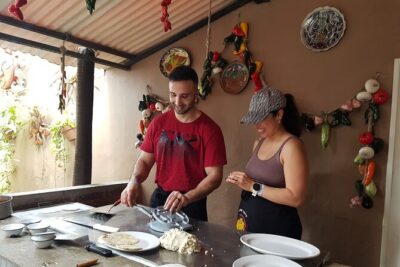
What makes this class feel more like an evening with people than a tourist workshop is the way it’s structured. You’ll put on an apron and chef’s hat, work at the cutting board with guidance, and share travel stories with the group and the chef. Even the history angle is handled in a practical way, tied to what you’re actually cooking.
Picking Your Menu in Arequipa: Andean, Traditional, or Seafood
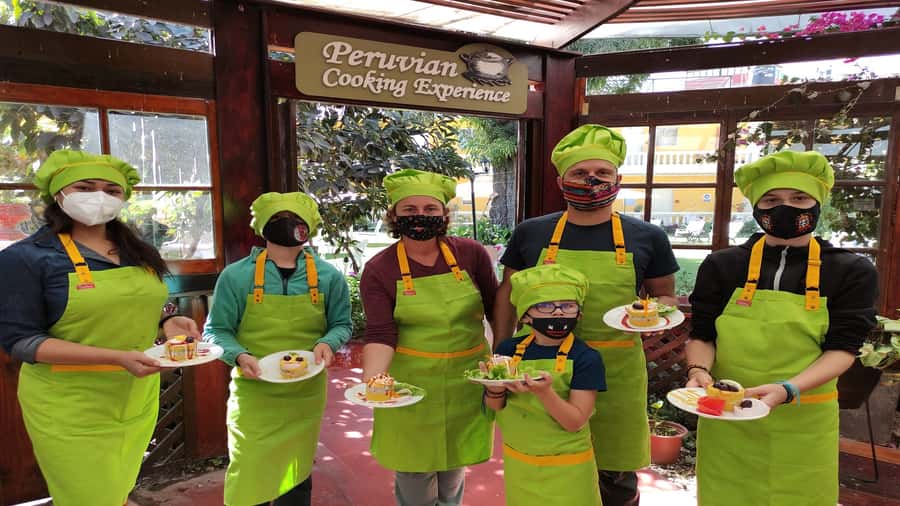
This is one of the biggest value parts of the experience: you get a menu choice, and the course work is built around it. After you confirm your reservation, you’ll be contacted to indicate which menu you want to cook. The class then prepares you for two dishes from that menu.
You can choose from three options:
Andean Menu
- First course: Solterito (onion, tomato, corn, beans, cheese, potatoes)
- Second course: Rocoto Relleno (rocoto pepper stuffed with spiced ground meat, cheese, raisins)
Traditional Menu
- First course: Causa (yellow potato mash with yellow pepper and lemon; filled with avocado and tuna or chicken; topped with olives and vegetables)
- Second course: Lomo Saltado (beef, onion, yellow pepper, tomato, French fries cooked in a wok; served with white rice)
Seafood Menu
- First course: Ceviche (fish marinated with lemon juice; onion, sweet potato, corn)
- Second course: Pescado a lo Macho (fried fish with onion-tomato sauce; served with white rice)
If you like structure, this is great. You know your two outcomes in advance, which makes the lesson feel like a cooking win rather than a random food buffet.
The Two Dishes You’ll Make: Real Skills, Not Just Tasting
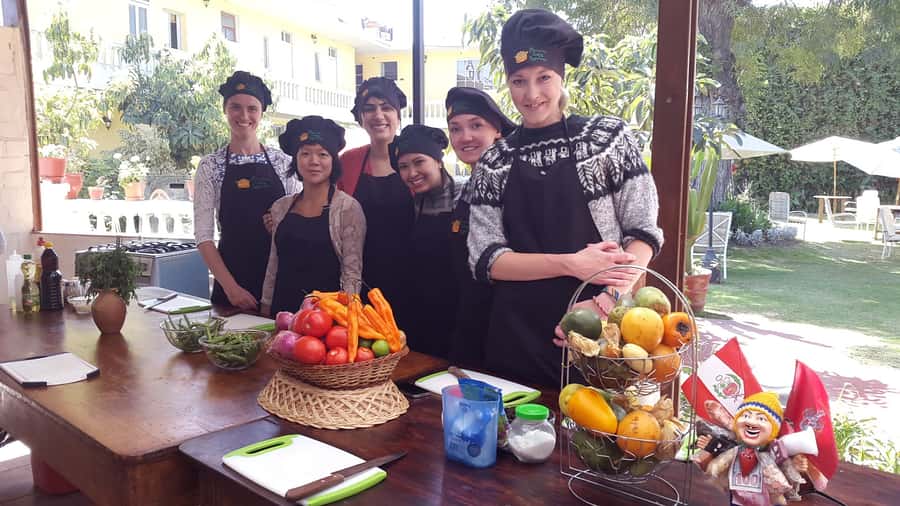
I like that the dishes cover different techniques, so you’re learning more than one trick. You might handle a fresh salad build, stuffing and seasoning, potato-mash layering, stir-fry style wok work, or a citrus-marinated seafood prep. That variety matters because it teaches you how Peruvian flavors show up across textures—cool, creamy, spicy, bright, and savory.
Andean Menu: Solterito and Rocoto Relleno
Solterito is a smart first course because it’s about balancing freshness and starch. You’ll work with onions and tomatoes alongside corn and beans, then fold in cheese and potatoes. It’s a dish that helps you see how Peruvian meals often combine vegetables with hearty ingredients instead of treating salad as an afterthought.
Then comes Rocoto Relleno, and this is where you get a bigger lesson: peppers, stuffing, and spice management. Rocoto is described as a strong spicy red fruit, shaped a bit like an apple, and the filling mixes ground meat with spices, cheese, and raisins. If you’ve never cooked with rocoto, you’ll learn fast that the pepper is the star and the filling has to support it.
Traditional Menu: Causa and Lomo Saltado
Causa is the kind of dish that feels impressive because it’s built in layers. You’ll make mash potato seasoned with yellow pepper and lemon, then layer in filling like avocado plus tuna or chicken. Black olives and vegetables on top bring contrast in both color and flavor, so it looks as good as it tastes.
Then you move to Lomo Saltado, a classic Chinese-Peruvian fusion style dish. You’ll cook beef with onion, yellow pepper, and tomato, plus French fries, in a wok. If you’ve ever wondered how restaurants get that fried-meets-stir-fried vibe, this is the closest lesson format you’ll get in two hours—served with white rice on the side.
Seafood Menu: Ceviche and Pescado a lo Macho
Ceviche is all about timing and technique. You’ll marinate fish with lemon juice and balance it with onion, sweet potato, and corn. You’ll also learn how the ingredients support the seafood rather than overwhelm it.
For the second dish, Pescado a lo Macho gives you a different skill set: frying and then topping with a sauce. You’ll fry a fish fillet and add a sauce made from onions and tomatoes, then serve it with white rice. It’s a satisfying pairing because you end up with one dish that’s bright and one that’s rich and warm.
What Actually Happens During the 2 Hours
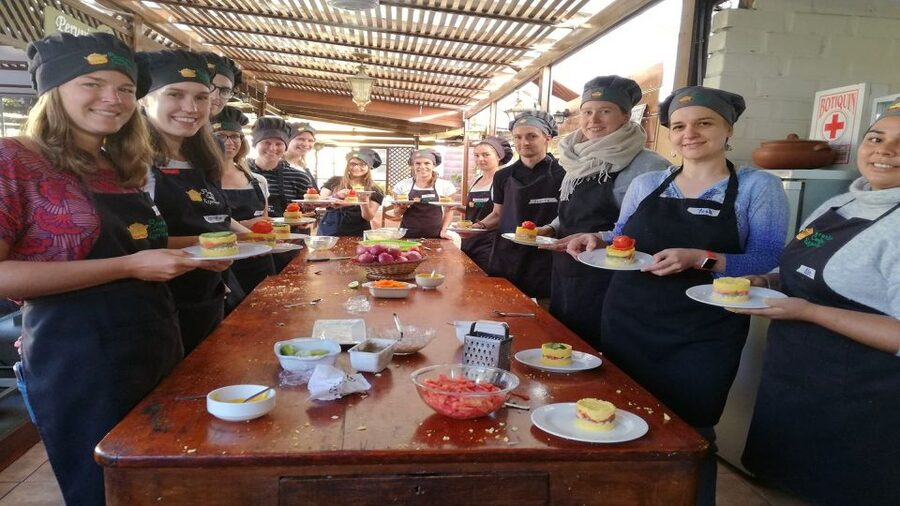
The flow is simple, which is a compliment here. You’ll start at the meeting point and begin with the Chicha Morada welcome. You’ll get your apron and chef’s hat, and then the chef explains the steps before you start cooking.
Next, you’ll prepare your two dishes. The chef walks you through it, and the class structure is designed so you can follow along even if you don’t cook much at home. The food is hands-on from early on, so you’ll spend your time chopping, mixing, stuffing, and cooking—not just taking notes.
At some point you’ll also hear about the history of Peruvian food, but it’s woven into the lesson rather than delivered as a lecture. That approach keeps it relevant: you learn why ingredients matter right as you handle them.
After the cooking, you’ll eat what you made. The experience ends with a dessert taste. One caution from past participants: a few people reported the session felt rushed and that dessert was missed in their group. So if dessert is important to you, ask at the start how the timing is planned for your specific session.
Also note the pacing and group dynamics. The class includes time for you to share travel experiences with the group and the chef, which turns the meal into a conversation rather than a lone dining moment.
Chef Coaching in Spanish and English (How to Get the Most)
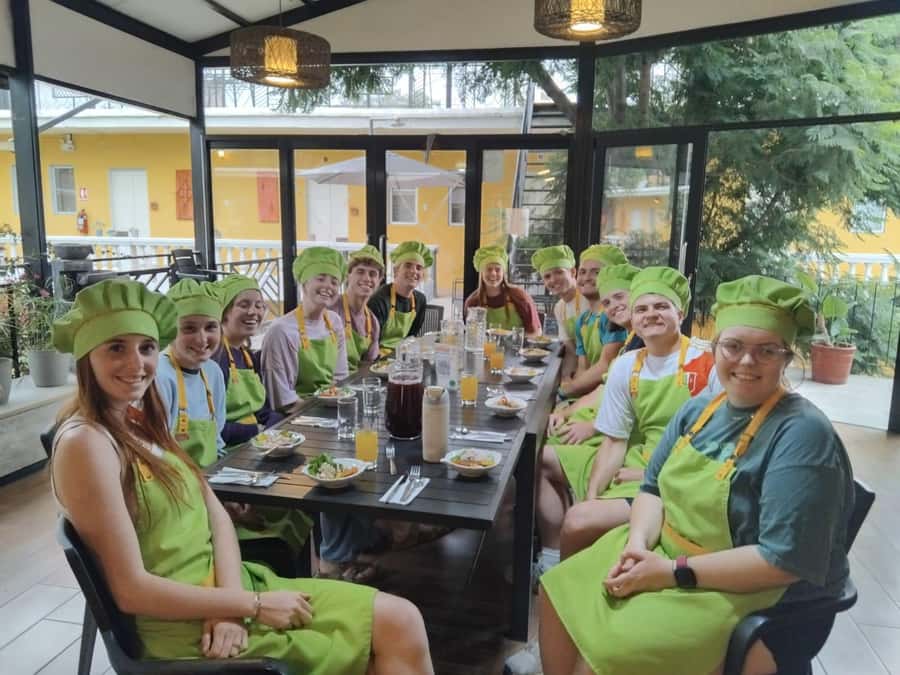
This class is led by a professional chef who speaks Spanish and English. In practice, bilingual instruction helps because you can ask questions in whatever language feels most natural after a long travel day. It also helps with safety and timing, since cooking is very step-based.
One standout point from real experience in this format is the teaching style. People described the instructor as a perfect teacher and praised clear explanations and a fun group atmosphere. If your Spanish is rusty, don’t worry—you should still be able to follow the key steps through the English instruction and the visuals of the cooking stations.
Two practical tips:
- Ask one question early. Even a simple one like what to watch for when seasoning helps you avoid common mistakes later.
- If you know you’re sensitive to certain flavors (spice, citrus, seafood), tell the chef during the class introduction. The chef can sometimes steer you on how to balance your portion.
Price and Value: Is $63 Worth It in Arequipa?
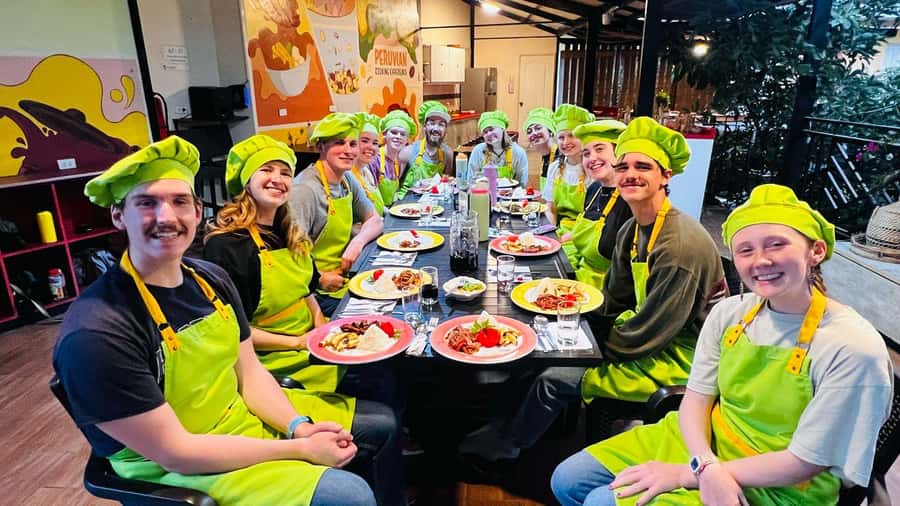
At $63 per person for a 2-hour class, this can be a strong deal depending on what you want from your day. You’re not only buying instruction—you’re paying for the ingredients, cookware, and a two-course meal (lunch or dinner based on the selected time), plus Chicha Morada and dessert.
Here’s how I think about value:
- If you’ve ever paid for a food tour and then left hungry, this is different. You cook and eat.
- If you like the idea of learning how dishes are built, you’re getting hands-on time plus bilingual coaching.
- If you want to avoid the hassle of sourcing ingredients on your own, the class includes everything you need.
So for a short Arequipa stay, it’s a practical way to get a satisfying, local food experience without adding extra planning.
Logistics That Matter: Timing, Comfort, and Where to Meet
This runs for 2 hours, and you’ll choose whether it’s a lunch or dinner time slot. The meeting point is Casa de Avila Hotel in Arequipa’s historic center, so it’s easy to tie to a walking day.
What to bring is refreshingly simple: comfortable clothes. Since you’ll be cooking, you’ll want something that handles a bit of mess and movement. Shoes that work for standing are helpful too.
A few details that help your planning:
- The maximum group size is 12, which usually keeps the class from feeling chaotic.
- Wi-Fi is included, so you can upload photos during or after the meal (if you want).
- Children under 8 aren’t suitable for this experience, which makes sense given the cooking setup and timing.
- At least 2 people are required for the class to start, so there’s a small chance schedules can shift if you book late.
Also, transfers aren’t included. If you’re staying in the center, you’ll likely walk or take a short ride, but build that into your day.
Menu Changes, Allergies, and the One Thing to Double-Check
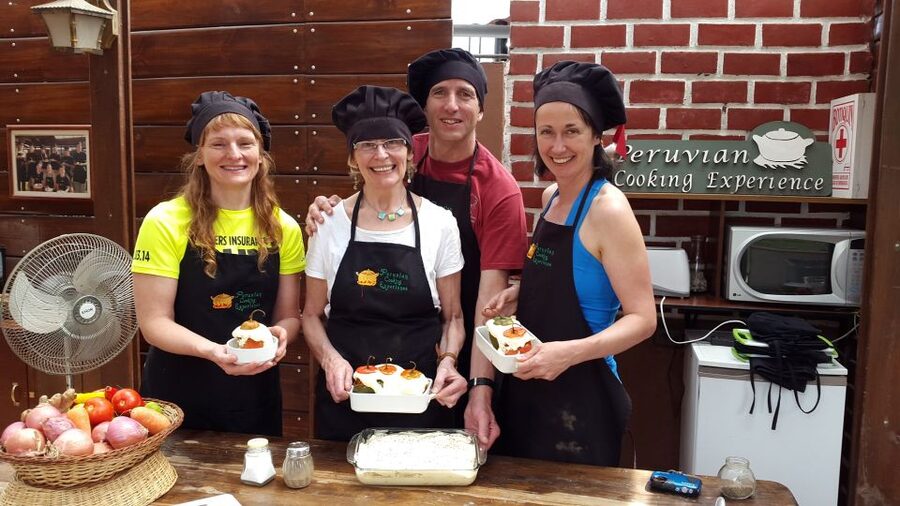
This is where you can protect your trip from disappointment. You can request vegetarian options, and you should request this when booking. If you have allergies or dietary restrictions, you need to let the provider know during booking so the menu can be adapted.
Even with that, I’d still do a quick confirmation:
- Make sure you’re aware which menu you’re booked for (Andean, Traditional, or Seafood).
- If you request changes, confirm they’re noted after booking.
- On arrival, mention it again to the chef or host so it’s part of the session plan.
There’s a reason I’m pushing this. One past participant said they requested one menu but ended up cooking another, and they were frustrated. Another mentioned the experience being rushed. Those aren’t the norm everywhere, but they’re enough to justify you speaking up early.
Who This Is Best For (and Who Should Skip It)
I think this class is a great fit if you:
- want a hands-on Arequipa food experience that doesn’t require prior cooking skill
- like the idea of learning Peruvian dishes as systems, not just trying them
- enjoy small-group activities with a real chef instead of a scripted show
It’s also good for couples or friends who want a shared activity in a walkable area.
You might want to skip it (or choose something else) if:
- you’re traveling with young kids under 8
- you want zero time pressure and a very relaxed pace
- you have very complex dietary needs and prefer a more customized setting than a set menu structure
On the other hand, it is wheelchair accessible, which is a big plus for anyone who needs that level of access.
Should You Book This Arequipa Cooking Class?
If you’re choosing between a sit-and-watch class and a true cooking experience, I’d book this one. You get two-course results, a welcome drink, a dessert finish, and bilingual chef guidance in a small group. The $63 price makes sense when you factor in ingredients and the meal you eat at the end.
I’d book with confidence if you’re comfortable cooking with some spice and seafood options, or if you’ll request vegetarian or allergy adjustments early. I’d also show up ready to confirm your menu choice at the start—one quick check can save a lot of frustration.
Bottom line: this is a practical, tasty way to spend a couple of hours in Arequipa and leave with a clearer sense of how Peruvian flavors are built.
FAQ
Where is the meeting point for the Arequipa cooking class?
The meeting point is at Casa de Avila Hotel in the historic center of Arequipa.
How long is the cooking class?
The class lasts 2 hours.
What’s included in the price?
You get a guided cooking class, a 2-course lunch or dinner depending on the selected time, Chicha Morada, all ingredients and cookware, a professional chef in Spanish and English, and Wi-Fi.
Is roundtrip transportation from my hotel included?
No. Roundtrip transfers to and from your hotel are not included.
Do I get to choose what menu we cook?
Yes. You can cook one of three menu types: Andean, Traditional, or Seafood. After confirming your reservation, you’ll be contacted to indicate the chosen menu.
Are vegetarian options available?
Yes. Vegetarian options are available, and you should request this when booking.
Can the menu be adapted for allergies or dietary restrictions?
Yes. If you have allergies or dietary restrictions, you should let the provider know at the time of booking so they can adapt the menu.
What language will the chef/instructor use?
The professional chef/instructor provides instruction in Spanish and English.
Is the activity wheelchair accessible?
Yes, it is listed as wheelchair accessible.
Is there free cancellation?
Yes. You can cancel up to 24 hours in advance for a full refund.
What should I wear or bring?
You should wear comfortable clothes.
Is this suitable for children?
It is not suitable for children under 8 years old.