REVIEW · ST JOHN S
St. John’s: From the Sea Cooking Class
Book on GetYourGuide →Operated by Nicole's Table · Bookable on GetYourGuide
One of the best parts of this class is how the menu starts with the sea. You’ll cook a 3-course seafood lunch in an Antigua home high on a hill, then eat on a veranda with views of the Caribbean. I love the way it stays flexible based on what’s actually fresh that day, and I also love that you’ll get all the recipes so you can repeat the dishes at home. One thing to consider: there’s no pickup, and you’ll want to plan your trip to Nicole’s Table in advance.
This isn’t a stiff, lecture-style cooking lesson. It’s informal, hands-on, and it includes stories about living in the West Indies along with the food history—so it feels more like joining a local table than following a one-size-fits-all class. The only real “prepare now” items are food allergies, comfort in a home setting, and the fact that the fish choices can shift with the day’s conditions.
In This Review
- Quick reasons to book this seafood class in Antigua
- Meeting Nicole’s Table on Antigua’s hillside
- How the sea decides your menu: what you’ll likely cook
- The 3-course lunch: starter, main fish, sides, and dessert
- Drinks to start: rum punch, local juice, and cistern water
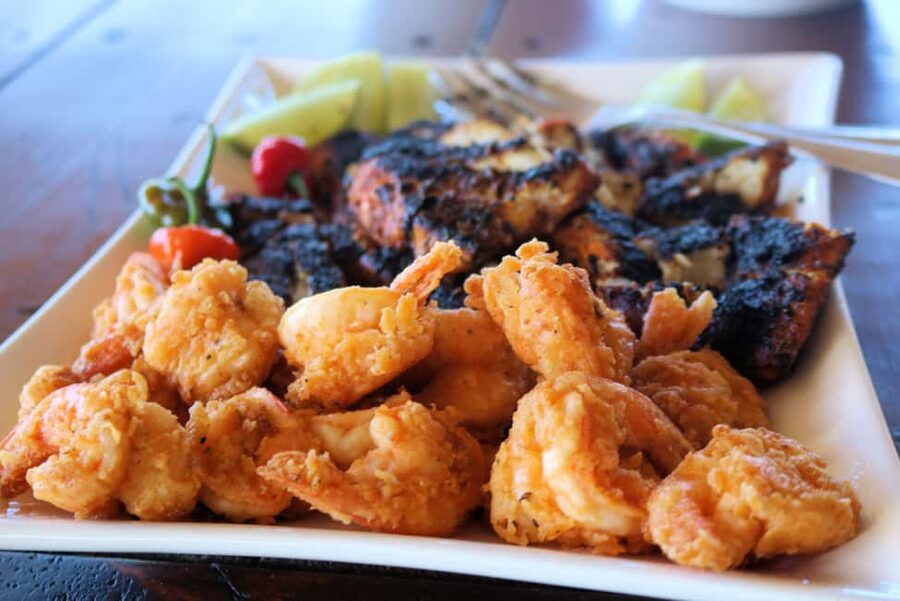
- Starter: garlic shrimp in a crispy wonton cup with avocado
- Main course options: grilled mahi-mahi, blackened tacos, or baked whole snapper
- Sides: basmati rice and a rainbow salad
- Dessert: mini cheesecakes with passion fruit
- Hands-on teaching and West Indies stories that make it feel local
- Drinks, rules, and food allergies: what to tell them before you arrive
- Price and value: is $164 a good deal for this 4-hour class?
- Who this cooking class fits best (and who should rethink it)
- Tips to get the most from your time at sea-view table
- Should you book St. John’s: From the Sea Cooking Class?
- FAQ
- Where is the cooking class held?
- How long is the class?
- What kind of seafood will we cook?
- Do you get recipes to take home?
- What does the meal include?
- Are drinks included, and is there an age limit?
- Are there any restrictions for kids or pets?
Quick reasons to book this seafood class in Antigua
- Hands-on cooking for the whole menu: starter, main, sides, and dessert
- A menu that changes with what’s fresh (no boring repeats)
- Sea-view lunch on a veranda after you cook it
- Recipes included so you can cook the same dishes later
- Local flavor beyond the plate, with West Indies food stories
- Perfect timing for a short day (about 11:00 to 15:00)
Meeting Nicole’s Table on Antigua’s hillside
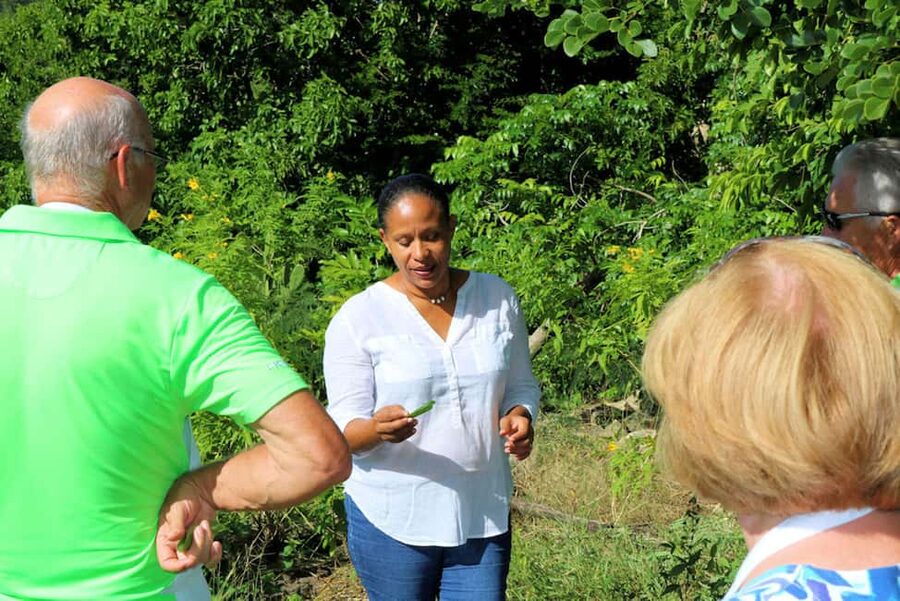
Your experience starts at Nicole’s Table, and you should assume this is a straightforward meet-up—there’s no pickup service. After you book, you’ll receive directions by email, so you’ll want to read them carefully and give yourself enough time to arrive before the class begins.
The class runs for about 4 hours, typically starting at 11:00 and ending around 15:00. That timing is practical. If you’re on a hotel schedule or even doing a cruise day, this is short enough that you’re not stuck planning your whole day around a long excursion.
The setting matters here. You’re taught and fed in a home high on a hill overlooking the Caribbean Sea. Even before you start cooking, the view sets expectations: this is a “slow down and enjoy” sort of day, not a fast assembly-line tourist activity.
One more logistics note that helps you plan: the operator may need to move your booking to another day to meet a 4-person minimum. If you’re traveling solo or just two people, it’s worth considering that your exact date might not be locked in the way larger group tours sometimes are.
You can also read our reviews of more tours and experiences in St John S.
How the sea decides your menu: what you’ll likely cook
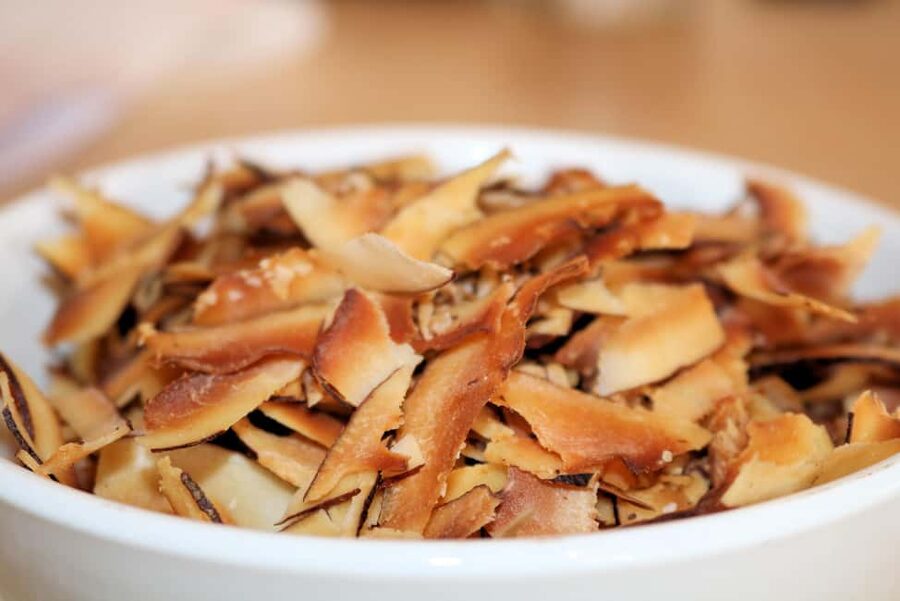
A big reason this class feels authentic is that the menu isn’t fixed. The day before and even right on the morning of class, the key question is simple: what’s available today? Seafood varies based on season and sea conditions, including what recently came in from the water.
That means you might cook one of several fish options. Common possibilities include mahi-mahi, snapper, tuna, or grouper—but the actual pick can change based on what’s freshest and easiest to work with that day. For you, this is a feature, not a twist. You’re learning how Caribbean-style seafood is prepared using what’s real in the market, not an imported, always-the-same ingredient list.
The class also builds in a goal that’s important if you want to cook after you go home: it’s designed to make the food repeatable. You’ll learn the steps in a hands-on way, and you’ll get the recipes for the specific menu you cook. So when you’re back in your kitchen, you’re not stuck with a vague memory of how it was made.
The 3-course lunch: starter, main fish, sides, and dessert
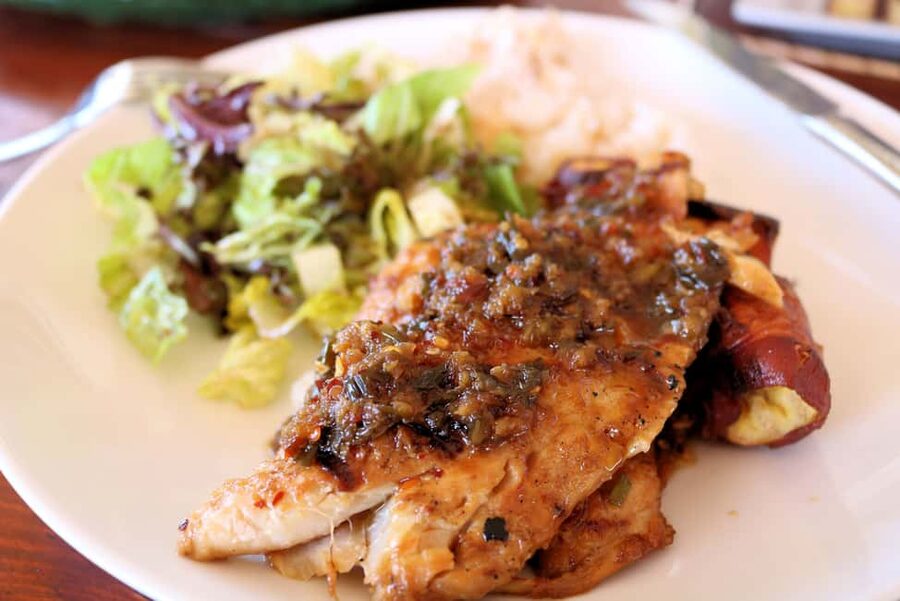
After the morning setup, you get to work on a full 3-course lunch, plus drinks. This is the part where the experience becomes more than cooking theory—you’re actually cooking, assembling components, and then eating your work in a sea-view setting.
Drinks to start: rum punch, local juice, and cistern water
A typical start includes cocktails like Nicole’s Old Fashioned Rum Punch, along with local juice and water from the cisterns. The operator also notes the class includes drinks, but the menu timing and specifics can depend on the day.
There’s also a clear rule here: the minimum drinking age is 18, so plan accordingly if you’re traveling as a family or with teens.
Starter: garlic shrimp in a crispy wonton cup with avocado
A common starter is garlic shrimp in a crispy wonton cup with avocado. This is a nice first dish because it teaches you about texture—crispy outside, tender inside—while also getting you comfortable with seasoning and assembly.
Since it’s hands-on, you’re not just watching. You’re prepping and putting together components that you’ll later recognize when you taste the finished starter.
Main course options: grilled mahi-mahi, blackened tacos, or baked whole snapper
For the main course, the class often offers choices based on what fish is available. You might cook:
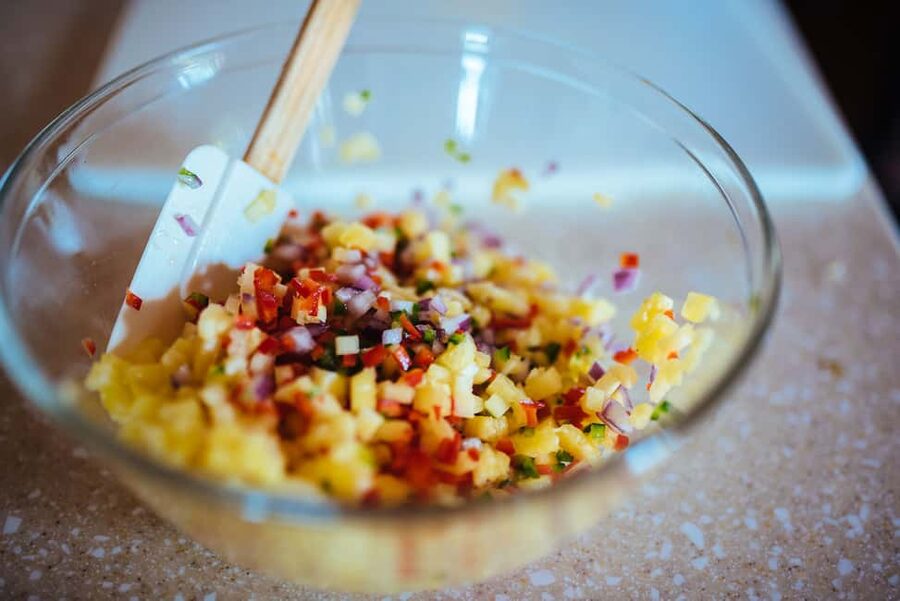
- Grilled ginger lime mahi-mahi with pineapple salsa
- Blackened fish tacos with a spicy slaw
- Baked stuffed whole snapper
Any one of these can be your menu, depending on the catch that day. What I like for your planning: these styles teach different cooking approaches—grilling and citrus for the mahi-mahi, spice and searing technique for the blackened tacos, and a more “whole fish” method with stuffing for the snapper.
That variety is useful when you’re thinking ahead to cooking at home. You’ll leave knowing how to adapt flavors (ginger and lime, pineapple salsa, spice-forward slaw) even if you can’t find the exact fish from Antigua.
Sides: basmati rice and a rainbow salad
A typical side set includes basmati rice and a rainbow salad. For repeat cooking, sides are often where people feel stuck after a class. Here, you’re taught those parts too—so your meal at home doesn’t turn into just fish and hope.
Also, the rainbow salad gives you a template for building fresh balance: crisp, colorful produce paired with something spiced or citrusy.
Dessert: mini cheesecakes with passion fruit
Dessert is usually mini cheesecakes with passion fruit. Small portions matter here. It’s easier to manage, and it’s also a good way to learn a finishing workflow without turning the class into a full day of baking.
The passion fruit component is a strong local flavor note. It’s also a clue about the kinds of ingredients you’ll likely be inspired to seek out again later.
Hands-on teaching and West Indies stories that make it feel local
This is where the class earns its high marks: you don’t just cook; you learn the context.
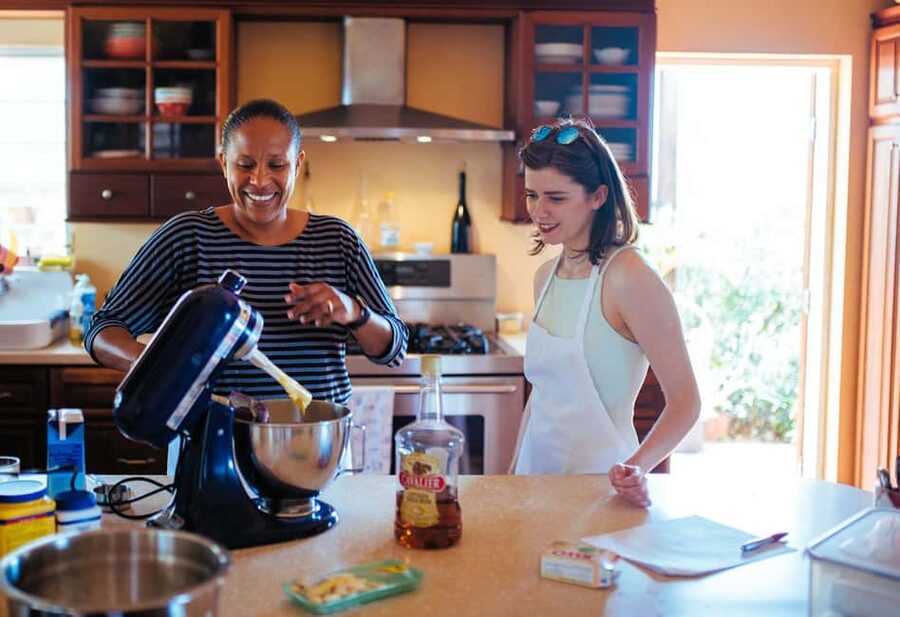
Teaching is described as informal, and you’re guided through the process while also learning the history of the food. You’ll also hear stories about living in the West Indies, which gives the menu meaning beyond technique. That kind of storytelling is practical, too—it helps you remember what you made and why it’s prepared that way.
The hands-on portion is straightforward: you help prepare the starter, the main fish dish, the sides, and the dessert. And you can keep things laid-back—classes are taught hands-on, but you can match your pace.
There’s also a social element that makes it work better than many cooking tours. People consistently describe it as welcoming and warm. The practical takeaway for you: you’ll likely feel comfortable asking questions as you go, and that makes learning the steps easier to retain.
Drinks, rules, and food allergies: what to tell them before you arrive
If you want this day to run smoothly, your prep is mostly about food needs.
When you book, you should advise of specific dietary requirements, especially food allergies. Since the menu depends on what’s fresh, ingredients can change, and that’s exactly why accurate allergy info matters.
There are also a few day-of rules you’ll want to know:
- You’ll need to do hand washing during the experience.
- If you have flu-like symptoms, you’ll be required to wear a mask.
- Children must be accompanied by an adult.
- Pets are not allowed.
And because this is a seafood class, if you have any preferences (for example, avoiding certain fish types), it’s smart to share that early even though the menu depends on what’s available.
Price and value: is $164 a good deal for this 4-hour class?
At $164 per person for about 4 hours, you’re paying for more than a quick tasting experience. The value comes from four things you get together in one package:
- A full 3-course lunch you helped prepare (not just samples)
- Drinks included (including rum punch, local juice, and cistern water)
- Hands-on instruction through multiple dishes—starter, main, sides, dessert
- Recipes included for your menu, which helps you actually cook it later
If you’ve taken cooking classes before and walked away with photos but no practical method, this is the opposite problem. The recipes are part of the deal, and the hands-on process gives you something real to rebuild at home.
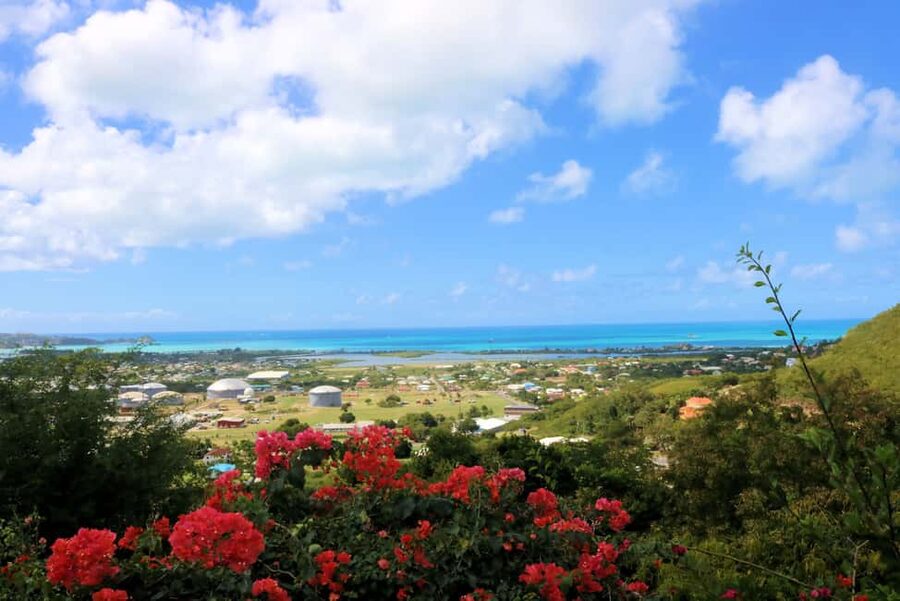
The sea-view location is also part of the value equation. You’re not eating in a kitchen back room. You cook, then eat on a veranda overlooking the Caribbean Sea, which turns lunch into a real moment.
One more value angle: the menu changes with what’s fresh, so you’re less likely to feel like you bought a scripted show. Even if your fish ends up different from someone else’s, the class still teaches the same overall approach.
Who this cooking class fits best (and who should rethink it)
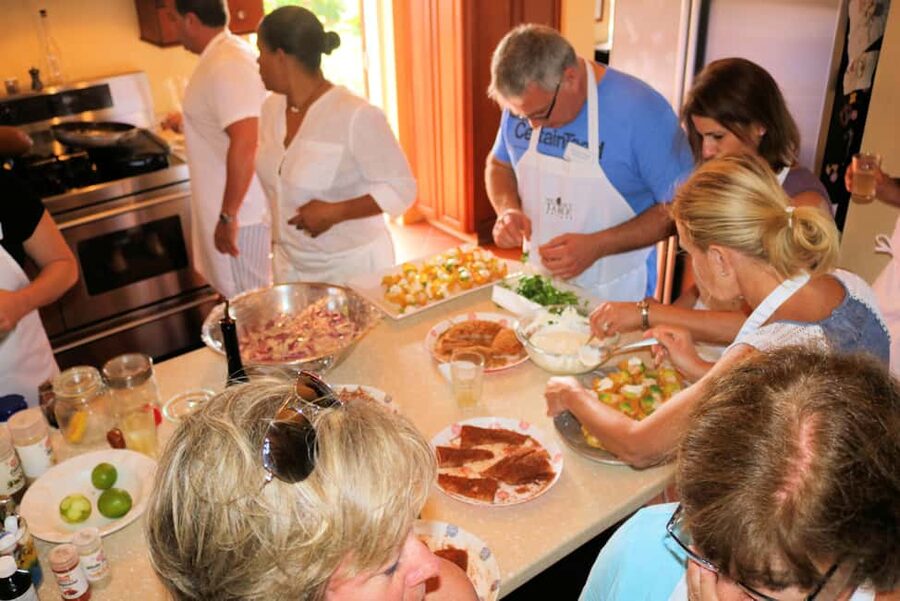
This class is a strong fit if you want an authentic, friendly, food-focused day in Antigua—especially if you like seafood and want recipes that you can reproduce.
It’s also a good choice if you:
- want a short, half-day plan starting at 11:00
- enjoy learning through doing, not just watching
- like local flavors, fish that’s truly in season, and West Indies food stories
- want a meal that feels like a hosted experience, with drinks and a full lunch
It may not fit you if:
- you need wheelchair access (the activity notes it’s not suitable for wheelchair users)
- you’re traveling with unaccompanied minors
- you’re bringing pets (not allowed)
If you’re the type who gets stressed about menus changing, keep an open mind. The operator builds the plan around whatever is fresh that day, and the end goal is still a repeatable cooking outcome.
Tips to get the most from your time at sea-view table
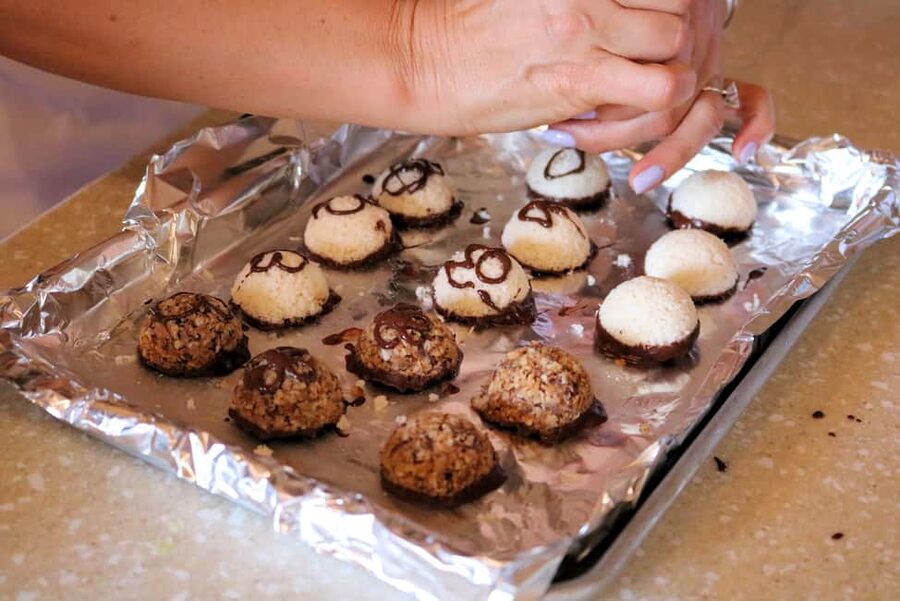
A few practical things will make your experience smoother:
- Arrive hungry and ready to cook. This isn’t a “watch and snack” format.
- Be upfront about allergies and dietary needs when booking, so the team can plan safely.
- Ask for the recipe steps while you’re cooking. You’ll get the recipes anyway, but the best time to confirm the method is when you’re actively making it.
- Expect the fish to be seasonal. If you know you love mahi-mahi or snapper, you’ll probably be in luck sometime, but you should be prepared for whatever the sea brings.
- Dress for a home kitchen. Comfort matters more than looking polished, since you’re hands-on.
If you want to cook after you return home, treat the class like a mini training session. You’re learning how Caribbean flavors come together: citrus, ginger, spice, fresh fruit salsa, crisp salad, and a sweet finish with passion fruit.
Should you book St. John’s: From the Sea Cooking Class?
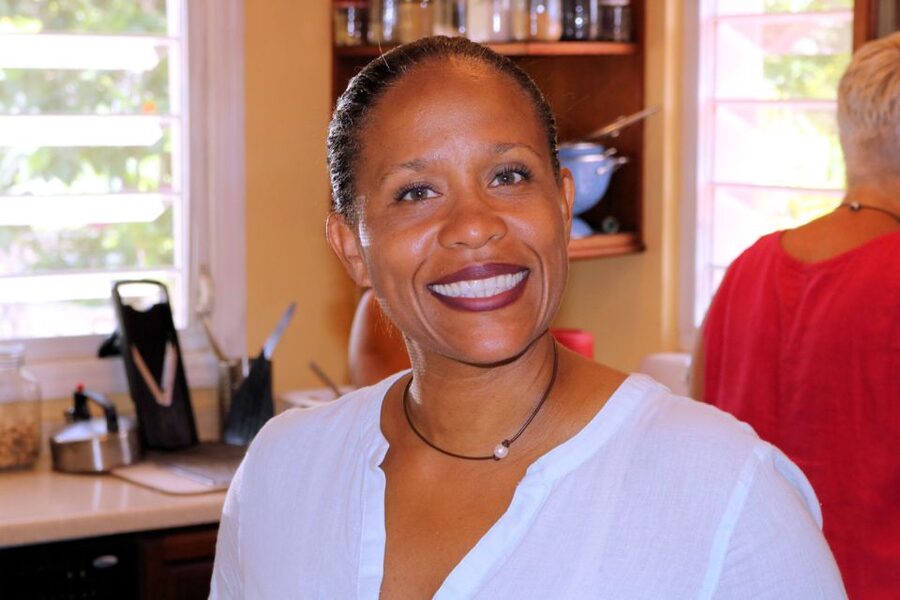
I’d book this if you want a real Antigua meal you can repeat, and if you like the idea of cooking what’s fresh that day instead of following a pre-set script. The best part isn’t only the food—it’s the combination of hands-on cooking, recipe takeaways, and the sea-view setting where lunch becomes the reward.
I’d hesitate if you need a strictly fixed menu, if transportation is tricky for you since there’s no pickup, or if wheelchair accessibility is required. Also, if your group is under four people, be ready for the possibility of your class date shifting to meet the minimum.
Overall, this is the kind of class that makes you feel fed in more than one way: you leave with full stomachs, full notes, and a clearer sense of Caribbean cooking beyond the basics.
FAQ
Where is the cooking class held?
You meet at Nicole’s Table. There is no pickup service, and you’ll be emailed directions after booking.
How long is the class?
The experience lasts about 4 hours, and it typically runs from 11:00 to around 15:00.
What kind of seafood will we cook?
The seafood depends on what’s available that day based on season and sea conditions. It may include options like mahi-mahi, snapper, tuna, or grouper.
Do you get recipes to take home?
Yes. You’ll receive the recipes for the class based on the menu cooked.
What does the meal include?
It’s a 3-course lunch, typically including a starter, a main fish dish, sides, and dessert. Drinks are also provided.
Are drinks included, and is there an age limit?
Drinks are included, including Nicole’s Old Fashioned Rum Punch. The minimum drinking age is 18.
Are there any restrictions for kids or pets?
Pets are not allowed. Unaccompanied minors are not allowed, and children must be accompanied by an adult.