REVIEW · LA FORTUNA
Ceviche & Empanadas Cooking Class
Book on Viator →Operated by Costa Rica Cooking · Bookable on Viator
Mojitos and knife skills in La Fortuna set the tone for this hands-on appetizer workshop with Chef Scott Alan and local chefs. You’ll cook ceviche and empanadas, make the sides that go with them, and enjoy drinks and dessert as part of the meal—served up in a small group where questions are welcome.
I love the way instruction stays practical, from basic chopping and slicing technique to actually doing the prep yourself. I also love that you take home recipes, so the class doesn’t fade out after one fun afternoon.
One thing to plan for: transportation from your hotel isn’t included, and the class starts at 10:00 am at Costa Rica Cooking, so you’ll need a ride lined up.
In This Review
- Key highlights worth showing up for
- Chef Scott Alan’s La Fortuna Kitchen: What the experience feels like
- Your menu in real order: ceviche, empanadas, and the sides that matter
- The class format: how small-group coaching keeps you from feeling lost
- Drinks included with lunch: mojitos, tropical fruit, and cocktails
- What you actually eat: lunch that feels like the payoff, not an extra
- Recipes to take home: why it changes what you get out of the class
- The dog rescue at the restaurant: a sweet extra with real heart
- Price and value at $76.93: what you’re really getting
- Who should book this class in La Fortuna
- Practical notes that affect your day (without the drama)
- Should you book the Ceviche & Empanadas Cooking Class?
- FAQ
- Where is the meeting point for this class?
- What time does the cooking class start?
- How long is the cooking class?
- What do you make and eat during the class?
- What drinks are included?
- How large is the group?
- Is there a minimum number of people needed to run the class?
- Are take-home recipes included?
- Is transportation from your hotel included?
- What is the cancellation policy?
Key highlights worth showing up for
- Small-group size (max 12) means more attention while you cook.
- Chef Scott Alan teaches and manages the pacing, so beginners can keep up.
- Unlimited mojitos and more drinks are included with lunch.
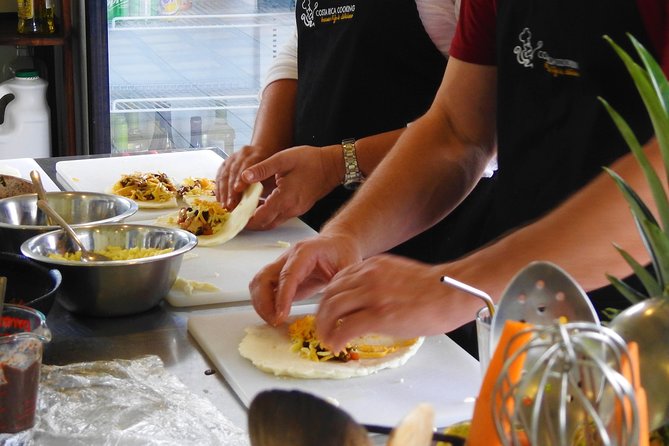
- Ceviche and empanadas are made from scratch, not demo-only.
- Banana flambé is part of the dessert plan, and it’s a crowd favorite.
- An on-site dog rescue turns the visit into something a little more human.
Chef Scott Alan’s La Fortuna Kitchen: What the experience feels like
This class isn’t some distant, staged cooking studio. It happens at Costa Rica Cooking, where the work area is open and you get real sights and sounds from the Arenal area. People talk about the view from the kitchen, and they also mention animals showing up around the property—like toucans near the trees—so you’ll feel like you’re cooking in a place that’s actually alive.
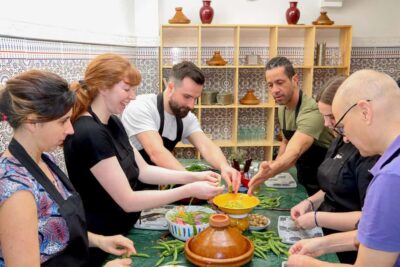
The group size matters here. With a maximum of 12 people and a minimum of 2, it stays conversational instead of chaotic. You’re not standing at the back holding a plate while everyone else cooks.
The vibe is also built for fun, not stress. The teaching style shows up in the details: people mention learning knife basics, then practicing them while making the food. That’s a big deal if you’re the type who usually avoids recipes that look too technical.
You can also read our reviews of more tours and experiences in La Fortuna.

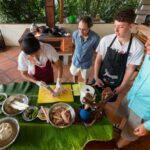
Your menu in real order: ceviche, empanadas, and the sides that matter
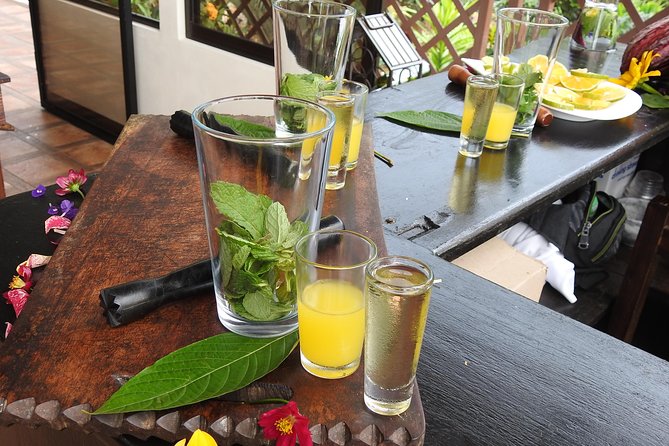
The core of the class is an appetizer workshop focused on Costa Rican favorites. You’ll make ceviche and empanadas, and you’ll also cover the supporting cast—things like guacamole and tortilla chips—because in real life, appetizers rarely live alone.
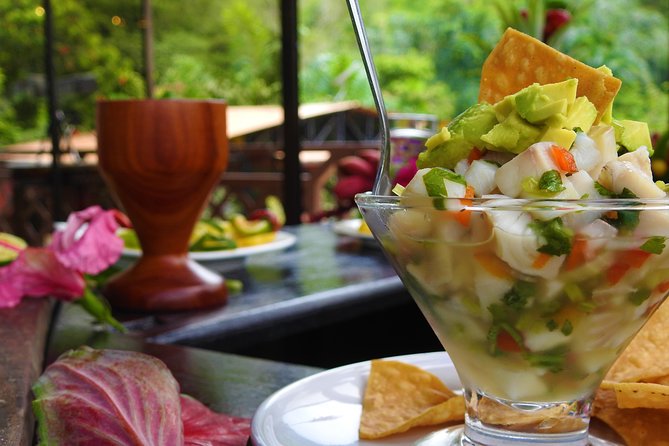
Ceviche is where you get a lesson in balance: texture, acidity, and how the mix comes together. One specific detail that comes up is that the ceviche can use ginger ale, a twist that surprised some people who expected a straight-up citrus-and-fish formula. The point isn’t just the flavor; it’s learning how Costa Rican cooks adapt ingredients to get a different profile.
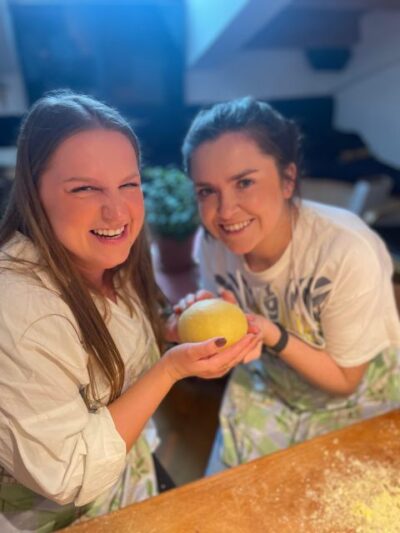
Empanadas are your hands-on baking moment. You’ll handle dough (or dough prep) and fill them with a savory filling. Chicken empanadas are mentioned often, and the class is designed so you can follow steps without needing to be a home chef.
Then comes the part that makes people linger: a banana dessert, often described as banana flambé. Even folks who don’t usually gravitate toward banana desserts tend to enjoy this one, which tells me it’s made with enough technique and right sweetness levels to win skeptics.
The class format: how small-group coaching keeps you from feeling lost
You’ll get more than a list of ingredients. You’ll get coaching while you’re doing the work.
Expect a mix of explanation, demonstration, and then practice. People mention that Chef Scott talks through technique—things like how to slice and chop properly—then puts you to work. That structure helps you avoid the common cooking-class problem: you watch, you nod, and then you’re suddenly holding the knife with no idea what you’re doing.
The small-group limit is also why people report leaving feeling confident. When there’s time for you to ask questions, you can adjust mid-step instead of hoping the final plate hides your mistakes.
Another useful detail: the class includes drinks and lunch, so you’re not learning in a vacuum. The food you make comes together as a meal you actually get to enjoy, which keeps energy up during the cooking steps.
Drinks included with lunch: mojitos, tropical fruit, and cocktails
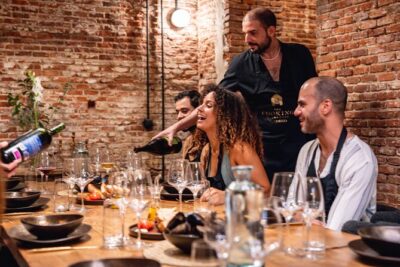
This is not a class where drinks are a sad afterthought. Lunch includes all you can drink mojitos, plus sodas, wine, beer, water, and tropical drinks.
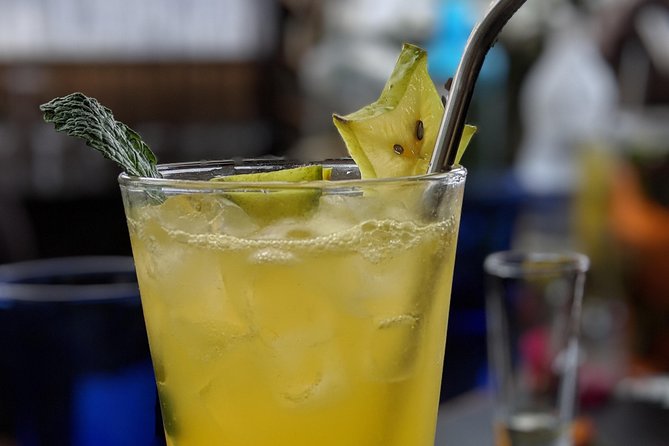
Many people call out the mojitos as a highlight. There are versions with local fruits, including pineapple and passion fruit, and those flavor combinations tend to be the ones you’ll remember long after the chopping board gets washed.
If you’re more interested in the learning than the party side, it still works. Drinks are part of the included meal, so you don’t have to make the decision while you’re already busy cooking.
One practical point: since the class includes alcohol options, pace yourself. The class is about 2 hours 30 minutes, and the cooking steps take focus.
What you actually eat: lunch that feels like the payoff, not an extra
You’ll eat the fruit of your work. That sounds obvious, but in some cooking classes, you learn technique and then receive a plate made elsewhere. Here, the meal is tied to what you made during the workshop: ceviche, empanadas, sides, plus dessert.
That makes the class feel complete. You cook, you learn, you taste. Then you can compare what you made to what you expected while it’s still fresh in your mind.
A nice bonus: people mention the leftovers can carry over, even as a breakfast the next day. That usually only happens when the quantities are real and the food holds up after refrigeration.
Also, keep in mind this is centered on appetizers and a dessert, so it’s hearty enough to satisfy you without needing an extra meal immediately afterward.
Recipes to take home: why it changes what you get out of the class
A lot of cooking classes leave you with a nice memory and a vague sense of what you think you did. This one is different because you can take recipes home.
That matters because you’ll be able to recreate the dish in your own kitchen, with your own ingredients and timing. You won’t have to rely on memory when you try ceviche at home and wonder why it tastes different from your favorite version in Costa Rica.
People also mention that the recipes are repeatable. That’s important for value. If you can’t reproduce it, you’re basically buying a fun night out. With repeatable recipes, you’re buying a skill you can use again.
The dog rescue at the restaurant: a sweet extra with real heart
This is one of those experiences where the setting adds personality. Costa Rica Cooking includes a small dog rescue on the property, and people mention interacting with the dogs during the class.
Specific dog names show up often—Chico and Orejas—and there’s also mention of a puppy found and renamed by a guest. You may also hear about people helping walk dogs after the cooking portion.
This isn’t a gimmick. It’s an added layer of warmth, and it fits the overall tone of the class: welcoming, local, and community-driven.
If you’re an animal person, that bonus makes the experience feel more personal. If you’re not, it still won’t dominate the cooking lesson; it just adds a bit of life around the edges.
Price and value at $76.93: what you’re really getting
At $76.93 per person for about 2.5 hours, you’re paying for a lot more than a menu. You’re paying for:
- Hands-on instruction and practice time
- Lunch built from what you cook
- All you can drink mojitos plus additional beverages
- A typical dessert, also part of the learning moment
- A small group size (max 12)
So even if cooking classes in your home country are cheaper, this one stacks value because drinks and lunch are included. It also helps that the class is booked an average of 32 days in advance, which suggests demand for this specific format and setting.
You’ll get the best value if you’re the type who likes doing things, not just watching. If you just want to eat, you might be happier with a strong local restaurant meal. But if you want to learn techniques and leave with recipes, the price makes more sense fast.
Who should book this class in La Fortuna
This class fits a wide range of people.
It’s a great pick for couples who want an activity that feels different from the standard waterfall and hot springs routine. The small group size and shared meal create an easy, relaxed atmosphere.
It also works well for beginners. People describe it as accessible, even for those who don’t cook much at home. If you’ve ever cut an onion and thought, why did I do that to myself, you’ll probably like the structured technique they teach.
Families can enjoy it too. People mention bringing kids (including ages around 7 and 10) and having a positive time. The cooking portion feels hands-on but still friendly.
If you love food experiments, you’ll likely have fun with the Costa Rican twists—like the ceviche using ginger ale, plus fruit-forward mojitos.
If you’re traveling with dietary needs, it helps to communicate ahead. There’s an example of a vegan-friendly adaptation happening during the class, so it’s at least possible to adjust depending on what’s feasible.
Practical notes that affect your day (without the drama)
The class starts at 10:00 am and runs about 2 hours 30 minutes. You’ll meet at Costa Rica Cooking (Costa Rica CookingDiag. 301, Provincia de Alajuela, San Carlos, Costa Rica) and the activity ends back at the meeting point.
Transportation from your hotel is not included, so plan your ride in advance. Since the start time is morning, you don’t want to burn your energy negotiating logistics right before the class.
Confirmation comes within 48 hours of booking, based on availability, so if you’re traveling tight on timing, book soon rather than hoping.
Also, since drinks are included, build in water and keep your plan flexible afterward. You’ll be cooking and eating, and that 10:00 am start can feel earlier than it sounds.
Should you book the Ceviche & Empanadas Cooking Class?
If you want a La Fortuna experience that mixes real cooking skills, a relaxed local setting, and included drinks and lunch, I’d say book it.
Do it especially if you want to come home with more than photos: the take-home recipes are the reason this class keeps paying off after your trip. The small group size and the hands-on teaching style are also big wins for beginners.
Skip it if your main goal is a passive food tour where you just watch and eat. This is built for doing—chopping, assembling, tasting, and learning as you go.
Overall, it’s a strong value pick for anyone who likes cooking, likes mojitos, and likes a genuine, community-style place to spend a few hours in Costa Rica.
FAQ
Where is the meeting point for this class?
The meeting point is Costa Rica CookingDiag. 301, Provincia de Alajuela, San Carlos, Costa Rica.
What time does the cooking class start?
The class starts at 10:00 am.
How long is the cooking class?
The duration is approximately 2 hours 30 minutes.
What do you make and eat during the class?
You’ll make ceviche and empanadas, along with sides and a typical dessert. Lunch includes what you cook.
What drinks are included?
Lunch includes all you can drink mojitos, sodas, wine, beer, water, and tropical drinks.
How large is the group?
The class has a maximum of 12 travelers.
Is there a minimum number of people needed to run the class?
Yes. A minimum of 2 people is required for the class.
Are take-home recipes included?
Yes. You receive recipes to take home.
Is transportation from your hotel included?
No. Transportation from your hotel is not included.
What is the cancellation policy?
You can cancel for a full refund up to 24 hours before the experience’s start time. Free cancellation is offered until then; cancellations within 24 hours are not refunded.